
Shareable breed snapshots
Dog Breed Fit Score Cards
These cards turn long breed guides into quick owner-fit snapshots. They are built for scanning, comparing, and sharing, but they should point you back to the full guide before any real decision.
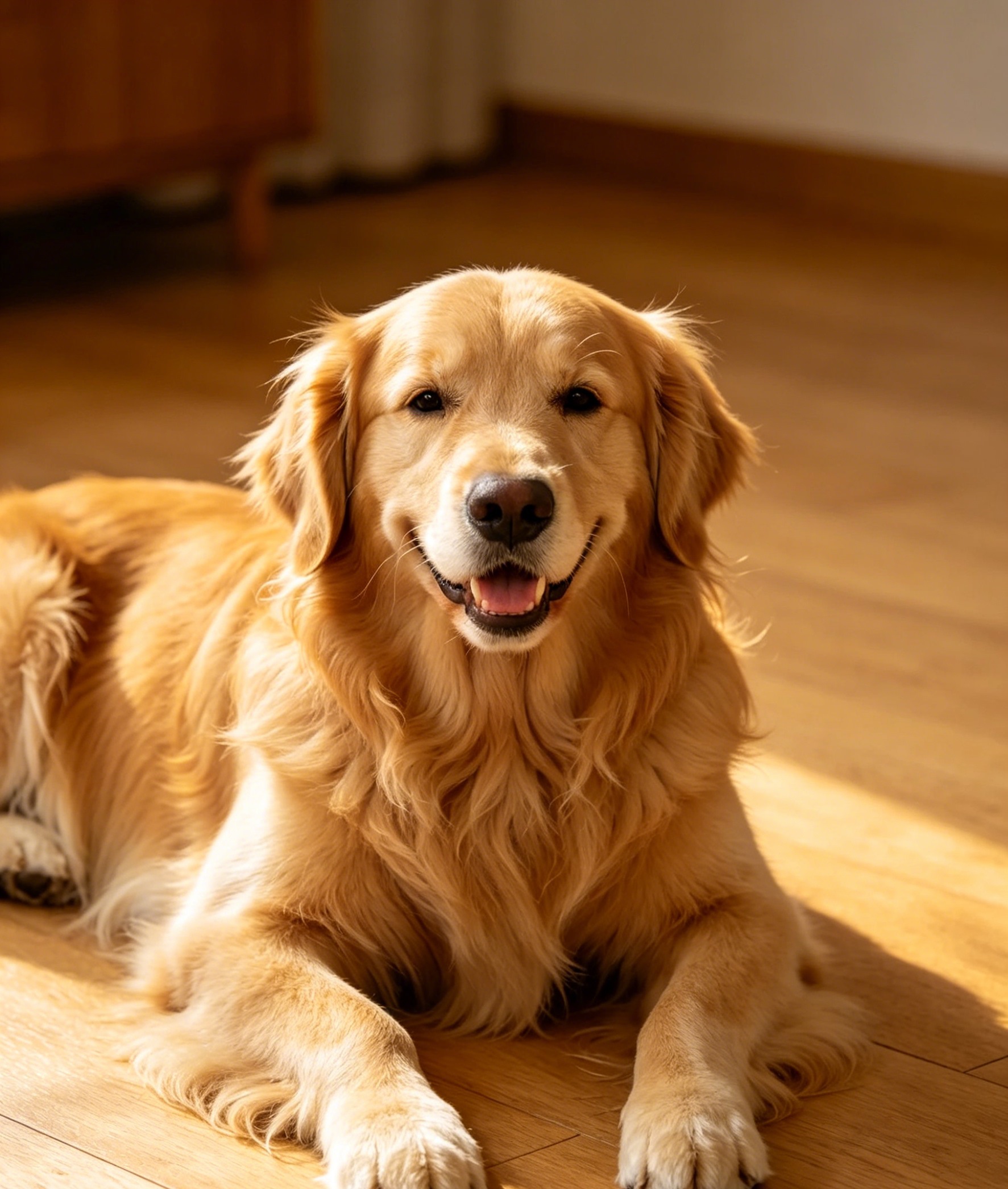
Family favorite
Golden Retriever
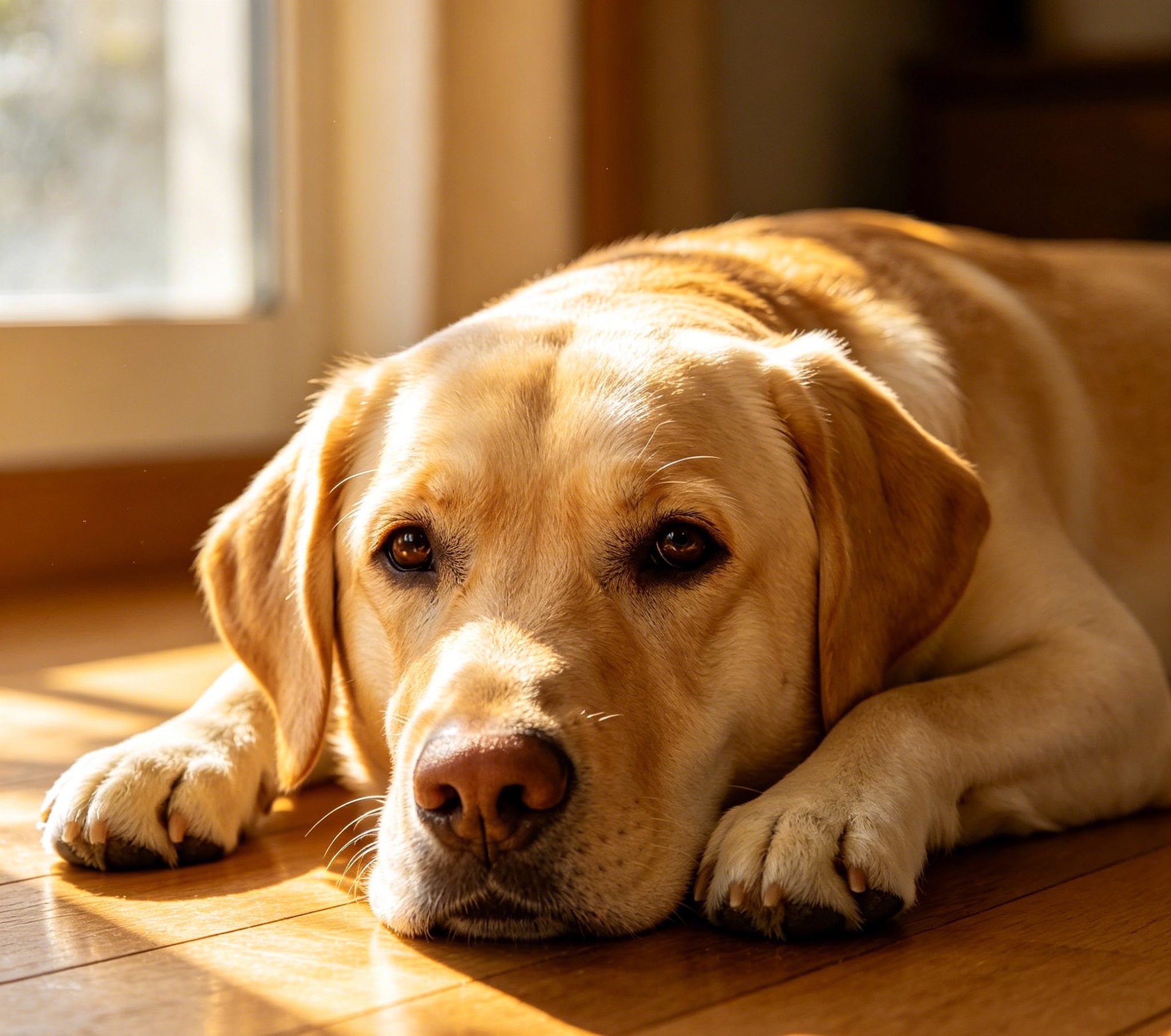
Active companion
Labrador Retriever
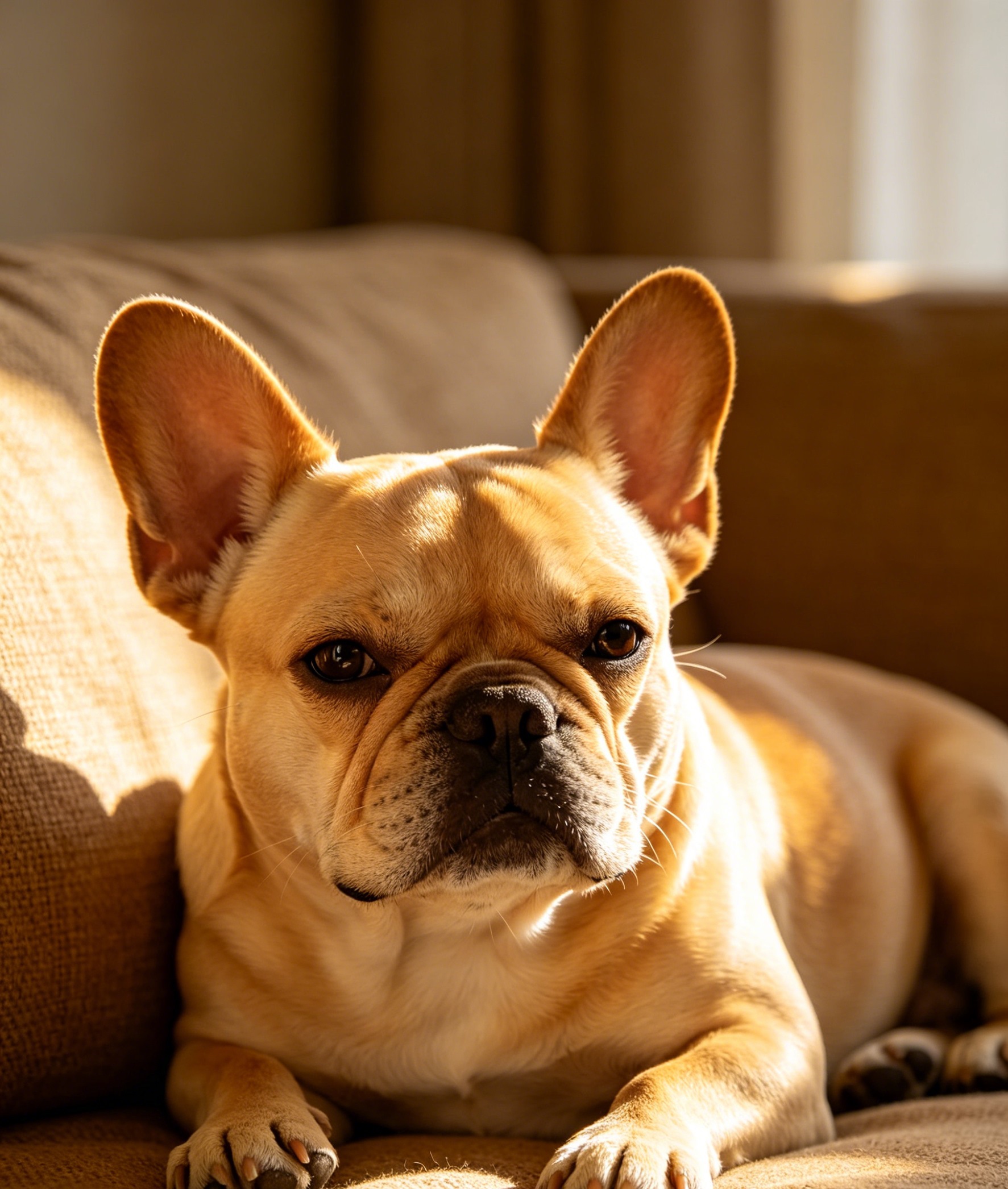
Apartment companion
French Bulldog
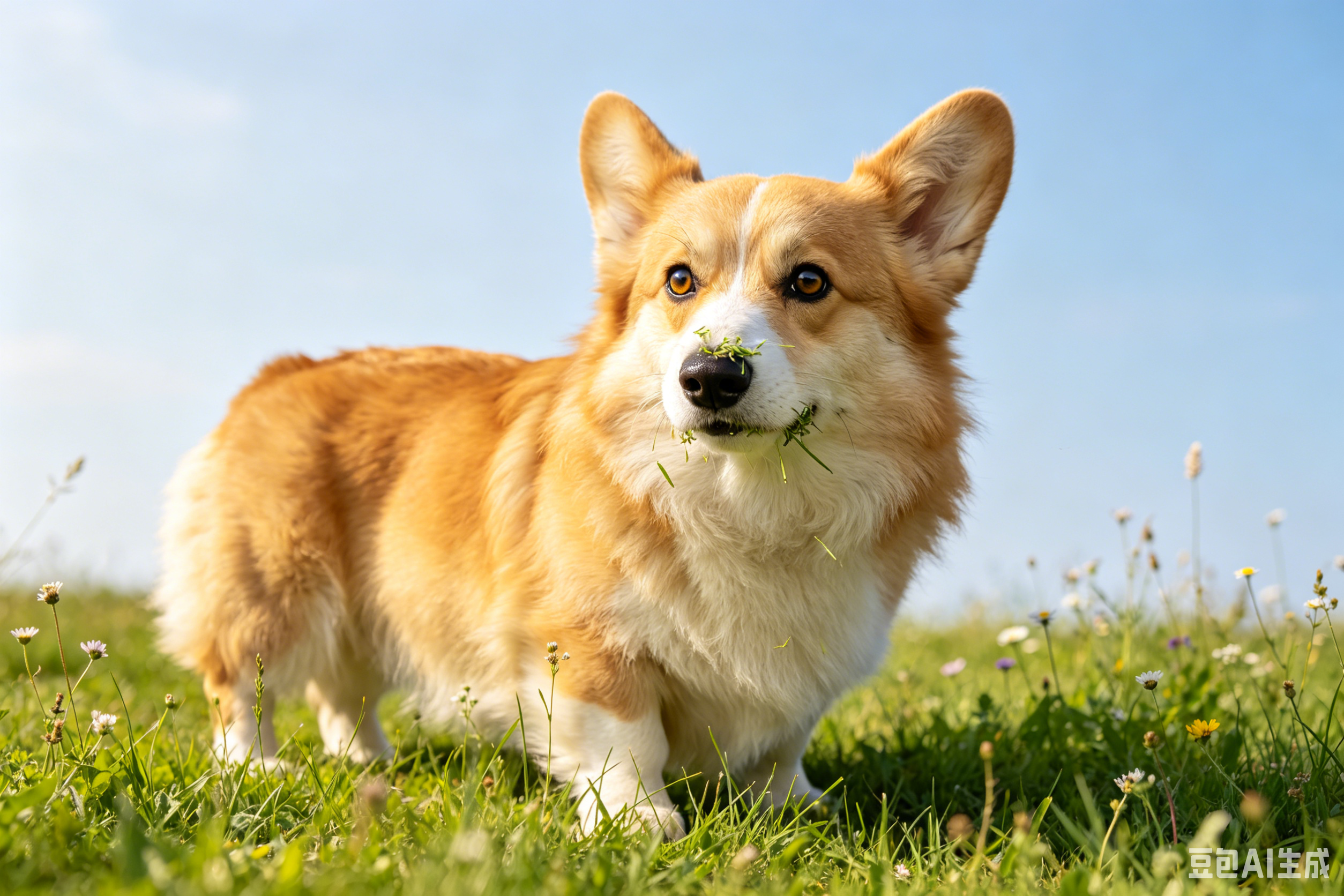
Small herder
Pembroke Welsh Corgi
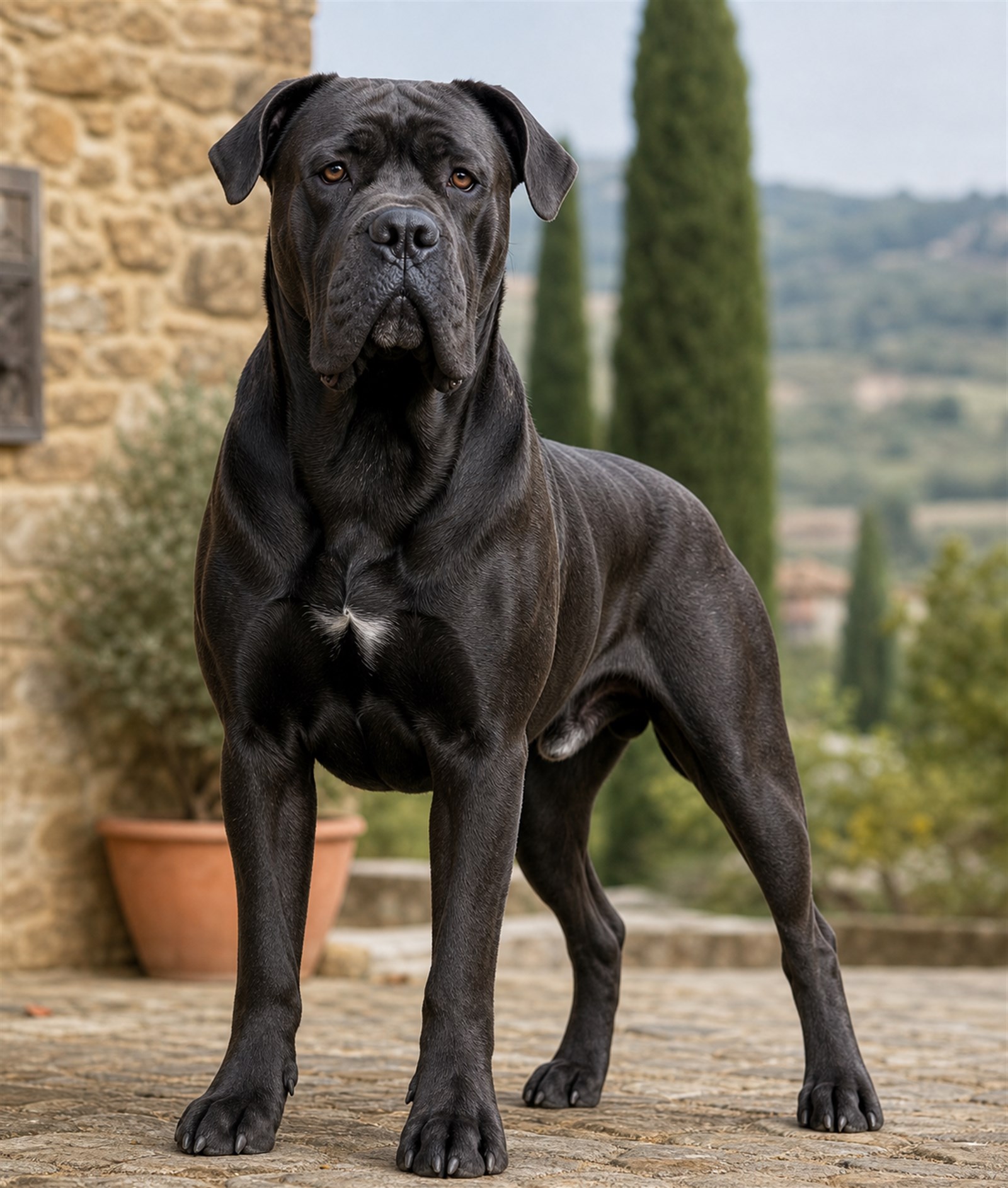
Serious guardian
Cane Corso
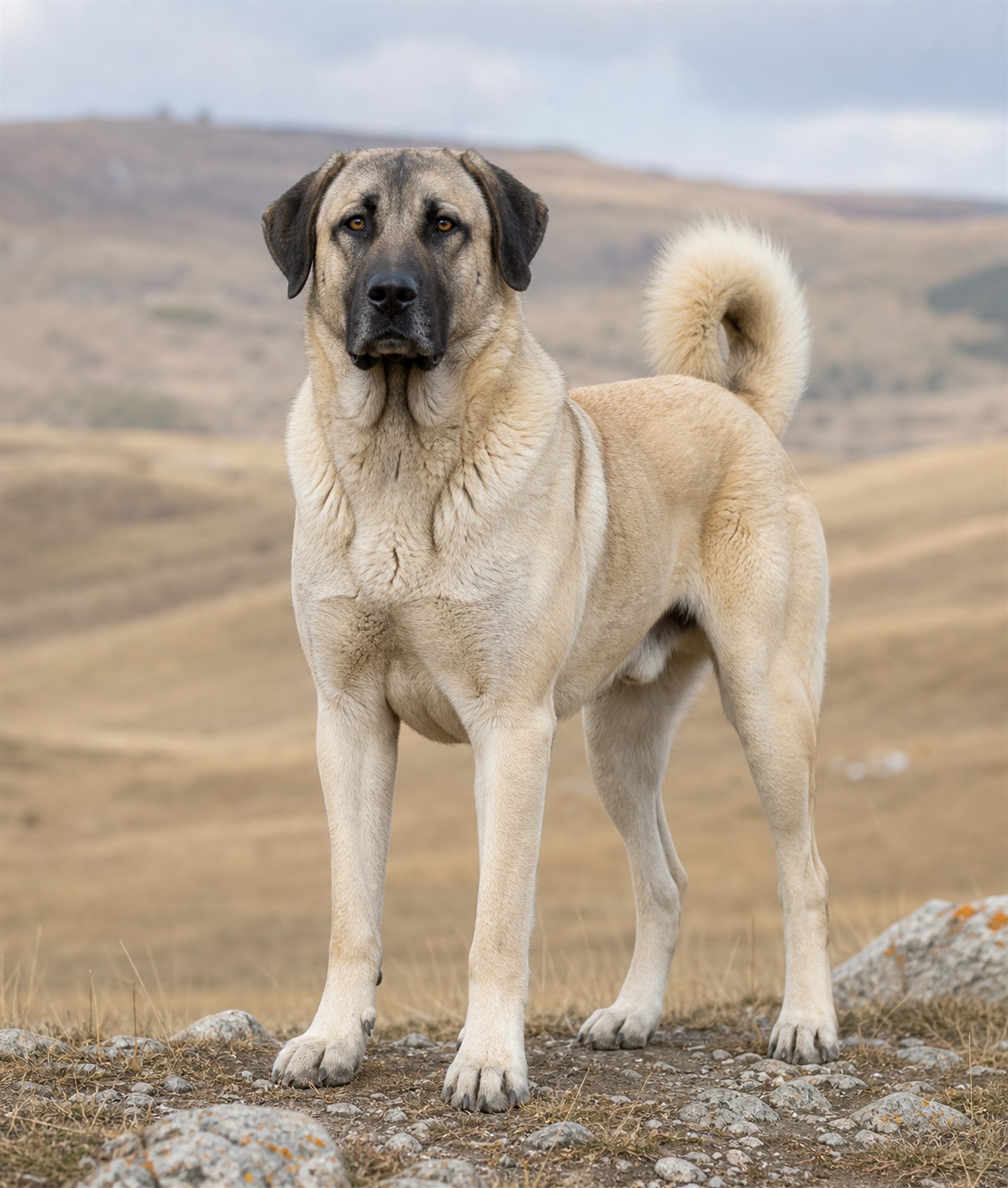
Rural guardian
Kangal Dog
All Score Card Source Profiles
The full data set behind PetStorie's fit tools is broader than the sample cards above. Use this table to jump from a quick snapshot into the full breed profile before making a decision.
| Breed | Size | Exercise | Grooming | Owner level | Key caution |
|---|---|---|---|---|---|
| Chihuahua | Toy | Low | Low | First | Best with gentle handling, cold protection, and steady socialization. |
| Maltese | Toy | Low | High | First | Plan for daily coat care, tear-stain management, and careful handling. |
| Pomeranian | Toy | Low | High | Some | Needs bark control, coat care, dental care, and knee/trachea awareness. |
| Toy Poodle | Toy | Medium | High | First | Professional grooming and mental work matter more than the small size suggests. |
| Yorkshire Terrier | Toy | Low | High | Some | Needs dental care, trachea awareness, and boundaries around barking. |
| Shih Tzu | Toy | Low | High | First | Avoid heat, budget for grooming, and monitor breathing or eye concerns with a veterinarian. |
| Golden Retriever | Large | High | Medium | First | Needs daily activity, brushing, weight control, and health screening awareness. |
| French Bulldog | Small | Low | Medium | Some | Plan short activity sessions in cool conditions, ask a veterinarian about breathing and exercise tolerance, and check insurance exclusions and emergency care access. |
| Pembroke Welsh Corgi | Small | Medium | Medium | Some | Needs weight control, bark management, and mentally useful work. |
| Samoyed | Large | High | High | Some | Not a low-maintenance white fluff ball; coat, exercise, and heat management are daily realities. |
| Shiba Inu | Small | Medium | Medium | Some | Best for owners who accept independence, leash discipline, and secure fencing. |
| Siberian Husky | Medium | High | Medium | Experienced | Needs secure fencing, daily outlets, and owners who can handle prey drive and stubbornness. |
| Doberman Pinscher | Large | High | Low | Experienced | Needs structure, socialization, exercise, and responsible health screening. |
| Scottish Terrier | Small | Medium | Medium | Some | Needs patient training, prey-drive management, and regular coat maintenance. |
| Standard Schnauzer | Medium | High | Medium | Some | Needs structure, training variety, and coat care beyond a quick brush. |
| Beagle | Small | Medium | Low | First | Needs scent outlets, food control, and patient recall expectations. |
| Labrador Retriever | Large | High | Medium | First | Not low-effort during adolescence; portion control and daily exercise matter. |
| Alaskan Malamute | Large | High | High | Experienced | Needs strength-aware handling, secure space, and cool-climate planning. |
| Bull Terrier | Medium | High | Low | Some | Needs structured play, training consistency, and boredom prevention. |
| Pug | Small | Low | Medium | First | Needs weight control, heat avoidance, fold care, and veterinary attention for breathing or eye issues. |
| Miniature Schnauzer | Small | Medium | Medium | First | Needs coat clipping, bark boundaries, and careful diet management. |
| Dachshund | Small | Medium | Low | Some | Manage weight, jumping, stairs, and back symptoms conservatively. |
| German Shepherd | Large | High | Medium | Experienced | Needs a job, training, socialization, and hip or elbow health planning. |
| Papillon | Toy | Medium | Medium | First | Better for gentle homes that respect its small body and busy mind. |
| Boston Terrier | Small | Medium | Low | First | Avoid heat stress and watch breathing or eye issues with veterinary guidance. |
| Basset Hound | Medium | Medium | Low | First | Needs ear checks, weight control, and patient scent-hound training. |
| Rottweiler | Large | Medium | Low | Experienced | Requires responsible handling, socialization, training, and local rule awareness. |
| Shetland Sheepdog | Small | Medium | High | First | Needs brushing, noise management, and kind training for a sensitive temperament. |
| Cavalier King Charles Spaniel | Small | Low | Medium | First | Choose health-tested lines and discuss heart monitoring with a veterinarian. |
| Great Dane | Giant | Medium | Low | Some | Budget for giant-breed food, vet care, transport, and emergency planning. |
| Border Collie | Medium | High | Medium | Experienced | Best for owners who genuinely want training, sport, or work every week. |
| Saint Bernard | Giant | Medium | High | Some | Plan for drool, cool living, giant-breed bills, and controlled growth. |
| Australian Shepherd | Medium | High | Medium | Experienced | Needs real work, training, and outlets for herding intensity. |
| Bernese Mountain Dog | Giant | Medium | High | Some | Budget for giant-dog care, grooming, and serious health screening. |
| English Cocker Spaniel | Medium | Medium | Medium | First | Needs ear care, brushing, and enough activity for a sporting breed. |
| American Cocker Spaniel | Small | Medium | High | First | Professional grooming and ear care are part of normal ownership. |
| Great Pyrenees | Giant | Medium | High | Experienced | Not ideal for close neighbors; needs fencing and guardian-breed expectations. |
| Italian Greyhound | Toy | Medium | Low | Some | Needs a gentle home, warm clothing, dental care, and careful furniture rules. |
| Brussels Griffon | Toy | Low | Medium | Some | Best for owners who want close companionship and can monitor breathing or eye concerns. |
| Havanese | Small | Medium | High | First | Needs grooming and company; loneliness can be harder than exercise. |
| English Springer Spaniel | Medium | High | Medium | First | Needs field-style outlets, ear care, and an active household. |
| Newfoundland | Giant | Medium | High | Some | Plan for drool, grooming, cool weather, and expensive large-dog care. |
| Whippet | Medium | Medium | Low | First | Needs safe off-leash areas, warmth, and leash discipline around small animals. |
| Caucasian Shepherd Dog | Giant | Medium | High | Experienced | Only suitable for experienced owners with secure property and guardian-dog plans. |
| Tibetan Mastiff | Giant | Medium | High | Experienced | Not a casual family giant; needs space, fencing, and serious visitor management. |
| Japanese Chin | Toy | Low | Medium | First | Needs gentle handling, heat avoidance, and attention to breathing or eye symptoms. |
| Finnish Spitz | Medium | Medium | Medium | Some | Needs barking tolerance, secure walks, and regular coat care. |
| Icelandic Sheepdog | Small | Medium | Medium | First | Best for owners who can handle barking, brushing, and daily activity. |
| Portuguese Water Dog | Medium | High | High | Some | Needs grooming appointments, training, and enough water-loving activity. |
| Spanish Water Dog | Medium | High | Medium | Some | Needs coat-specific care, socialization, and daily mental work. |
| Irish Water Spaniel | Large | High | High | Some | Needs swimming or field outlets, ear care, and coat maintenance. |
| Wirehaired Pointing Griffon | Medium | High | Medium | Some | Needs outdoor work, coat maintenance, and gentle consistent training. |
| German Wirehaired Pointer | Large | High | Medium | Experienced | Best for active owners who can use the dog's drive constructively. |
| Weimaraner | Large | High | Low | Experienced | Needs company, training, and serious exercise before it becomes a household project. |
| Central Asian Shepherd Dog | Giant | Medium | Medium | Experienced | Needs secure property, calm handling, and strict visitor management. |
| Cane Corso | Large | Medium | Low | Experienced | Requires socialization, training, confident management, and local rule awareness. |
| Kangal Dog | Giant | Medium | Medium | Experienced | Not for apartments, dog parks, weak fencing, or casual ownership. |
| Belgian Malinois | Large | High | Low | Experienced | Needs structured work, skilled training, and an owner who can manage drive every day. |
| Keeshond | Medium | Medium | High | First | Plan for brushing, seasonal shedding, bark management, and plenty of family time. |
| Old English Sheepdog | Large | Medium | High | Some | The coat is a serious commitment; mat prevention and professional grooming must be planned. |
| Komondor | Giant | Medium | High | Experienced | Needs secure property, guardian-breed management, and coat care unlike ordinary brushing. |
| Affenpinscher | Toy | Medium | Medium | First | Small body still needs careful handling, dental care, and consistent terrier boundaries. |
| Afghan Hound | Large | High | High | Experienced | Requires secure fencing, careful off-leash management, and a serious grooming routine. |
| Airedale Terrier | Large | High | Medium | Some | Needs structured activity, impulse control, secure fencing, and regular terrier-coat maintenance. |
| Australian Cattle Dog | Medium | High | Low | Some | Needs work beyond physical exercise; prepare for herding behavior, intense focus, and a long adolescent training period. |
| Basenji | Medium | High | Low | Some | Quiet is not the same as easy; plan for climbing, chase drive, food management, and a dog that may not work for social pressure. |
How to Share a Card
Open this page on desktop or mobile, take a screenshot of the card you want, and share it with the full guide link. The card is a conversation starter, not a final recommendation.
How the Scores Should Be Read
A high score means the breed is often easier to fit into that specific owner situation, not that the dog is automatically easy. For example, a Golden Retriever can score well for families and first-time owners while still needing daily exercise, brushing, training, and careful weight control. A French Bulldog can score well for apartment living while carrying serious heat and breathing considerations. The card is meant to slow down impulsive decisions, not replace the full guide.
The most useful score is usually the one that makes you uncomfortable. If a breed has a low apartment score, ask whether your building, neighbors, and schedule can handle the noise or exercise. If grooming effort is high, price local groomers before falling in love with the coat. If health risk is high, ask a veterinarian what routine care, emergency planning, insurance, and breed-specific screening may look like in your area.
Owner-Fit Signals Behind Each Card
| Card Signal | What It Includes | How to Use It |
|---|---|---|
| Family Fit | Temperament, sturdiness, patience, trainability, and supervision needs. | Compare against your children's ages and household rules. |
| First-Time Fit | Forgiveness, training difficulty, size, health risk, and management load. | Choose the dog you can handle on a bad week, not only a good one. |
| Exercise Demand | Walks, play, mental work, adolescence, and recovery after busy days. | Match the score to your normal weekday routine. |
| Risk Level | Strength, guarding instincts, public handling, heat risk, or health cost. | Read the full guide before treating the breed as a casual choice. |
Best Way to Use This Page
Pick three breeds that look realistic, then read their full guides back to back. Write down the hardest part of each one: fur, barking, vet cost, training, exercise, grooming, or public handling. The breed with the prettiest card is not always the best match. The better choice is the breed whose hardest part you are willing to manage for years.
Scores may also change by life stage. A puppy can be far more demanding than an adult dog of the same breed, and a senior dog may need different exercise, diet, and veterinary planning. Use the card as a first screen, then judge the individual dog in front of you.
PetStorie 1-to-5 Scoring Method
These are editorial planning levels, not survey results or veterinary risk predictions. PetStorie compares the breed profile, parent-club and health-screening context, and the ownership demands explained in the full guide. Scores use whole numbers so the cards do not imply precision the source material cannot support.
| Level | Fit Metric | Demand or Risk Metric |
|---|---|---|
| 1/5 | Poor match for this setting in most homes. | Low routine demand or lower relative concern. |
| 2/5 | Possible only with meaningful adjustments. | Some extra planning beyond ordinary care. |
| 3/5 | Conditional fit that depends on the household. | Moderate time, cost, or management pressure. |
| 4/5 | Often a workable fit for prepared owners. | High demand that shapes the weekly routine. |
| 5/5 | Strong fit when the individual dog also matches. | Very high demand or concern requiring a firm plan. |
Read the metric name before reading the number. A high Family Fit score is favorable. A high Health Risk, Exercise Demand, or Management Risk score warns that the owner carries more work or uncertainty. Individual dogs can fall outside the breed-level estimate because of age, line, health, training, and prior experience.