
The Standard Schnauzer is a medium-sized working dog, not simply a larger version of a low-effort companion. Its square build and wiry coat come with a watchful temperament, a need for daily work, and a habit of noticing changes before the household does. The breed can be a strong partner for an active home, but its guarding instinct and grooming calendar need to be part of the decision.
The useful question is not whether the Schnauzer looks manageable next to a giant breed. It is whether the owner can provide purposeful activity, teach a calm response to visitors, and tolerate a beard that needs cleaning after meals and drinks. Without that structure, intelligence turns into noise, patrolling, or self-appointed household jobs.
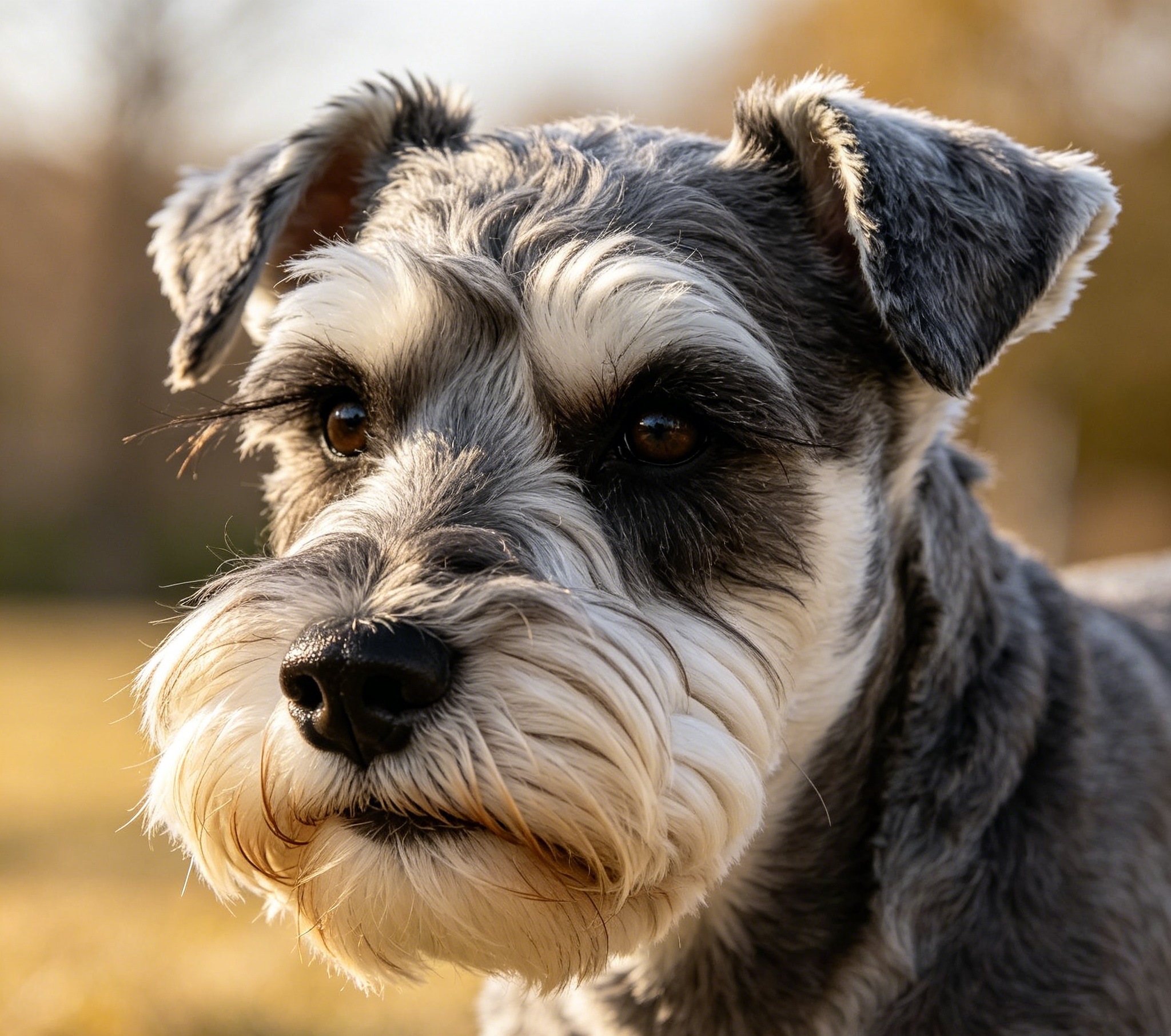
What a Standard Schnauzer Asks of a Household
| Daily constraint | Score | What it changes | |—|—|—| | Daily work | 5/5 | An hour of movement is only a baseline; training, scent work, or sport gives the working mind somewhere to go. | | Visitor management | 5/5 | The dog needs a practiced response to the door, delivery traffic, and people entering its space. | | Beard care | 4/5 | Water, food, and mud collect in the furnishings, making cleaning and drying part of ordinary life. | | Off-leash margin | 4/5 | Recall and impulse control need deliberate training before open spaces are considered safe. | | First-dog margin | 3/5 | A prepared beginner can succeed, but inconsistent rules are quickly noticed and tested. |
Standard Schnauzer Quick Facts
| Trait | What to Expect |
|---|---|
| Size | Medium, 17 to 20 inches tall, 30 to 50 pounds |
| Temperament | Alert, intelligent, spirited, and protective |
| Energy level | High; a genuine working dog |
| Exercise needs | An hour or more daily plus mental challenges |
| Grooming needs | High; hand-stripping or clipping plus frequent brushing |
| Apartment friendly | Possible with hard exercise and barking managed |
| Good with families | Excellent for active, engaged households |
| Common concerns | Hip dysplasia, eye disorders, dilated cardiomyopathy, allergies |
| Best for | Owners who want a trainable, watchful, do-it-all companion |
| Not ideal for | Sedentary homes or those who dislike grooming and barking |
Standard Schnauzer Temperament
A Standard Schnauzer has a strong personality and a quick, sometimes mischievous mind. It often bonds closely with its family while keeping a watchful eye on strangers. That makes it useful as an alert companion, but not automatically easy around every visitor. Socialization and a taught settle behavior matter because the dog may interpret inconsistent household rules as permission to manage the room itself.
What surprises many owners is the breed’s sense of humor and stubborn cleverness. Standard Schnauzers are smart enough to learn fast and smart enough to test the rules, inventing their own games and finding the loophole in any inconsistent routine. They thrive on having a job, whether that is dog sports, obedience, or simply being included in family activity. A Schnauzer left alone and unstimulated for long stretches will usually find trouble, often loud, destructive trouble.
The breed is generally very good with children in its own family, playful and patient, though its high energy means supervision with very small kids is sensible.
How a Standard Schnauzer Uses Its Energy
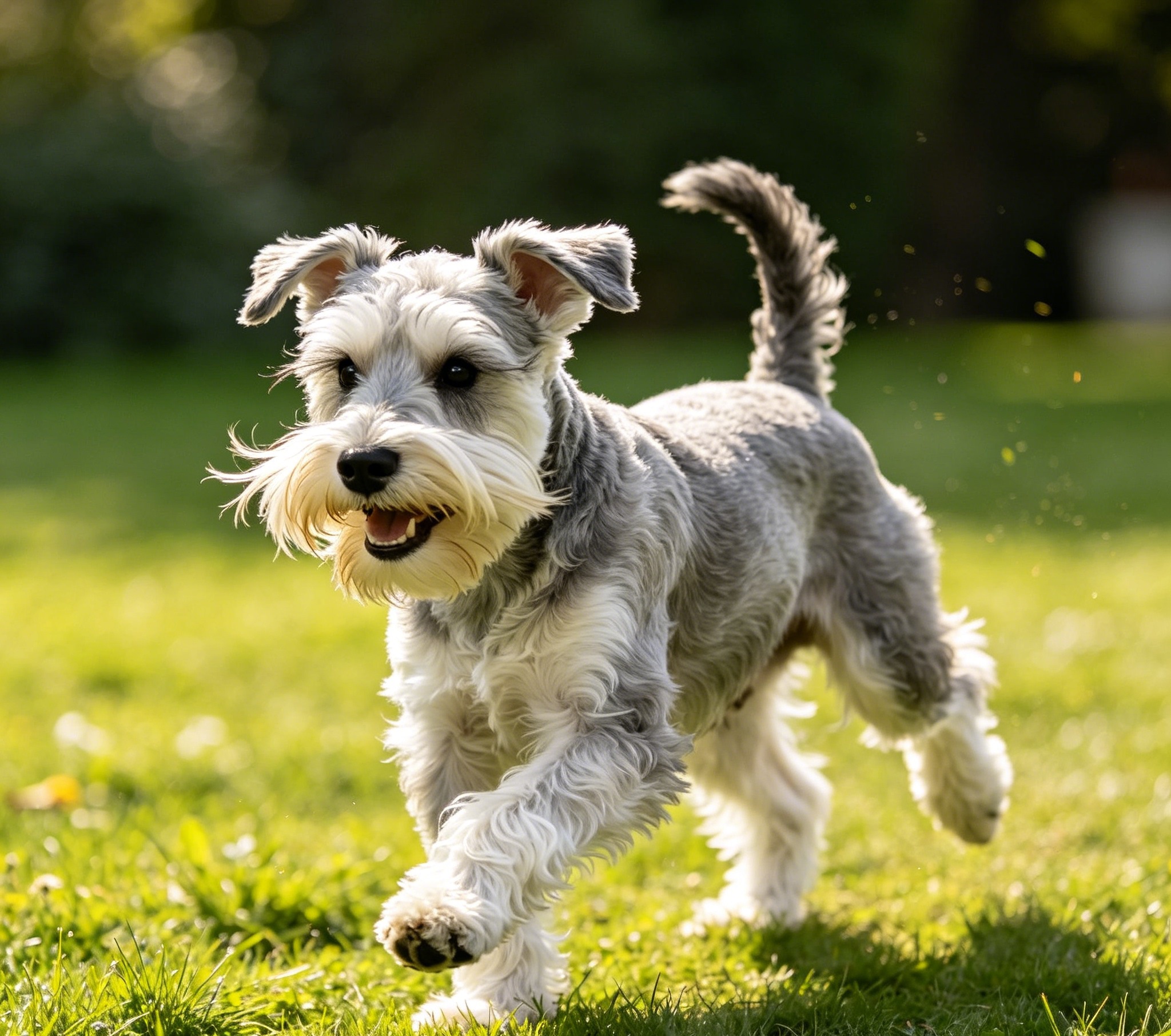
This is a high-energy working breed, and treating it like a couch companion is the fastest route to behavior problems. A Standard Schnauzer needs a real hour or more of activity every day, and the work has to reach the brain as well as the legs. A long walk is a fine start, but a dog this clever also needs problems to solve.
Productive outlets include:
- Brisk walks, jogs, or hikes that let the dog cover ground and explore.
- Dog sports such as agility, rally, obedience, or tracking, all of which Schnauzers excel at.
- Fetch and tug games that channel the breed’s drive and love of play.
- Puzzle feeders, scent games, and trick training to tire the mind.
Because Standard Schnauzers were bred for endurance and have weather-resistant coats, they tolerate exercise in cool conditions well. Use common sense in heat and keep fresh water handy on long outings. A Schnauzer that does not get enough physical and mental work tends to bark, dig, and chew its way to your attention.
Coat Care in a Standard Schnauzer Home
The wiry double coat is low-shedding, which the breed is rightly praised for, but it asks for serious upkeep in return. The coat consists of a soft undercoat under a harsh, wiry topcoat, and that texture only stays correct with the right grooming. Show dogs and many serious owners hand-strip the coat, plucking dead hairs to maintain the proper harsh jacket and rich color. Most pet owners clip instead every five to eight weeks, which is simpler but softens the texture and can dull the salt-and-pepper coloring over time.
Between grooming sessions, plan on:
- Brushing the body two or three times a week to prevent mats.
- Frequent attention to the beard and leg furnishings, which trap food, water, and mud and need cleaning almost daily.
- Regular ear checks, since the breed is prone to wax buildup.
- Routine nail trims and consistent dental care.
That glorious beard is a magnet for grime, so be ready for a damp, slightly messy face after every meal and drink. The low-shedding coat is a genuine perk for allergy-conscious homes, but it is earned through steady grooming, not avoided.
Common Standard Schnauzer Health Issues
The Standard Schnauzer is one of the healthier purebred dogs, but a few conditions warrant attention. Hip dysplasia, a malformation of the hip joint, appears in the breed, so reputable breeders screen breeding stock with hip evaluations. Several inherited eye disorders occur, making annual eye exams and breeder eye certifications worthwhile. The breed can also be affected by dilated cardiomyopathy, a heart-muscle disease, which is one reason periodic veterinary checkups matter as the dog ages. Skin allergies and follicular conditions are not uncommon and can show up as itching or coat trouble.
When you talk with a breeder, ask to see hip and eye clearances on both parents and inquire whether heart problems have appeared in their lines. A breeder who tests and shares results candidly is doing right by the breed.
If your Schnauzer develops a chronic cough, exercise intolerance, fainting, persistent itching, or cloudiness in the eyes, have a veterinarian evaluate it promptly rather than waiting.
Meals and Body Condition for a Standard Schnauzer
Standard Schnauzers are active and muscular, and a fit one should look athletic with a visible waist, not blocky. Feed a quality diet matched to the dog’s age and activity level, split across two meals. Because this is a working breed, an active adult genuinely burns calories, but a Schnauzer that is under-exercised can still gain weight, which strains the hips and heart.
Sensible habits:
- Measure portions rather than free-feeding, and adjust as activity rises and falls with the seasons.
- Count training treats in the daily calories, since this trainable breed earns a lot of them.
- Feel for the ribs and check the waistline regularly instead of trusting the scale alone.
- Some Schnauzers are sensitive to high-fat diets, so introduce rich foods cautiously and ask your vet if digestive upset recurs.
Keeping a working dog lean protects its joints and supports the stamina the breed is built for.
Teaching a Standard Schnauzer Useful Habits
A Standard Schnauzer is as rewarding to train as it is quick to exploit a lazy trainer. These dogs are highly intelligent and eager to work, which means they learn quickly, but they are also independent thinkers who respect consistency and lose interest in repetition. Positive, engaging, varied training brings out the best in them; nagging or harsh handling brings out the stubborn streak.
What works with this breed:
- Start socialization and training early to channel the natural watchfulness before it hardens into suspicion.
- Keep sessions interesting and varied so a smart dog stays engaged and does not anticipate every cue.
- Use rewards generously and be scrupulously consistent, because a Schnauzer notices and tests every inconsistency.
- Give the dog a job, whether a sport, a trick repertoire, or a daily routine of tasks, to satisfy its working drive.
- Teach a solid “quiet” cue early, since the breed’s alert nature makes barking a common complaint.
Channel the intelligence productively and you get a brilliant partner; ignore it and the dog will find its own, less convenient outlets.
Pros and Cons of Standard Schnauzers
| Pros | Cons |
|---|---|
| Highly intelligent and very trainable | Needs serious daily physical and mental work |
| Low-shedding, allergy-friendlier coat | High grooming demands and a grimy beard |
| Excellent, devoted family watchdog | Can be territorial and prone to barking |
| Versatile athlete for dog sports | Independent, stubborn streak tests new owners |
| Generally robust and long-lived | Bored or under-exercised, it gets destructive |
The Standard Schnauzer Phase Beginners Rarely See Online
Standard Schnauzer adolescence can be more demanding than tidy adult photographs suggest. The dog begins testing doors, visitors, leash rules, and whether a cue still applies when something moves. A harsh coat also needs a real maintenance decision: clipping is practical but changes texture, while hand stripping takes skill and time. The difficult part is coordinating physical work, mental work, and calm household behavior without turning vigilance into nonstop barking.
Standard Schnauzer Advice by Home and Handler
An apartment puts the watchdog beside every sound
The breed can settle in limited space after substantial activity, but hallway traffic and long alone days are difficult. Train a place cue away from the door and provide structured walking, scent games, and obedience. A bored Schnauzer may create a job that the neighbors hear.
A yard can become a patrol route
A secure yard helps with play and training but can strengthen fence running if access is unsupervised. Call the dog away from boundaries, manage views, and continue outings beyond the property. Visitors need a predictable entry routine rather than an improvised struggle at the door.
A new owner needs a plan for adolescence
Continue classes after puppy basics, practice cooperative grooming, and teach recovery after excitement. This breed notices weak rules quickly. A first-time owner should avoid encouraging guard behavior and instead reward neutrality, recall, and the ability to rest.
Experienced working-dog homes should vary the work
Skilled owners can use tracking, rally, agility foundations, or advanced obedience, but repetition without purpose may lose the dog. Mix demanding tasks with simple decompression and avoid mistaking constant alertness for productive engagement.
Standard Schnauzer Myths With Practical Consequences
A Standard Schnauzer is just a larger Miniature Schnauzer
The varieties share a name and outline but have distinct development and working emphasis. Size changes strength and management, while individual lines differ. Choose from the Standard’s actual temperament and workload, not an enlarged image of another variety.
The wiry coat barely needs grooming
Low loose-hair levels do not remove coat work. Beard cleanup, combing, nail care, and either clipping or hand stripping remain regular jobs. A neglected beard also carries water and food through the house.
For a practical planning check, use the dog cost calculator to include advanced training, coat maintenance, durable enrichment, secure fencing, dog walking, and a health reserve for a medium working dog. The dog fit score cards can help you compare visitor traffic, shared-wall noise, exercise time, grooming preference, and comfort managing an independent watchdog.
Is a Standard Schnauzer Right for You?
This breed suits an active, hands-on owner who wants a dog deeply involved in daily life: a hiking partner, a sport prospect, a watchful companion, and a clever sidekick all in one. If you enjoy training, can provide an hour or more of real exercise and mental work, and do not mind committing to regular grooming, the Standard Schnauzer pays you back with loyalty, brains, and versatility.
It is a poor fit for a quiet, sedentary household, for someone who wants a low-effort dog, or for anyone unprepared for grooming costs and a vocal natural guardian. Under-stimulated, this breed becomes a problem dog fast.
For comparison, read the Doberman Pinscher guide, the Scottish Terrier guide, or the Beagle guide. Comparing a working breed against a hound and a small terrier highlights just how much daily engagement the Schnauzer demands.
The Standard Schnauzer Decision
The Standard Schnauzer is a true all-rounder: smart, athletic, loyal, and watchful, with a low-shedding coat and a working dog’s drive. For the right person, it is one of the most rewarding medium breeds available, equally happy competing in agility, guarding the home, or trotting along on a weekend hike. But it is a dog that demands engagement, both physical and mental, and it will not thrive on a quiet, hands-off lifestyle.
If you want a clever, capable partner and are ready to train, exercise, and groom one properly, the Standard Schnauzer will reward the effort many times over. If you want a calm, low-maintenance companion, this energetic German working dog is likely more than you bargained for.