
The Central Asian Shepherd Dog is an ancient livestock guardian from the vast regions of Central Asia, where dogs had to survive harsh climates, protect flocks, and make decisions without constant human direction. The result is a large, self-assured, quiet, and fearless guardian with a strong sense of territory.
This breed can be deeply loyal to its family, but it is not an easy companion dog. It was shaped by work, pressure, and survival rather than by a desire to please strangers. Anyone interested in a Central Asian Shepherd should think less about the impressive size and more about daily management, socialization, fencing, and long-term responsibility.
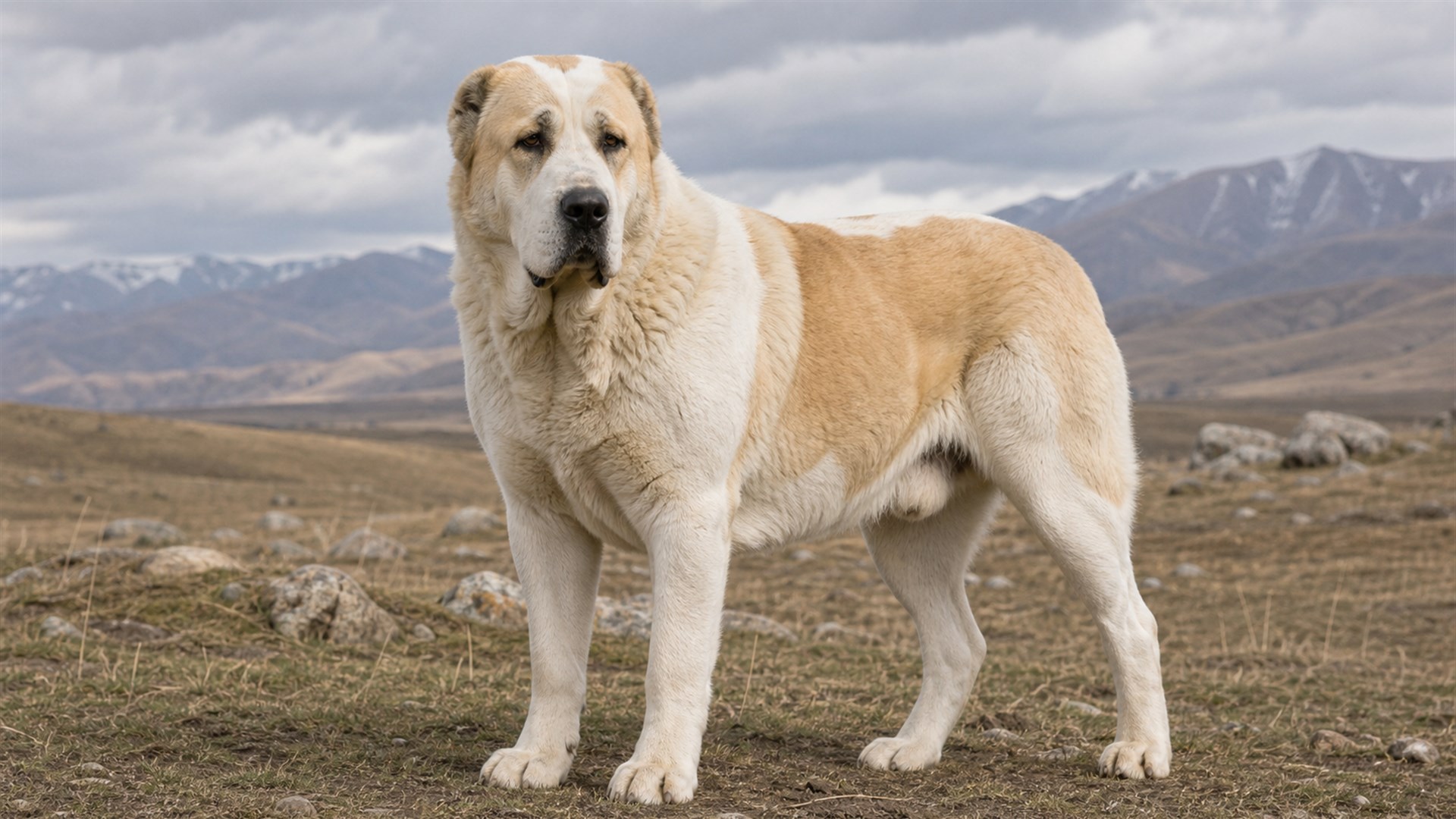
Central Asian Shepherd Dog Quick Facts
| Trait | What to Expect |
|---|---|
| Size | Giant guardian, often about 90 to 150 pounds or more |
| Temperament | self-assured, quiet, independent, territorial, loyal, courageous |
| Energy level | Moderate |
| Exercise needs | daily walks, secure space, and purposeful mental work |
| Grooming needs | moderate brushing; heavier during seasonal shedding |
| Apartment friendly | No |
| Good with families | Possible for experienced homes with strong management |
| Common concerns | hip and elbow dysplasia, bloat, obesity, heat stress, injuries |
| Best for | experienced owners with secure property and guardian-breed knowledge |
| Not ideal for | first-time owners, dense cities, dog parks, or weak handlers |
Containment, Access, and Guardian Boundaries
| Fit Factor | Score | What It Means | |—|—|—| | Apartment Fit | 1/5 | Needs secure property, space, and strong boundaries. | | First-Time Owner Fit | 1/5 | Independence and guarding instinct make this a demanding breed. | | Family Fit | 3/5 | Loyal to its own people, but management around visitors is serious. | | Exercise Demand | 3/5 | Moderate movement needs, with space and structure more important than speed. | | Grooming Difficulty | 2/5 | Weekly brushing is typical, with heavier seasonal coat blow. | | Training Difficulty | 5/5 | Independent decision-making requires experienced handling. |
Central Asian Shepherd Dog Temperament
The Central Asian Shepherd Dog is calm, proud, and independent. It tends to conserve energy, observe its surroundings, and act when it believes action is necessary. That quiet confidence is one of the breed’s defining traits, but it can also make the dog difficult for owners who expect instant obedience.
With its own family, the breed can be loyal and steady. With strangers, it is typically reserved or suspicious, and with strange dogs it may be territorial or assertive. These traits are not accidents. They are the instincts of a guardian developed to protect property and livestock in demanding environments.
Early socialization is essential, but it should be realistic. The goal is not to make a Central Asian Shepherd love every stranger. The goal is to help the dog recognize normal life, remain calm under control, and accept the owner’s judgment.
How a Central Asian Shepherd Dog Uses Its Energy
This breed has moderate exercise needs compared with high-drive herding or sporting dogs. It does not need endless running, but it does need daily structure and space. Without secure boundaries and purpose, a Central Asian Shepherd may patrol, bark, dig, roam, or decide that more of the neighborhood belongs to it than the owner intended.
Useful exercise includes:
- One or two controlled leash walks each day.
- Time in a large, securely fenced area.
- Calm training sessions focused on control and cooperation.
- Low-impact movement during puppy growth.
- Shorter sessions in hot weather to reduce heat stress.
Secure fencing is part of responsible ownership. A giant guardian that escapes is not just an inconvenience; it is a serious risk to the dog, other animals, and the community.
Coat Care in a Central Asian Shepherd Dog Home
Central Asian Shepherd Dogs usually have a practical double coat that protects them from harsh weather. Coat length varies, but most dogs need weekly brushing to remove loose hair and prevent matting in thicker areas.
During seasonal shedding, expect a much heavier coat blow. Basic care includes:
- Weekly brushing most of the year.
- More frequent brushing during seasonal shedding.
- Nail trimming from puppyhood, before the dog becomes difficult to handle.
- Ear and skin checks after outdoor work.
- Dental care and routine veterinary exams.
Start handling exercises early. A fully grown Central Asian Shepherd that resists nail trims or vet exams is hard to manage safely.
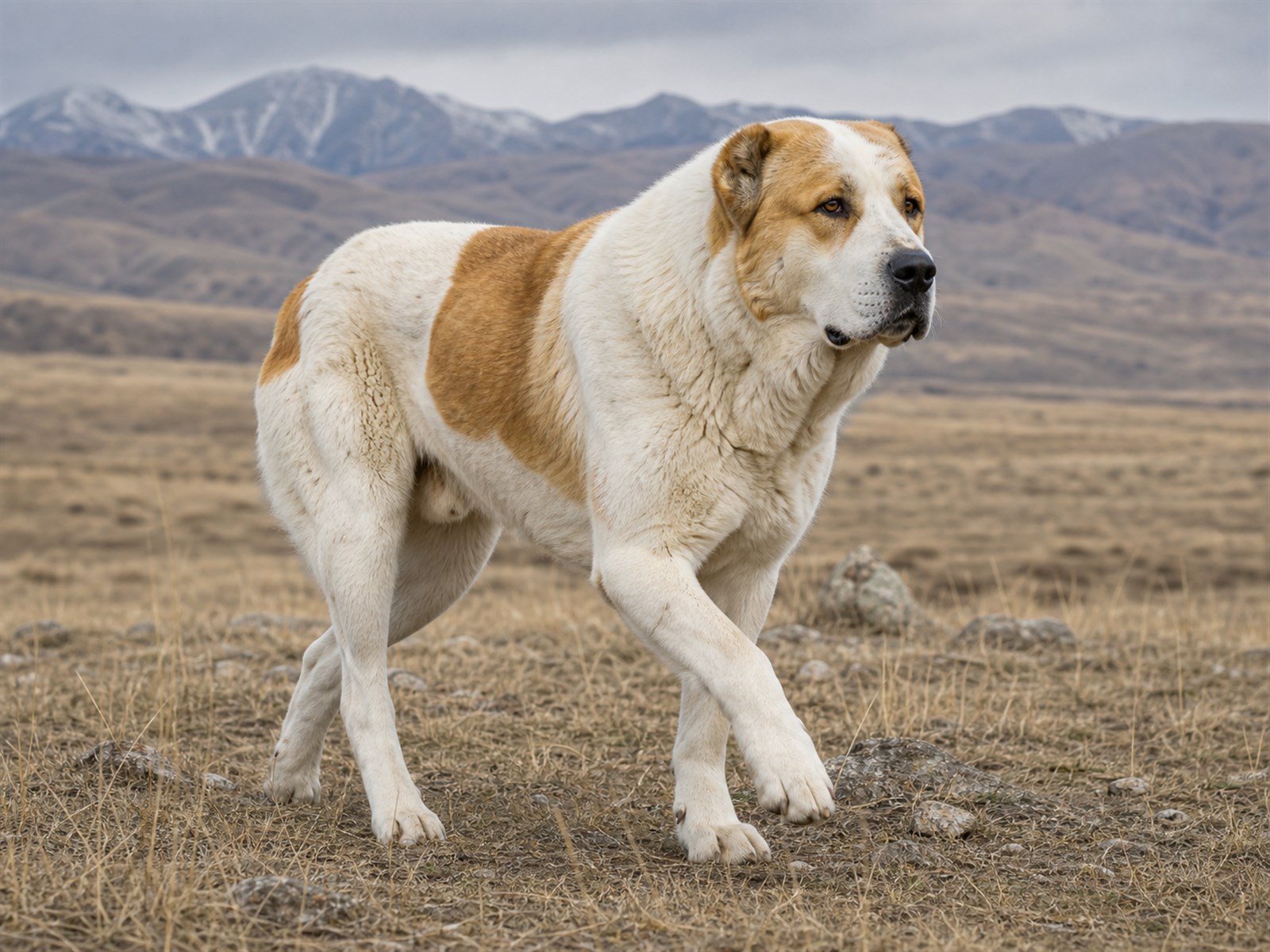
Common Central Asian Shepherd Dog Health Issues
Giant guardian breeds commonly face orthopedic concerns. Hip and elbow dysplasia are important risks, and keeping the dog lean helps reduce avoidable joint stress. Responsible breeders should be able to discuss health screening, temperament, and the maturity of their lines honestly.
Bloat is another potential emergency in large deep-chested dogs. Warning signs can include a swollen abdomen, retching without producing vomit, pacing, drooling, weakness, or sudden distress. Seek emergency veterinary care if these signs appear.
Because these dogs may work outdoors or patrol large areas, owners should also watch for torn pads, wounds, parasites, overheating, and subtle lameness. A stoic guardian may not advertise pain clearly, so routine hands-on checks matter.
Meals and Body Condition for a Central Asian Shepherd Dog
The Central Asian Shepherd should mature slowly and stay lean. Extra weight makes orthopedic problems worse and can shorten a giant dog’s comfortable working life. Do not feed for maximum size; feed for steady growth, muscle, and sound movement.
Practical feeding guidance:
- Use a large- or giant-breed puppy diet during growth when appropriate.
- Measure meals rather than free-feeding.
- Avoid high-impact exercise around meals.
- Adjust calories to workload, age, climate, and body condition.
- Ask a veterinarian to help assess ideal weight under the coat.
Hands-on checks are important because thick coats and heavy frames can hide weight gain until it becomes obvious.
Teaching a Central Asian Shepherd Dog Useful Habits
Training a Central Asian Shepherd is about partnership and control, not trick performance. The breed is intelligent, but its intelligence was shaped by independent decision-making. It may question commands, ignore repetition, and take charge if the owner is inconsistent.
Focus on:
- Early socialization with calm, positive exposure.
- Leash control before size becomes overwhelming.
- Reliable gates, doors, crate, vehicle, and grooming routines.
- Clear rules around visitors, fences, food, and other animals.
- Professional help from a trainer who understands guardian breeds.
Avoid harsh confrontations. A powerful defensive dog that feels threatened or confused can become harder to handle. Fair, consistent, confident training is the safer path.
Pros and Cons of Central Asian Shepherd Dogs
| Pros | Cons |
|---|---|
| Calm, courageous, and deeply loyal | Not suitable for most first-time owners |
| Strong natural guardian instincts | Territorial and often wary of strangers |
| Moderate exercise needs for a giant breed | Requires secure property and careful management |
| Hardy and practical working-dog background | Independent and not eager to obey |
| Impressive presence and self-control when well raised | Large-breed health risks and serious liability if mishandled |
Central Asian Shepherd Owners Manage Access Before Obedience
Daily life with a Central Asian Shepherd revolves around access: who can enter, where the dog can move, and what happens when the owner is absent. A serious guardian may be calm for long periods and act decisively when a boundary changes. Socialization supports stability but does not produce a public social dog. Fencing, gates, legal rules, insurance, veterinary handling, and qualified backup care are breed requirements.
Central Asian Shepherd Advice by Property and Experience
Apartment life is not a responsible fit
Shared entrances, elevators, visitors, limited territory, and close neighbors conflict with the breed’s size and guardian role. Management failure carries high consequences. Choose a different dog.
A house needs working-grade containment
Use tall secure fencing, locked gates, secondary barriers, and a visitor protocol. Rural space should not mean unfenced roaming. Confirm local law and insurance before the dog arrives.
This should not be a first serious guardian
Beginners need a more forgiving breed. Anyone proceeding should have relevant hands-on experience, qualified local support, and a clear purpose for the dog. Trial-and-error handling is unsafe.
Experienced guardian homes audit weak points
Condition a muzzle, transport, confinement, and veterinary handling. Decide who manages the dog during illness or travel. Avoid dog parks, casual greetings, and tests of control that add risk without value.
Central Asian Shepherd Myths With Serious Consequences
Early socialization makes the dog friendly with everyone
Good socialization helps a dog understand normal life but does not erase guardian genetics. Reserve and territorial behavior may remain, requiring lifelong management.
A calm guardian is safe to take anywhere
Calm at home does not predict behavior in crowded public settings or around unfamiliar dogs. Stable management respects context and avoids unnecessary exposure.
For a practical planning check, use the dog cost calculator to include professional fencing, gates, training, muzzle work, giant transport, insurance, legal checks, specialist boarding, and medical reserves. The dog fit score cards can help you compare guardian experience, property security, visitors, neighbors, other animals, local rules, and access to professionals who can handle the breed.
Is a Central Asian Shepherd Dog Right for You?
This breed suits experienced owners with secure property, realistic expectations, and a genuine reason to own a serious guardian. It can be rewarding for people who appreciate independent working dogs and are willing to manage territory, visitors, other animals, and training for the dog’s whole life.
It is a poor fit for apartments, casual ownership, dog parks, weak fencing, or homes where many strangers come and go. If you are comparing guardian breeds, read the Kangal Dog guide, the Tibetan Mastiff guide, and the Cane Corso guide. Similar size does not mean similar handling.
The Central Asian Shepherd Dog Decision
The Central Asian Shepherd Dog is a serious, ancient guardian with courage, independence, and quiet authority. For the right owner on the right property, it can be a loyal and capable protector.
For most homes, however, it is too much dog. Choose it only if you understand the guardian mindset, can provide secure containment, and are ready for lifelong management.