
A Kangal Dog belongs in a very small set of homes. The question is not whether someone likes big, calm-looking guardians; it is whether there is a genuine working purpose, secure property, distance from neighbors, and experience making responsible decisions for an independent giant dog. Without that foundation, the breed’s impressive character can create more management than companionship.
This breed is not a casual backyard status symbol. A Kangal is first and foremost a working guardian, shaped to think independently, patrol territory, and bond deeply with the animals or family under its care. Owners who understand that heritage may admire the breed’s steadiness. Owners who expect easy obedience or instant friendliness with strangers will struggle.
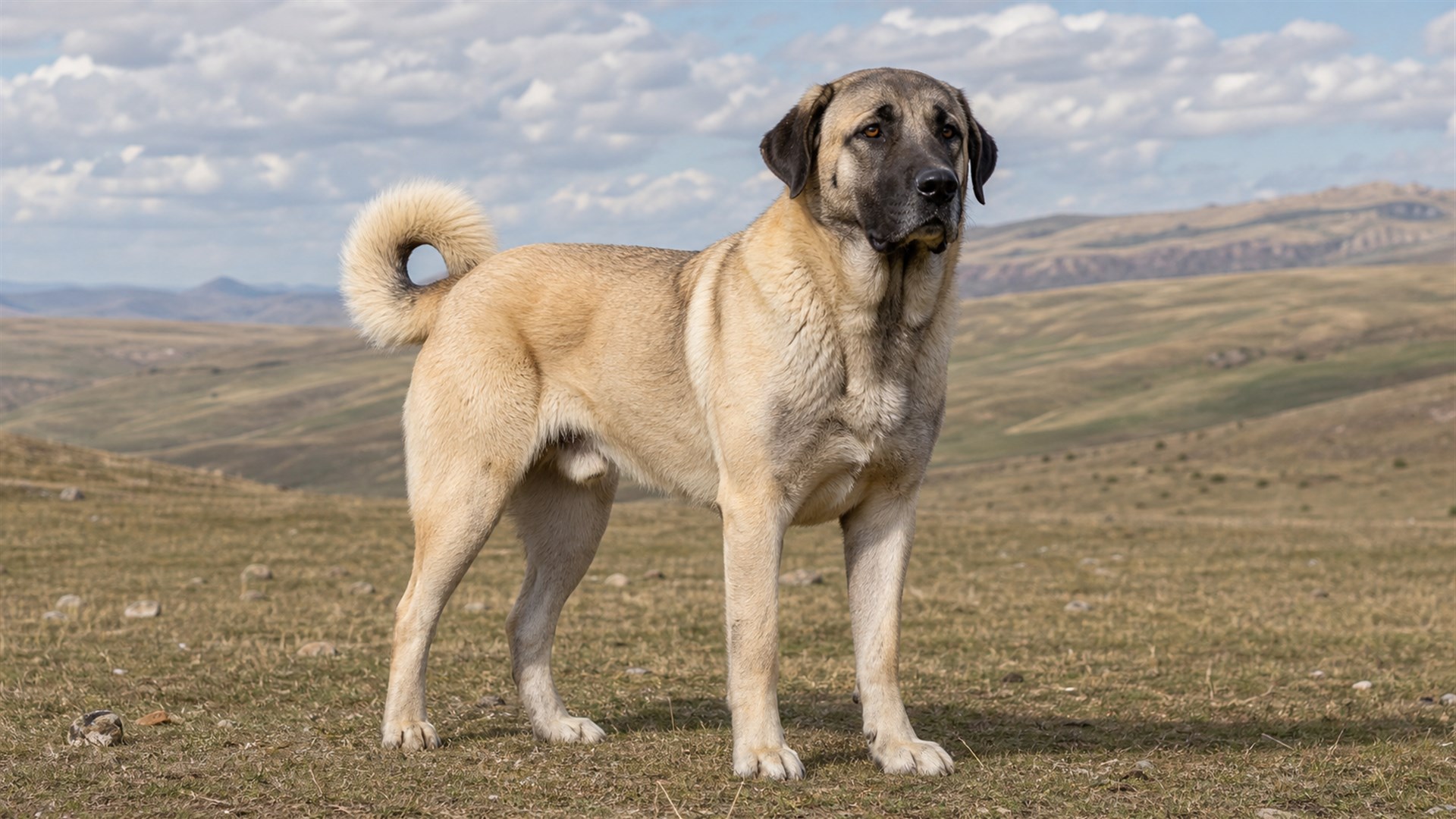
Kangal Dog Quick Facts
| Trait | What to Expect |
|---|---|
| Size | Giant guardian, often about 90 to 145 pounds or more |
| Temperament | calm, alert, territorial, independent, loyal, reserved with strangers |
| Energy level | Moderate |
| Exercise needs | daily walks, room to patrol, and controlled mental work |
| Grooming needs | moderate brushing for a dense double coat |
| Apartment friendly | No |
| Good with families | Possible with experienced owners and careful management |
| Common concerns | hip and elbow dysplasia, bloat, obesity, heat stress, working injuries |
| Best for | experienced rural owners who understand livestock guardian dogs |
| Not ideal for | first-time owners, cities, dog parks, or homes with weak fencing |
Kangal Fit Is a Property Question
| Fit Factor | Score | What It Means |
|---|---|---|
| Apartment Fit | 1/5 | Needs secure outdoor space and a setting where guardian instincts can be managed. |
| First-Time Owner Fit | 1/5 | Too independent, powerful, and territorial for casual beginners. |
| Family Fit | 3/5 | Can be devoted in experienced homes, but visitor and child management matter. |
| Exercise Demand | 3/5 | Moderate stamina, but needs patrol space and purposeful daily movement. |
| Grooming Difficulty | 2/5 | Coat care is manageable, with heavier seasonal shedding. |
| Training Difficulty | 5/5 | Cooperation depends on guardian-breed experience, consistency, and containment. |
Kangal Dog Temperament
The Kangal Dog is calm until it has a reason not to be. Around its own flock or family, it is often steady, quiet, and deliberate, preferring to observe rather than waste energy. That calm should not be mistaken for softness. When the dog judges a threat as real, its guarding instinct is serious and immediate.
Kangals are usually reserved with strangers and instinctively wary of strange dogs. Many are not naturally belligerent toward people when properly raised, but they are not designed to greet the world like a retriever. Their job was to assess, deter, and if needed confront predators, so owner judgment and containment matter enormously.
Independence is central to the breed. A Kangal working with livestock may need to make decisions without a person nearby. That makes the dog intelligent and capable, but not blindly obedient. The owner must earn cooperation through consistency, respect, and early education.
Purposeful Patrols on Secure Land
The Kangal is not a hyperactive dog, but it does need purposeful daily movement. A bored guardian with no outlet and no structure may bark, roam, dig, patrol obsessively, or challenge weak boundaries. Secure space matters more than speed, and fencing is not negotiable.
A suitable routine includes:
- Long, controlled leash walks for exercise and social exposure.
- Access to a large, secure area to patrol.
- Calm training for handling, recall, leash manners, and impulse control.
- Low-impact movement while puppies grow.
- Heat-aware scheduling, since large double-coated dogs can overheat.
This is not a dog-park breed. Strange dogs, loose dogs, and chaotic greetings can trigger the exact guardian responses owners are trying to manage. Controlled exposure is useful; uncontrolled encounters are risky.
Seasonal Undercoat and Outdoor Debris
The Kangal’s coat is moderately short but dense, with a protective double layer suited to outdoor work. Weekly brushing is usually enough for routine care, but seasonal shedding can be heavy and may require several brushing sessions a week.
Basic care should include:
- Brushing once or twice weekly, more during coat blow.
- Checking ears, feet, and skin after outdoor work.
- Keeping nails short enough for sound movement.
- Brushing teeth regularly.
- Bathing only as needed, since the coat naturally sheds dirt.
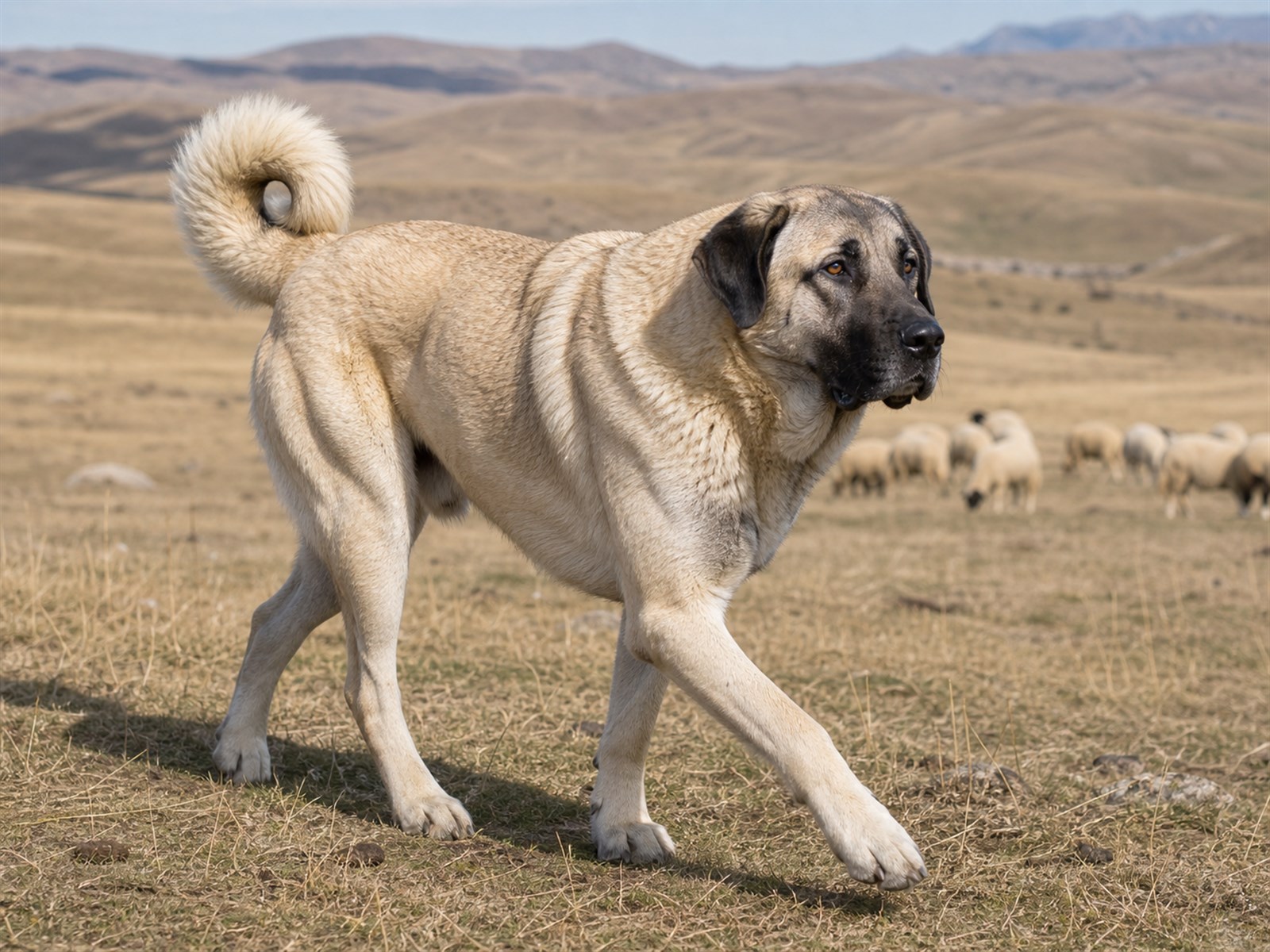
Common Kangal Dog Health Issues
Like other giant working breeds, Kangals can face hip and elbow dysplasia, especially if genetics, rapid growth, excess weight, or poor conditioning work against them. Responsible breeders should be willing to discuss orthopedic screening, temperament, working ability, and longevity.
Bloat is another concern for deep-chested large dogs. A swollen abdomen, unproductive retching, pacing, drooling, or sudden distress should be treated as an emergency. Outdoor working dogs may also pick up cuts, torn pads, heat stress, parasites, or injuries that are easy to miss under a dense coat.
Keep veterinary care practical and preventive. Ask a veterinarian about growth, ideal weight, parasite control, vaccines, working-dog conditioning, and any lameness, appetite change, eye irritation, or unusual behavior.
Giant-Dog Nutrition Without Rapid Growth
A fit Kangal should be strong, not soft. The breed can look massive even when lean, so hands-on body condition checks are more reliable than staring at the outline. You should be able to feel the ribs with light pressure and see a waist from above.
Feeding tips:
- Use a large- or giant-breed puppy diet during growth if recommended by your veterinarian.
- Avoid pushing size with excess calories or supplements.
- Feed measured meals, usually twice daily.
- Keep heavy exercise away from mealtimes to reduce bloat risk.
- Adjust food to actual workload, weather, age, and body condition.
Weight control protects joints and stamina. A guardian that is too heavy loses the efficient movement it was bred to have.
Management Before Obedience
Training a Kangal starts with respect for the breed’s purpose. The goal is not to turn it into a people-pleasing obedience dog. The goal is a safe, calm, manageable guardian that understands household rules, accepts handling, and can be controlled when the owner needs control.
Important priorities:
- Start socialization early, before suspicion hardens.
- Teach leash manners while the dog is still physically manageable.
- Condition the dog to grooming, vet handling, vehicle rides, gates, and restraint.
- Build recall in safe fenced areas, but do not rely on off-leash control in public.
- Avoid harsh methods that can create conflict with a strong, defensive breed.
If you are new to livestock guardians, work with a trainer or mentor who knows these dogs. Generic puppy advice often fails when applied to a giant independent guardian.
Pros and Cons of Kangal Dogs
| Pros | Cons |
|---|---|
| Calm, courageous livestock guardian | Not suitable for casual pet homes |
| Loyal and steady with its own family or flock | Naturally territorial and wary of strange dogs |
| Dense coat is practical and not overly long | Seasonal shedding can be heavy |
| Moderate exercise needs for a giant dog | Needs strong fencing and rural space |
| Intelligent and self-reliant | Independent nature resists routine obedience expectations |
Kangal Myths Built for Social Media
A bite-force ranking tells you whether a Kangal is the best guardian
Viral numbers are often poorly sourced and say little about stability, livestock judgment, health, or owner fit. Guardian quality cannot be reduced to one dramatic measurement.
Family socialization makes a Kangal a suburban pet
Attachment to family can coexist with territory, barking, roaming, and suspicion of unfamiliar animals. Socialization does not remove the working purpose or need for suitable land.
In the dog cost calculator, start with secure acreage fencing, gates, shelter, giant-dog food and medication, livestock integration, transport, insurance, training support, and a serious medical reserve. The dog fit score cards can then test the non-negotiables: livestock purpose, acreage, predator context, neighbor distance, guardian experience, local rules, and access to veterinary and backup care that can actually handle the dog.
Is a Kangal Dog Right for You?
A Kangal may be right for you if you have secure rural property, livestock or a genuine guardian-dog purpose, experience with powerful dogs, and the patience to socialize and manage an independent breed. It is best owned by someone who values calm judgment more than flashy obedience.
It is not a good fit for apartments, busy neighborhoods, dog parks, or owners who want a giant dog mainly for appearance. Start with the Kangal vs Great Pyrenees comparison, then read the Central Asian Shepherd Dog guide and the Caucasian Shepherd Dog guide. These guardians differ in coat, intensity, sociability, and management.
The Property Is Part of the Breed
Start with a property map. Mark fences, gates, livestock areas, delivery routes, public boundaries, and the place used during visits. Then define what the Kangal is expected to guard. Dense housing creates repeated conflict with normal guardian behavior, regardless of the owner’s intentions.
A suburban companion frame understates what Kangal ownership involves. Space, secure boundaries, livestock-aware handling, and tolerance for independent decisions are central requirements. The budget must cover giant-dog transport, working-dog veterinary access, fencing maintenance, and public safety management.
Questions That Separate a Working Home From a Pet Home
What will the dog actually guard?
A Kangal developed for livestock protection needs a clear environment and careful introduction to the animals in its care. A large yard without stock does not recreate that job. Owners seeking a suburban companion should examine whether the dog’s territorial judgment, night activity, and response to unfamiliar dogs can be managed safely in that setting.
Can the property contain an independent guardian?
Walk the full boundary and look for livestock gates, drainage gaps, weak wire, neighboring dogs, and public paths. The dog should not be able to patrol beyond the property line. Secure fencing needs regular maintenance, and vehicle gates need a routine that prevents accidental release. A visual boundary or recall cue is not enough when the dog has made its own assessment.
Is large-dog care available nearby?
Check whether local veterinary clinics can examine and safely move a dog of this size. Plan transport before an injury occurs, and teach cooperative handling and muzzle comfort while the dog is young. Rural distance changes emergency planning. Food delivery, parasite prevention, boarding, and trained backup care also deserve answers before the owner travels.
A Narrow but Legitimate Kangal Home
The Kangal Dog is a magnificent Turkish livestock guardian: calm, powerful, loyal, and highly capable when matched with the right job and owner. Its appeal is real, but so is the responsibility.
Choose this breed only if you understand independent guardian dogs and can provide secure space, socialization, and lifelong management. Without that, the Kangal’s strengths become problems instead of assets.