
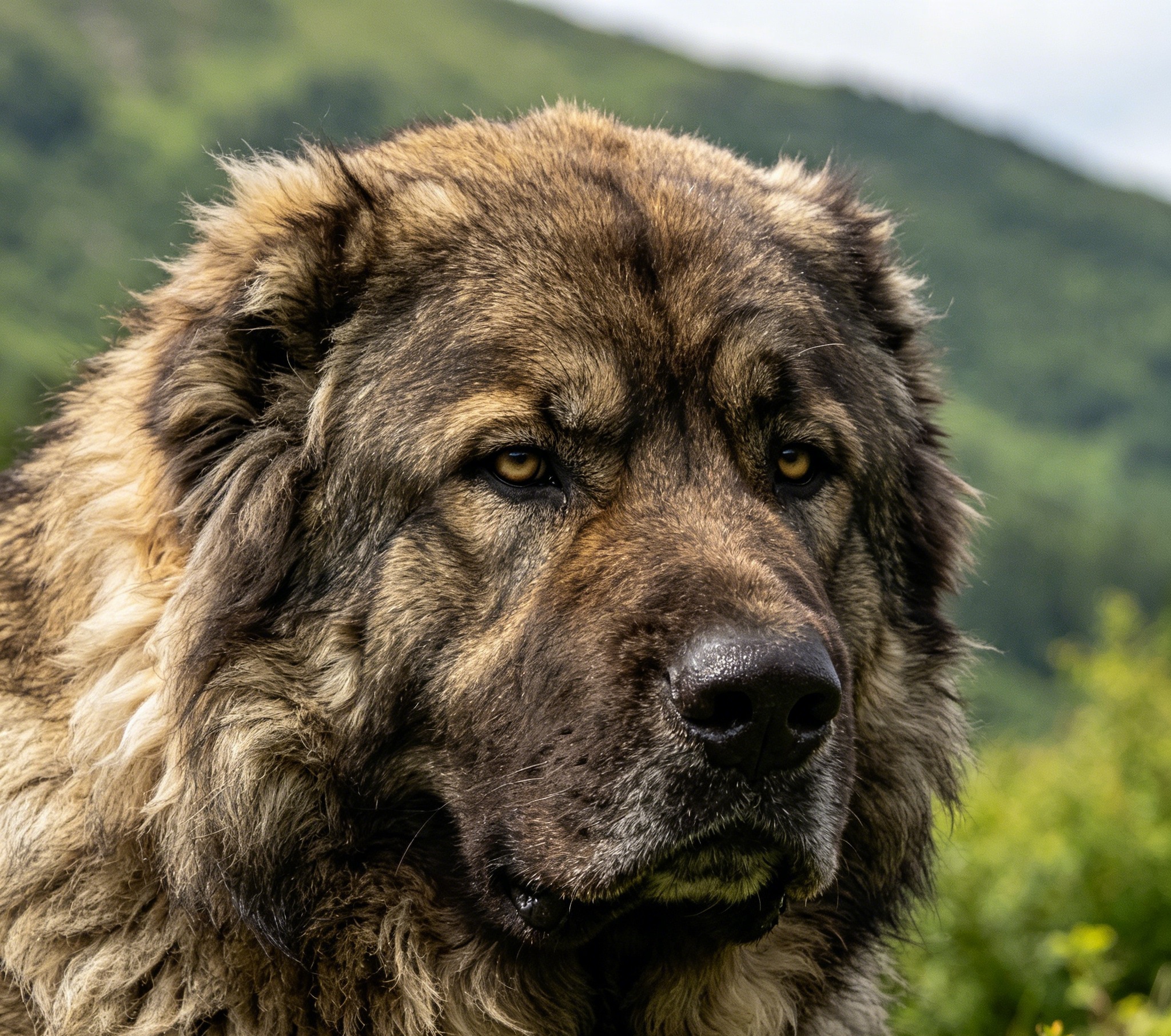
The Caucasian Shepherd Dog, also called the Caucasian Ovcharka, was shaped over centuries in the mountains between the Black and Caspian Seas to do one job supremely well: stand alone against wolves, bears, and thieves to protect livestock. That history is not a quaint footnote. It is the entire personality of the dog, and it explains why this is a breed reserved for genuinely experienced, committed owners and never a casual choice.
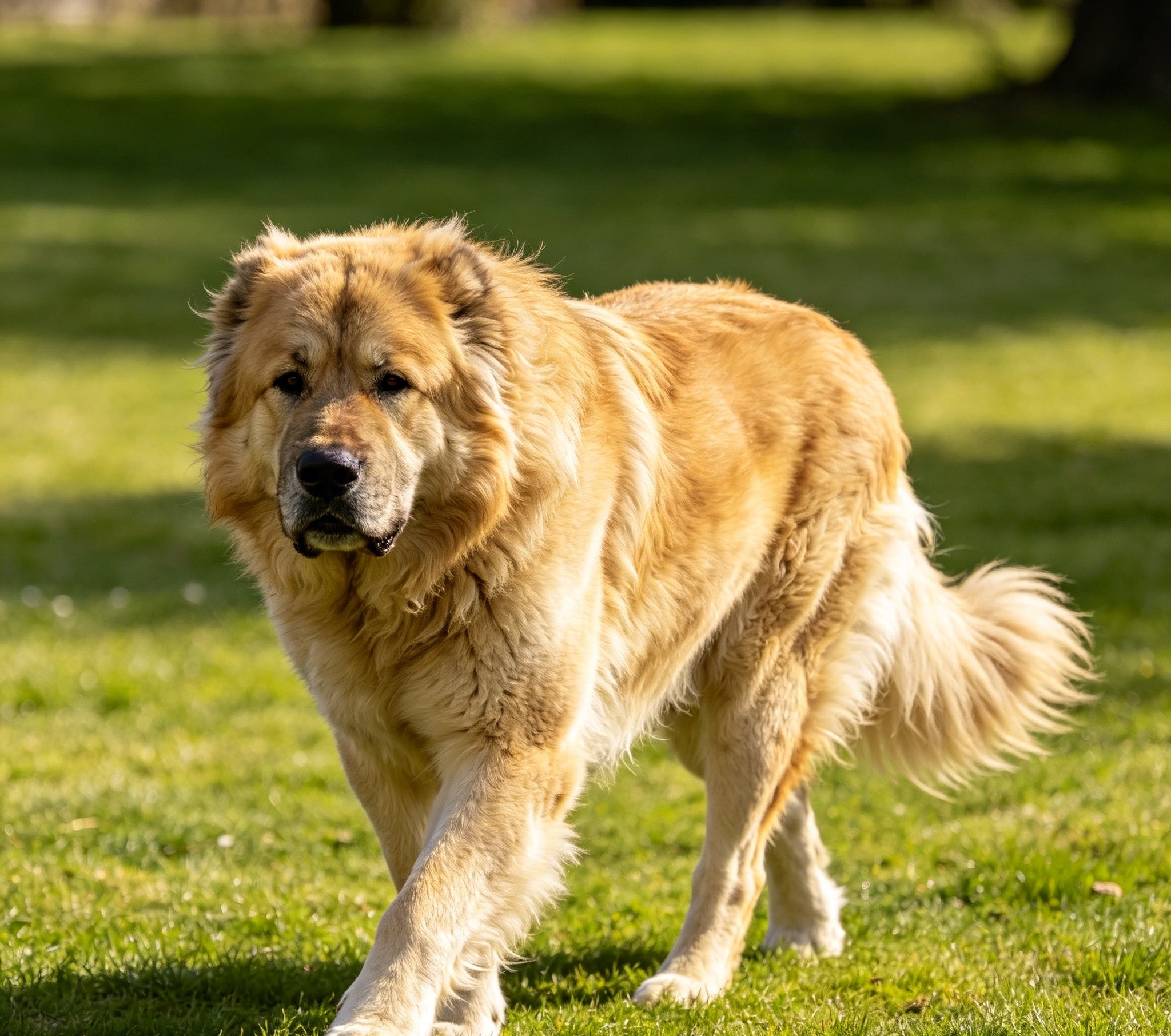
This is a massive animal, with males often weighing 110 to 170 pounds or more and standing well over two feet at the shoulder. Mountain types carry a thick, heavy coat against alpine cold. Behind that imposing exterior is an intelligent, fiercely loyal, and deeply independent guardian that thinks for itself, which is exactly what its work required.
Property, Visitors, and the Guardian Contract
| Fit Factor | Score | What It Means | |—|—|—| | Apartment Fit | 1/5 | Poor apartment fit; space, noise, size, or management needs can be difficult. | | First-Time Owner Fit | 2/5 | Challenging for new owners unless they have strong support and training plans. | | Family Fit | 3/5 | Can suit the right family when children, space, and routines are managed. | | Exercise Demand | 3/5 | Moderate daily activity and mental work keep this dog easier to live with. | | Grooming Difficulty | 4/5 | High grooming or shedding load; brushing and professional help may be needed. | | Training Difficulty | 4/5 | Can be stubborn, intense, or independent; structure matters. |
Caucasian Shepherd Dog Quick Facts
| Trait | What to Expect |
|---|---|
| Size | Giant guardian, 110–170+ lb |
| Temperament | Fearless, territorial, devoted, and strongly independent |
| Energy level | Moderate; patient watching punctuated by powerful action |
| Exercise needs | Daily walks and a large secure space to patrol |
| Grooming needs | High; thick double coat with heavy seasonal blow |
| Apartment friendly | No |
| Good with families | Devoted to its own family; wary of all outsiders |
| Common concerns | Hip/elbow dysplasia, bloat, obesity, heart issues |
| Best for | Experienced owners with secure rural property |
| Not ideal for | First-time owners, cities, or homes with frequent visitors |
Caucasian Shepherd Dog Temperament
A well-bred Caucasian Shepherd is calm, confident, and profoundly devoted to its family, often gentle and affectionate within the home circle it has accepted. Toward that family it is loyal to the point of self-sacrifice. The other half of the temperament is suspicion of everything and everyone outside the circle, and that wariness is not a flaw to be trained away; it is the trait the breed was built around.
This is also an independent thinker, not an eager-to-please follower. A guardian dog working alone on a mountainside had to make its own decisions about what counted as a threat, and that self-reliance persists. The Caucasian Shepherd will weigh your commands rather than reflexively obey them, and it will assert itself if it senses weak or inconsistent leadership.
Territorial instinct in this breed is serious. They are naturally protective and can be dominant with strange dogs and decisive with perceived intruders. Without extensive, careful socialization from puppyhood and a confident handler, that instinct can become liability rather than asset. This is a powerful animal whose strength must be matched by an owner’s experience and structure.
How a Caucasian Shepherd Dog Uses Its Energy
Despite the size, the Caucasian Shepherd is not a high-octane breed. Bred to conserve energy through long watches and then act explosively when needed, it is content with moderate daily exercise: a long walk or two and the freedom of a large, secure space it can survey and patrol. Mental stimulation through a sense of purpose matters as much as physical mileage.
A reasonable routine includes:
- One or two long, structured leashed walks each day for exercise and controlled exposure to the world.
- Access to a large, very securely fenced yard to patrol and “guard.”
- Calm, low-impact activity, particularly while a giant puppy’s joints develop.
- Mental engagement and a clear job, which this purposeful breed needs.
- Restrained exercise in heat, since the heavy coat makes overheating a real danger.
Note that a Caucasian Shepherd patrolling its territory is not a substitute for a leashed walk that exposes it, under your control, to the outside world. That ongoing, managed socialization is part of keeping a guardian dog safe to be around. The fencing, by the way, must be tall and strong; this dog will defend its perimeter in earnest.
Coat Care in a Caucasian Shepherd Dog Home
The Caucasian Shepherd’s dense double coat, especially in the long-haired mountain type, is a substantial grooming commitment. Routine brushing a few times a week prevents the thick undercoat from matting, but the real work comes during the seasonal coat blow, when the dog sheds its undercoat in enormous quantities and needs daily, thorough brushing to manage the volume of loose hair.
Expect to handle:
- Several brushing sessions a week, ramping up to daily during the seasonal blow.
- Particular attention to mat-prone areas behind the ears, on the rear, and around the neck mane.
- Nail trims, which require restraint and early conditioning on a dog this large and strong.
- Ear checks and cleaning.
- Occasional baths, which are a major undertaking given the coat and size.
Start grooming handling in puppyhood. Teaching a 30-pound puppy to accept brushing, nail trims, and inspection is straightforward; trying to force grooming on a wary, fully grown guardian that was never conditioned to it is dangerous.
Common Caucasian Shepherd Dog Health Issues
Like most giant breeds, the Caucasian Shepherd faces orthopedic and size-related health concerns. Hip and elbow dysplasia are the leading worries, made worse if a heavy puppy grows too fast or carries excess weight. The breed is also susceptible to bloat (gastric dilatation-volvulus), a sudden and life-threatening emergency common in deep-chested dogs, and obesity is a frequent problem that compounds joint disease. Some lines see heart conditions as well.
If you pursue a puppy, work only with a breeder who screens parents for hip and elbow health and who can discuss temperament and longevity in their lines without defensiveness. This is a breed where temperament stability is as important as physical health, so a breeder’s honesty about both is essential. Be skeptical of anyone breeding purely for maximum size or “fierceness.”
Given the bloat risk, learn the warning signs (a swollen abdomen, unproductive retching, sudden distress) and treat them as an immediate emergency, because hours matter.
Meals and Body Condition for a Caucasian Shepherd Dog
Keeping a Caucasian Shepherd lean is one of the most important things an owner can do for its joints and longevity. These dogs put on weight easily, and every extra pound adds strain to hips and elbows already at risk. A fit guardian should have a discernible waist and ribs you can feel beneath the coat.
Feeding guidance:
- Use a large- or giant-breed formula, especially through the long, slow puppy growth, to support controlled bone development.
- Divide the daily ration into two or more meals and avoid vigorous activity around mealtimes to lower bloat risk.
- Resist overfeeding a big, food-motivated dog; the goal is lean, not bulky.
- Count treats in the daily total and use them deliberately in training.
- Confirm an ideal body condition with your veterinarian rather than guessing under all that fur.
Because the coat hides the body, owners sometimes let weight creep up unnoticed. Put your hands on the dog regularly to judge condition rather than relying on the silhouette.
Teaching a Caucasian Shepherd Dog Useful Habits
Training a Caucasian Shepherd is not about obedience-ring polish; it is about establishing calm, consistent leadership and, above all, thorough socialization. This independent guardian must learn from an early age to read normal situations as safe so that its protective instincts stay measured and appropriate. That socialization is the single most important investment an owner can make.
Priorities:
- Extensive, positive socialization from puppyhood: people, places, sounds, and controlled novelty.
- Calm, firm, consistent leadership; this breed tests inconsistent handlers.
- Reliable basic control, including a solid recall and impulse control, while the dog is still manageable in size.
- Handling and grooming tolerance, taught young.
- Clear, fair rules rather than harsh corrections, which can backfire badly with a dog this powerful and proud.
Be realistic about the ceiling. A Caucasian Shepherd will never become a biddable, eager pleaser, and it should not be expected to greet strangers warmly. The aim is a stable, controllable dog whose natural wariness you can manage, not a transformed temperament. This is genuinely a breed for experienced handlers, and professional guidance is wise.
Pros and Cons of Caucasian Shepherd Dogs
| Pros | Cons |
|---|---|
| Devoted, courageous family protector | Strong, sometimes overwhelming territorial instinct |
| Calm and gentle within its own circle | Wary or hostile toward strangers and strange dogs |
| Capable, self-reliant guardian | Independent mind resists casual obedience |
| Moderate exercise needs for its size | Heavy shedding and demanding coat care |
| Hardy mountain heritage | Giant-breed health risks and high management demands |
Caucasian Shepherd Owners Build the Property Around the Dog
Casual suburban routines disappear once a Caucasian Shepherd controls access to the property. Guests, contractors, gate repairs, deliveries, and veterinary visits all need a plan before the dog decides the situation matters. Socialization can improve stability and handling, but it does not turn a serious livestock guardian into an easy public companion. The owner’s experience, legal environment, insurance, fencing, and backup handlers are part of the breed requirements.
Caucasian Shepherd Advice by Property and Experience
Apartment living conflicts with the job
Size, territorial behavior, elevators, visitors, and limited separation from neighbors make this an unsuitable setup. Management failure has serious consequences. A different breed should be chosen rather than testing an exception.
A house requires layered containment
Use tall secure fencing, locked gates, secondary barriers, and a visitor protocol. The dog should not greet contractors freely or patrol an unfenced property. Confirm local laws and insurance in writing.
This should not be a first guardian breed
A beginner cannot safely learn giant guardian handling through trial and error. Choose a more forgiving dog. Anyone considering the breed needs demonstrated relevant experience, breeder or rescue support, and qualified local professionals.
Experienced guardian homes plan for failure points
Audit gates, transport, muzzle conditioning, veterinary handling, and who takes over during illness. Keep social exposure controlled and neutral. Experience does not make dog parks, casual visitors, or weak fencing appropriate.
Caucasian Shepherd Myths With High Stakes
Enough socialization makes the breed friendly with everyone
Socialization helps a dog process normal life, not erase guardian genetics. A stable adult may remain reserved and territorial. Management and consent-based introductions remain necessary.
The dog is a giant teddy bear with family
Family affection can be deep, while power and protective judgment remain. Children, guests, other dogs, and property boundaries require adult control regardless of softness at home.
For a practical planning check, use the dog cost calculator to include professional-grade fencing, locked gates, training, muzzle conditioning, giant transport, insurance, legal checks, capable boarding, and medical reserves. The dog fit score cards can help you compare guardian experience, visitor traffic, property security, local rules, neighbors, other animals, and access to professionals who handle serious guardians.
Is a Caucasian Shepherd Dog Right for You?
This breed belongs with an experienced owner who has secure rural or semi-rural property, time for relentless early socialization, and a confident, consistent way of leading a powerful dog. People who actually need a serious livestock or property guardian, and who understand what they are taking on, can find the Caucasian Shepherd magnificent.
It is emphatically wrong for first-time dog owners, for apartments or busy urban homes, and for households with a constant stream of visitors the dog must somehow accept. Underestimating this breed’s strength, wariness, and independence is not just frustrating; with a guardian dog of this size, it can be genuinely dangerous.
For comparison, see another large guardian in the Tibetan Mastiff, the gentle giant Newfoundland, or the far more biddable and low-key Whippet. Reading across these shows how sharply “big dog” splits into very different commitments.
The Caucasian Shepherd Dog Decision
The Caucasian Shepherd Dog is a magnificent, ancient guardian, fearless, loyal, and supremely capable at the job it was bred for. In the hands of the right owner, on the right property, it is an extraordinary protector and a devoted companion to its family.
But this is not a pet for most people, and there is no shame in that. The combination of giant size, fierce territoriality, and a willful, independent mind means the wrong placement can be a serious problem for the owner, the community, and the dog. Choose it only with clear eyes, real experience, and the setting it truly needs.