
The Whippet is often quiet indoors, but its calm home manner should not be confused with a weak chase instinct. A fast, sight-led dog needs a secure place to run and a handler who understands that a squirrel can matter more than a recalled name in the wrong moment.
For the right home, that rhythm is appealing: a safe chance to sprint, a sensible walk, then a dog happy to curl up under a blanket. The practical requirements are a secure lead or enclosed run, protection from cold, gentle handling of thin skin, and honest planning around cats or other small animals.
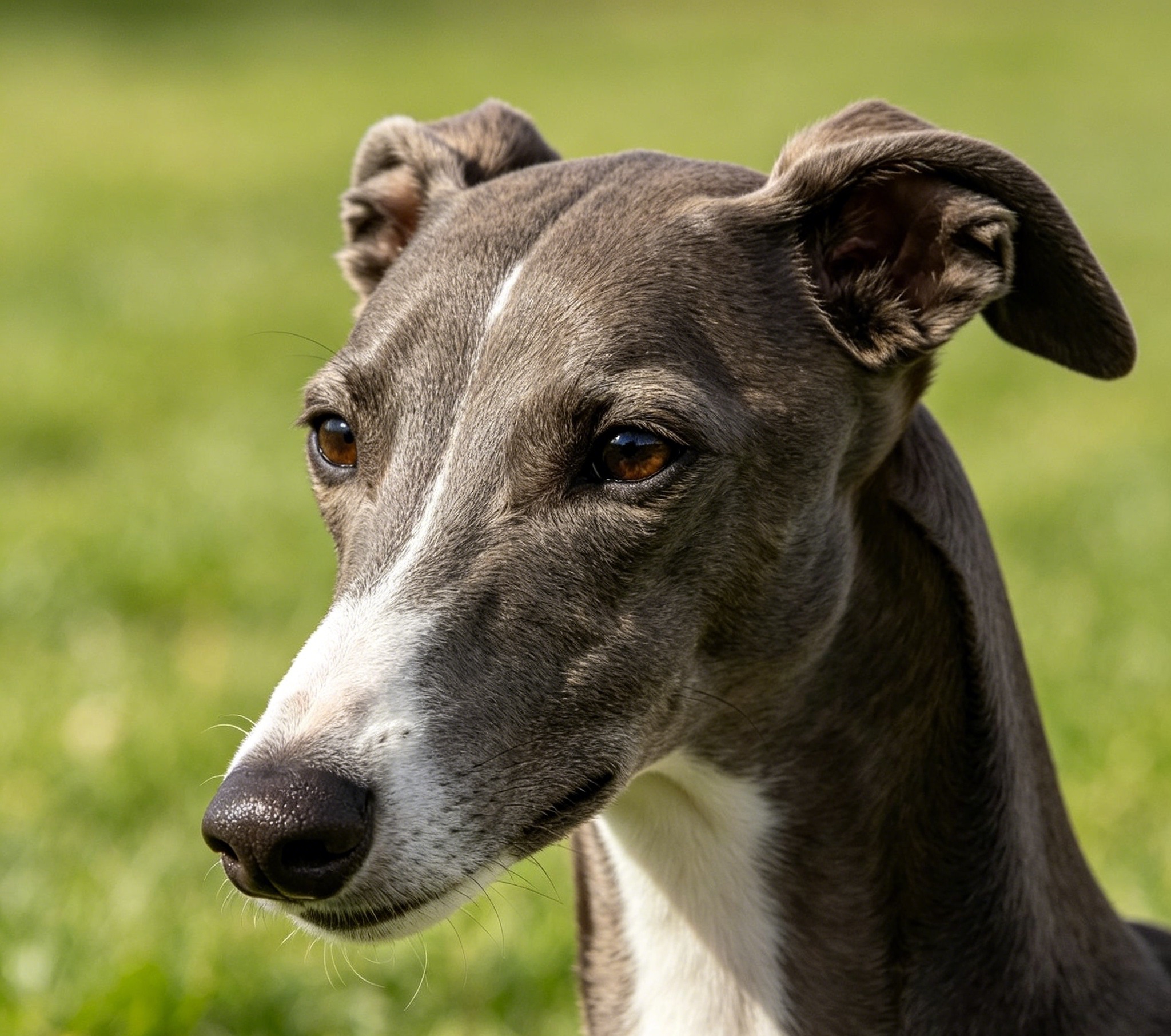
Whippet Fit: A Secure Run and a Warm Sofa
| Daily constraint | Score | What it changes | |—|—|—| | Secure exercise | 5/5 | A fenced run or long-line plan is more useful than assuming off-leash reliability. | | Prey-drive management | 4/5 | Small-animal safety needs individual assessment and careful household introductions. | | Cold protection | 4/5 | Low body fat and a fine coat make warm bedding and weather-appropriate clothing practical. | | Indoor fit | 4/5 | A quiet, settled adult can suit a smaller home when it still gets safe, regular outlets. | | Gentle handling | 3/5 | Thin skin and a sensitive temperament reward calm handling and a low-conflict training style. |
If you are also considering a toy-sized sighthound, use our Whippet vs Italian Greyhound home checklist to compare adult size, wet-weather routines, and safe exercise arrangements.
Whippet Quick Facts
| Trait | What to Expect |
|---|---|
| Size | Medium sighthound, 18–22 in, 25–40 lb |
| Temperament | Gentle, quiet, affectionate, and undemanding indoors |
| Energy level | Bursts of intense speed, then long calm rest |
| Exercise needs | One or two daily walks plus a safe daily sprint |
| Grooming needs | Minimal: a quick wipe or brush weekly |
| Apartment friendly | Excellent; quiet and tidy |
| Good with families | Good with gentle families and considerate kids |
| Common concerns | Cold sensitivity, thin skin tears, anesthesia risk, prey drive |
| Best for | Owners wanting a calm housemate and a fast running buddy |
| Not ideal for | Off-leash freedom in open spaces or homes full of small pets |
Whippet Temperament
Indoors, the Whippet is almost catlike: calm, clean, quiet, and devoted to comfort. They rarely bark much, they do not demand constant entertainment, and they have a gift for melting into the nearest soft surface. Most are sensitive, gentle dogs who form intense attachments to their people and would genuinely prefer to spend the day touching you, ideally under a blanket.
That sensitivity cuts both ways. Whippets do not respond well to harsh tones or rough handling, and a startled one can be timid. Early, positive socialization helps produce the confident, easygoing adult the breed is known for. They tend to get along with other dogs, especially fellow sighthounds, and many are sweet with respectful children, though their thin frame means they are not built for roughhousing.
The defining temperament trait is prey drive. Whippets were bred to chase, and a squirrel, rabbit, or even a small fleeing dog can switch on an ancient instinct in an instant. A Whippet in pursuit is fast, focused, and effectively deaf to your calls, which is why management matters so much.
How a Whippet Uses Its Energy
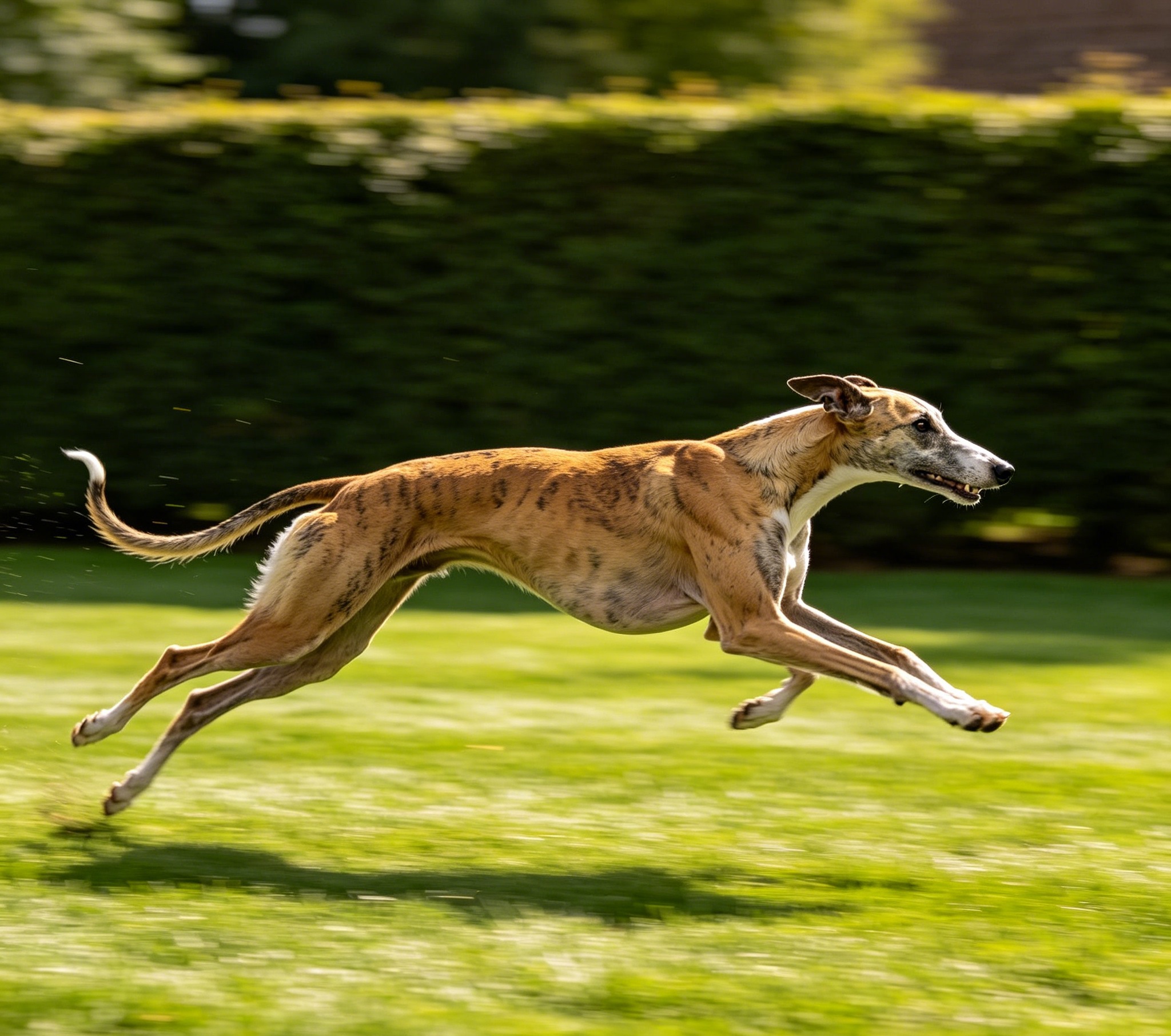
People are often surprised by how little structured exercise a Whippet truly needs. They are sprinters, not endurance athletes, so they do not require hours of activity like a herding breed. What they crave is the chance to open up to full speed in short bursts, then collapse into a long, satisfied nap.
A good plan looks like:
- A couple of relaxed leashed walks each day for sniffing and routine.
- A daily chance to sprint flat-out in a securely fenced area.
- A game of fetch or lure chasing to scratch the chase itch safely.
- Plenty of warm, comfortable downtime, which they will happily supply themselves.
- Mental enrichment, though their needs here are modest.
The hard rule is the leash. A Whippet’s recall cannot be trusted around moving prey, and at 35 miles per hour it can be in traffic or out of sight before you finish calling. Off-leash exercise should happen only inside secure fencing. Lure coursing and the sport of fast CAT are ideal organized outlets for the breed’s drive.
Coat Care in a Whippet Home
Here is where the Whippet repays its owner. The short, fine, close-lying coat is about as low-maintenance as dog coats come. A quick rubdown with a grooming mitt or a soft brush once a week removes the modest loose hair, and baths are needed only occasionally because the coat barely holds dirt or odor.
The brief routine:
- Wipe or lightly brush the coat weekly to keep it sleek.
- Trim nails regularly, since long nails alter that careful gait.
- Brush the teeth, as the breed can be prone to dental tartar.
- Check the ears and keep them clean.
- Inspect the thin skin after walks for nicks, scrapes, or punctures.
That last point is the real grooming-adjacent concern. A Whippet’s skin is thin and the coat offers almost no padding, so they cut and tear surprisingly easily on fences, brush, or rough play. Many owners keep their Whippet in a soft coat or sweater outdoors in cold or harsh conditions, which protects both warmth and skin.
Common Whippet Health Issues
Whippets are, on the whole, a healthy and long-lived breed, often reaching 12 to 15 years. But their unusual physiology creates a few specific concerns owners must understand. With so little body fat and thin skin, they feel cold acutely and need protection in winter, and they bruise, cut, and tear their skin more readily than thicker-coated dogs.
A medically important quirk: like other sighthounds, Whippets have low body fat and a different metabolism, which makes them more sensitive to anesthesia. Always use a veterinarian familiar with sighthound protocols for any procedure. The breed can also carry inherited heart conditions and eye issues, and a small number carry the “bully whippet” myostatin gene that affects muscling. Reputable breeders test hearts and eyes and discuss the lines openly.
Because of the anesthesia sensitivity and the ease of skin injury, it is worth choosing a vet who knows the breed and acting quickly on cuts that may need stitches.
Meals and Body Condition for a Whippet
A Whippet is supposed to look lean, and a fit one shows a hint of ribs, prominent hip points, and a dramatic waist tuck. To eyes used to heavier breeds this can look too thin, but for a Whippet it is correct, and carrying extra weight robs the dog of the very athleticism that defines it.
Feeding pointers:
- Feed a quality diet matched to age and activity, and trust the lean look rather than over-feeding to fill out the frame.
- Resist comments that the dog “looks skinny”; learn the proper sighthound body condition instead.
- Count treats toward the daily total, modest as a Whippet’s needs are.
- Keep meals on a steady schedule for this routine-loving dog.
- Have your vet confirm the right weight if you are unsure.
Because the breed naturally runs lean, the more common mistake among worried owners is feeding too much, not too little.
Teaching a Whippet Useful Habits
Whippets are intelligent and willing but also soft and a little independent, a legacy of being bred to chase on their own initiative rather than take constant direction. They learn quickly with gentle, reward-based methods and shut down fast under pressure or harshness.
Where to put your effort:
- Build the best recall you can, while accepting it will never override a chase; the leash and fence remain your real safety net.
- Practice loose-leash walking, which most Whippets pick up readily.
- Work on “leave it” for small fleeing animals.
- Teach house manners early; they are naturally tidy and quiet, so this is usually easy.
- Use crate or settle training, which suits their love of cozy dens.
Keep sessions short, kind, and low-stress. A Whippet that trusts you will offer wonderful cooperation; one that feels nagged or corrected will simply tune you out.
Pros and Cons of Whippets
| Pros | Cons |
|---|---|
| Calm, quiet, and clean indoors | Cannot be trusted off-leash near prey |
| Almost no grooming required | Thin skin tears and bruises easily |
| Affectionate, gentle, and undemanding | Feels the cold and needs coats in winter |
| Excellent apartment dog | Increased anesthesia sensitivity |
| Long-lived and generally healthy | Strong prey drive risks small pets |
Whippet Owners Plan for Sixty Seconds of Speed
A Whippet can sleep through an afternoon and make a life-changing outdoor decision in one second. Prey movement, an open gate, or poor recall near traffic changes the risk instantly. Owners also manage cold, thin skin, hard sleeping surfaces, and gradual alone-time skills. The breed may rest much of the day, but safe sprinting and secure transitions still determine whether the routine works.
Whippet Advice by Home and Handler
A strong apartment fit with secure exits
If a quiet adult appeals more than raising a puppy, our puppy or adult dog decision guide helps you check the individual dog’s history and your workday care coverage before committing.
Many adults settle quietly after walks and safe runs. Elevators and lobby doors need secure leash habits, and a warm soft bed is essential. Long isolation may be difficult for some individuals, so build it gradually.
A yard must contain acceleration
Use a secure fence with reliable gates and remove sharp hazards. A Whippet reaches speed quickly and may chase wildlife. Yard sprints are useful, while walks and sniffing still provide social information.
A beginner should separate calm from reliable recall
Use long lines and fenced areas rather than trusting the dog’s quiet manner. Provide warm gear, protect thin skin, and supervise with small pets. Train alone time and handling before a problem appears.
Experienced sighthound homes read the horizon
Good management means noticing movement before the dog launches. Condition running gradually and check feet or skin afterward. Do not use exhaustion as the only path to indoor calm.
Whippet Myths Created by the Couch
Whippets are lazy and need almost no exercise
They often rest deeply indoors but still need daily walking, enrichment, and opportunities for safe running. Calm at home does not erase athletic needs.
A gentle Whippet will not chase small animals
Temperament toward people does not predict prey response. Individual variation exists, but secure management and careful introductions are necessary around cats, rabbits, and wildlife.
For a practical planning check, use the dog cost calculator to include secure running options, fencing, warm coats, dental care, training, injury reserves, and pet care that understands sighthounds. The dog fit score cards can help you compare small pets, open spaces, cold climate, time alone, fence quality, and access to safe off-leash running.
Is a Whippet Right for You?
The Whippet is a near-perfect fit for someone who wants a peaceful, affectionate housemate that is also genuinely fun to watch run. They suit apartments and quiet homes beautifully, ask little in the way of grooming or marathon exercise, and are content to be your shadow on the sofa for most of the day.
They are a poor choice if you dream of off-leash hikes in open country, since you can never fully trust the recall, or if your home includes cats and small animals you cannot manage around a hardwired chaser. Cold-climate owners must also be willing to dress the dog and protect that delicate skin.
If you are weighing your options, contrast the Whippet with the high-drive English Springer Spaniel, the giant and gentle Newfoundland, or the powerful Caucasian Shepherd Dog. These dogs could not differ more in temperament and care despite all being “medium-to-large.”
The Whippet Decision
The Whippet may be the most underrated companion in the medium-dog category: quiet, affectionate, easy to groom, and improbably fun the moment it hits top speed. For apartment dwellers and calm households, the package is hard to beat.
Just respect what the breed is. Keep it leashed or fenced, keep it warm, mind that delicate skin, and use a vet who knows sighthounds. Do those few things and you get a serene, devoted athlete that asks remarkably little in return.