
An English Springer Spaniel is a medium-sized dog with a working nose and a strong preference for doing things with its person. A short walk may move the legs without satisfying the dog, while sniffing, retrieving, swimming, and training can make the same hour much more useful.
Field and bench lines can differ in intensity and coat, so a prospective owner should ask which type they are meeting. Regardless of line, the household needs an ear-care routine, a safe outlet for water and scent work, and a plan for companionship during workdays.
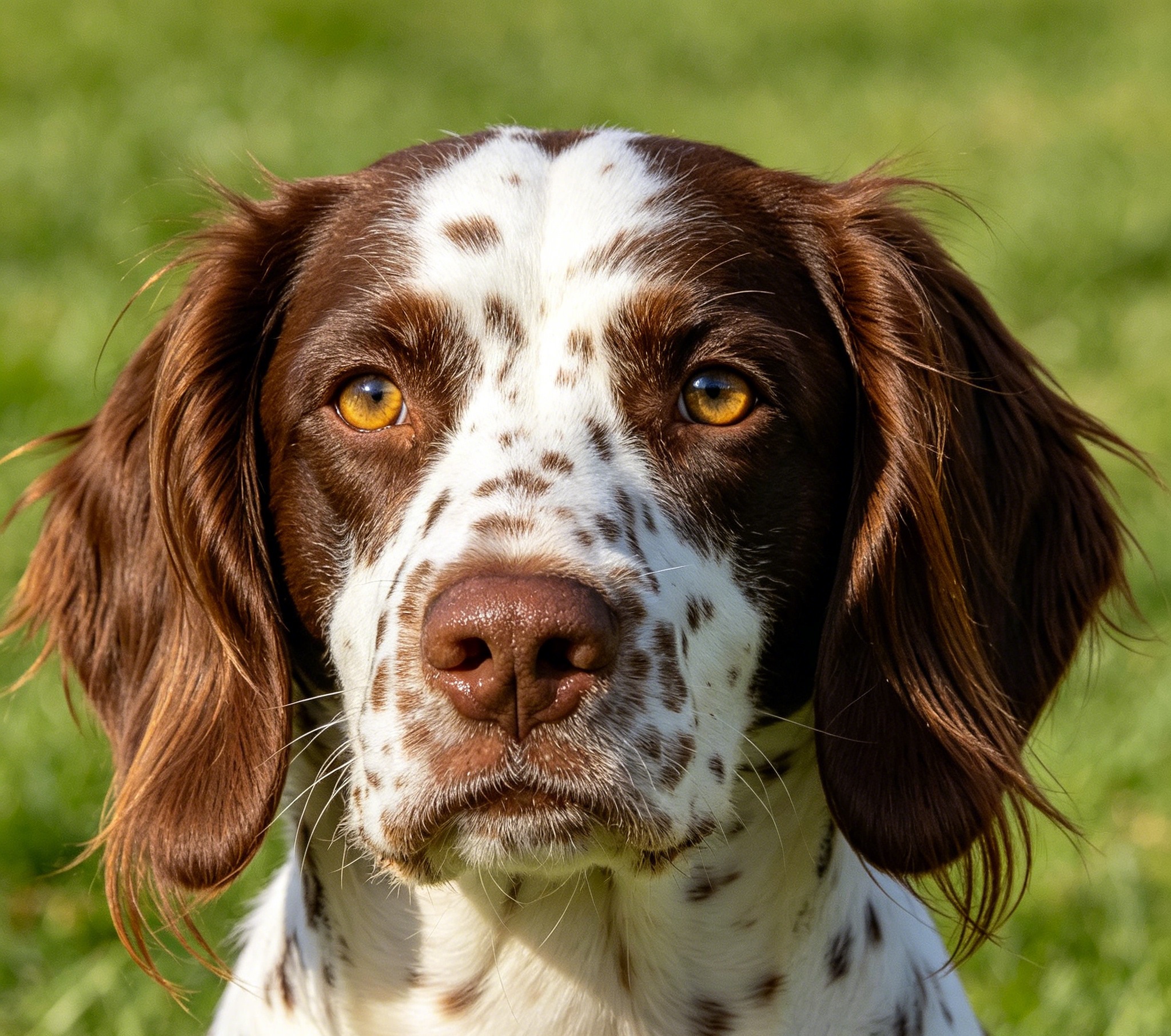
What an English Springer Spaniel Asks of a Household
| Daily constraint | Score | What it changes | |—|—|—| | Nose-led exercise | 5/5 | The best routine includes scent work, retrieves, water, or field-style searching rather than mileage alone. | | Ear and coat care | 5/5 | Wet ears and feathering need inspection, drying, brushing, and regular trimming. | | Alone-time margin | 4/5 | A social sporting dog needs gradual independence practice and a realistic answer to long absences. | | Line selection | 4/5 | Field and bench lines can create different energy and coat workloads, so ask specific questions. | | First-dog margin | 3/5 | Trainability helps, but the daily work requirement is not optional. |
English Springer Spaniel Quick Facts
| Trait | What to Expect |
|---|---|
| Size | Medium gundog, 19–20 in, 40–50 lb |
| Temperament | Eager, affectionate, people-focused, and busy |
| Energy level | High |
| Exercise needs | 1–2 hours daily: fetch, swimming, scent work, off-leash romps |
| Grooming needs | Weekly brushing plus ear checks and feathering trims |
| Apartment friendly | Only with a committed exercise plan |
| Good with families | Excellent for active households |
| Common concerns | Ear infections, hip dysplasia, PRA, and otitis from wet ears |
| Best for | Outdoorsy owners who hike, run, or hunt |
| Not ideal for | Sedentary homes or people gone all day |
English Springer Spaniel Temperament
Springers are famous for being soft-hearted and intensely attached to their people. The breed nickname “velcro spaniel” is well earned: many will follow you from room to room and quietly fold themselves against your leg while you cook or work. That devotion is the breed’s greatest charm and also the root of its most common struggle, since a Springer left alone too long can spiral into anxiety, barking, or destructive chewing.
This is a clever, sensitive dog that reads tone of voice quickly. Harsh handling tends to shut a Springer down rather than correct it, while a cheerful, reward-based approach brings out an almost comical enthusiasm to please. Their busy minds also mean they get into things; a bored Springer will redecorate your shoes and dig your flowerbeds simply because the nose found something interesting.
One point worth knowing: a small number of show-line Springers have historically shown a temperament quirk sometimes called “rage syndrome,” a rare neurological condition. It is uncommon, but it is a reason to buy from a breeder who is candid about temperament across their lines rather than focused only on coat and color.
How an English Springer Spaniel Uses Its Energy
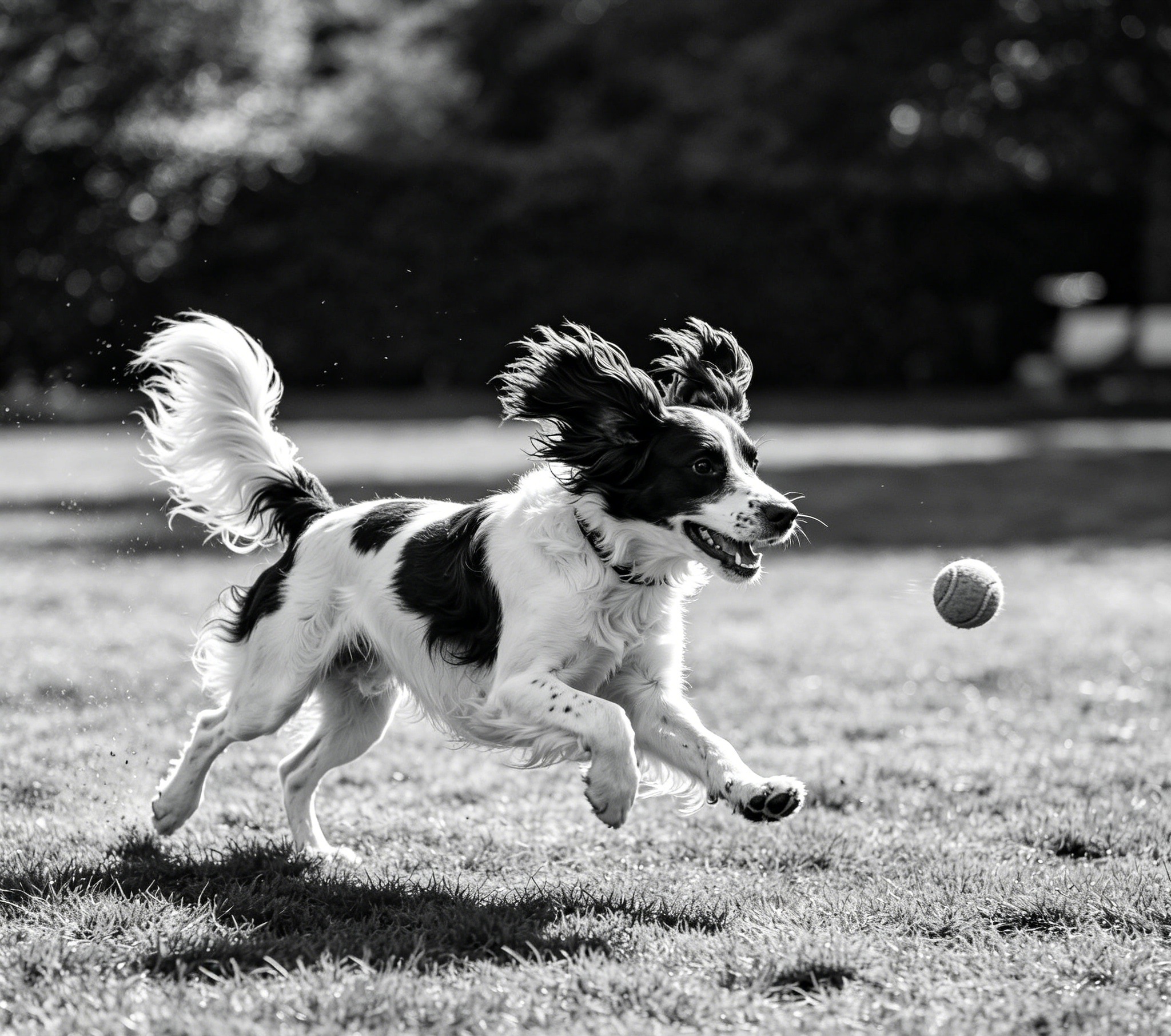
A Springer is not satisfied by a stroll around the block. Plan for one to two hours of real activity every day, ideally split between physical exertion and nose work. Fetch is a natural fit because retrieving is bred into them, and most Springers will swim with pure joy whenever water appears, so a lake, river, or even a backyard pool becomes a favorite outlet.
A workable daily rhythm might look like:
- A brisk morning walk or jog where the dog can sniff and explore.
- A retrieving or swimming session in a safe area.
- Scent games such as hiding treats around the yard or house.
- A short obedience or trick refresher to engage the brain.
- Genuine downtime so the dog learns to settle indoors.
Field-line Springers in particular need more than the average pet home expects. If you skip the exercise, you will see it in the behavior: pacing, mouthiness, and a dog that cannot relax. Always temper hard activity for puppies whose joints are still developing, and watch any dog for limping or overheating, stopping and checking with a veterinarian if something seems off.
Coat Care in an English Springer Spaniel Home
The Springer’s medium-length coat is moderate in upkeep but has one demanding feature: feathering on the ears, chest, legs, and belly that mats easily and traps burrs, mud, and pond debris. Brush through the coat and that feathering once or twice a week, and many owners trim the feathering and the hair around the feet to keep things manageable.
A practical grooming routine includes:
- Brushing the body and feathering to prevent mats, especially behind the ears and under the legs.
- Drying and inspecting the long, floppy ears after every swim or wet walk.
- Trimming nails every few weeks so the gait stays sound.
- Brushing teeth regularly to slow tartar buildup.
- Bathing when genuinely dirty rather than on a fixed schedule.
Those heavy, low-hanging ears are the single biggest grooming concern. They block airflow to the ear canal, and a Springer that swims often is a prime candidate for recurring ear infections unless you dry and check the ears as routine maintenance.
Common English Springer Spaniel Health Issues
No breed comes without vulnerabilities, and the Springer’s are reasonably well documented. Chronic ear infections (otitis) top the list for daily owners simply because of the breed’s ear structure and love of water. On the genetic side, watch for hip and elbow dysplasia, progressive retinal atrophy (PRA) and other eye disorders, and an inherited enzyme deficiency called PFK deficiency that responsible breeders now screen for. Some lines also carry a predisposition to autoimmune conditions.
When you talk to a breeder, ask to see hip and elbow scores, recent eye examinations, and DNA test results for PFK and PRA. A breeder who screens openly and discusses what they have found is exactly who you want; one who waves away questions or talks only about rare coat patterns is a warning sign.
This guide is meant to inform, not to replace a veterinarian. If your dog shows sudden pain, persistent ear discomfort, vision changes, repeated vomiting, collapse, or a marked shift in behavior, get professional care promptly.
Meals and Body Condition for an English Springer Spaniel
An active Springer burns real calories, but it is still easy to let a food-motivated spaniel creep into pudginess, which strains the hips and dulls the stamina this breed lives for. Aim for a lean, athletic build where you can feel the ribs under a light layer.
A few habits that help:
- Portion meals by your dog’s actual weight and activity rather than the generous numbers on the bag.
- Choose a quality food suited to the dog’s life stage and energy output.
- Subtract training treats from the daily total, since Springers will work happily for tiny rewards.
- Skip the habit of sharing from your plate.
- Reassess the body condition seasonally, especially if a hunting dog goes quiet over winter.
Because Springers are so eager for food and praise, they can become persistent beggars. Calm, predictable mealtimes teach the dog that pestering does not pay.
Teaching an English Springer Spaniel Useful Habits
Training a Springer is genuinely fun. They are quick, willing, and delighted by the process, which makes positive, reward-based methods both effective and enjoyable. The flip side is sensitivity: shout or jerk a leash and an eager Springer may simply wilt.
Useful priorities:
- A rock-solid recall, since the nose will pull them toward birds and trails.
- Loose-leash walking before the pulling habit sets in.
- A reliable “leave it” for wildlife and dropped food.
- Calm greetings, because an excited Springer wants to jump and lean.
- Gradual, structured alone-time practice to head off separation anxiety.
Channel that drive into something the brain craves. Many Springers excel at hunt tests, agility, dock diving, and scent work, and an owner who gives them a sport often finds the household behavior sorts itself out.
Pros and Cons of English Springer Spaniels
| Pros | Cons |
|---|---|
| Joyful, devoted, and deeply people-oriented | Prone to separation anxiety if left alone often |
| Highly trainable and eager to please | Needs serious daily exercise and stimulation |
| Loves water and outdoor adventure | Floppy ears invite recurring infections |
| Great with active, attentive families | Feathering mats and traps debris |
| Versatile in dog sports and field work | Some lines carry temperament and genetic risks |
Springer Owners Need to Know Which Springer They Met
Before choosing an English Springer, owners need to ask which line and which purpose shaped the dog. A field-focused dog may bring intensity and endurance that a family expecting a merry show-bred companion did not plan for. Owners also manage wet ears, feathering, mud, and a strong desire to work with people. Adolescents can become frantic when exercise is all speed and no steadiness, so the household needs retrieval, scent, training, and a way to settle.
Springer Advice by Home and Experience
An apartment requires a serious outdoor schedule
A suitable individual can settle after purposeful work, but short walks and long isolation are poor fits. Plan drying space for wet coats and ears. Train calm lobby greetings because enthusiasm arrives at full spaniel speed.
A yard is useful and insufficient
Secure fencing supports retrieving and training, yet new environments and scent work remain important. Check ears, feet, and feathering after brush or water. Do not leave a social Springer outside to exercise itself.
A beginner should ask about line and recovery
Meet adults, ask how they settle, and choose energy that fits weekdays. Start recall, cooperative ear care, and alone time early. Continue training after puppy class through the excitable adolescent stage.
Experienced sporting homes can teach steadiness
Field work, scent, and retrieving are excellent, but the dog also needs patience around thrown objects, wildlife, and doors. Balance drive with calm holding behaviors and recovery.
Springer Spaniel Myths That Hide the Work
Every Springer has the same family-dog energy
Line, breeding goals, and individual temperament can change intensity substantially. A broad breed label is not enough; ask specific questions about adults and daily routines.
A large yard will tire a Springer
Most dogs do not create varied, meaningful work alone. Springers need shared exercise, scent, training, social contact, and rest, not only access to grass.
For a practical planning check, use the dog cost calculator to include grooming and ear care, ongoing training, walkers or field activities, secure fencing, boarding, and injury or health reserves. The dog fit score cards can help you compare line-specific energy, time alone, wet-dog tolerance, recall expectations, children, other pets, and daily training interest.
Is an English Springer Spaniel Right for You?
This breed fits the person whose weekends already involve trails, water, or fieldwork, and who wants a clever, affectionate partner along for it. A Springer slots beautifully into a home where someone is around much of the day, enjoys training, and does not mind a dog that wants to be involved in everything.
It is a poor match if your days are long and empty, your exercise budget is a quick walk, or you would resent ear cleaning and a coat that needs upkeep. A Springer denied activity and company does not just get bored; it gets genuinely unhappy, and that unhappiness becomes your problem too.
If you are weighing similar dogs, compare the Springer against the Havanese as a lower-energy companion, the water-loving Newfoundland, or the comical small Brussels Griffon. Spaniels can look interchangeable in photos but differ sharply in drive and grooming once they are living in your house.
The English Springer Spaniel Decision
The English Springer Spaniel is one of the most rewarding companions an active person can choose: affectionate, trainable, endlessly enthusiastic, and happiest when soaked to the chest after a good retrieve. The catch is that all of that energy and devotion needs an outlet and a present owner.
Give a Springer real exercise, consistent training, and the company it craves, and you get a buoyant, loyal partner for a decade or more. Try to make it fit a quiet, busy-work-from-the-office life, and both of you will end up frustrated.