
A Havanese can fit many homes, but it is designed around companionship. The dog often wants to join ordinary household activity, learns routines quickly, and may struggle when the family treats alone time as an afterthought. Its silky coat sheds lightly for many dogs, yet still needs regular brushing and grooming.
The practical decision is whether the household can combine social contact with independence training. A Havanese should not be isolated all day, but constant carrying and attention can also make later separation harder. A balanced routine matters more than a large yard.
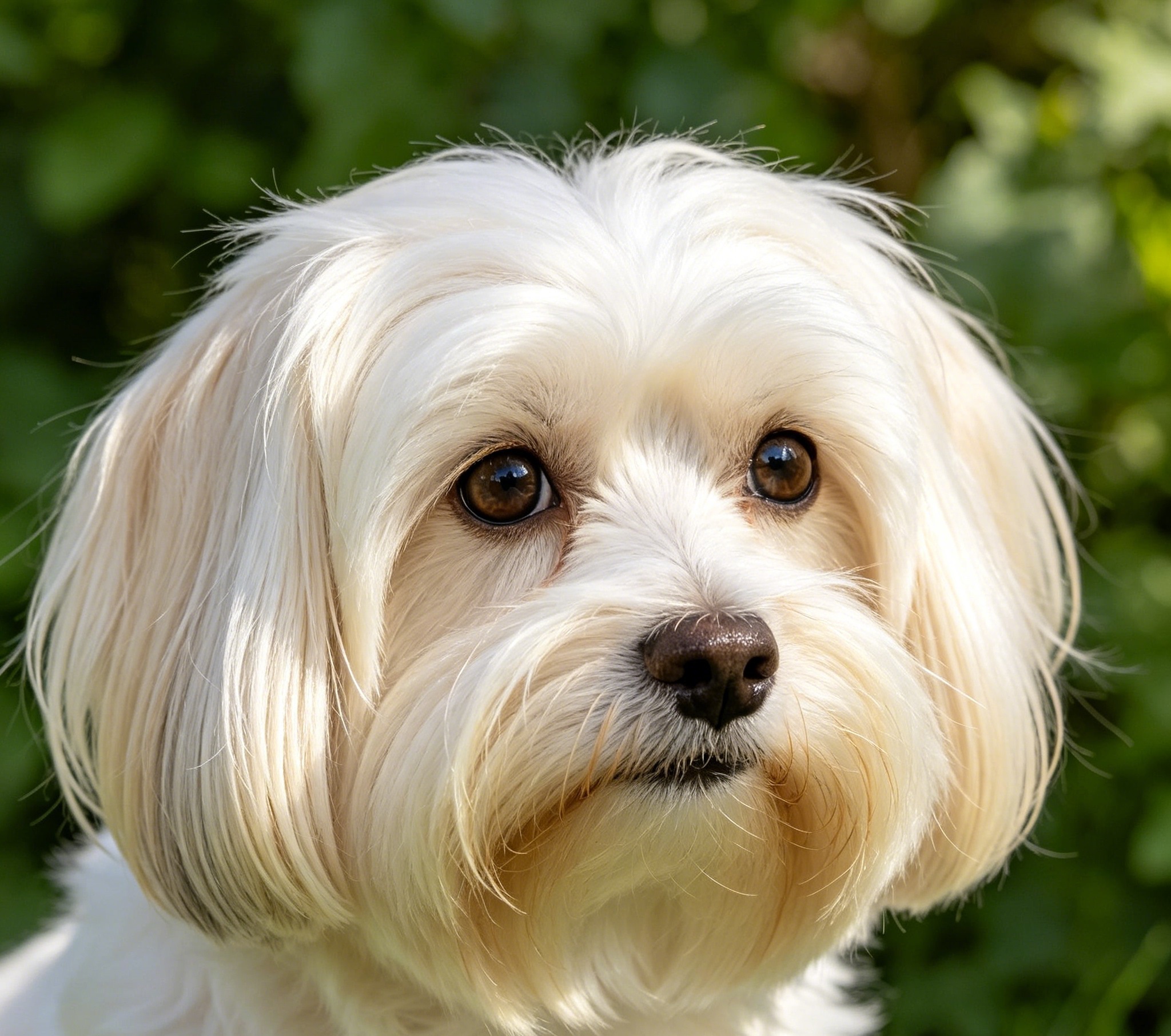
What a Havanese Asks of a Household
| Daily constraint | Score | What it changes | |—|—|—| | Social schedule | 5/5 | Plan company, alone-time practice, and backup care before assuming a friendly dog will cope with long absences. | | Coat maintenance | 4/5 | Low visible shedding does not remove combing, bathing, drying, or professional grooming. | | Gentle training | 4/5 | Sensitive, clever dogs need rewards and consistency rather than harsh corrections. | | Family handling | 3/5 | Friendly does not mean indestructible; children and larger pets still need supervised interaction. | | First-dog margin | 4/5 | A prepared beginner can do well when grooming and independence are scheduled from the start. |
Havanese Quick Facts
| Trait | What to Expect |
|---|---|
| Size | 8.5–11.5 inches tall; roughly 7–13 pounds |
| Temperament | Cheerful, sociable, affectionate, smart, adaptable |
| Energy level | Moderate; playful bursts, content to relax |
| Exercise needs | Daily walks, play, and trick or training time |
| Grooming needs | Silky coat mats easily; frequent brushing or a trim |
| Apartment friendly | Excellent |
| Good with families | Excellent; gentle and very people-oriented |
| Common concerns | Patellar luxation, eye disease, deafness, dental issues, separation anxiety |
| Best for | Families and individuals who are home often |
| Not ideal for | People away all day or unwilling to groom |
Havanese Temperament
The Havanese is about as people-loving as a dog gets. Cheerful, friendly, and adaptable, they thrive on being part of everything and tend to get along beautifully with children, strangers, other dogs, and even cats. They are often described as gentle clowns, eager to entertain and quick to soak up affection.
That sociability is also the breed’s defining requirement. Havanese form strong attachments and genuinely need company; they are not built to be left alone for long workdays and can develop separation anxiety, barking, or destructive habits when isolated. Some are a touch sensitive or shy without early socialization, though most are confident and outgoing.
Highly intelligent and attuned to their people, Havanese are also wonderfully trainable. Historically used in circuses for tricks, they love learning, performing, and problem-solving, which makes them as much fun to teach as they are to cuddle.
How a Havanese Uses Its Energy
Havanese have moderate energy and modest exercise needs that are easy to meet. A daily walk or two plus some play and training usually satisfies them, and because they are so smart, mental work is just as important as physical activity.
Good activities for the breed include:
- A daily walk of twenty to thirty minutes at an easy pace.
- Indoor games of fetch and chase suited to small spaces.
- Trick training and puzzle toys, which they relish.
- Friendly play dates, since they are so sociable with other dogs.
Their adaptability is a real strength: a Havanese is just as content in a small apartment as in a house, provided it gets daily attention and activity. Take normal small-dog care in heat and protect that coat after wet or muddy outings.
Coat Care in a Havanese Home
The Havanese coat is its showpiece and its biggest commitment. It is long, silky, and slightly wavy, and it sheds very little, which appeals to many owners, but low shedding means hair stays in the coat and mats readily without regular grooming. A neglected coat quickly becomes a tangled, uncomfortable mess.
A realistic grooming routine looks like this:
- Brush and comb the full coat daily, or near-daily, to prevent mats right down to the skin.
- Many owners keep a shorter “puppy cut,” which dramatically cuts daily grooming time.
- Plan on professional grooming every four to six weeks if keeping the coat longer.
- Keep the hair around the eyes trimmed and the eye area clean.
- Brush teeth regularly, as small breeds are prone to dental disease.
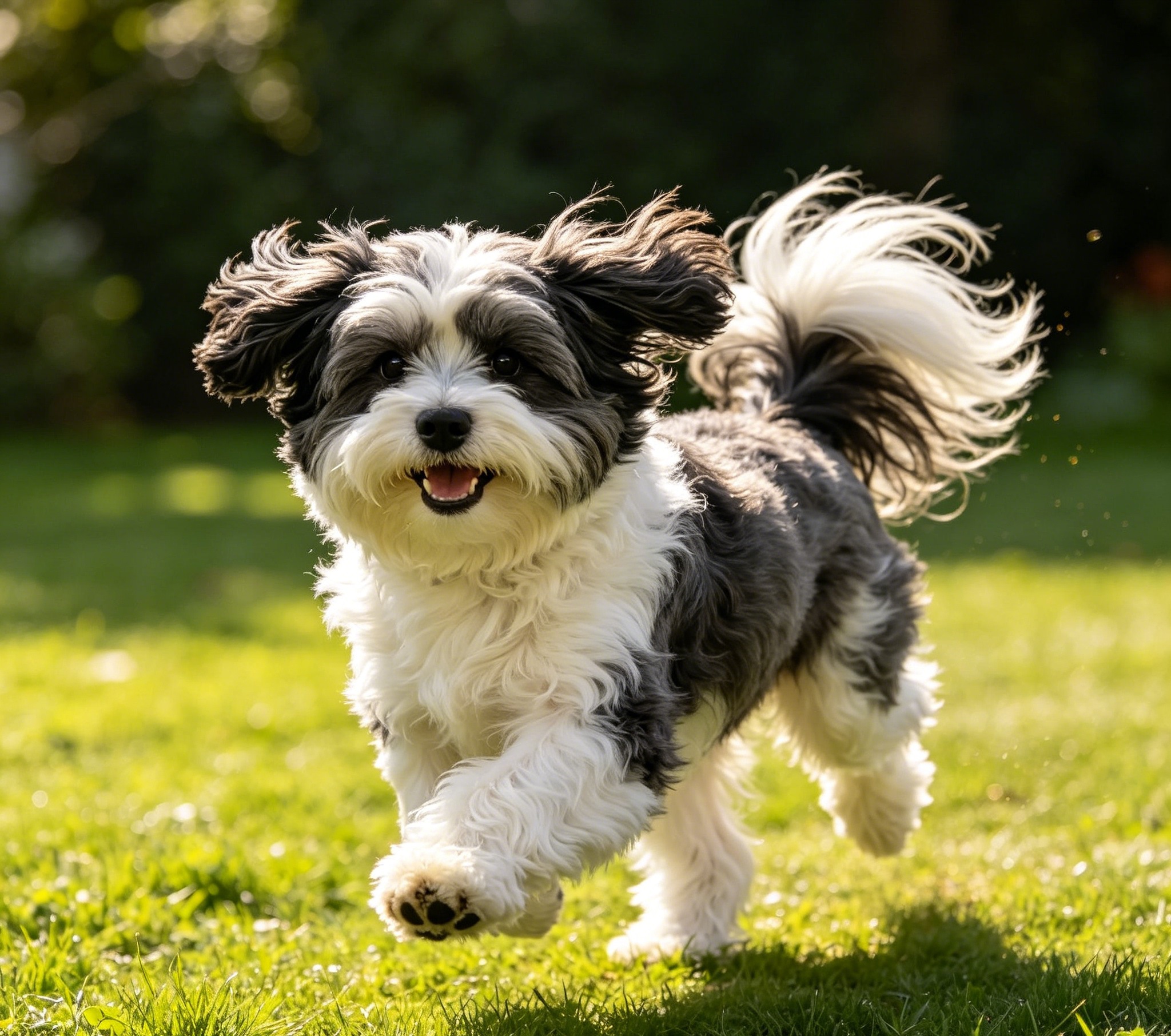
Common Havanese Health Issues
Overall the Havanese is a fairly sturdy, long-lived small breed, but it has several conditions worth knowing. Patellar luxation (slipping kneecaps) is common in the breed, as in many small dogs, and some lines see hip issues such as Legg-Calve-Perthes disease.
The breed is also predisposed to a number of eye conditions, including progressive retinal atrophy and cataracts, and to congenital deafness in some individuals, so reputable breeders perform eye exams and hearing (BAER) testing. Dental disease is common given their small mouths, and like other small companions they can be prone to heart issues and occasional liver shunts. Their strong attachment also makes separation anxiety a frequent behavioral concern.
A responsible breeder screens eyes, knees, hips, and hearing, and talks openly about the health history of their lines rather than focusing on coat color alone.
This section is for general understanding, not veterinary diagnosis. If your Havanese skips on a back leg, develops cloudy eyes, seems unresponsive to sound, or shows bad breath and red gums, schedule a veterinary checkup.
Meals and Body Condition for a Havanese
Keeping a Havanese at a healthy weight protects its knees and joints and supports its long potential lifespan. The coat hides body condition, so feel along the ribs and waist rather than judging by appearance.
Helpful feeding habits for the breed include:
- Feeding measured portions of a quality small-breed food twice a day.
- Keeping treats small and counting them toward the daily total, especially during trick training.
- Limiting table scraps that add calories and can upset small stomachs.
- Checking body condition by hand under that full coat regularly.
Because they are so eager and food-motivated for training, it is easy to overdo treats, so build them into the daily plan. Your veterinarian can confirm an ideal weight for your individual dog.
Teaching a Havanese Useful Habits
Few small breeds are as rewarding to train as the Havanese. They are smart, attentive, and eager to please, with a real flair for tricks, so positive, reward-based methods produce quick, enthusiastic results.
Effective training approaches for the breed:
- Use rewards, praise, and play; they respond joyfully and dislike harsh handling.
- Lean into their trick-dog heritage with fun, varied lessons to keep that bright mind busy.
- Be patient and consistent with house-training, which small breeds can master a little slowly.
- Socialize early so any shyness gives way to the breed’s natural friendliness.
The most important lesson for a Havanese is calm independence. Because they bond so tightly, teaching gradual, positive alone time from puppyhood is the best defense against separation anxiety.
Pros and Cons of Havanese Dogs
| Pros | Cons |
|---|---|
| Exceptionally friendly and sociable | Needs lots of company; prone to separation anxiety |
| Low-shedding silky coat | That coat mats easily and needs frequent grooming |
| Highly intelligent and fun to train | Can be slow to house-train |
| Adaptable to apartments or houses | Dental and some eye and knee issues to watch |
| Great with kids, strangers, and other pets | Not suited to being left alone all day |
Havanese Owners Work on Alone Time Before They Need It
A Havanese puppy can be so pleasant to include that nobody practices leaving it. Owners then face an adult that has never learned to be alone. Mats also form under harnesses and around legs even when the coat looks brushed on top. House training and alert barking can take steady work. The breed is often forgiving for beginners, but its friendliness should not become a reason to skip independence, grooming, or ordinary boundaries.
Havanese Advice by Home and Handler
A strong apartment fit if barking is managed
The size and exercise level work well, but hallway noise and long absence may create complaints. Practice quiet and short separations. Several outdoor trips improve house training and provide more value than relying only on indoor pads.
A house can hide accidents and isolation
Limit puppy access until toilet habits are reliable. Check fence gaps and supervise the yard. More rooms do not replace company, walks, or grooming after wet grass and garden debris.
A beginner should schedule grooming and absence practice
Choose a practical coat length, learn combing to the skin, and book a groomer. Leave for seconds and minutes before testing hours. Friendly behavior still needs leash and greeting manners.
Experienced companion owners should avoid overdependence
The temptation is to take a portable dog everywhere. Preserve some calm independent rest and arrange backup care. A dog that can cope with ordinary separation is more secure, not less bonded.
Havanese Myths That Turn Friendliness Into Work
Havanese are hypoallergenic
Lower shedding may help some homes, but allergens also come from dander and saliva. Reactions vary. Spend time with adult dogs and seek medical advice for significant allergies.
A social Havanese will never have separation trouble
Strong attachment can increase risk when alone time is never practiced. Build independence gradually and seek qualified help if panic, destruction, or persistent vocalizing appears.
For a practical planning check, use the dog cost calculator to include grooming, dental care, training, dog walking or sitting, safe boarding, and a medical reserve. The dog fit score cards can help you compare time alone, grooming patience, shared-wall noise, toilet access, child handling, and desire for a highly social companion.
Is a Havanese Right for You?
The Havanese is an ideal companion for families, retirees, and individuals who are home often and want an affectionate, sociable, trainable little dog. They suit apartments and houses alike, charm almost everyone they meet, and reward an engaged owner with devotion and endless personality.
They are a poor fit for someone away all day or unwilling to commit to grooming. Their need for companionship and the upkeep of that silky coat are the two non-negotiables. If you cannot provide steady company or stay on top of brushing, the breed’s strengths can turn into anxiety and matting.
To compare other companions, see the delicate sighthound in the Italian Greyhound guide, the comical toy character in the Brussels Griffon guide, or the energetic sporting dog in the English Springer Spaniel guide. Comparing them side by side clarifies how grooming, energy, and company needs differ across breeds.
The Havanese Decision
The Havanese is one of the most genuinely joyful companion dogs around: friendly, clever, adaptable, and devoted, with a silky coat and a personality that wins over almost everyone. For a household that can offer plenty of company, it is hard to imagine a more delightful small dog.
The two commitments to take seriously are companionship and grooming. Provide the daily contact this people-loving breed craves and stay on top of that beautiful coat, and the Havanese will repay you with affection, laughter, and loyalty for many years. Leave it alone too much or let the coat go, and the same sunny dog can struggle, so plan for its needs and the charm follows naturally.