
An Italian Greyhound is a small sighthound with a very specific safety profile. It may spend hours quietly under a blanket, then sprint hard enough to make a badly placed sofa, slippery floor, or rough play session dangerous. The breed can suit an apartment, but only when the home is arranged around safe movement, warmth, dental care, and patient toilet training.
The right protection is not constant carrying. An Italian Greyhound still needs to walk, explore, learn, and develop confidence. The owner has to control the environment while teaching the dog where it can move safely, especially during puppyhood and around children or larger dogs.
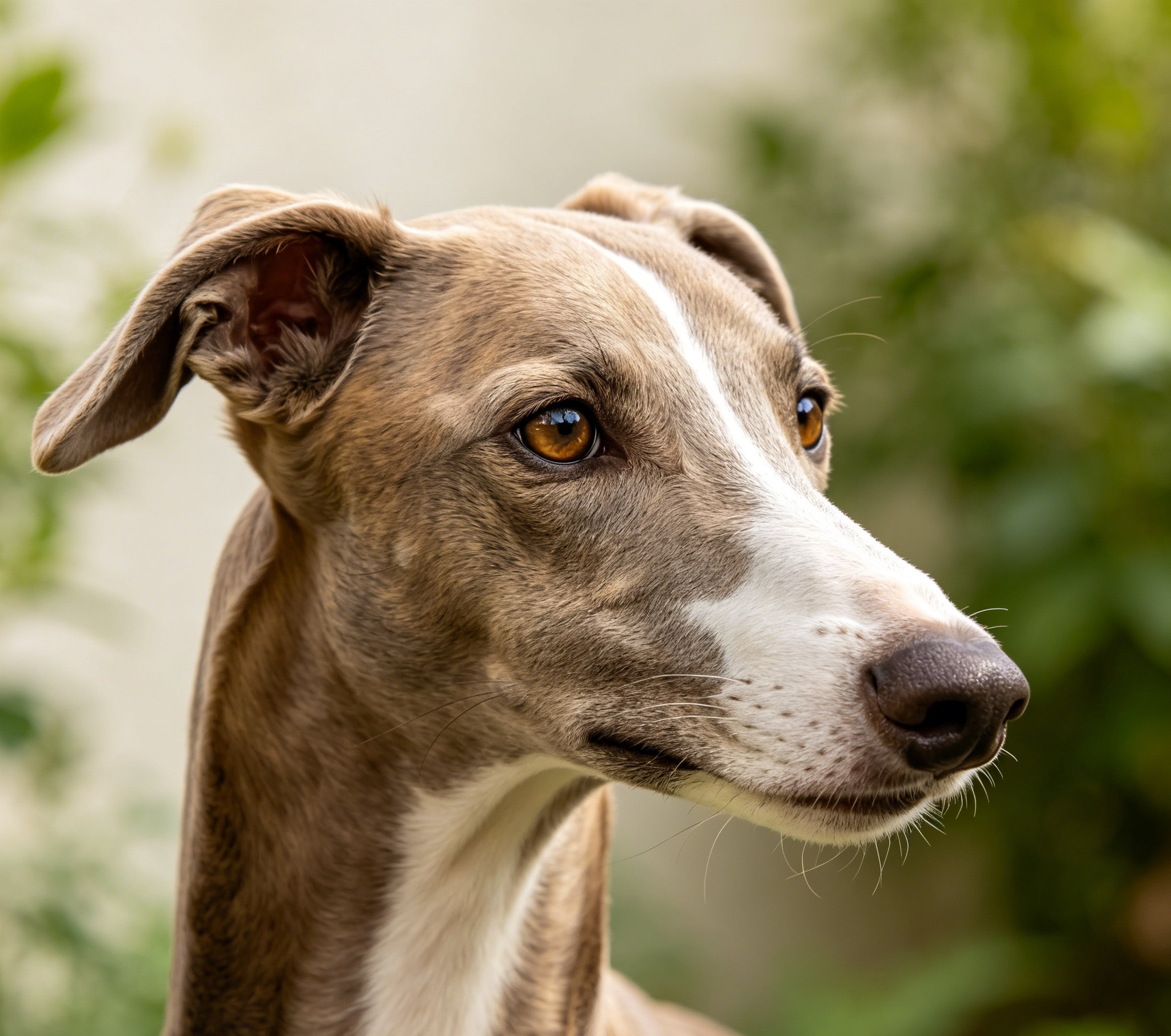
What an Italian Greyhound Asks of a Household
| Daily constraint | Score | What it changes | |—|—|—| | Floor safety | 5/5 | Slippery surfaces, open stairs, and high furniture can turn ordinary zooming into an injury risk. | | Weather margin | 5/5 | Coats, warm bedding, and shorter wet or cold outings are practical equipment, not decoration. | | Gentle family handling | 5/5 | Toddlers and rough dogs are a poor match unless interaction can be actively controlled. | | Dental routine | 4/5 | Daily tooth care and veterinary dental checks deserve a fixed place in the plan. | | First-dog margin | 3/5 | The coat is easy, but fragile bones and slow house training demand consistent management. |
Choosing between two sighthounds? Our Whippet vs Italian Greyhound comparison explains where the smaller dog changes handling, toilet routines, and household planning.
Italian Greyhound Quick Facts
| Trait | What to Expect |
|---|---|
| Size | 13–15 inches tall; roughly 7–14 pounds |
| Temperament | Affectionate, sensitive, playful, often shy |
| Energy level | Moderate; short sprints, long cozy naps |
| Exercise needs | Daily walks plus safe chances to run |
| Grooming needs | Very low; short coat, minimal shedding |
| Apartment friendly | Excellent |
| Good with families | Best with gentle adults and older children |
| Common concerns | Leg fractures, dental disease, cold sensitivity, anxiety |
| Best for | Calm homes wanting a devoted, low-shedding lap dog |
| Not ideal for | Rough, busy households or cold outdoor living |
Italian Greyhound Temperament
Italian Greyhounds are intensely affectionate and bond hard to their chosen people, often becoming true “velcro” dogs that want to be touching you at all times. Indoors they are quiet, gentle, and surprisingly cat-like, seeking out the warmest, softest spot in the house and burrowing in.
This is also a sensitive, sometimes timid breed. Many IGs are reserved with strangers and easily startled by loud noises or rough commotion, and they can become anxious if handled harshly or left alone too much. Early, positive socialization helps build their confidence and prevents excessive shyness.
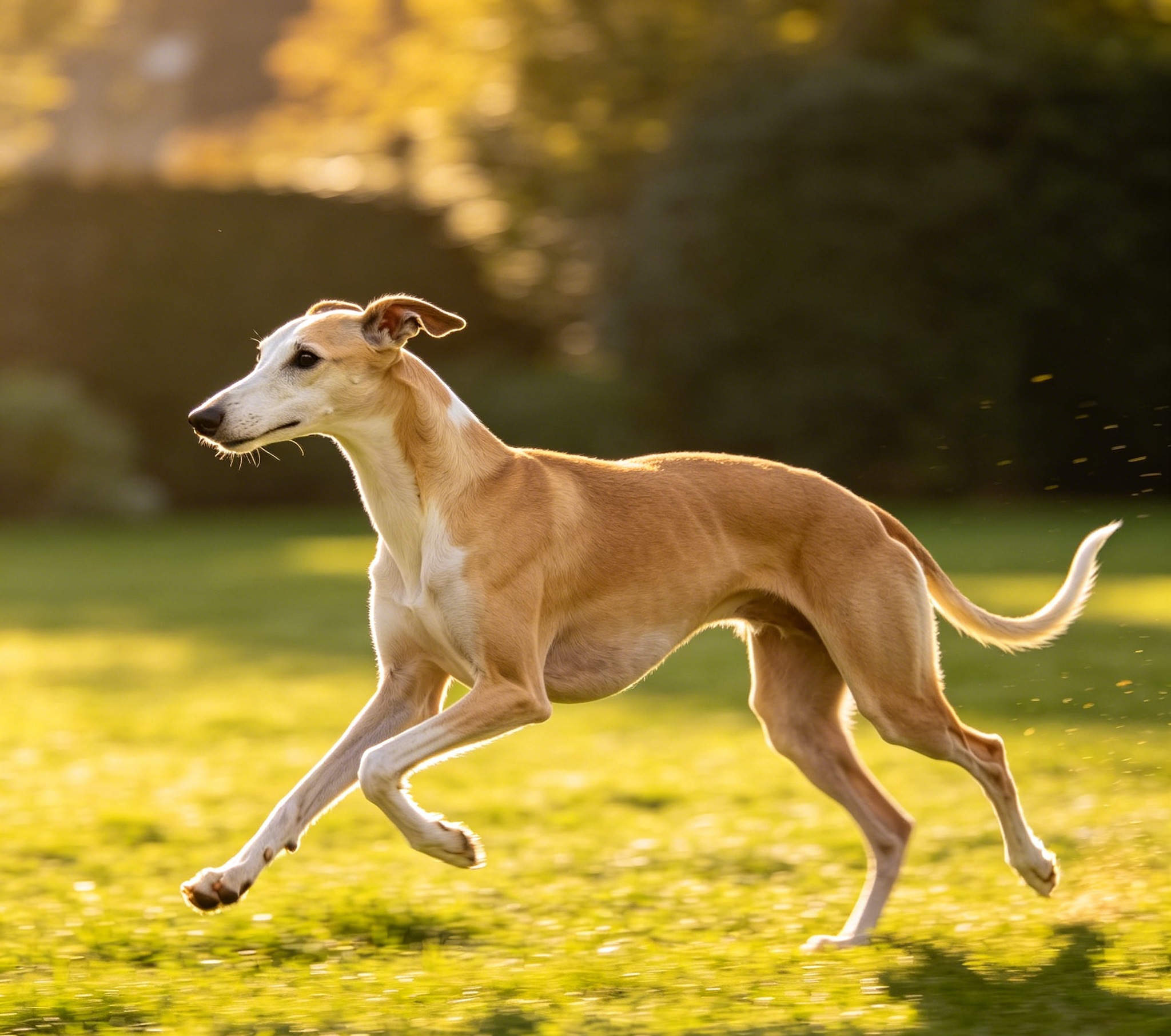
When they do switch on, they reveal their sighthound roots: sudden, joyful bursts of speed and a strong instinct to chase small moving things. That blend of couch-loving cuddler and lightning-fast chaser is exactly what makes the breed so charming, and what makes a securely fenced or leashed environment essential.
How an Italian Greyhound Uses Its Energy
Despite the lap-dog reputation, an IG is a real sighthound and loves to run. Their exercise pattern is distinctive: short, explosive sprints followed by long stretches of rest. A daily walk plus a chance to run flat-out in a safe space keeps them happy and prevents boredom.
Suitable activity for the breed includes:
- A daily leashed walk, ideally in mild weather and with a warm coat in winter.
- Safe off-leash sprinting only in fully fenced areas, since their chase drive overrides recall.
- Gentle play and lure-style toys that satisfy the instinct to chase.
- Cozy downtime afterward, which they will eagerly take.
Protect those fragile legs during play. Many IG fractures happen from jumping off furniture or rough landings, so discourage leaping from couches and beds and provide soft, safe spaces to land.
Coat Care in an Italian Greyhound Home
Grooming an Italian Greyhound is about as easy as dog care gets. The coat is short, fine, and close-lying, sheds very little, and stays virtually odor-free. A quick wipe with a soft cloth or grooming mitt is usually all the coat needs.
A simple care routine looks like this:
- Wipe the coat down weekly to keep it sleek; bathe only occasionally.
- Prioritize teeth, brushing daily if possible, because dental disease is a serious breed problem.
- Trim the delicate nails regularly and carefully.
- Provide warm sweaters and coats in cold weather, since the thin coat gives almost no insulation.
- Offer soft bedding and warm spots, which they will hunt out instinctively.
Common Italian Greyhound Health Issues
The breed’s most notorious vulnerability is broken legs. Italian Greyhounds, especially young ones, have very fine leg bones and are prone to fractures of the lower leg, often from a bad jump or fall. Preventing risky leaps and providing soft landings is one of the most important things an owner can do.
Dental disease is the other defining concern. IGs are highly prone to tartar buildup, gum disease, and early tooth loss, so daily brushing and regular veterinary dental care are essential. The breed is also watched for progressive retinal atrophy and other eye issues, luxating patellas, autoimmune conditions, and seizures in some lines. Their thin coat and low body fat make them genuinely cold-sensitive, and many are anxious by nature.
A responsible breeder screens eyes, checks patellas, and is candid about dental and orthopedic history, choosing health and sound structure over an exaggeratedly fine or delicate build.
If your IG cries out and favors a leg, develops bad breath or red gums, or shows sudden anxiety or vision trouble, arrange a prompt checkup with your veterinarian.
Meals and Body Condition for an Italian Greyhound
A healthy Italian Greyhound is naturally lean, with a visible tuck-up and an elegant outline; you should be able to feel the ribs and spine easily. Because they are so small, even a little extra food makes a big difference, so precise, measured feeding matters.
Helpful feeding habits for the breed include:
- Feeding a quality small-breed food in carefully measured amounts twice daily.
- Watching closely that the natural lean build does not tip into either thinness or pudginess.
- Counting training treats within the day’s calories, easy to overdo in such a tiny dog.
- Avoiding sticky, sugary, or starchy table foods that worsen their dental troubles.
Their slim physique is normal and healthy, so do not mistake an Italian Greyhound’s natural leanness for being underfed. Your veterinarian can confirm an ideal weight for your individual dog.
Teaching an Italian Greyhound Useful Habits
Italian Greyhounds are bright and capable but sensitive and sometimes stubborn, particularly around house-training. Gentle, patient, reward-based methods are essential; this is a breed that crumbles under harsh corrections and shines with encouragement.
Effective training approaches for the breed:
- Be patient with house-training, which IGs are famously slow to master; consistency and a routine help most, and many owners find indoor potty options useful in cold weather.
- Build a reliable recall in fenced areas, but never trust it against a moving lure, since the chase instinct wins.
- Socialize early and gently to counter natural timidity and noise sensitivity.
- Keep sessions short, positive, and warm, ending on a win.
Because they bond so tightly, IGs can be prone to separation anxiety, so teaching calm, gradual alone time from puppyhood is well worth the effort.
Pros and Cons of Italian Greyhounds
| Pros | Cons |
|---|---|
| Deeply affectionate, devoted lap companion | Fragile legs prone to fractures |
| Tiny size, ideal for apartments | Serious dental disease risk |
| Very low grooming and minimal shedding | Cold-sensitive; needs sweaters and warmth |
| Quiet and gentle indoors | Often timid and prone to anxiety |
| Modest exercise needs with fun sprints | Difficult to house-train; unreliable recall |
Italian Greyhound Owners Organize Life Around Weather and Floors
Cold rain can undo an Italian Greyhound house-training routine in a single unpleasant week. Stairs and slippery surfaces complicate the same ordinary schedule, while young dogs may launch from furniture with more confidence than body awareness. Owners also describe deep attachment that needs gradual alone-time practice. Protecting the dog should mean safer environments and skills, not permanent carrying.
Italian Greyhound Advice by Home and Experience
A good size with difficult toilet logistics
The dog can settle beautifully indoors, but a high-rise trip outside in cold rain may undermine house training. Use a consistent plan, warm gear, and frequent opportunities. Rugs improve traction, and hall encounters with larger dogs need space.
A house needs low-impact routes
Block high jumps, secure narrow fence gaps, and check deck rails. A sheltered toilet area can help in bad weather. Yard access does not replace walks or careful social exposure.
A beginner should plan for fragility without fear
Teach calm lifting, recall, tooth brushing, and short absences. Supervise children and larger dogs. Ask a veterinarian about injury prevention and respond promptly to limping or pain rather than assuming the dog is dramatic.
Experienced toy-dog homes can build independence
Use safe floor-level exploration, controlled sprints, and choice-based handling. Avoid rewarding every worried moment with immediate carrying. Confidence grows from manageable success while physical risk remains controlled.
Italian Greyhound Myths That Create Extremes
Italian Greyhounds need no real exercise
They enjoy sprinting and walking when weather and surfaces are suitable. Activity should be controlled for size and injury risk, not removed. Mental work and sniffing also matter.
Fragile dogs should be carried everywhere
Constant carrying limits physical confidence and social learning. Use secure equipment, safe surfaces, and distance from rough situations while allowing the dog to move and make choices.
For a practical planning check, use the dog cost calculator to include warm clothing, ramps and rugs, dental care, secure harnesses, training, safe boarding, and an injury reserve. The dog fit score cards can help you compare climate, toilet access, stairs, children, larger pets, time alone, and willingness to manage a physically delicate sighthound.
Is an Italian Greyhound Right for You?
The Italian Greyhound is wonderful for a gentle, attentive owner who wants a cuddly, low-shedding companion and is willing to protect a delicate dog. They flourish in calm apartments and quiet homes, adore close company, and ask very little in the way of grooming.
They are a poor match for rough-and-tumble households, homes with rambunctious young children, or anyone expecting an outdoor dog or fast house-training. Their fragility, cold sensitivity, and emotional delicacy demand a careful, patient touch. If your home is busy or boisterous, a sturdier breed is the kinder choice.
To compare other companions, see the much larger guardian in the Great Pyrenees guide, the glamorous small spaniel in the American Cocker Spaniel guide, or the comical toy companion in the Brussels Griffon guide. Seeing them together highlights how different small breeds can be in sturdiness and care.
The Italian Greyhound Decision
The Italian Greyhound is a singular companion: a sleek, ancient sighthound in miniature that wants nothing more than to sprint a little, then melt into your lap for hours. For a gentle, attentive home, the devotion and easy grooming make them a delight.
Their delicacy is the whole story, though. Guard those fragile legs, brush those teeth, keep them warm, and treat their sensitive nature kindly, and you will have a uniquely affectionate, low-maintenance shadow. Ignore those needs and the breed’s vulnerabilities surface fast, so an IG belongs with someone ready to protect as much as to cuddle.