
The Cane Corso is a large guardian breed whose first owner decision is usually logistical, not romantic. Can the home meet local rules, welcome visitors with a repeatable plan, safely transport and handle a heavy dog, and get help from a trainer before bad habits have weight behind them? Its close bond with family is meaningful, but it does not remove the responsibility to create calm, neutral public behavior.
The breed needs a steady owner who can provide socialization, structure, exercise, and fair training from the beginning. In the right hands, it can be calm and affectionate. In an unprepared home, its size and guardian instinct become difficult to manage quickly.
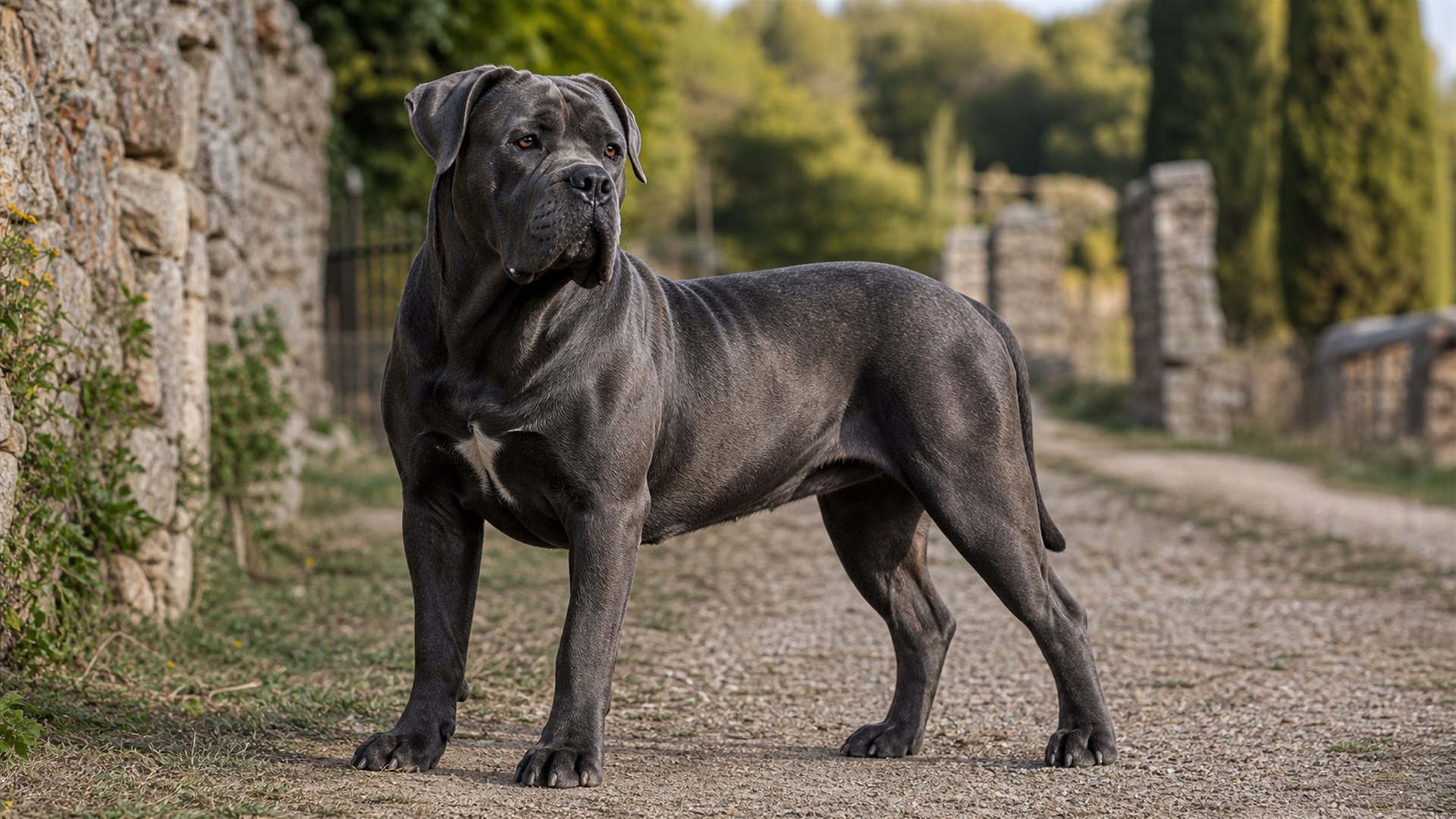
Cane Corso Quick Facts
| Trait | What to Expect |
|---|---|
| Size | Large guardian, often about 90 to 120 pounds |
| Temperament | loyal, confident, watchful, affectionate with family, reserved with strangers |
| Energy level | Moderate to high |
| Exercise needs | daily walks, training, controlled play, and mental work |
| Grooming needs | low to moderate short-coat care |
| Apartment friendly | Possible only with experienced owners and excellent routine |
| Good with families | Good in structured homes with respectful children |
| Common concerns | hip and elbow dysplasia, eyelid issues, bloat, heart concerns, obesity |
| Best for | experienced owners wanting a serious companion guardian |
| Not ideal for | passive owners, chaotic homes, or people who skip training |
Cane Corso Fit Begins With Legal and Housing Checks
| Fit Factor | Score | What It Means |
|---|---|---|
| Apartment Fit | 2/5 | Possible only with excellent routine, training, and responsible handling. |
| First-Time Owner Fit | 1/5 | Usually too powerful and protective for a beginner home. |
| Family Fit | 3/5 | Can work in structured homes with respectful children and supervision. |
| Exercise Demand | 4/5 | Needs steady walks, training, and controlled physical work. |
| Grooming Difficulty | 1/5 | Short coat is easy, though drool, ears, nails, and teeth still matter. |
| Training Difficulty | 4/5 | Smart and bonded, but guardian instincts require consistency. |
Cane Corso Temperament
The Cane Corso is usually calm and affectionate with its own people, but it is not a social butterfly. Many Corsos are naturally reserved with strangers and prefer to observe before accepting someone new. That watchful attitude is part of the breed’s guardian heritage, so owners must shape it carefully through early and ongoing socialization.
A well-raised Corso tends to be loyal, steady, and surprisingly sensitive. It may lean against its owner, follow the family from room to room, and relax quietly once its exercise and mental needs are met. The breed’s seriousness, however, should not be underestimated. A Corso that lacks clear boundaries can become pushy, territorial, or reactive.
Confidence is the goal. Puppies should meet many normal people, places, sounds, surfaces, and controlled situations so they learn what everyday life looks like. Socialization does not mean forcing friendliness; it means teaching the dog to remain calm and manageable in the world.
Daily Work Without Overloading Young Joints
The Cane Corso is powerful rather than frantic. Most adults need one to two hours of daily activity split between physical exercise and training. A few casual potty walks are not enough, but the breed also should not be treated like a long-distance endurance dog, especially while young joints are developing.
A good routine can include:
- Structured leash walks with attention work.
- Short training sessions for obedience, impulse control, and recall.
- Controlled tug, fetch, flirt-pole work, or scent games.
- Strength-friendly activities such as hiking or pulling only after maturity and veterinary guidance.
- Calm decompression time so the dog learns how to settle indoors.
Avoid hard jumping and forced running for puppies and adolescents. Large breeds need slow, controlled growth, and overdoing high-impact exercise too early can increase joint stress. In hot weather, exercise during cool parts of the day and watch for overheating.
Low Coat Work, High Body-Handling Need
The Cane Corso has a short, dense coat that is easier to maintain than the coats of many giant guardians. Weekly brushing with a rubber curry brush or grooming mitt removes loose hair, spreads skin oils, and gives you a chance to check for lumps, irritation, or small injuries.
Expect more shedding during seasonal changes. The breed is not high-maintenance at the groomer, but basic care still matters:
- Brush weekly, more often during shedding seasons.
- Trim nails consistently so the dog can stand and move correctly.
- Clean ears as needed, especially if the dog has wax buildup or odor.
- Brush teeth several times a week.
- Wipe drool when necessary, since some Corsos are slobberier than others.
Common Cane Corso Health Issues
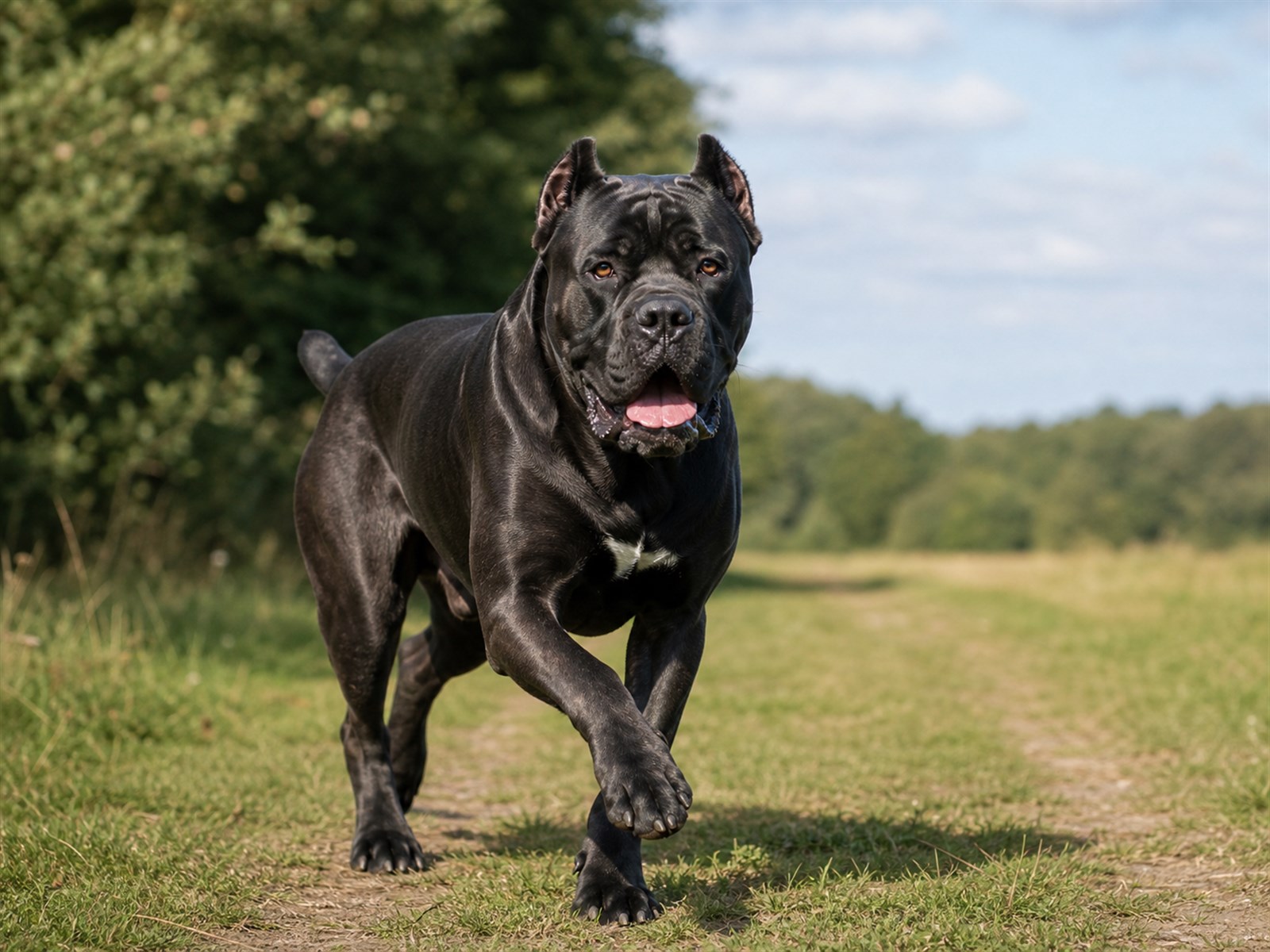
The Cane Corso is a large, heavy breed, so orthopedic health is a major concern. Hip and elbow dysplasia can appear in the breed, and responsible breeders screen breeding dogs before producing puppies. Eyelid problems such as entropion or ectropion may also occur, and some lines have heart concerns that deserve veterinary attention.
Like many deep-chested large breeds, Corsos can be at risk for bloat, or gastric dilatation-volvulus. A swollen abdomen, unsuccessful retching, sudden distress, or collapse is an emergency. Owners should learn the signs before they ever need them.
Weight control is not cosmetic here. Extra pounds add strain to hips, elbows, knees, and the spine. Ask a veterinarian about body condition, growth rate, and any signs of lameness, pain, eye irritation, breathing distress, or sudden behavior change.
Keep a Powerful Frame Lean
A Cane Corso should look strong and athletic, not bulky for the sake of size. Overfeeding a large guardian puppy can push growth too fast, and an overweight adult carries more joint and heart strain. Use measured meals instead of free-feeding and adjust portions based on body condition.
Practical feeding habits:
- Feed a complete diet suitable for large-breed growth if the dog is a puppy.
- Split food into two measured meals a day.
- Keep intense exercise away from mealtimes as a bloat precaution.
- Count training treats in the daily calorie total.
- Recheck weight and body condition often because muscle and bulk can hide fat.
If your dog gains weight, limps, refuses food, retches without producing vomit, or seems painful, consult a veterinarian promptly.
Neutrality, Visitor Rules, and Leash Control
Training is not optional for a Cane Corso. This is a strong guardian breed that needs clear manners before adulthood, when size makes mistakes harder to manage. Reward-based training, calm leadership, and consistent household rules work better than intimidation, which can damage trust or create defensive behavior.
Priorities for this breed:
- Start puppy socialization and basic obedience immediately.
- Teach loose-leash walking before the dog is stronger than the handler.
- Build impulse control around doors, food, guests, and other dogs.
- Practice calm greetings instead of allowing jumping or body-checking.
- Work with a trainer experienced in large guardian breeds if problems appear.
The Corso is intelligent and often eager to work with a trusted person, but it also tests inconsistency. Everyone in the household should use the same rules, because a powerful adolescent quickly finds the weak spots.
Pros and Cons of Cane Corsos
| Pros | Cons |
|---|---|
| Deeply loyal and bonded to family | Too powerful for casual ownership |
| Calm, impressive guardian presence | Needs serious socialization and training |
| Short coat is easy to maintain | Can be wary, territorial, or pushy if poorly raised |
| Athletic and trainable for the right owner | Large-breed health risks can be costly |
| Often affectionate and steady at home | Not ideal for homes with constant unmanaged visitors |
Cane Corso Myths That Encourage Risk
A Corso naturally knows when protection is needed
Dogs do not make reliable legal judgments. Stable genetics, management, neutrality, and trained control matter. Encouraging suspicion can create liability rather than safety.
Mastiff size means a low-energy couch dog
Corsos need daily physical and mental work, especially through adolescence. Exercise should protect growing joints, but inactivity and yard isolation are not suitable plans.
Set up the dog cost calculator with ongoing training, secure fencing and gates, insurance research, large-dog food, capable boarding, muzzle-conditioning equipment, and medical savings. The dog fit score cards are useful before purchase because they force a direct look at housing rules, visitors, public handling, children, other dogs, guardian experience, and qualified local support.
Is a Cane Corso Right for You?
A Cane Corso can be right for you if you have experience with large dogs, enjoy structured training, and want a serious companion guardian that lives closely with its family. The best owners are calm, consistent, physically capable, and realistic about socialization, vet costs, and daily management.
This breed is not a good match if you want an easy first dog, a dog park regular, or a dog that loves every stranger by default. Start with the Cane Corso vs Rottweiler comparison, then read the Caucasian Shepherd Dog guide and the Kangal Dog guide. The differences in trainability, territory, and stranger tolerance matter.
Serious Dogs Need Quiet Structure
Set door, visitor, leash, food, rest, and handling rules while the Cane Corso is still easy to guide physically. Socialization should produce neutrality and recovery around ordinary life. Chaotic greetings add excitement without teaching the dog how to disengage.
Delaying structured training until adolescence allows strength and suspicion to become part of the daily pattern. Arrange qualified training help early, verify secure management, and budget for large-dog food, insurance or emergency savings, orthopedic care, and bloat-related emergencies.
The Cane Corso Property and Visitor Plan
Containment has to work on a bad day
Secure fencing, locked gates, and a second barrier near exterior doors reduce the chance of one human mistake becoming a loose guardian. Test latches, remove climbable objects near the fence, and decide where the dog goes when contractors or delivery workers enter. Electronic boundary systems do not prevent another person or animal from crossing into the yard.
Visitors should never improvise the introduction
Use a leash, place cue, gate, or separate room before opening the door. Some visitors may never need direct contact with the dog. Owners should watch body language and end an interaction before tension rises. The goal is predictable control, not proof that the Corso will accept every person who enters the property.
Adolescence is where weak rules surface
A young Corso gains strength long before judgment catches up. Leash skills, handling, trading objects, and calm behavior around gates need daily practice during this period. Owners who see guarding, hard staring, lunging, or conflict should involve a qualified trainer early. Waiting for the dog to mature can give unwanted behavior months of rehearsal.
Who Is Ready for a Cane Corso
The Cane Corso is a loyal, powerful, and impressive Italian guardian for owners who respect what the breed is. It can be calm and affectionate at home, but it needs early socialization, firm routines, and a handler who understands large protective dogs.
Choose this breed only if you want the full responsibility, not just the look. For the right owner, the Cane Corso is a devoted partner. For the wrong one, it is simply too much dog.