
An Afghan Hound suits an owner who wants an elegant, independent sighthound and is prepared to manage two very different dogs: a quiet house companion and a fast, chase-driven athlete outdoors. The breed’s long coat is visible, but coat care is only one part of the decision. Secure exercise, reliable containment, and realistic expectations about obedience matter just as much.
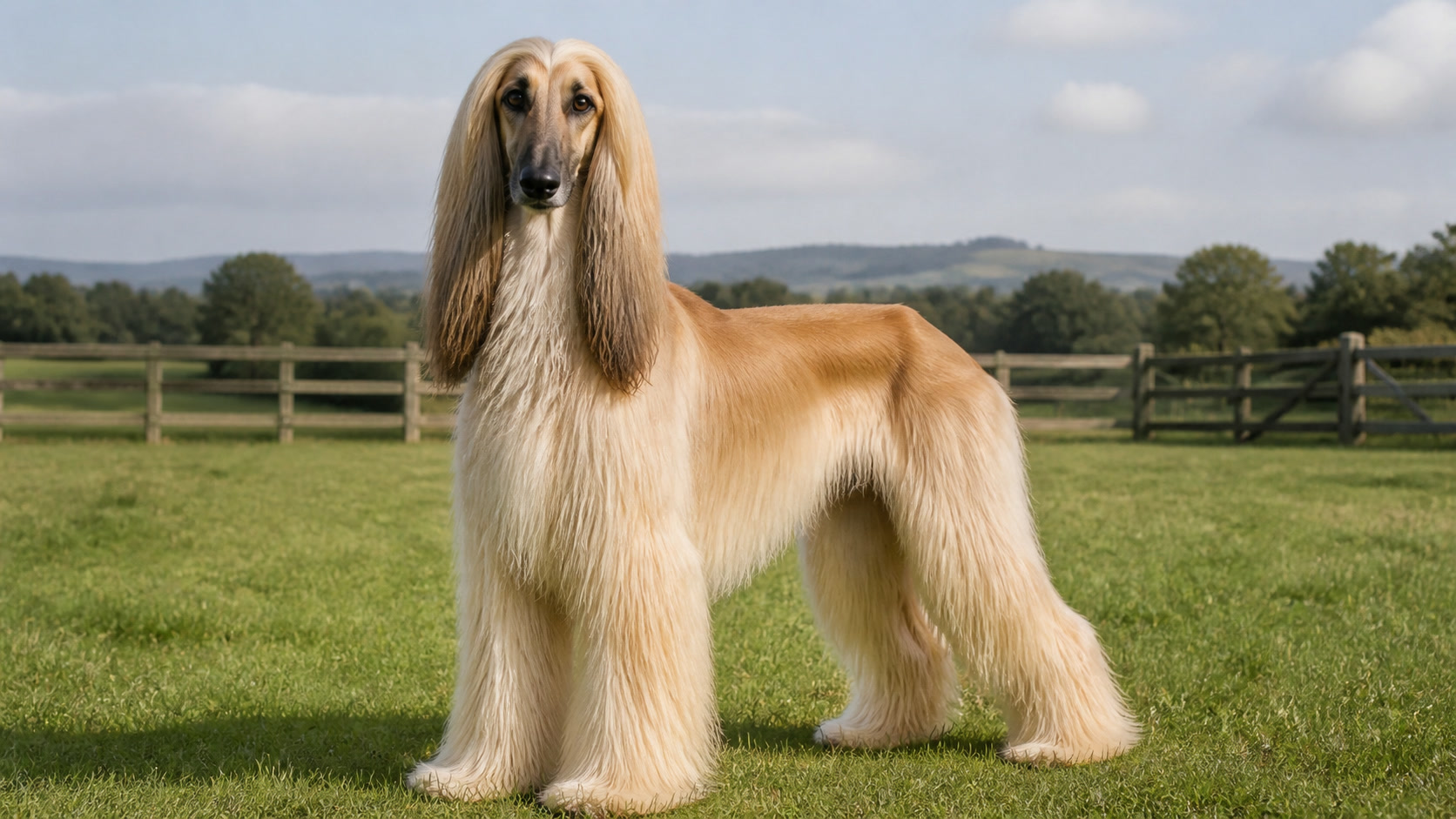
The Afghan Hound Lifestyle Split
Inside, many Afghan Hounds are composed and surprisingly restful. Outside, the picture changes quickly when a rabbit, squirrel, or moving object appears. A large yard without secure fencing is not exercise infrastructure; it is an escape opportunity. Owners need a genuinely enclosed area, a harness or long line for training, and a plan for safe running that does not depend on a perfect recall.
The breed can live in a house or a large apartment if the owner can provide controlled outdoor activity and tolerate the grooming equipment that follows a long-coated dog home. A yard helps, but it does not replace walks, novelty, and structured exploration. The better question is whether the owner can separate quiet indoor living from safe, fast outdoor movement.
Afghan Hound Quick Facts
| Trait | What to Expect |
|---|---|
| Type | Large sighthound with independent decision-making |
| Temperament | Dignified, sensitive, observant, and selective with affection |
| Exercise | Regular walks plus safe opportunities to stretch and run |
| Recall | A long-term management project because of chase instinct |
| Coat | Long, fine, and time-consuming to brush and dry |
| Family fit | Better with calm older children than rough young play |
| Main planning concerns | Fencing, grooming, prey drive, dental and orthopedic screening |
Why Recall Is a Safety System, Not a Personality Test
Afghan Hounds can learn useful cues, but an owner should not interpret a delayed response as stubbornness that can be defeated by repeating the command louder. Sighthounds were selected to notice and pursue movement. A safe routine uses secure fencing, identification, a well-fitted harness, and rehearsed emergency handling. Recall practice is worthwhile, but containment remains the primary safeguard.
Training should be brief and varied. Reward check-ins, collar touches, coming indoors, standing for examination, and walking past moving distractions. End before the dog loses interest. A relationship based on cooperation is more productive than trying to force the breed into the style of a biddable retriever.
The Coat Changes the Household Budget
The Afghan coat can mat when wet, dirty, or neglected. Brushing is not just a beauty task; it is a way to find skin changes, burrs, and tangles before they become painful. Bathing and drying take time, and a professional groomer may be useful even when the owner does much of the weekly work.
Teach grooming in small steps. A puppy that accepts feet, ears, tail, dryer noise, and a comb is easier to maintain than an adult that has only experienced rushed restraint. Keep the coat around the feet and sanitary areas practical, and ask a qualified groomer to demonstrate a routine suited to the individual coat.
Apartment, House, Beginner, and Experienced Owner Advice
Apartment versus house
An apartment can work when the owner has access to a secure run or fenced field and can prevent hallway escapes. Elevators, doors, and shared corridors deserve special attention because one open door can turn into a chase. A house is useful only if fencing is tall, intact, and checked regularly.
First-time versus experienced owner
A first-time owner should have professional support before bringing home an Afghan Hound and should meet adult dogs in ordinary home settings. An experienced sighthound owner may understand management, but still needs to budget for coat care and a dog that chooses cooperation rather than offering it automatically.
Children and other animals
Respectful older children may enjoy the breed’s quiet presence. Babies, rough play, and crowded rooms require adult control. Small pets are a serious consideration because a peaceful household coexistence does not erase chase instinct outdoors or during sudden movement.
Afghan Hound Myths Worth Correcting
One myth says the breed is vain and unintelligent because it does not obey like a working retriever. In reality, intelligence and willingness to repeat a human request are different traits. The owner must teach for cooperation, not performance theater.
Another myth says the long coat means the Afghan Hound cannot enjoy outdoor life. It can enjoy walks and controlled activity, but the owner must manage tangles, wet weather, burrs, and drying instead of treating the coat as decoration.
A third myth says a large yard makes recall unnecessary. Fencing protects the dog; it does not teach the dog to return. Outdoor freedom should occur only where containment is genuinely secure.
Use the dog cost calculator to include professional grooming, fencing, secure transport, long lines, training, boarding, and an emergency reserve. The dog fit score cards help compare time available for coat care, access to safe running, small pets, children, and the owner’s comfort with management instead of off-leash convenience. For a shorter-coated athletic comparison, read the Weimaraner guide or Whippet guide.
Is an Afghan Hound Right for You?
Choose this breed if you appreciate a quiet, graceful companion, can maintain a long coat, and are willing to build exercise around secure running rather than wishful recall. Avoid it if you want a dog that can routinely hike off leash, needs very little grooming, or will happily repeat obedience drills for praise alone.
The Afghan Hound is not difficult because it is incapable. It is difficult because its priorities are different from the owner’s unless the owner builds a thoughtful system. That difference is manageable when accepted early and frustrating when discovered after an escape or a serious coat mat.
The Afghan Hound Decision
This is a breed for owners who enjoy nuance: calm indoors, fast outdoors; affectionate on its terms, sensitive under pressure; visually dramatic, but maintenance-heavy. Secure exercise and coat care are the two non-negotiable foundations. If those fit your life, the Afghan Hound can be an unusually quiet and memorable companion.