
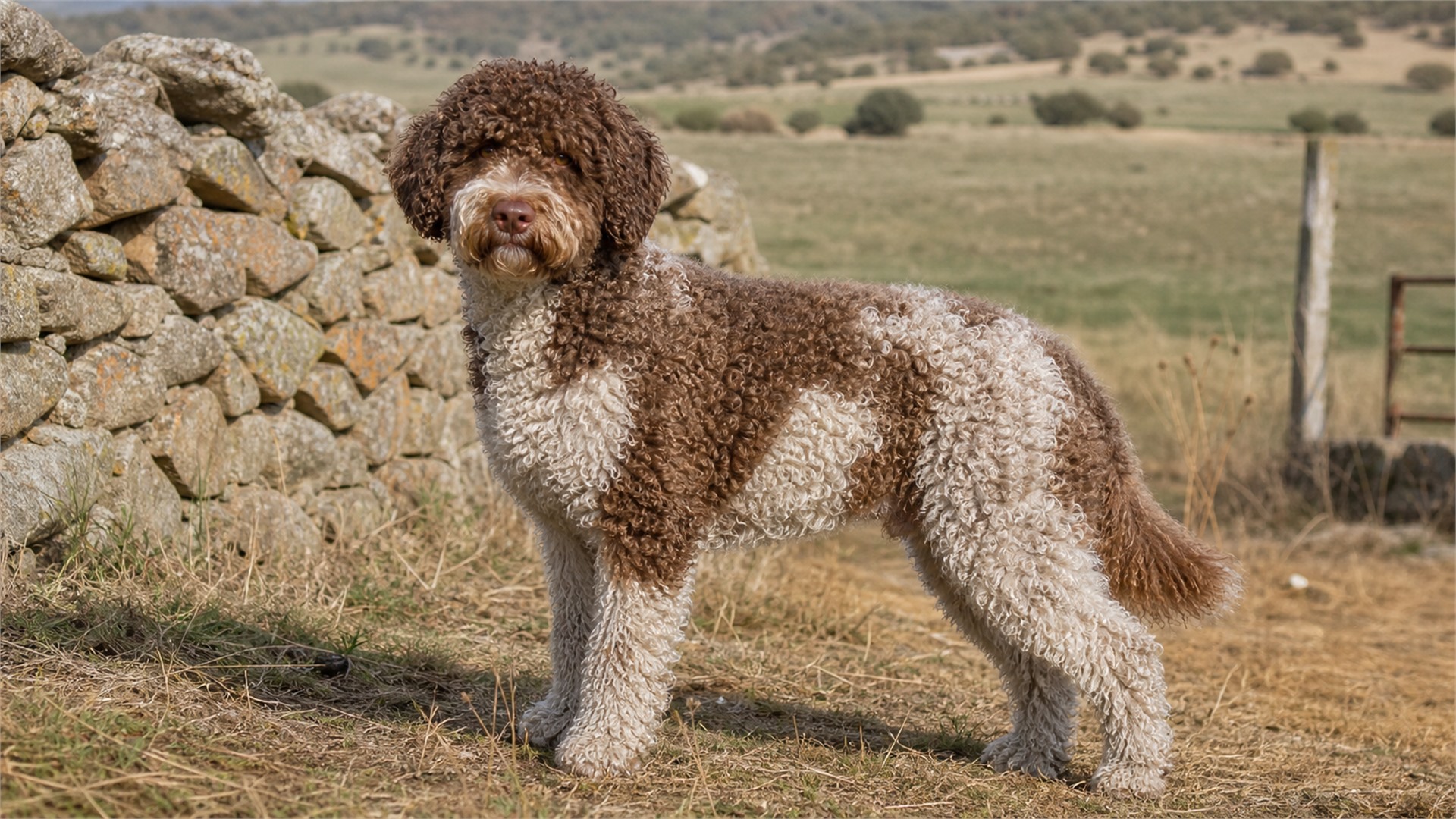
The Spanish Water Dog, or Perro de Agua Espanol, is a true all-rounder from the Iberian Peninsula, a single dog that historically herded goats and sheep in the morning, hauled nets and retrieved gear from the water in the afternoon, and guarded the homestead at night. That triple job description produced a tireless, intensely focused breed wrapped in a distinctive woolly coat that grows into natural cords rather than the soft curls of its water-dog cousins.
Among curly water breeds, the Spanish Water Dog stands apart for two reasons: it carries a genuine herding instinct, and its coat is managed completely differently from a Portuguese Water Dog’s. Owners do not brush this breed. They let the wool felt into cords and trim it down once or twice a year. Understanding that, along with the dog’s drive and reserve toward strangers, is the key to a good match.
Coat Rules and Stranger Awareness
| Fit Factor | Score | What It Means | |—|—|—| | Apartment Fit | 2/5 | Possible only with committed exercise, training, and careful neighbor management. | | First-Time Owner Fit | 2/5 | Challenging for new owners unless they have strong support and training plans. | | Family Fit | 3/5 | Can suit the right family when children, space, and routines are managed. | | Exercise Demand | 5/5 | High-drive breed; under-exercise can quickly create behavior problems. | | Grooming Difficulty | 3/5 | Moderate grooming or shedding; plan for regular brushing and basic upkeep. | | Training Difficulty | 4/5 | Can be stubborn, intense, or independent; structure matters. |
Spanish Water Dog Quick Facts
| Trait | What to Expect |
|---|---|
| Size | Medium; roughly 31 to 49 pounds, 15.5 to 19.5 inches tall |
| Temperament | loyal, hardworking, intelligent, active, and reserved with strangers |
| Energy level | High |
| Exercise needs | one to two hours daily of training, herding-style games, and swimming |
| Grooming needs | unusual; never brushed, coat cords naturally and is shorn once or twice yearly |
| Apartment friendly | Possible only with heavy exercise, strong training, and early socialization |
| Good with families | Good for active, experienced families it has bonded with |
| Common concerns | hip dysplasia, PRA, congenital hypothyroidism, and exfoliative dermatosis |
| Best for | committed owners who want a versatile working-minded partner |
| Not ideal for | first-time or hands-off owners, or anyone who wants a fluffy brushed coat |
Spanish Water Dog Temperament
This breed is loyal to the point of velcro, but its devotion is reserved for its own family. Spanish Water Dogs are naturally cautious and watchful with strangers, a guarding trait that makes early, thorough socialization essential. Properly raised, they are discerning and confident; under-socialized, they can become shy or reactive toward unfamiliar people and situations.
The herding heritage runs deep. These dogs are alert, quick to react to movement, and prone to wanting to gather and control, which can include nipping at heels or herding running children if the instinct is not redirected. They are also seriously intelligent and need a job. A bored Spanish Water Dog is an anxious, destructive one, and the breed’s sensitivity means stress shows up quickly in their behavior.
With their people they are affectionate, fun-loving, and deeply attached, happiest working alongside an owner they trust.
How a Spanish Water Dog Uses Its Energy
A Spanish Water Dog needs both hard physical exercise and steady mental challenge, and skimping on either causes problems. The breed excels when its body and herding brain are engaged together rather than simply walked in circles. Sport and structured work suit them far better than aimless laps around the block.
A good week of activity might include:
- Long, brisk walks or runs to burn physical energy.
- Herding lessons or treibball, which tap directly into their instincts.
- Swimming and water retrieving, a nod to their dual heritage.
- Agility, obedience, or scent work for variety and focus.
- Daily training sessions that double as mental exercise.
Tailor intensity to age and weather. Like other working breeds, growing puppies should skip repetitive jumping and hard running until the joints finish developing. The dense coat offers some weather protection, but watch for overheating during summer work and provide water and shade.
Coat Care in a Spanish Water Dog Home
Grooming the Spanish Water Dog is unlike caring for any brushed breed, and getting it wrong ruins the coat. The wool is never brushed or combed. Left to grow, it naturally separates and felts into tight cords, similar to the way a Puli’s coat develops. Owners simply ensure the cords separate cleanly down to the skin during shedding and bathe occasionally, drying carefully so the felted coat does not sour or mildew.
Once or twice a year, the entire coat is shorn down short with clippers, returning the dog to a uniform length, and then the cycle of growth and cording begins again. The breed standard requires that the coat be shown in its natural corded or curled state, never sculpted or scissored into shape. This low-but-specialized routine sheds very little hair into the home, but it demands that owners learn the technique.
Beyond the coat, keep up with:
- Ears, dried and checked after every swim since the coat traps moisture.
- Nails, trimmed on a regular schedule.
- Teeth, brushed several times a week.
- Skin checks during baths, when you can finally see down to it.
Common Spanish Water Dog Health Issues
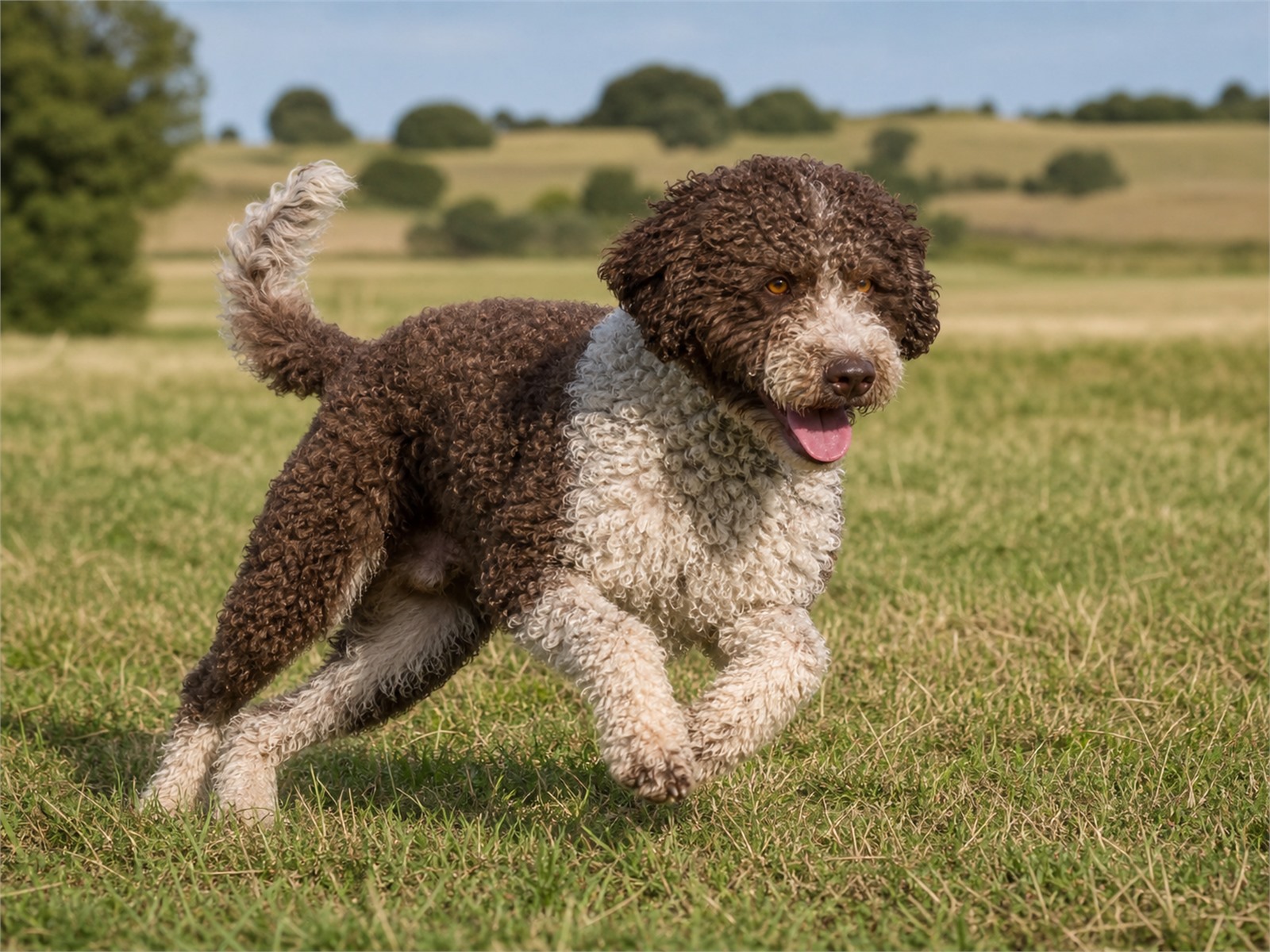
The Spanish Water Dog is a generally robust working breed, but several inherited conditions deserve attention. Hip dysplasia and progressive retinal atrophy (PRA) are the most common screening concerns. The breed also has notable risk of congenital hypothyroidism and a rarer skin condition, exfoliative dermatosis, both of which responsible breeders work to avoid through testing and pedigree research.
Because DNA tests exist for several of these issues, ask any breeder for documented hip clearances, eye exams, and relevant genetic results for both parents. A careful breeder will also discuss temperament and socialization, since this reserved breed depends on a stable foundation. Be wary of anyone breeding for unusual color or coat texture at the expense of health and stable nerves.
Persistent skin flaking, weight gain with lethargy, vision changes, or a sudden shift in temperament are all reasons to consult your veterinarian promptly.
Meals and Body Condition for a Spanish Water Dog
Keeping a Spanish Water Dog lean supports the athletic, herding lifestyle the breed is built for. Because the corded coat completely obscures the body, owners must rely on hands-on checks rather than appearance: feel for ribs under a light covering and a clear waist tuck when viewed from above.
Sensible feeding practices for this breed:
- Portion a quality diet to the dog’s working level, increasing for heavy sport weekends and easing back during quieter stretches.
- Offer two measured meals daily instead of constant access to food.
- Treat hypothyroid-prone individuals’ weight changes seriously and discuss diet with your vet if a dog gains without overeating.
- Fold training rewards into the daily ration so a food-driven dog does not creep upward.
- Reassess body condition by touch every few weeks, since the cords hide everything.
Teaching a Spanish Water Dog Useful Habits
Spanish Water Dogs are highly trainable and quick to learn, but their intelligence and sensitivity mean they need a thoughtful handler. Positive, reward-based training builds the trust this breed runs on, while harsh methods damage their confidence and can deepen wariness. Consistency and fairness matter more here than firmness.
Approaches that bring out the best:
- Prioritize early, extensive socialization to soften the breed’s natural reserve toward strangers.
- Redirect herding behaviors, like nipping and chasing, onto toys, fetch, and structured herding outlets.
- Give the dog a real job or sport; a Spanish Water Dog without purpose finds its own, usually unwelcome, projects.
- Build gradual tolerance for alone-time to head off the anxiety this attached breed can develop.
- Keep sessions upbeat and varied to match a busy, clever mind.
Because they are eager to please their own person but cautious of the wider world, training success hinges on a strong relationship. Invest in that bond and the breed will work tirelessly for you.
Pros and Cons of Spanish Water Dogs
| Pros | Cons |
|---|---|
| Versatile worker: herds, swims, retrieves, and guards | Strong herding drive can mean nipping and chasing |
| Distinctive corded coat sheds very little | Coat care is specialized and never involves brushing |
| Intelligent, athletic, and quick to learn | Reserved with strangers; needs heavy socialization |
| Deeply loyal and bonded to its family | Sensitive and prone to anxiety without enough work |
| Excels at dog sports and farm tasks | Demanding for first-time or inactive owners |
Spanish Water Dog Owners Manage Reserve and Cords Together
Spanish Water Dog owners have to learn two specialties at once: a rustic coat and a serious working temperament. The coat is not brushed like a Poodle coat; cords and even texture require knowledgeable care and thorough drying. Many dogs are also more reserved, watchful, or herding-focused than buyers expect from the water-dog name. Forced greetings and casual grooming advice can create avoidable conflict.
Spanish Water Dog Advice by Home and Experience
An apartment compresses visitors and dog encounters
A suitable dog may settle after work, but elevators and hallways reduce distance for a reserved individual. Train neutral observation and a calm place away from the door. Coat drying needs practical space.
A house can encourage territorial watching
Manage fences, windows, and visitor entry so the dog does not rehearse guard decisions. Use the yard for controlled work and continue varied outings. Mud and wet cords require a drying routine, not a quick surface towel.
A beginner needs breed-specific grooming and training help
Meet stable adults, ask about reserve and herding behavior, and find professionals who understand the coat. Avoid brushing or shaping cords based on generic curly-dog advice. Build handling and social distance gradually.
Experienced herding homes should value neutrality
Use scent, herding, and sport without encouraging suspicion. Experienced owners can read stress before a reaction and protect recovery. A strong work ethic does not make crowded social settings necessary.
Spanish Water Dog Myths Created by the Name
A Spanish Water Dog is basically a Portuguese Water Dog
They have different histories, coat practice, and broad temperament tendencies. Choosing by the shared water-dog label can miss reserve, herding, and guardian traits.
A corded coat is maintenance-free because it is not brushed
No brushing does not mean no work. Cords need separation, cleanliness, full drying, and monitoring for debris or skin problems. Grooming advice should come from breed-experienced sources.
For a practical planning check, use the dog cost calculator to include breed-specific grooming help, drying, training for reserve and visitors, activities, secure fencing, boarding, and health savings. The dog fit score cards can help you compare grooming knowledge, guest traffic, shared spaces, herding outlets, social expectations, and experience with reserved working dogs.
Is a Spanish Water Dog Right for You?
This breed suits a committed, experienced owner who wants a versatile working partner and can provide daily exercise, real mental challenges, and a structured outlet for the herding drive. If you are drawn to dog sports, farm work, or simply an intensely loyal companion, and you are prepared to socialize diligently and learn the corded-coat routine, the Spanish Water Dog rewards that effort generously.
It is the wrong choice for a hands-off household, a first-time owner expecting an easy dog, or anyone who pictured a soft, brushable coat. The reserve toward strangers and the need for work are not quirks to ignore; they shape daily life with this breed.
For comparison, read the curlier Portuguese Water Dog guide, the birdy English Springer Spaniel guide, or the high-drive Australian Shepherd guide. Setting working breeds side by side clarifies real differences in coat care, sociability, and intensity.
The Spanish Water Dog Decision
The Spanish Water Dog is a rugged, brilliant, and intensely loyal breed for owners who want a working partner rather than a passenger. Meet its needs for exercise, mental work, socialization, and that one-of-a-kind corded coat, and you gain a devoted companion capable of nearly any task you set it.
If you want an easygoing, stranger-friendly dog with a simple brushable coat, this is not your breed. Be honest about your lifestyle and experience, and choose the dog that truly fits the home you can provide.