
A Pomeranian may be physically small, but it changes the sound and rhythm of a home. The dog notices hallway movement, visitors, window activity, and changes in routine, then may feel obliged to report them. Its thick coat, boldness around larger dogs, and small-dog dental care are equally important parts of the decision.
The right home does not need a large yard. It needs a noise plan, time to brush through the undercoat, reliable limits around furniture and unfamiliar dogs, and a realistic strategy for hot weather. That is the practical side of living with an alert toy spitz.
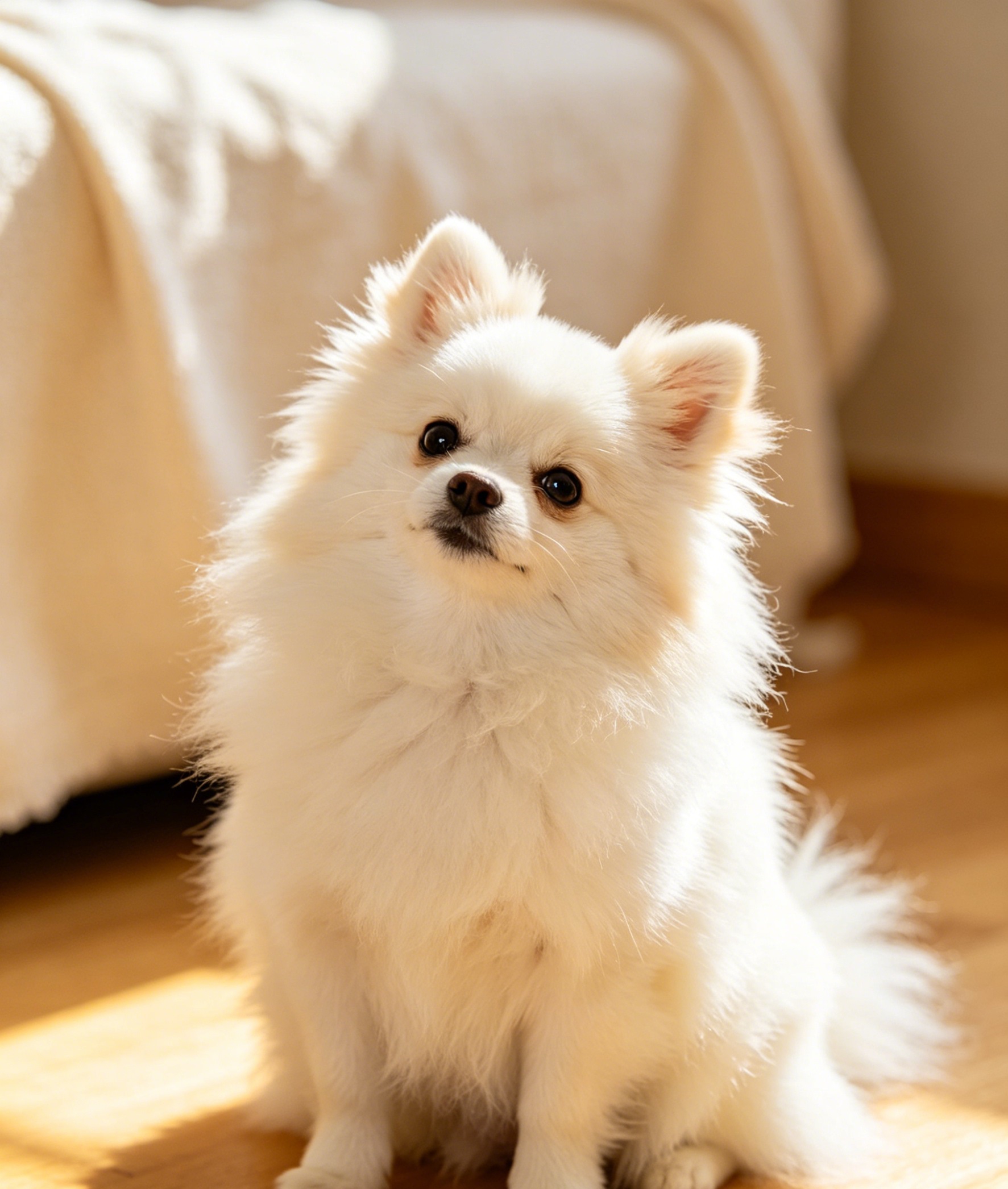
What a Pomeranian Asks of a Household
| Daily constraint | Score | What it changes | |—|—|—| | Sound management | 5/5 | Shared walls, a front window, and delivery traffic can become barking triggers unless calm behaviour is actively taught. | | Undercoat care | 4/5 | Surface brushing is not enough; owners need to work through seasonal shedding without shaving the dog as a shortcut. | | Heat planning | 4/5 | Walks and play need cooler times, water, shade, and a willingness to stop before a heavily coated little dog overheats. | | Small-dog safety | 4/5 | Larger dogs, high furniture, stairs, and rough handling can create outsized risks for a confident dog under seven pounds. | | First-dog margin | 3/5 | A beginner can succeed when grooming, dental care, and barking training have a fixed place in the weekly routine. |
Pomeranian Quick Facts
| Trait | What to Expect |
|---|---|
| Size | Tiny toy spitz |
| Height | Roughly 6 to 7 inches at the shoulder |
| Weight | Typically 3 to 7 pounds |
| Temperament | Bold, lively, curious, vocal, affectionate |
| Energy level | Moderate, surprisingly busy |
| Exercise needs | 20 to 30 minutes plus play and training |
| Coat | Thick double coat, sheds noticeably |
| Apartment friendly | Very good, with bark control |
| Lifespan | Often 12 to 16 years |
| Common concerns | Luxating patella, collapsing trachea, dental disease, alopecia X, overheating |
| Watch for | Barking, fragility around big dogs, coat care |
Pomeranian Temperament
A Pomeranian is an extrovert in a tiny body. Curious, confident, and quick to involve itself in everything, the breed is endlessly entertaining — perky, playful, and bonded closely to its people. That spitz heritage gives Poms a self-assured, almost comical boldness; many genuinely don’t seem to realize they are small, which is part of their charm and part of their risk around larger dogs.
This is an alert, vocal breed. Pomeranians are natural little watchdogs that bark readily at sounds, visitors, and movement, and without guidance that watchfulness easily becomes excessive barking. They are intelligent and love being the center of attention, which makes them fun to train but also prone to learning that a good bark gets a reaction.
With their family they are affectionate and devoted, often picking a favorite person. They can be a little wary of strangers and feisty toward other dogs, so early socialization is what turns a potentially yappy diva into a friendly, well-rounded companion.
How a Pomeranian Uses Its Energy
Despite their size, Pomeranians are active little dogs that need around 20 to 30 minutes of daily activity to stay happy and trim. A short walk or two plus some indoor play usually does the trick. They have a lively, busy nature and enjoy trotting around, chasing toys, and joining in household activity, so they are far from couch ornaments.
Because they are so smart and attention-loving, mental work pays off enormously. Trick training, puzzle feeders, and games of fetch satisfy the Pom’s busy brain and help curb boredom barking. Many Poms genuinely enjoy learning and will happily show off a repertoire of tricks.
Be mindful of two things outdoors. First, that thick double coat means Pomeranians overheat quickly, so keep summer exercise short and to the cooler hours. Second, their small size and bold attitude make off-leash time around larger dogs risky — a Pom that picks a fight with a big dog can be badly hurt. A secure harness rather than a neck collar is also wise to protect a delicate windpipe.
Coat Care in a Pomeranian Home
The Pomeranian’s glory is its coat, and that coat is a commitment. Poms wear a double coat: a soft, dense undercoat under a longer, harsher outer layer that stands off the body to create the signature fluffy “pom-pom” look. It needs brushing at least two or three times a week — ideally more — to prevent the undercoat from matting and to keep the coat full and clean. Work down to the skin, not just over the surface.
Pomeranians shed steadily, and they “blow” their undercoat heavily a couple of times a year, when daily brushing becomes necessary to manage the loose fluff. Resist any urge to shave a Pom down; the double coat insulates against both heat and cold, and shaving can damage regrowth and sometimes triggers a coat-loss condition. Bathe every few weeks and dry thoroughly to fluff the coat.
The rest of the routine matters too: trim nails regularly, check the small ears, and brush the teeth often to help prevent the dental disease Poms are prone to. A neat trim around the feet and rear keeps things tidy between baths.
Common Pomeranian Health Issues
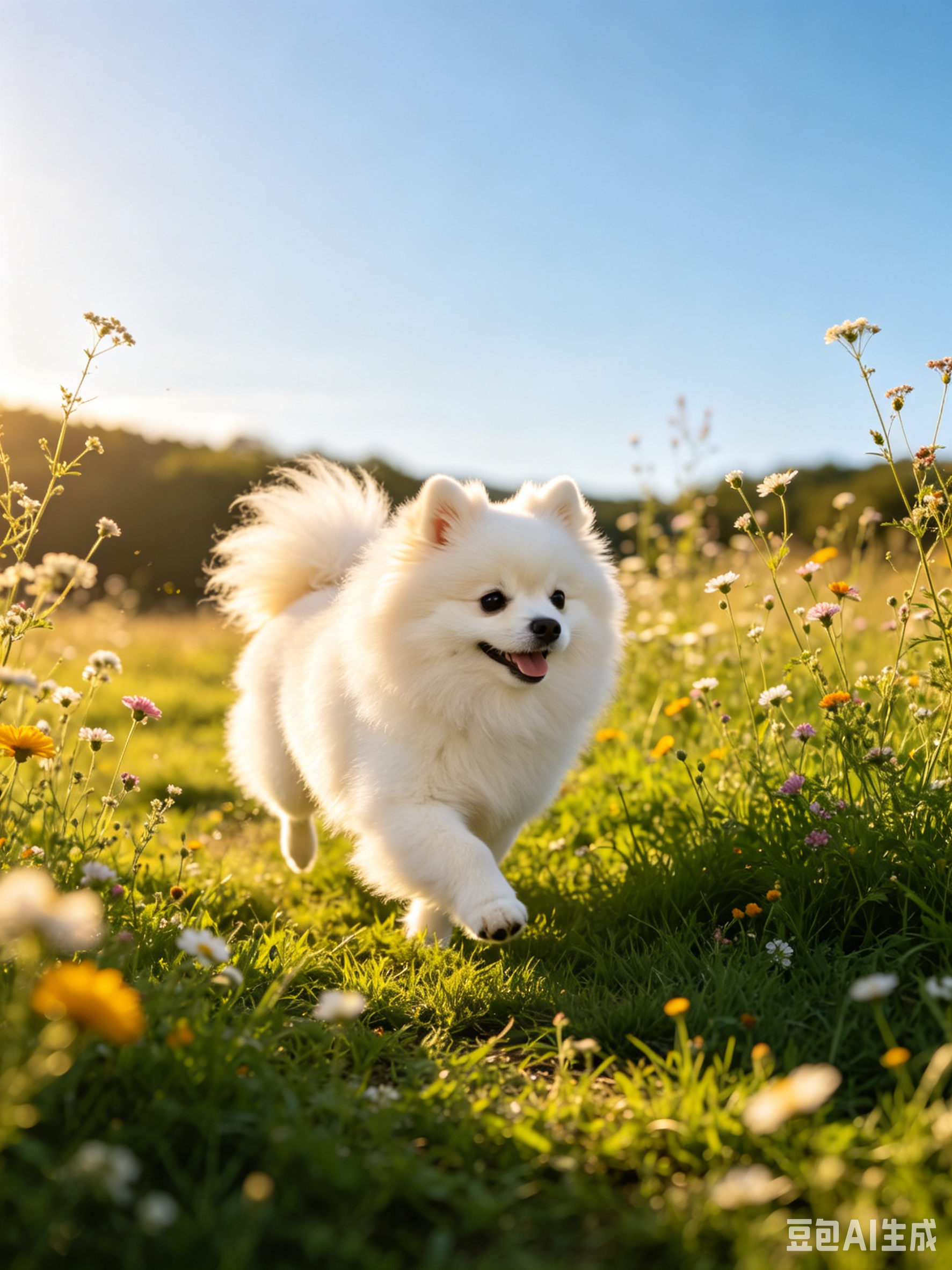
A prospective owner should ask about health testing and family history rather than assume a small dog is uncomplicated. Luxating patella, tracheal concerns, dental disease, and alopecia X are useful discussion points with a breeder and veterinarian. The breed-club and CHIC resources below provide a starting point for those questions.
The breed is also associated with alopecia X, sometimes called “black skin disease,” a coat-loss condition that leaves bald patches, and with the heat sensitivity that comes from carrying a heavy coat on a tiny body. Sheer fragility rounds out the list: at a few pounds, a Pom can be seriously injured by a fall, a jump from the couch, or rough handling.
Read this as a heads-up rather than a verdict on any individual dog. Your veterinarian is the right person to evaluate your Pom, and a persistent cough, sudden limping, repeated collapse, unexplained hair loss, or any sign of pain deserves a prompt call rather than a wait.
Meals and Body Condition for a Pomeranian
A Pomeranian needs only a small amount of a good-quality small-breed food, so precision matters more than portions. Because the dog is so tiny, even modest overfeeding adds up fast, and excess weight strains those already-vulnerable knees and makes overheating worse. You should be able to feel the ribs under that fluff — which can hide a surprising amount of weight gain, so judge by feel, not just by eye.
Treats are useful for training this clever breed but disappear into the daily calorie budget quickly at this size; break them small and count them. Toy-breed puppies can be prone to low blood sugar, so very young Poms may need several small meals a day. If you’re unsure what trim looks like under all that coat, ask your vet to check the body condition and guide your portions.
Teaching a Pomeranian Useful Habits
Pomeranians are bright, eager, and genuinely enjoy learning, which makes them more trainable than their fluffy-diva image suggests. Positive, reward-based training brings out their best; they’re sensitive and showy, and harsh methods just make them anxious or stubborn. Short, lively sessions with treats and praise keep them engaged.
Barking is the behavior to manage from day one. Poms are vocal by nature, so teach a “quiet” cue early, reward calm, and avoid accidentally rewarding barking with attention. The second priority is socialization — exposing a young Pom to people, dogs, sounds, and handling prevents the wariness and feistiness that can otherwise develop in such a confident little dog.
Housetraining takes the usual toy-breed patience, since small bladders and a dislike of bad weather slow things down; consistency and an indoor option for rainy days help. Channel that quick brain into trick training, and you’ll have a far calmer, more delightful companion.
Pros and Cons of Pomeranians
| Pros | Cons |
|---|---|
| Bold, lively, entertaining personality | Vocal — barks readily without training |
| Compact and portable, suits apartments | Thick coat needs frequent brushing |
| Bright and genuinely trainable | Sheds and “blows” coat seasonally |
| Affectionate and devoted to family | Fragile; risky around big dogs |
| Long-lived companion | Prone to knee, trachea, and dental issues |
The Pomeranian Workload Begins at the Front Door
Alert barking can become a full-time Pomeranian job quickly. The dog hears the elevator, delivery van, neighbor, and bird before the household does. Coat care is the second surprise: brushing only the fluffy surface leaves compacted undercoat close to the skin. Add dental care and careful handling around furniture, and the tiny companion starts to look less like an ornament and more like a very busy spitz.
Managing a Pom by Space and Experience
The building hallway is the training field
Apartment exercise is manageable, but sound travels. Use distance from the entry, white noise, and rewarded quiet behavior before barking becomes rehearsed. Carrying the dog through every elevator encounter prevents practice, but it should not replace controlled social learning when the setting is safe.
Yard patrol can amplify the voice
A house gives more room for play, yet windows and fences offer endless triggers. Supervise yard time and call the dog in before barking escalates. Check deck gaps and stairs, and do not let a small dog launch repeatedly from high furniture just because it appears fearless.
A new owner’s two non-negotiables
Find a groomer who understands double coats and begin tooth brushing while the dog is young. Then train quiet, handling, and a solid recall with the same seriousness used for a large dog. Cute defiance is still a behavior pattern, and it becomes harder to change after months of laughter and inconsistent rules.
Experienced handling without overprotection
A practiced toy-dog owner can read stress, protect the dog from rough play, and still encourage independent movement. The useful skill is choosing safe exposure, not shielding the Pom from every dog or person. Watch for coughing, pain, or mobility changes and involve a veterinarian rather than assuming fragility is normal.
Pomeranian Advice That Needs Correcting
Shaving the coat keeps a Pom cooler and cleaner
Routine shaving can damage the appearance and regrowth of a double coat and does not replace heat management. Remove loose undercoat, maintain a practical outline when needed, provide shade and cooling, and ask a qualified groomer before making a drastic coat change.
A Pomeranian gets enough exercise indoors
Indoor play helps, but outdoor sniffing, leash skills, and exposure to the world support behavior and confidence. Keep sessions suitable for the dog’s size and weather, while giving the brain more to do than patrol the sofa and front window.
For a practical planning check, use the dog cost calculator to include professional grooming, dental treatment, training for noise, safe travel gear, and an emergency reserve instead of entering only food and toys. The dog fit score cards can help you check whether your walls, children, stairs, grooming schedule, and alone-time routine suit an alert and physically small spitz.
Is a Pomeranian Right for You?
A Pomeranian suits an owner who wants a small, spirited, characterful companion and is ready for the grooming and the barking. If you appreciate a confident little extrovert, enjoy training, and either commit to brushing several times a week or budget for grooming, this breed delivers an outsized personality in a portable, long-lived package.
It’s a harder fit if you want a quiet dog, dislike fur and coat care, or have very young children or large boisterous dogs that could injure such a fragile pet. The barking and the coat are the two realities that most often surprise new Pom owners, so be honest about both.
If you’re comparing fluffy or tiny companions, weigh the Pom against the bold little Chihuahua, the silky low-shedding Maltese, or the clever, high-grooming Toy Poodle — similar size, very different upkeep and temperament.
The Pomeranian Decision
The Pomeranian packs an enormous, confident personality into a tiny, fluffy frame, which is exactly why the breed is so beloved. You get a lively, affectionate, trainable little extrovert that fits an apartment and may stay with you well over a decade. In return you take on regular coat care, a vocal nature that needs training, and careful attention to a few size-related health risks.
For someone who wants a small dog with a big spirit and doesn’t mind the brush and the barking, the Pomeranian is a joy. If you wanted a quiet, low-maintenance, rough-and-tumble dog, look elsewhere — but few breeds match the Pom’s charm-to-size ratio.