
The Toy Poodle suits a household that wants a small dog involved in the day, not merely present in it. The food bill is modest, but the recurring commitments are not: coat care on a calendar, short training sessions, patient alone-time practice, and handling gentle enough for a small frame. For an owner who enjoys that rhythm, this compact Poodle can be an attentive, highly trainable companion.
The decision turns on routine more than square footage. An apartment can work well when hallway noise, toilet breaks, grooming appointments, and mental work are planned. A busy home can be harder if the dog is passed from lap to lap without learning to settle independently. This guide focuses on those practical trade-offs rather than treating the breed as a low-maintenance version of a larger Poodle.
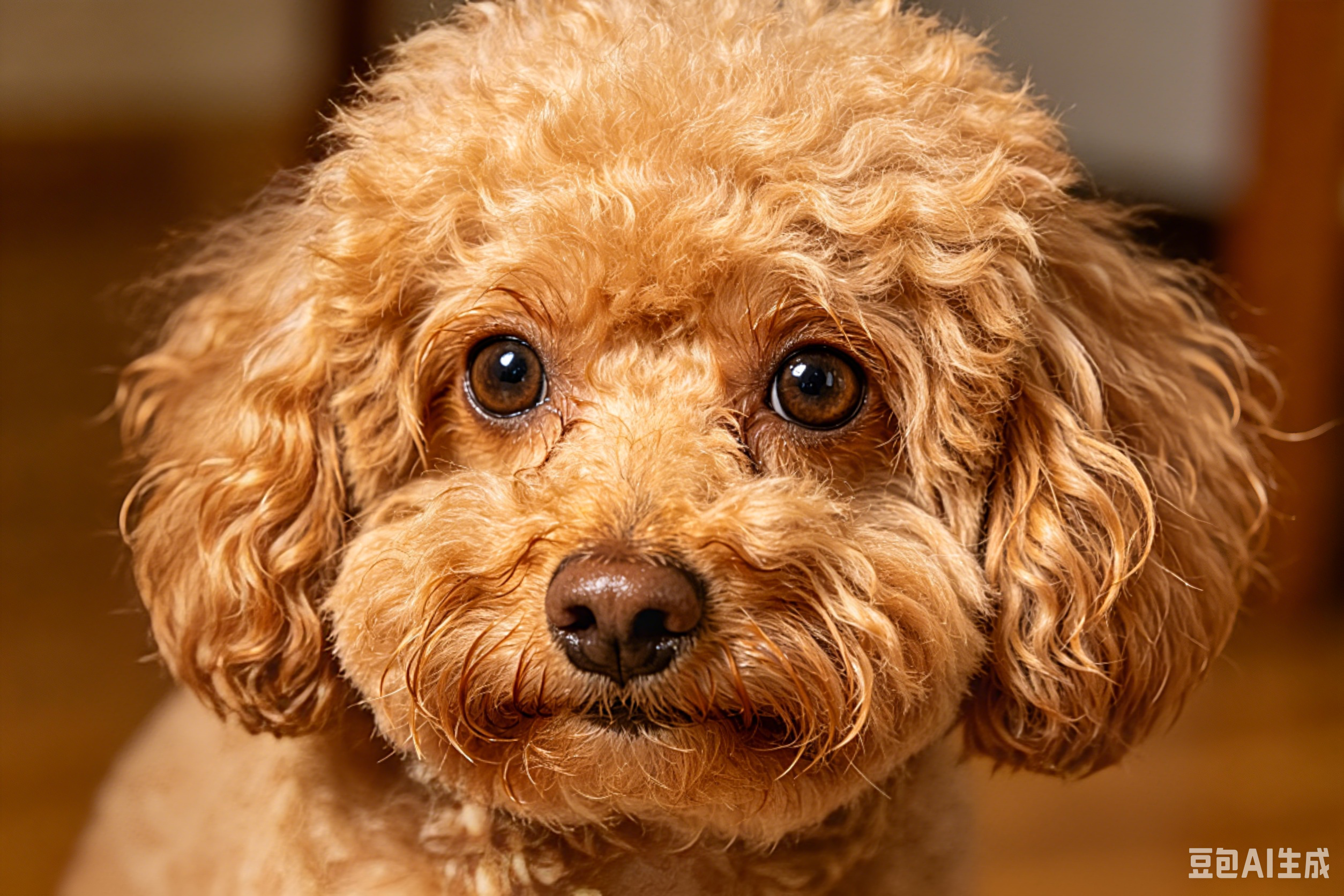
What a Toy Poodle Asks of a Household
| Daily constraint | Score | What it changes | |—|—|—| | Coat-care calendar | 5/5 | Brushing, face and foot handling, and a grooming appointment every few weeks must be routine, not an occasional project. | | Daily brain work | 4/5 | Short walks are not enough on their own; the dog needs useful cues, sniffing, and small problem-solving tasks. | | Independence practice | 4/5 | A close companion needs calm, gradual practice being alone before full workdays are attempted. | | Small-dog safety | 4/5 | Children, furniture, stairs, and larger dogs require rules that protect a dog weighing only a few pounds. | | First-dog margin | 3/5 | The training is approachable, but a beginner must budget grooming and avoid letting quick learning turn into inconsistent rules. |
Toy Poodle Quick Facts
| Trait | What to Expect |
|---|---|
| Size | Smallest of the three Poodle varieties |
| Height | 10 inches or under at the shoulder |
| Weight | Roughly 4 to 6 pounds |
| Temperament | Brilliant, eager, playful, sensitive |
| Energy level | Moderate, needs mental work |
| Exercise needs | 30+ minutes plus daily brain games |
| Coat | Curly, low-shedding, high-maintenance |
| Apartment friendly | Excellent |
| Lifespan | Often 12 to 16 years |
| Common concerns | Luxating patella, dental disease, eye problems (PRA), Legg-Calvé-Perthes, epilepsy |
| Watch for | Separation anxiety, grooming costs, boredom |
Toy Poodle Temperament
Intelligence defines the Toy Poodle. The breed often learns cues quickly, notices household patterns, and benefits from being taught what to do rather than being left to fill empty time. That can make training enjoyable, but it also means a dog may rehearse barking, door-rushing, or attention-seeking just as efficiently as a trick.
This is also a sensitive, people-oriented breed. Toy Poodles bond closely with their families, want to be involved in daily life, and don’t do well left alone for long. They tend to be lively and playful without being hyper, and many have a charming, almost goofy sense of humor that earns the breed its “clown” nickname.
Socially they are usually friendly but can be reserved or a touch nervous with strangers and quick to bark, so early exposure matters. With their people they are affectionate, attentive, and endlessly engaged — this is a dog that wants to be your partner, not just your pet.
How a Toy Poodle Uses Its Energy
Toy Poodles are moderately active and often do well with around half an hour of physical activity a day, split between walks and play. Mental exercise matters just as much. Puzzle feeding, short trick sessions, scent games, and basic obedience give a quick mind an appropriate outlet and help prevent the dog from making its own habits.
Many enjoy scaled dog sports such as agility, obedience, or rally. Ten focused minutes of training can be more useful than aimless extra walking, particularly for an urban dog, but it should be paired with rest rather than treated as a daily performance test.
Because they’re small, be sensible about conditions and impact: keep walks comfortable in heat and cold, and discourage repeated jumping from furniture to protect delicate joints. The combination of a daily walk plus daily brain work is the formula that keeps this breed happy.
Before choosing a trim, use our yearly dog grooming budget worksheet to compare the appointment schedule, home upkeep, and complete cost of maintaining it.
Coat Care in a Toy Poodle Home
The Toy Poodle’s coat is its biggest practical commitment. It is dense, curly, and relatively low shedding; loose hair often stays caught in the curls. That can reduce visible shedding around the home, but it also means the coat mats easily and continues to grow. Without care, tangles can tighten against the skin and become painful.
For help separating a professional coat-care appointment from an extra bath at home, see how often to bathe your dog. Its cleanup table and care record help you coordinate brushing, washing, and drying with your groomer.
Plan to brush and comb thoroughly several times a week to stay ahead of mats, and budget for a professional groom every four to six weeks for a bath, trim, and tidy. This is a genuine ongoing cost; the low shedding comes at the price of regular grooming bills or learning to clip the dog yourself. Many owners keep a simple, short “puppy clip” that’s far easier to maintain than the elaborate show trims.
Don’t overlook the details Poodles are prone to. The hair in their ears can trap moisture and lead to infections, so ears need regular checking and cleaning. Teeth need frequent brushing, and the hair around the eyes and feet usually needs trimming to keep the dog comfortable and clean.
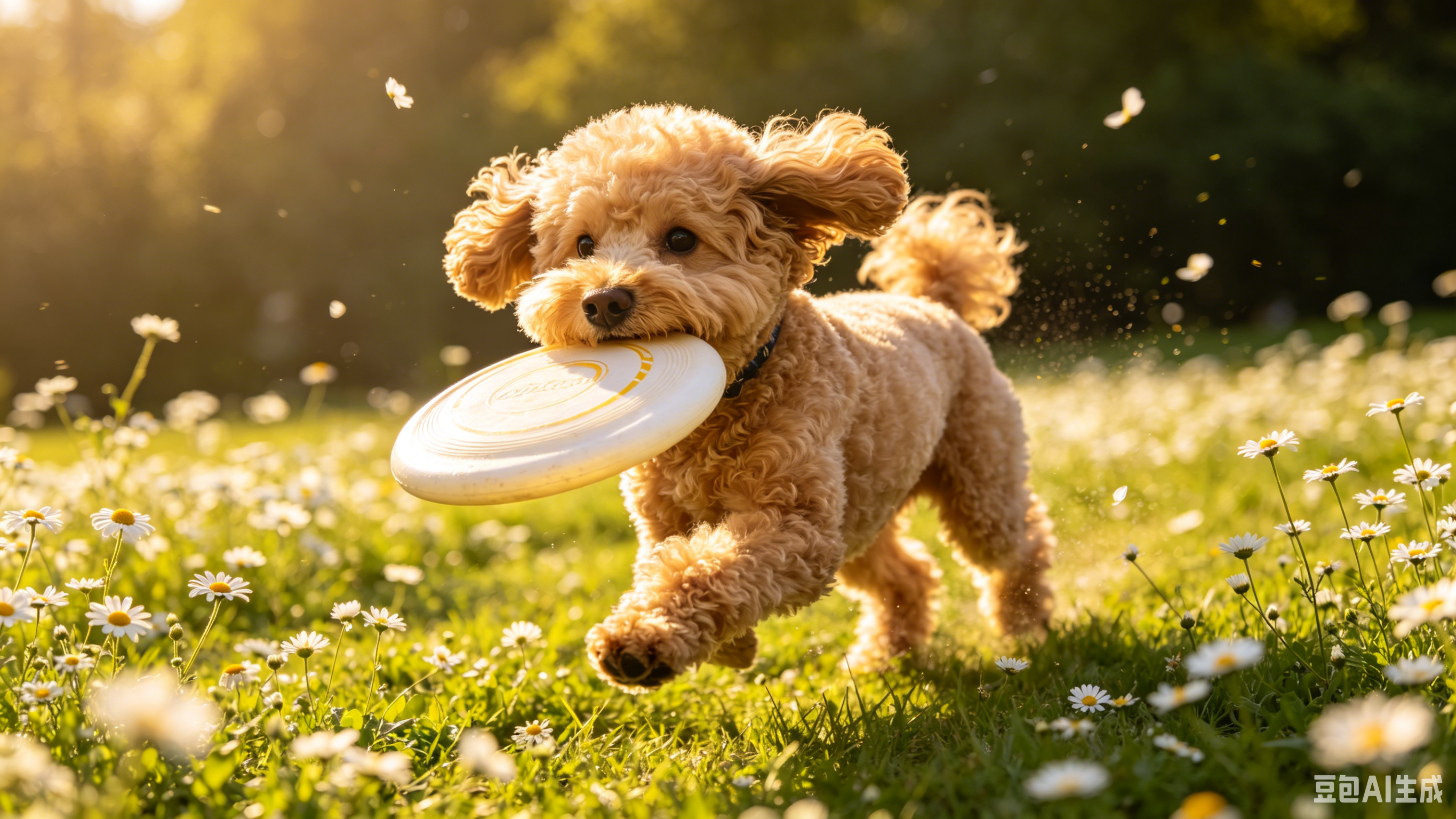
Common Toy Poodle Health Issues
Known health considerations include luxating patella, dental disease in a small mouth, inherited eye conditions such as progressive retinal atrophy, Legg-Calve-Perthes disease, and epilepsy. A responsible breeder should be able to discuss relevant health testing and the records behind it; the breed-club and CHIC resources below are useful starting points for those questions.
Because they’re so small, fragility and low blood sugar in young puppies are practical concerns too, and ear infections are common thanks to that hairy, low-airflow ear canal. None of this means a given dog will be sick, but it shapes the questions to ask a breeder and the things to watch as your dog ages.
Your veterinarian is the one to assess your particular dog. Any seizure, sudden lameness, eye changes, recurring ear trouble, or signs of pain should prompt a call to the clinic rather than guesswork at home.
Meals and Body Condition for a Toy Poodle
A Toy Poodle eats very little, so the priority is a quality small-breed food in carefully measured portions. At four to six pounds, this dog has little margin for excess weight. Judge body condition by feeling for the ribs and looking for a waist, then ask a veterinarian to confirm the target for the individual dog.
Treats help a lot with a food-motivated, clever breed, but they vanish into the daily calorie budget quickly at this size, so break them tiny and count them. Very young toy puppies can be prone to hypoglycemia and may need several small meals a day. If you’re not certain what a healthy weight looks like, have your vet show you the target body condition and set portions from there.
Teaching a Toy Poodle Useful Habits
Training is where the Toy Poodle often shines. The dog can learn quickly and may enjoy the process, so the main risk is not a lack of ability but an underused mind. Teach a useful household job such as going to a mat when the door opens, then build from there.
Use positive, reward-based methods; Poodles are sensitive and respond poorly to harshness, which makes them anxious rather than obedient. Keep sessions upbeat and varied to match their quick brain, and keep teaching new things throughout the dog’s life. Beyond the basics, lean into tricks, puzzles, and even beginner agility.
Two areas need attention. Socialize early and thoughtfully so a reserved response to strangers does not become nervousness or barking. Build independence from the start as well: short, calm departures and settled time behind a gate or in another room are more useful than suddenly asking a companion dog to tolerate a full workday alone.
Pros and Cons of Toy Poodles
| Pros | Cons |
|---|---|
| Exceptionally intelligent and trainable | High grooming needs and ongoing cost |
| Very low shedding; allergy-friendlier | Coat mats fast without regular brushing |
| Compact, ideal for apartments | Prone to separation anxiety |
| Playful, affectionate, long-lived | Needs daily mental stimulation |
| Excels at tricks and dog sports | Can be reserved or barky if undersocialized |
The Toy Poodle Is Easier to Carry Than to Understimulate
The pattern experienced Toy Poodle homes mention is a dog that learns the household faster than the household learns the dog. Miss a grooming appointment and the coat mats. Repeat a nervous reaction and the dog predicts it next time. Skip mental work and barking or attention-seeking fills the gap. Their size lowers the exercise mileage, but it does not shrink the need for training, dental care, and thoughtful social exposure.
Toy Poodle Life in Small and Large Homes
Small space, active brain
A Toy Poodle can thrive in an apartment with short walks, sniffing, trick training, and a quiet plan for hallway sounds. Toilet access must be frequent during puppyhood. A puzzle feeder helps, but it cannot replace interaction or gradual practice being alone.
A yard is useful but physically oversized
Check fence gaps, deck rails, pools, and encounters with larger dogs. Use the yard for recall and play, then continue walks outside the property so the dog does not become suspicious of everything beyond the gate. Block repeated jumps from tall beds and sofas.
The first-time owner must schedule the coat
Book grooming before the puppy comes home and practice combing, feet, face, and mouth handling in tiny rewarded sessions. A first-time owner may find training pleasantly quick, but that intelligence also spots inconsistent rules. Decide how barking, begging, and furniture access work before the dog decides for you.
Use the intelligence without creating pressure
Experienced owners can build complex skills, but a sensitive Toy Poodle does not need every session to feel like an exam. Mix problem-solving with easy wins and rest. Confidence around strangers grows through choice and distance, not forced greetings from unfamiliar hands.
Two Toy Poodle Shortcuts That Fail
Low shedding makes grooming optional
The continuously growing coat tangles and needs clipping. Home brushing must reach the skin, especially behind ears, under the harness, and around legs. Low shedding can help some households, but no breed is guaranteed not to trigger allergies.
Smart dogs practically train themselves
A Toy Poodle learns whatever is reinforced, including barking for attention or refusing food until something better appears. Intelligence speeds learning; it does not choose the lesson. Clear routines and short reward-based sessions still matter.
For a practical planning check, use the dog cost calculator to enter clipping every few weeks, dental care, training, enrichment, safe boarding, and an emergency reserve alongside the modest food bill. The dog fit score cards can help you compare grooming tolerance, noise sensitivity, fragile-dog safety, daily mental work, and the amount of time the dog will spend alone.
Is a Toy Poodle Right for You?
A Toy Poodle fits an owner who wants a small, responsive companion and is genuinely ready to engage its mind and maintain its coat. It can be a strong choice for someone who enjoys training, wants a dog capable of tricks and scaled sports, and will either budget for professional grooming or learn safe home clipping.
It is a poor match for someone seeking a low-effort dog that can be left alone all day, or for a household where grooming time and bills feel unworkable. An under-stimulated, under-groomed Toy Poodle can become anxious, matted, and difficult to manage because its basic needs have been deferred.
If you’re comparing small companions, weigh the Toy Poodle’s brains-and-grooming profile against the silky Maltese, the bold double-coated Pomeranian, or the spirited Yorkshire Terrier.
The Toy Poodle Decision
The Toy Poodle is a capable small companion with a real care calendar behind the appealing coat. It needs training, mental work, companionship, and consistent grooming, but its compact size makes those commitments feasible in many homes.
The trade-offs are real: regular grooming costs and a mind that needs daily engagement. For an owner who welcomes both, the Toy Poodle is one of the most rewarding small breeds you can choose. If you wanted a wash-and-go dog that entertains itself, this clever clown will run rings around you instead.