
A Yorkshire Terrier can be easy to carry and difficult to ignore. The fine coat may look decorative, but the dog underneath is a terrier with a strong response to movement, sound, and small prey. Prospective owners should plan for coat handling, dental care, alert barking, and safe introductions to larger dogs before they focus on the breed’s portability.
The Yorkie can live well in an apartment, but a small floor plan does not remove its need for sniffing, training, and a clear response to wildlife or hallway noise. A practical pet trim often makes more sense than a floor-length coat for busy homes, yet grooming remains a scheduled expense rather than an optional extra.
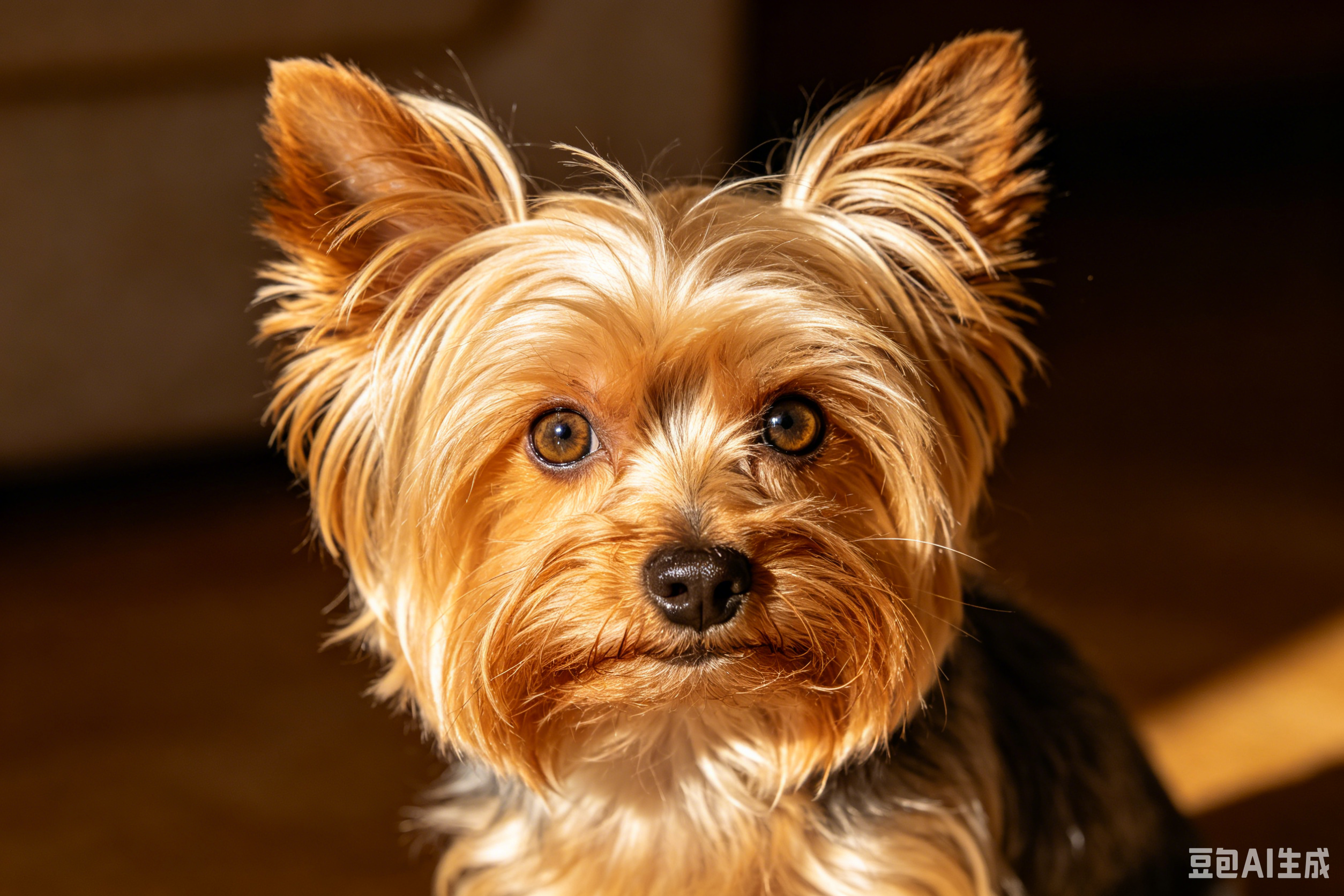
What a Yorkshire Terrier Asks of a Household
| Daily constraint | Score | What it changes | |—|—|—| | Terrier response | 5/5 | Movement, squeaks, and outdoor scent trails can trigger chasing or barking, so recall and management matter. | | Coat decision | 4/5 | A pet trim reduces tangles but does not remove brushing, bathing, face care, or grooming bills. | | Dental routine | 4/5 | A tiny mouth needs regular tooth care and veterinary checks built into the normal schedule. | | Larger-dog safety | 4/5 | Confidence is not protection; introductions and play need supervision because the body is genuinely small. | | First-dog margin | 3/5 | Training is accessible, but beginners must take terrier persistence and noise seriously from day one. |
Yorkshire Terrier Quick Facts
| Trait | What to Expect |
|---|---|
| Size | Tiny toy terrier |
| Height | Roughly 7 to 8 inches at the shoulder |
| Weight | Around 4 to 7 pounds |
| Temperament | Bold, feisty, affectionate, alert |
| Energy level | Moderate to high for its size |
| Exercise needs | 20 to 30 minutes plus play |
| Coat | Long, fine, silky, single, low-shedding |
| Apartment friendly | Excellent, with bark training |
| Lifespan | Often 13 to 16 years |
| Common concerns | Dental disease, collapsing trachea, luxating patella, liver shunt, fragility |
| Watch for | Barking, terrier stubbornness, housetraining |
Yorkshire Terrier Temperament
The Yorkshire Terrier is still a terrier under the silk. It is bold, spirited, and quick to react to movement, which makes it lively and entertaining but also gives chasing and alert barking a practical place in the training plan. Its size does not erase the working behaviours behind the companion-dog appearance.
That alertness comes with a voice. Yorkies bark readily at noises, visitors, and anything that strikes them as suspicious, and without guidance they can become persistent yappers. They’re also intelligent and a touch stubborn, the classic terrier combination, which makes training rewarding but not effortless.
For all that grit, the Yorkie is deeply affectionate with its family and loves to be close, often choosing a favorite person to shadow. They can be feisty with other dogs and wary of strangers, so socialization matters. At heart this is a confident, devoted companion that thinks it’s much bigger than it is — and that conviction is most of the breed’s charm.
How a Yorkshire Terrier Uses Its Energy
Yorkies are more energetic than their dainty looks suggest. They need around 20 to 30 minutes of daily activity — a couple of short walks and some play — to burn off that terrier energy and stay out of trouble. They love to investigate, chase toys, and trot around with purpose, and a Yorkie that doesn’t get enough activity tends to channel the surplus into barking and mischief.
Their terrier brain wants stimulation as much as their body wants movement. Puzzle toys, games that let them “hunt” for treats, and short training sessions tap into that working heritage and keep a Yorkie satisfied. Many enjoy learning tricks and even doing small-dog agility.
Because they’re tiny, be reasonable with the conditions: a thin single coat means Yorkies get cold easily, so a sweater on chilly walks is sensible, and they tire faster than a larger dog of equal enthusiasm. A secure harness is wiser than a neck collar to protect a delicate windpipe. Much of their play can happen indoors, with outings adding fresh air and new smells.
Coat Care in a Yorkshire Terrier Home
The Yorkie’s coat is one of the most distinctive — and high-maintenance — in the dog world. It’s a single layer of long, fine, silky hair that’s more like human hair than typical dog fur, which means the breed sheds very little (a plus for allergy-sensitive and tidy homes) but tangles and mats readily without regular care. A full-length show coat demands daily brushing to keep it flowing and mat-free.
Most pet owners wisely choose a short “puppy cut,” which cuts the grooming load dramatically — a brush every couple of days plus a professional trim every four to six weeks. Either way, plan on regular baths to keep the fine coat clean and a careful trim of the hair around the eyes so the dog can see comfortably. The classic topknot keeps long facial hair out of the eyes.
The other grooming priorities are the same toy-breed essentials: brush the teeth often (dental disease is a major Yorkie issue), trim nails regularly, and check the small ears. The coat may shed little, but it’s the breed’s biggest ongoing time-and-money commitment.

To make dental care a repeatable home routine, use our guide to brushing a dog’s teeth. It starts with equipment and handling practice, with clear limits for when home brushing is inappropriate.
Common Yorkshire Terrier Health Issues
Several conditions are characteristic of the breed. Dental disease tops the list — that tiny, crowded mouth traps plaque and leads to gum disease and tooth loss without diligent care. Collapsing trachea is common and produces a honking cough, which is why a harness beats a collar for this breed. Luxating patella (slipping kneecaps) is another frequent small-breed problem.
The Yorkie is also notably prone to portosystemic shunt, a liver condition where blood bypasses the liver, and reputable breeders try to screen for it. As with all toy breeds, fragility is a real factor: at four to seven pounds, a Yorkie can be badly hurt by a fall, a leap from the sofa, or being stepped on, and very young puppies can suffer from low blood sugar.
Consider this a general guide rather than a diagnosis. Your veterinarian is the right person to evaluate your individual dog, and a persistent cough, sudden limping, disorientation, repeated vomiting, or any sign of pain warrants a prompt call instead of waiting to see if it passes.
Meals and Body Condition for a Yorkshire Terrier
A Yorkie needs only a small portion of a quality small-breed food, so accuracy matters far more than amount. At this size even a little extra weight is significant, straining the knees and worsening tracheal issues, so judge condition by feeling for the ribs and looking for a waist rather than eyeballing the food bowl.
Treats help enormously with this trainable but stubborn breed, but they add up fast on a tiny dog, so break them small and count them in the daily total. Young toy puppies can be prone to hypoglycemia and may need several small meals a day. Some Yorkies are picky eaters; resist the urge to fix it with table scraps, which throws off the calorie balance. If you’re unsure about your dog’s weight, have your vet show you the target body condition.
Teaching a Yorkshire Terrier Useful Habits
Yorkies are smart and capable learners, but the terrier independence and stubborn streak mean training takes consistency and patience. Positive, reward-based methods work best — this sensitive breed shuts down or gets defiant under harsh handling. Keep sessions short, upbeat, and motivating, and don’t fall into the trap of excusing bad manners just because the dog is small and cute.
Two priorities stand out. First, manage barking from the start: Yorkies are vocal alert dogs, so teach a “quiet” cue, reward calm, and avoid rewarding the noise with attention. Second, be patient with housetraining — it’s the classic Yorkie challenge, since small bladders and a dislike of cold and rain slow progress, so stay consistent and consider an indoor potty for bad weather.
Socialize a young Yorkie broadly with people, dogs, and experiences so the natural feistiness and wariness don’t harden into reactivity. Channel that terrier drive into trick training and games, and you’ll have a much easier, happier little companion.
Pros and Cons of Yorkshire Terriers
| Pros | Cons |
|---|---|
| Bold, lively, big personality | Vocal — barks readily without training |
| Very low shedding; allergy-friendlier | High-maintenance coat that mats easily |
| Tiny and portable, ideal for apartments | Fragile; risky around rough children |
| Affectionate and devoted to family | Stubborn terrier streak in training |
| Long-lived and entertaining | Prone to dental, trachea, and knee issues |
The Yorkie Still Thinks Like a Terrier
What catches Yorkie owners is the mismatch between the silky bow and the dog underneath it. This is a tiny terrier that may chase, alert, dig at blankets, guard laps, and object loudly to hallway traffic. House training can take patience, especially in bad weather, while dental care and coat appointments arrive on a fixed schedule. Treating the dog as decoration usually creates more work than treating it as a capable, small working companion.
Yorkie Management Changes With the Address
A city-sized body with a neighbor-sized voice
The breed fits a small floor plan, but barking and toilet timing decide whether apartment life works. Use a quiet station away from the door and take the puppy out often enough to succeed. Safe street walks provide information and confidence that indoor play cannot.
More ground means more small escape routes
Inspect fence bottoms, gate gaps, deck rails, and access to larger dogs. A Yorkie can disappear under shrubbery while following prey. Indoors, use ramps or low furniture if the dog jumps constantly, and keep rough play with children or big dogs closely supervised.
The beginner’s mistake is lowering standards
Train recall, leash walking, handling, and quiet behavior from the start. A first-time owner should choose a practical coat length and make tooth brushing routine. Do not wait for snapping at the groomer or barking at every visitor before introducing clear, rewarded alternatives.
Experienced terrier homes can channel the edge
Owners familiar with terriers can use scent games, controlled chase toys, and short training sessions to satisfy the busy mind. The challenge is balancing confidence with safety. A bold Yorkie may approach situations its body cannot handle, so management remains necessary.
Yorkie Myths Hidden Under the Silky Coat
Yorkies are delicate lap dogs with little prey drive
Their ratting ancestry still shows in many individuals. Movement can trigger chasing and intense interest, even when the dog spends evenings on a lap. Secure leashes and thoughtful introductions to small pets are sensible.
A puppy cut removes grooming needs
A short trim reduces tangles but does not eliminate brushing, bathing, face care, nail work, or professional clipping. Dental care may consume more long-term attention than the coat, especially as the dog ages.
For a practical planning check, use the dog cost calculator to price grooming, dental treatment, toilet support, training for barking, safe carriers, and emergency care for a physically small dog. The dog fit score cards can help you test your tolerance for terrier behavior, grooming, close child supervision, shared-wall noise, and frequent companionship.
Is a Yorkshire Terrier Right for You?
A Yorkie suits an owner who wants a small, spirited, devoted companion and respects that there’s a real terrier behind the silky coat. If you appreciate a confident little personality, enjoy training, and are ready to either brush a long coat daily or budget for regular grooming, this breed offers an enormous amount of character in a portable, long-lived package.
It’s a tougher fit for those wanting a quiet, hands-off dog, or for homes with very young or rough children who could injure such a fragile pet. The barking, the coat care, and the terrier stubbornness are the realities that catch new owners off guard, so weigh them honestly.
If you’re comparing small companions, set the Yorkie’s terrier grit against the bold double-coated Pomeranian, the brilliant high-grooming Toy Poodle, or the laid-back Shih Tzu.
The Yorkshire Terrier Decision
The Yorkshire Terrier packs a real working-terrier spirit into one of the most glamorous small-dog packages around. You get a bold, affectionate, entertaining companion that fits an apartment and may stay with you well into its teens. In return you take on regular coat care, a vocal nature that needs training, the terrier’s stubborn streak, and careful attention to a few size-related health risks.
For an owner who wants a small dog with genuine personality and doesn’t mind the brush and the bark, the Yorkie is a wonderful choice. If you pictured a quiet, low-maintenance, rough-and-tumble dog, this feisty little star isn’t it — but for the right person, few breeds give back as much spirit per pound.