
The Chihuahua is small enough to disappear under a chair, but its needs are not small. This alert companion can bond intensely with one or two people, react quickly to unfamiliar sounds, and be physically vulnerable in a crowded home. The sensible choice is not whether the dog fits in a handbag; it is whether the household can protect a tiny dog without treating it like a toy.
Good Chihuahua care is built around handling, teeth, warmth, and calm social exposure. A consistent routine can make this a devoted city companion. Skipping those basics can leave a dog that barks at every hallway sound, worries around visitors, or gets hurt because larger people and pets were not taught to move carefully around it.
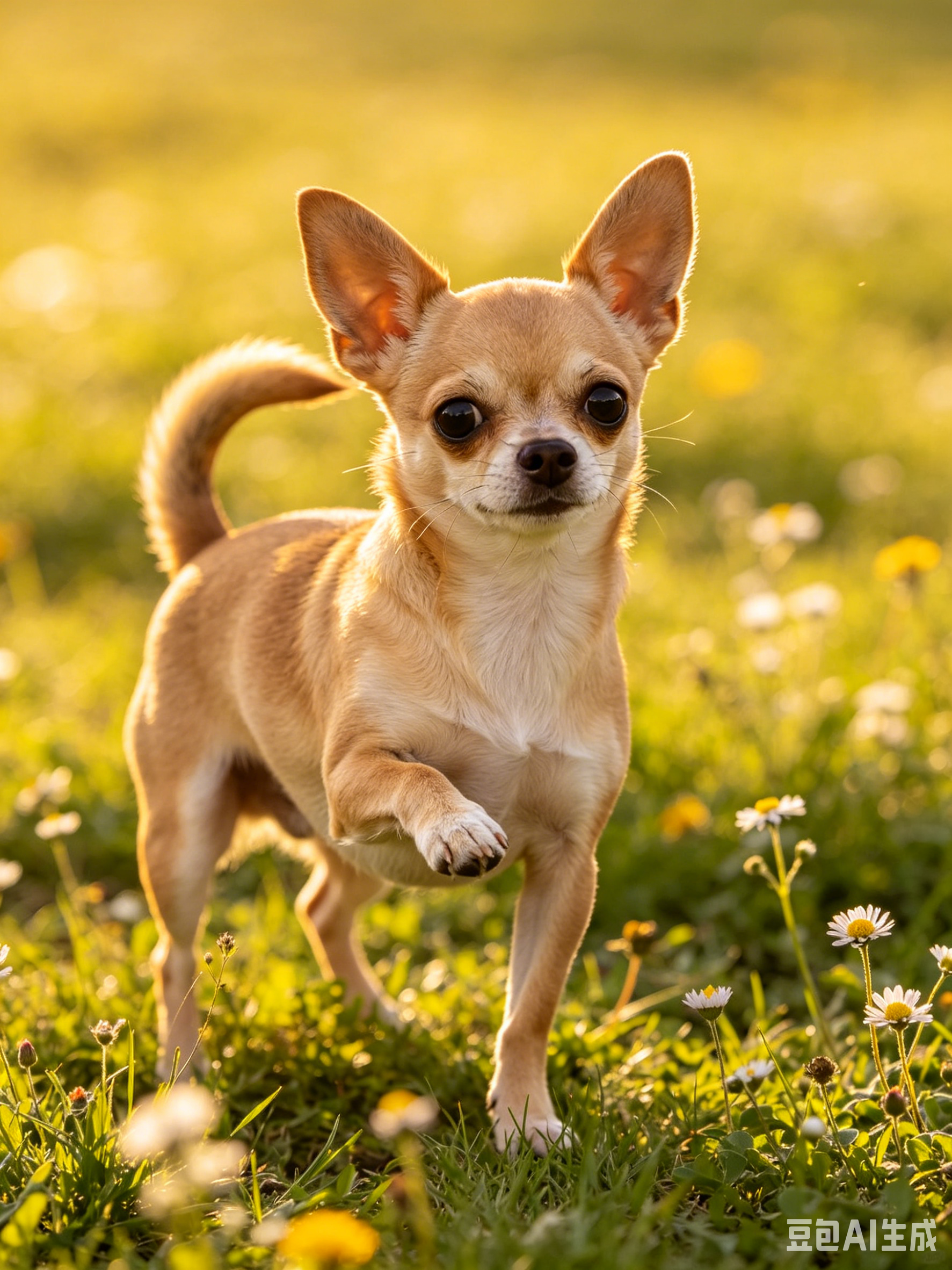
Chihuahua Fit: Tiny Size Changes the House Rules
| Daily constraint | Score | What it changes | |—|—|—| | Safe handling | 5/5 | Children, guests, and larger dogs need clear rules around lifting, doors, and furniture. | | Dental routine | 5/5 | Small mouths crowd easily; regular brushing and veterinary checks need to be part of the plan. | | Noise management | 4/5 | The dog can hear and announce shared-building sounds before an owner expects it. | | Cold protection | 4/5 | Warm bedding, coats when appropriate, and shorter cold-weather outings are practical care. | | First-dog margin | 3/5 | A beginner can do well when they set boundaries instead of excusing every small-dog behaviour. |
Chihuahua Quick Facts
| Trait | What to Expect |
|---|---|
| Size | Smallest breed in the world |
| Height | Roughly 5 to 8 inches at the shoulder |
| Weight | Typically 2 to 6 pounds |
| Temperament | Bold, loyal, alert, devoted to “their” person |
| Energy level | Moderate, in short bursts |
| Exercise needs | 20 to 30 minutes a day plus indoor play |
| Coat | Smooth or long; both shed lightly |
| Apartment friendly | Excellent - ideal for small spaces |
| Lifespan | Often 14 to 16 years or more |
| Common concerns | Dental disease, luxating patella, hypoglycemia, fragile bones, collapsing trachea |
| Watch for | Cold sensitivity, “small dog syndrome,” fragility |
Chihuahua Temperament
Devotion is the Chihuahua’s whole personality. They typically attach intensely to one person and want to be on a lap, tucked in a hoodie, or underfoot for most of the day. That loyalty is the breed’s greatest gift and the source of its quirks: jealousy, possessiveness, and a sharp suspicion of strangers if the dog hasn’t been properly socialized.
This is a genuine alert dog in a tiny shell. Chihuahuas notice every sound and visitor and will announce them at full volume. Unchecked, that watchfulness can curdle into yappiness and snappiness - the so-called “small dog syndrome” that comes not from the breed being mean but from owners letting a small dog get away with behavior they would never tolerate from a Labrador.
Raised with consistent rules and broad socialization, a Chihuahua is bright, sassy, affectionate, and surprisingly trainable. They are also long-lived, so you are signing up for a 15-plus-year relationship with a dog that will know your moods better than most humans do.
How a Chihuahua Uses Its Energy
A Chihuahua needs only about 20 to 30 minutes of activity a day, which makes the breed a realistic choice for apartment dwellers, busy schedules, and less mobile owners. A short walk plus a few rounds of indoor fetch or a puzzle toy usually covers it. Their energy comes in quick bursts: a frantic zoom around the room, then a long nap in a warm spot.
Mental enrichment matters more than distance. These dogs are clever and get bored, so trick training, treat-dispensing toys, and short games keep them satisfied without overtaxing tiny joints. Avoid forcing long hikes - their stride is short, and they tire faster than a bigger dog of the same enthusiasm.
Weather is a genuine factor here. With almost no body fat and a thin coat, Chihuahuas chill quickly, so a sweater on cold or wet walks is practical, not pampering. In summer heat they overheat fast too, so keep walks short and shaded. Many owners do most of their exercise indoors and just step out for potty breaks when the weather is extreme.
Coat Care in a Chihuahua Home
Grooming a Chihuahua is one of the easiest jobs in the dog world. Smooth-coat Chihuahuas need only a quick weekly wipe or rubber-curry to remove loose hair, while long-coat Chihuahuas benefit from a brush a couple of times a week to prevent light tangling behind the ears and legs. Both varieties shed modestly year-round but never overwhelm a home.
The real grooming priorities for this breed are not the coat - they are the teeth, nails, and skin folds. Bathe only when needed with a gentle shampoo, and dry the dog thoroughly so a small body doesn’t get cold. Trim nails regularly, because tiny dogs that mostly walk on soft surfaces don’t wear them down naturally.
Pay special attention to the mouth (more on that below) and check the large ears for wax. Because the eyes can be a touch prominent, a soft daily wipe to clear any discharge keeps the face clean and comfortable.
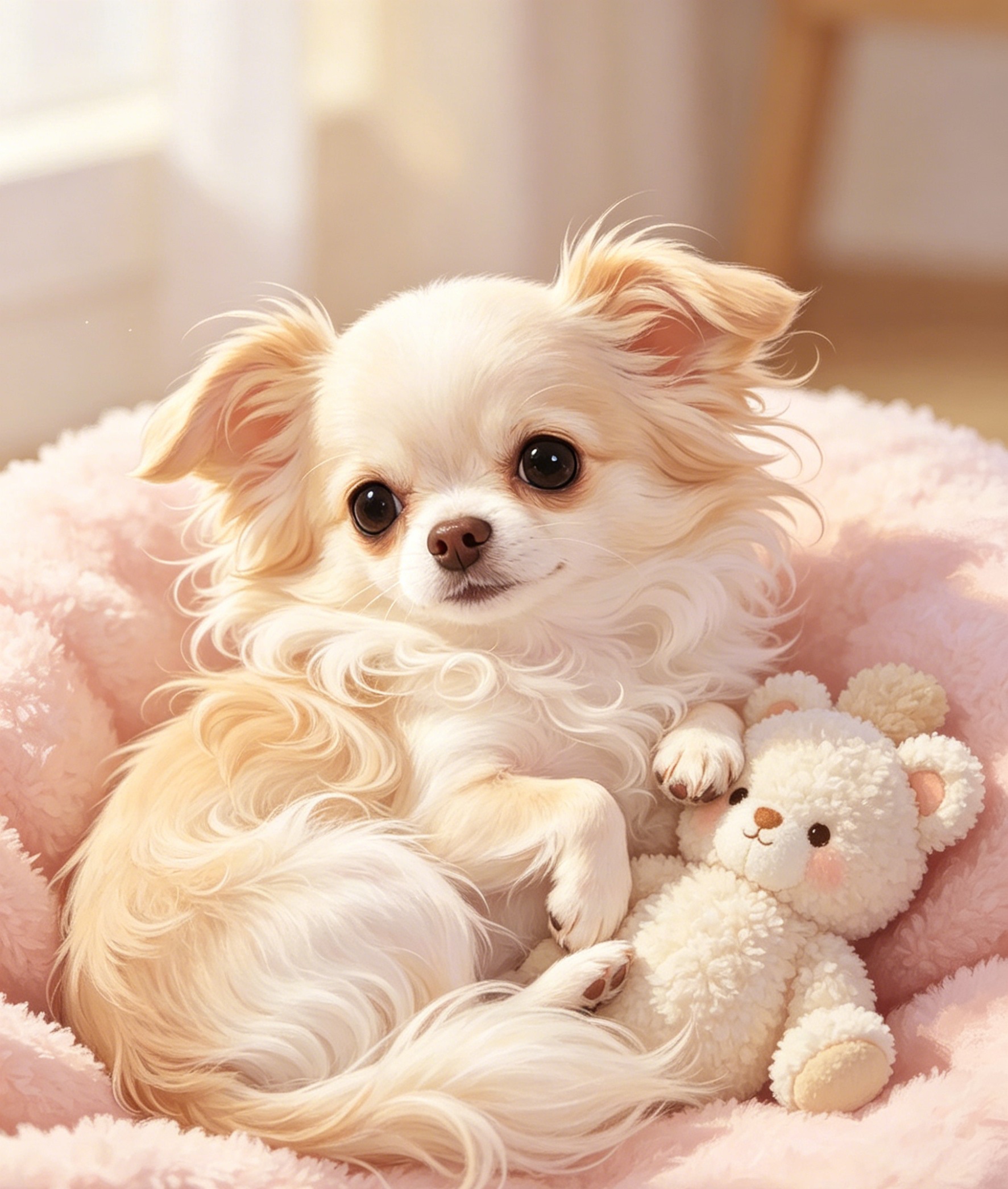
Common Chihuahua Health Issues
Dental disease is the headline health problem for the breed. Chihuahuas have a tiny jaw crowded with full-sized teeth, which traps plaque and leads to tartar, gum disease, and early tooth loss if owners don’t stay on top of brushing and professional cleanings. This is the single most preventable problem you can manage day to day.
The breed is also prone to luxating patella (slipping kneecaps), and very small or young puppies can suffer hypoglycemia - dangerous drops in blood sugar - so toy-sized pups need frequent meals. A collapsing trachea can cause a honking cough, which is one reason a harness beats a neck collar on this breed. And because the bones are genuinely delicate, a jump from the couch or a misstep underfoot can cause fractures, so handling and supervision matter more than with a sturdier dog. Some Chihuahuas are also born with a molera, a soft spot on the skull, that should be protected.
Treat this as general guidance rather than a medical opinion. Your veterinarian knows your dog; if you see a persistent cough, sudden weakness or wobbliness, refusal to use a leg, or any collapse, call the clinic promptly instead of waiting it out.
Meals and Body Condition for a Chihuahua
Tiny dogs have tiny stomachs and surprisingly fast metabolisms, so feeding a Chihuahua is about quality and timing more than quantity. Choose a calorie-dense food formulated for small or toy breeds, and feed puppies and very small adults several small meals a day to guard against blood-sugar dips.
It is shockingly easy to over-feed a dog this size - a single oversized treat can be a large share of its daily calories. Portion meals precisely, account for treats in the total, and keep an eye on the waistline, because even an extra half pound is significant on a five-pound frame and strains those slipping knees. If you can’t feel the ribs or the dog looks barrel-shaped from above, scale back and check with your vet on the right target.
Teaching a Chihuahua Useful Habits
Chihuahuas are smarter and more trainable than their diva reputation suggests - the problem is usually that owners don’t bother, assuming a small dog doesn’t need it. It does. The same rules and manners you’d teach a big dog prevent the yappy, bitey behavior the breed is unfairly known for.
Use gentle, reward-based methods; these sensitive dogs do not respond well to harshness and will simply distrust you. Prioritize early, generous socialization so the natural wariness of strangers doesn’t harden into fear-based snapping. House-training is the classic challenge - small bladders and a dislike of cold or rain make it slow - so be patient, consistent, and consider indoor potty options for bad weather.
Teach a “quiet” cue early to manage the alert-barking, and never reward demanding behavior by picking the dog up the instant it fusses. Calm, confident, consistent leadership turns a potential tyrant into a delightful, portable companion.
Pros and Cons of Chihuahuas
| Pros | Cons |
|---|---|
| Tiny, portable, ideal for apartments | Fragile bones; not for rough handling |
| Fiercely loyal and bonded to their person | Can be wary or snappy if undersocialized |
| Long-lived, often 15+ years | Prone to dental disease and slipping knees |
| Low grooming and low food cost | Chills easily; needs sweaters in winter |
| Big personality and watchdog alertness | Barks readily; house-training takes patience |
The Chihuahua Problems That Hide Behind the Tiny Food Bill
With a Chihuahua, the hard parts are measured in inches, not pounds. A missed puppy pad, an open stair tread, or a child reaching too quickly can matter more than a long walk. Dental care also arrives earlier in the conversation than many beginners expect. The dog may be portable, but fear, barking, and guarding a favorite person become deeply rooted when everyone laughs them off because the dog is small.
A Tiny Dog in Four Very Different Setups
Apartment life depends on sound control
The exercise requirement fits a small home, but hallway footsteps and elevator encounters can turn into a daily barking routine. Give the dog a bed away from the front door, reward quiet check-ins, and plan frequent toilet trips. Cold rain can make outdoor house training harder, so consistency matters more than square footage.
A house creates new safety gaps
A yard is convenient only when fences, gates, deck rails, and gaps under sheds are checked at Chihuahua scale. Never assume a small dog is safe alone outside; birds of prey, larger dogs, and weather are real concerns. Indoor ramps and blocked staircases may prevent more trouble than a large lawn solves.
What a new owner must take seriously
Start cooperative handling, tooth brushing, calm greetings, and alone-time practice immediately. Do not use constant carrying as the answer to every uncomfortable situation. The dog needs protected exposure on the ground, with distance from rough dogs and busy feet, to develop confidence without being overwhelmed.
The experienced small-dog advantage
Experienced owners tend to notice early signs of stress before barking or snapping. They can arrange short, successful exposures and stop visitors from crowding the dog. That skill helps, but it does not excuse skipping dental checks or allowing a confident Chihuahua to bully quieter dogs.
Small-Dog Myths That Hurt Chihuahuas
A Chihuahua does not need formal training
Training is what makes handling, visitors, veterinary care, and apartment life manageable. The cues can be taught in short sessions, but the standards should be as clear as they would be for a much larger dog.
Shaking always means the dog is cold
Cold is one possibility, but excitement, fear, pain, or illness can also cause trembling. Look at the setting and the rest of the dog’s behavior, and contact a veterinarian when shaking is new, persistent, or paired with other symptoms.
For a practical planning check, use the dog cost calculator to add dental cleaning, weather gear, safe carriers, puppy pads or dog-walker visits, training, and an emergency fund for a fragile toy dog. The dog fit score cards can help you test your home against noise, young children, stairs, cold-weather toilet access, and the amount of daily companionship available.
Is a Chihuahua Right for You?
A Chihuahua suits someone who wants a devoted, low-exercise, apartment-friendly companion and is willing to treat a small dog like a real dog - with training, socialization, and rules. If you want a loyal shadow that travels easily, lives a long time, and costs little to feed and groom, this breed delivers in a big way.
It is a poor fit for homes with very young, rough children, given how easily the breed is injured, and for anyone hoping for a quiet, hands-off pet. The wariness, the barking, and the fragility all need active management. Decide honestly whether you’ll do that work before falling for the tiny face.
If you’re cross-shopping small companions, it helps to compare the Chihuahua against the louder, primitive Finnish Spitz, the herding-driven Pembroke vs Cardigan Welsh Corgi comparison, or the high-grooming Maltese guide. Those three lead to very different daily lives despite all being small.
The Chihuahua Decision
The Chihuahua proves that personality has nothing to do with size. In a frame you can cup in two hands lives a bold, loyal, long-lived companion that will bond to you for well over a decade. The care load is light on grooming and feeding but real on a few specific fronts: dental health, warmth, gentle handling, and the training that keeps a confident dog from becoming a difficult one.
Give a Chihuahua structure and respect rather than just indulgence, and you’ll understand why owners of the breed rarely go back to anything else. If you wanted a sturdy, weatherproof, quiet dog, this isn’t it - but as a devoted little shadow, the Chihuahua is hard to beat.