
Finland’s national dog is a flash of flame-red fur with the face of a fox and the voice of an opera singer. Bred to hunt game birds by locating them, then “yodeling” to signal the hunter while the bird stayed transfixed, the Finnish Spitz is defined by its remarkable, musical bark. Anyone considering this breed should fall in love with that voice first, because it is not optional, it is the dog.
The Finnish Spitz is a medium spitz, standing roughly 15 to 20 inches and weighing about 20 to 35 pounds, with a glorious golden-red double coat, pricked ears, and a plumed tail curled over the back. It is lively, bright, and intensely loyal to its family, an outdoor-minded companion with the independence typical of the spitz breeds.
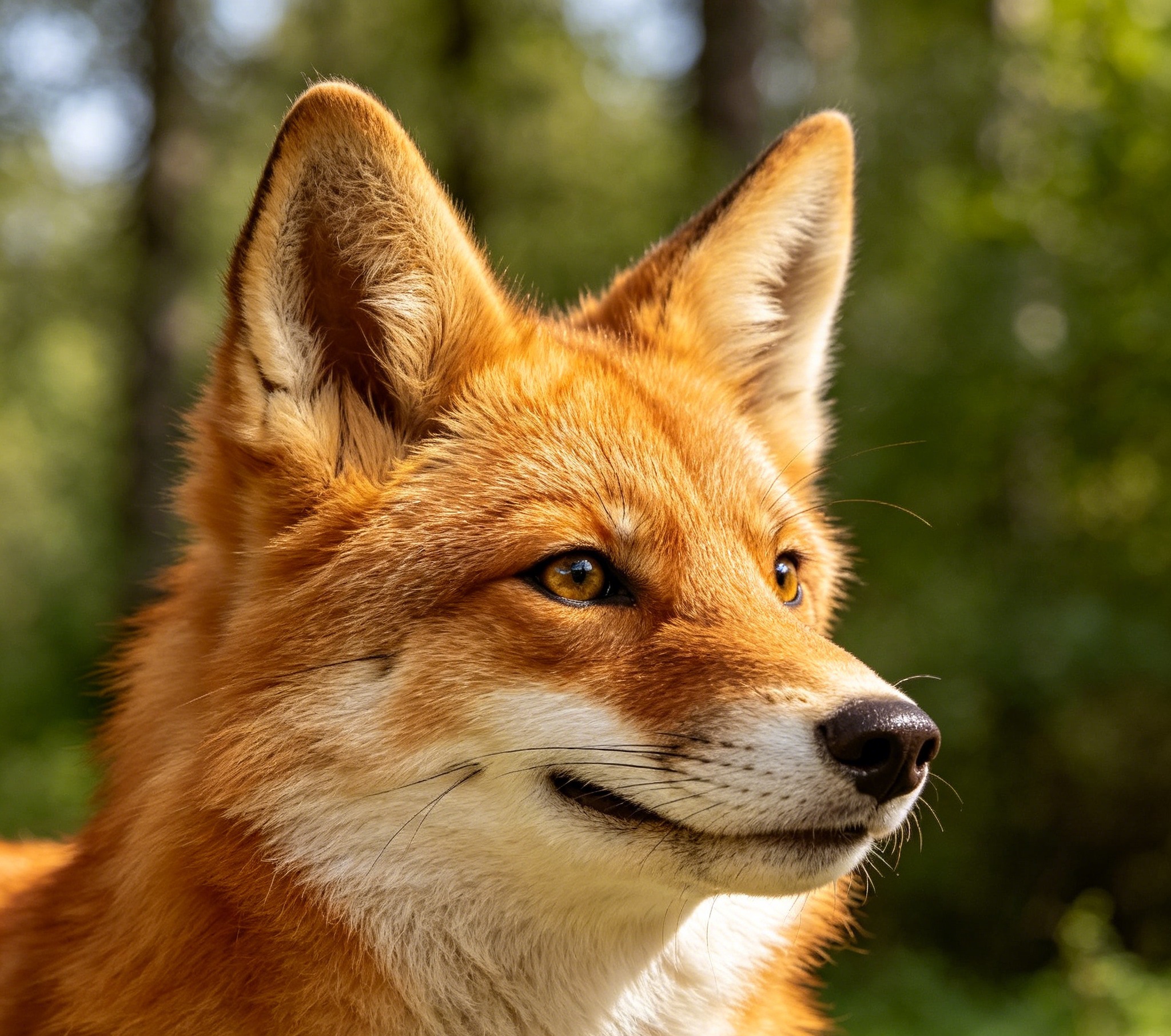
A Vocal Spitz in a Shared-Neighborhood Home
| Fit Factor | Score | What It Means | |—|—|—| | Apartment Fit | 2/5 | Possible only with committed exercise, training, and careful neighbor management. | | First-Time Owner Fit | 2/5 | Challenging for new owners unless they have strong support and training plans. | | Family Fit | 3/5 | Can suit the right family when children, space, and routines are managed. | | Exercise Demand | 5/5 | High-drive breed; under-exercise can quickly create behavior problems. | | Grooming Difficulty | 3/5 | Moderate grooming or shedding; plan for regular brushing and basic upkeep. | | Training Difficulty | 4/5 | Can be stubborn, intense, or independent; structure matters. |
Finnish Spitz Quick Facts
| Trait | What to Expect |
|---|---|
| Size | Medium spitz, 15–20 in, 20–35 lb |
| Temperament | Lively, alert, devoted, playful, and very vocal |
| Energy level | Moderate to high |
| Exercise needs | Daily walks, outdoor play, scent and recall games |
| Grooming needs | Weekly brushing; heavy twice-yearly coat blow |
| Apartment friendly | Only if the barking is genuinely managed |
| Good with families | Good with active, respectful families |
| Common concerns | Excessive barking, prey drive, seasonal shedding, hip and eye issues |
| Best for | Owners who love an expressive, outdoorsy companion |
| Not ideal for | Noise-sensitive homes or those wanting a quiet dog |
Finnish Spitz Temperament
The Finnish Spitz is cheerful, animated, and devoted to its people, while keeping the self-directed independence of an old hunting spitz. Most are warmly affectionate at home without being clingy, happy to be near the family but quite capable of entertaining themselves and forming their own opinions. They tend to bond strongly and can be a touch aloof or reserved with strangers, observing newcomers before deciding to engage.
Vocal behavior is the breed’s headline trait. The Finnish Spitz was literally bred to bark, a fast, ringing, almost song-like bark, and many individuals are enthusiastic about using their voice when excited, alert, bored, or simply pleased with themselves. In Finland there are competitions to crown a “King of the Barkers.” This is wonderful character in the right home and an immediate problem in the wrong one, so the barking must be shaped, not ignored, from puppyhood.
Around children the breed is typically good when kids are taught to be gentle and play is supervised, matching its playful, energetic nature. Around small pets, caution is wise, since the bird-hunting heritage gives many Finnish Spitz dogs a real prey drive and a strong urge to chase fast-moving animals.
How a Finnish Spitz Uses Its Energy
A Finnish Spitz wants more than a token stroll. A satisfying day usually blends a good brisk walk with some safe outdoor play and a session of training or scent work to occupy the busy, clever mind. These dogs love to use their noses, so sniffing routes, new trails, hide-and-seek, and puzzle feeders all go down well.
A workable daily rhythm:
- A brisk morning walk with plenty of time to sniff and investigate.
- Short, reward-based training for recall, leash manners, and a quiet cue.
- A secure-yard play session or an active indoor game.
- Scent or food-puzzle games to engage the mind on busy days.
- A real wind-down period afterward, so the dog learns to settle indoors.
Because the breed is alert and quick to react to movement, off-leash freedom should be reserved for secure areas unless the recall is genuinely rock-solid; that prey drive can override a half-trained recall in a heartbeat. As always, ease off if your dog seems sore, overheated, or unusually tired, and check with a veterinarian when something seems wrong.
Barking and Noise Management
Barking is the make-or-break factor in Finnish Spitz ownership, so it earns its own discussion. The aim is never to silence the breed entirely; that bright voice is intrinsic to who these dogs are. The realistic aim is to teach the dog when a couple of alert barks are useful, when to stop, and what to do instead of barking on and on.
Habits that help:
- Reward calm, quiet moments before the barking ever starts.
- Teach a clear cue, such as “enough” or “quiet,” and acknowledge the dog after one or two alert barks.
- Block tempting window views when passing people or animals set off constant barking.
- Provide enough exercise and stimulation before long indoor stretches.
- Avoid shouting, which a Finnish Spitz may happily interpret as you joining the chorus.
If a dog barks for long periods when left alone, treat it as a sign of boredom, under-exercise, or separation stress rather than mere disobedience, and address the underlying cause. Prospective owners in apartments or shared buildings should be especially honest with themselves about this trait.
Coat Care in a Finnish Spitz Home
The Finnish Spitz wears a plush double coat that is, happily, fairly self-cleaning and odor-resistant for most of the year. Weekly brushing keeps it healthy and tidy most of the time, but twice a year the dog “blows” its undercoat in a heavy seasonal shed, and during those weeks you will need to brush several times a week to stay ahead of the loose hair.
A practical grooming routine:
- Brush weekly down through the coat to the undercoat, increasing to several times a week during the seasonal blow.
- Check ears for odor, redness, or excess wax.
- Trim nails before they grow long enough to alter the gait.
- Brush teeth regularly with vet-approved dental care.
- Bathe only when genuinely needed; the coat stays clean on its own remarkably well.
- Check paws and coat after hikes through tall grass or brush.
The coat needs little trimming and is one of the easier double coats to maintain between sheds, so the main commitment is simply weathering those two big annual molts.
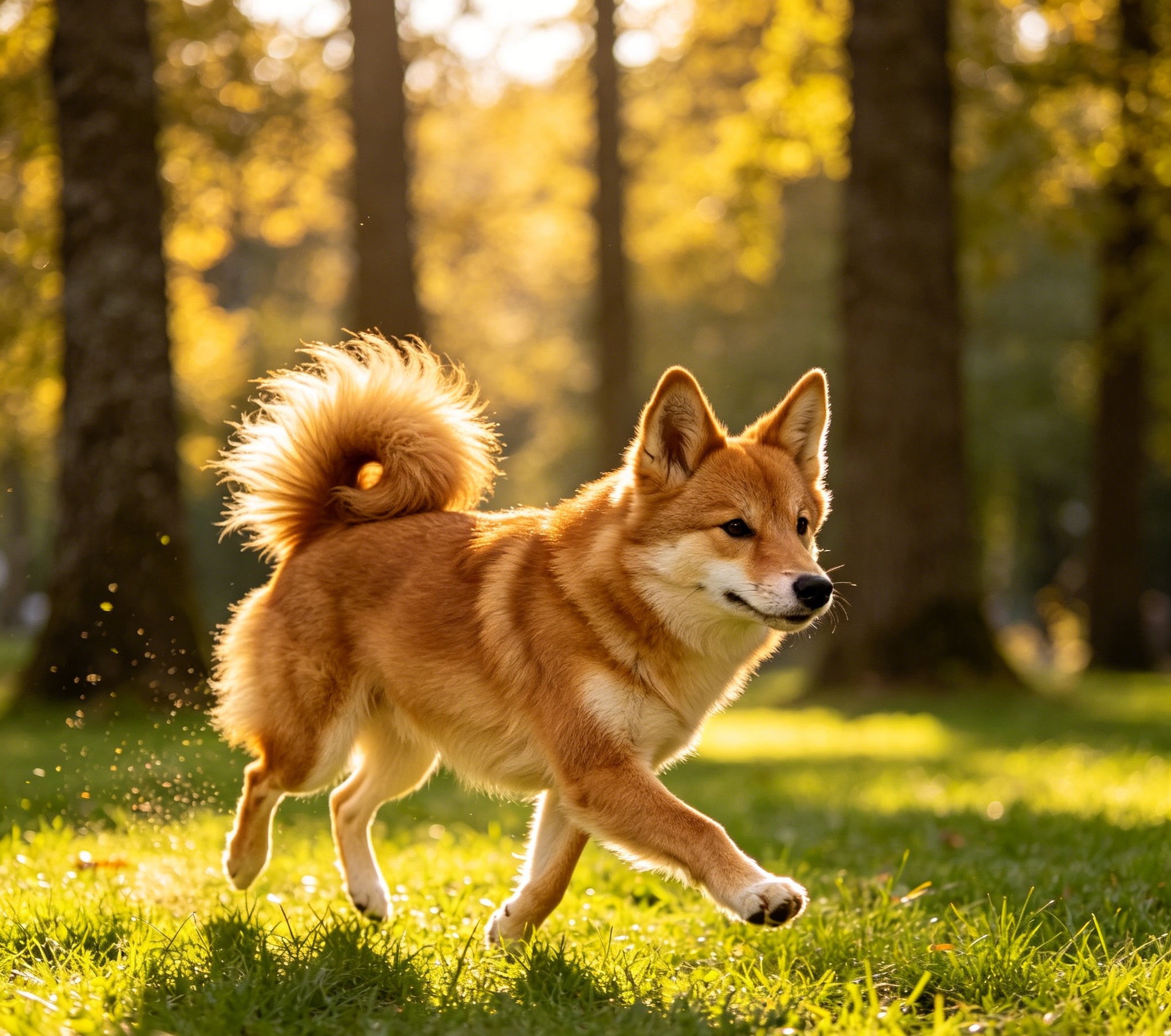
Common Finnish Spitz Health Issues
The Finnish Spitz is among the hardier, more naturally sound breeds, often living 13 to 15 years, but no breed is risk-free. Owners should keep an eye on joint health (hip dysplasia and patellar luxation can occur), eye conditions, and routine dental care, and active dogs may also pick up paw injuries, ticks, or muscle strains after vigorous outdoor sessions. Keeping the dog lean does a great deal to protect the joints over a long life.
When choosing a puppy, ask the breeder about hip and eye screening and about the general health and longevity of their lines. A breeder who answers these questions openly and screens appropriately is the one to trust; steer clear of anyone who brushes off health questions or fixates on coat color alone.
Contact a veterinarian promptly for persistent limping, recurring ear trouble, eye changes, severe itching, appetite shifts, coughing, collapse, or any sudden change in behavior.
Meals and Body Condition for a Finnish Spitz
A Finnish Spitz should stay lean enough to move with its characteristic light, springy ease. Excess weight dulls that athleticism and adds strain to the joints, and because the dense coat can disguise a thickening waistline, it pays to judge condition by feel rather than by appearance alone.
Feeding pointers:
- Portion meals to the dog’s actual size and activity rather than free-feeding from a full bowl.
- Choose a food suited to the dog’s age, body condition, and energy output.
- Because this trainable breed earns lots of small rewards, use tiny treat pieces or part of the daily ration to avoid quietly overfeeding.
- Keep meals on a predictable schedule.
- Confirm an ideal lean weight with your veterinarian by feeling the ribs and waist.
Dogs that train frequently can accumulate a surprising number of treat calories, so folding rewards into the daily total keeps a working coat from hiding a softening body.
Teaching a Finnish Spitz Useful Habits
Finnish Spitz training succeeds when it is positive, varied, and engaging. The breed is clever and eager but easily bored by repetitive drilling, and it carries an independent streak, so short, upbeat sessions with clear rewards far outperform long or heavy-handed ones. Win the dog’s enthusiasm and it learns fast; lose its interest and it tunes you out.
Put your effort into:
- Recall around real-world distractions, the safety skill that matters most given the prey drive.
- Loose-leash walking before pulling becomes a habit.
- Quiet and settle cues to manage the breed’s voice.
- A reliable “leave it” for wildlife and dropped food.
- Calm greetings with visitors.
- Comfortable alone time, built up gradually in small steps.
Start early rather than waiting for barking, chasing, or pulling to set in as habits. Training is far easier while a young Finnish Spitz is still figuring out how household life works.
Pros and Cons of Finnish Spitz Dogs
| Pros | Cons |
|---|---|
| Cheerful, alert, and full of character | Can be extremely vocal |
| Devoted and affectionate with family | Needs daily exercise and mental work |
| Striking coat with manageable upkeep | Heavy twice-yearly seasonal shedding |
| Loves outdoor activity and games | Prey drive makes off-leash time risky |
| Hardy and generally long-lived | Poor fit for noise-sensitive homes |
Finnish Spitz Owners Live With the Voice, Not Around It
For a Finnish Spitz, barking belongs to the original job rather than sitting on top as a random bad habit. Owners need realistic expectations before moving beside noise-sensitive neighbors. The dog may also follow wildlife, make independent choices, and lose recall when scent or movement becomes valuable. A cheerful family manner does not remove the need for secure exercise and deliberate quiet training.
Finnish Spitz Advice by Property and Handler
An apartment puts the breed’s voice on trial
The body size can fit, but vocal behavior may not. Owners need sound management, substantial outdoor activity, and tolerant neighbors. Long isolation can amplify barking, so this is rarely the easiest urban spitz.
A house needs fence and neighbor distance
Secure fencing supports activity, but fence barking should be interrupted before it becomes a routine. Use walks, scent games, and controlled exploration. Yard access does not make off-leash wildlife pursuit safe.
A beginner must genuinely like a vocal dog
Hear adults bark in real settings, not only short clips. Train recall on a long line, reward quiet recovery, and avoid punishment that increases conflict or anxiety. Check local noise expectations before choosing the breed.
Experienced spitz homes can shape when the voice is used
Give the dog legal scent and tracking outlets, then teach a clear end to the activity. Experienced owners still manage open spaces and wildlife. Independence is expected, not an excuse to stop training.
Finnish Spitz Myths That Misread the Foxy Look
A Finnish Spitz can be trained never to bark
Training can improve response and reduce unnecessary barking, but vocal hunting heritage remains. A household that needs near silence should choose another breed rather than promise to erase the voice.
The fox-like dog is part fox
Appearance does not indicate a fox hybrid. The Finnish Spitz is a domestic dog breed. Care decisions should focus on its actual spitz and hunting traits, not folklore.
For a practical planning check, use the dog cost calculator to include training, secure fencing, long lines, walkers, coat tools, safe boarding, and a medical reserve. The dog fit score cards can help you compare shared walls, noise tolerance, wildlife, recall expectations, time alone, and access to secure scent-rich activity.
Is a Finnish Spitz Right for You?
A Finnish Spitz suits an owner who delights in an expressive, lively, outdoor-minded dog and is ready to shape the barking with patience, exercise, and consistent training. People who enjoy walks, trails, and a dog that notices and comments on the whole world tend to thrive with the breed.
It is a poor match if you need a quiet apartment dog, would resent brushing through the seasonal sheds, or want a dog that can roam off leash with minimal training. For nearby comparisons, see the quieter Japanese Chin for a calm toy companion, the Shiba Inu for another independent spitz, or the vocal but more familiar Pembroke Welsh Corgi.
The Finnish Spitz Decision
The Finnish Spitz is a bright, beautiful, and genuinely characterful companion for the owner who wants a dog with a voice and an opinion. Devoted, hardy, and endlessly engaged with the world, it rewards an active household that appreciates its spirited nature.
The catch is right there in its history: this is a barking breed with a real prey drive and a seasonal shed, and none of that goes away with wishing. Embrace the song, commit to the training and exercise, and the Finnish Spitz becomes a joyful, foxlike partner; underestimate the voice, and it will be the thing that ends the match.