
The Shiba Inu is compact, tidy, photogenic, and often much less cooperative than prospective owners expect. Its hunting background and independent streak matter more than the online “cat-like” shorthand suggests. A Shiba can be deeply attached to its people while still resisting handling, ignoring recall, or treating an open door as an opportunity worth taking.
Shibas are compact, tidy, and strikingly handsome, with a fox-like face, curled tail, and dignified bearing. They are also stubborn, prone to “Shiba screams,” wired with a serious prey drive, and notorious escape artists. None of that is a flaw if it’s what you signed up for, and a disaster if it isn’t.
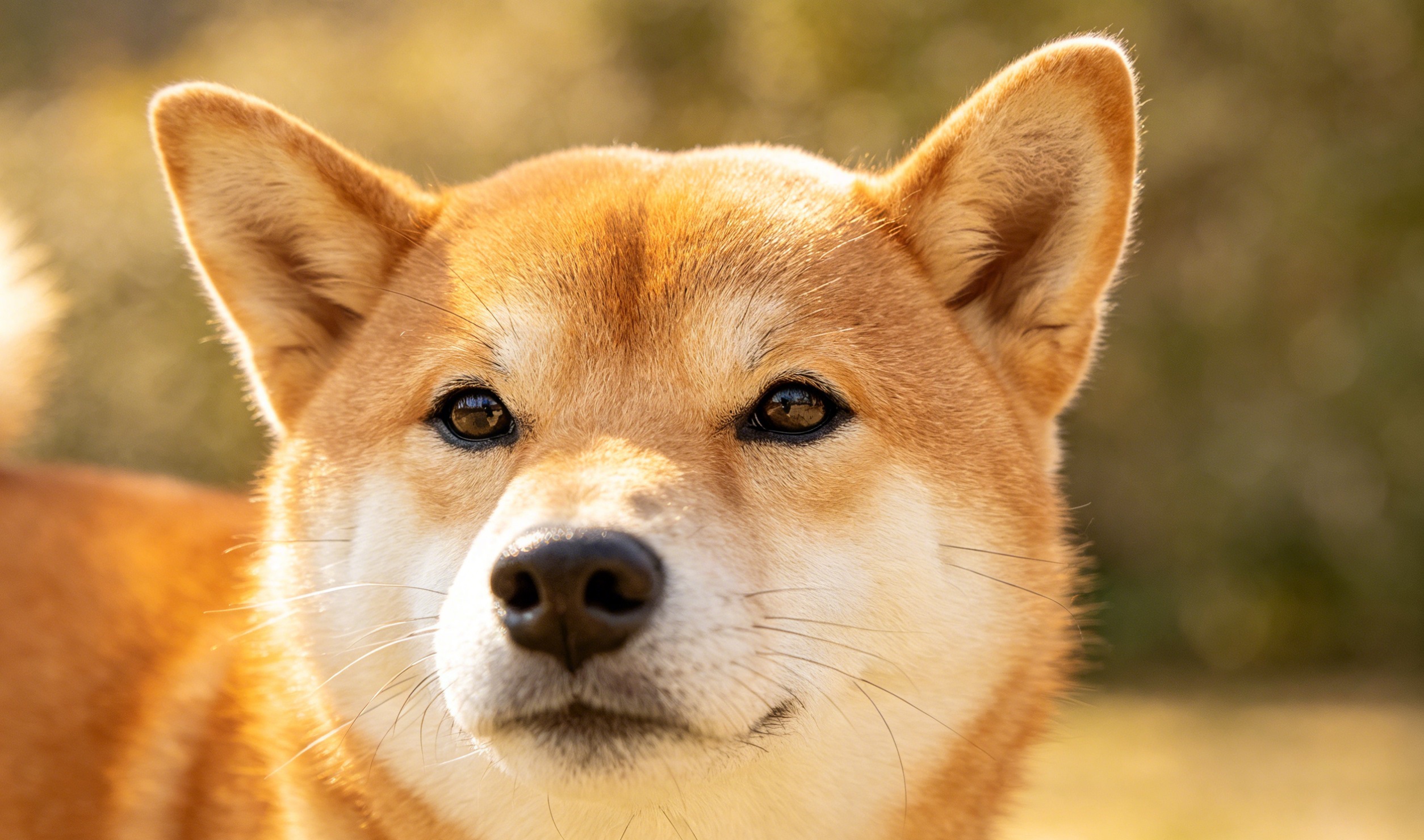
Shiba Fit Depends on Containment and Consent
| Fit Factor | Score | What It Means |
|---|---|---|
| Apartment Fit | 3/5 | Workable for prepared owners who manage exercise, barking, and routine. |
| First-Time Owner Fit | 2/5 | Challenging for new owners unless they have strong support and training plans. |
| Family Fit | 3/5 | Can suit the right family when children, space, and routines are managed. |
| Exercise Demand | 3/5 | Moderate daily activity and mental work keep this dog easier to live with. |
| Grooming Difficulty | 3/5 | Moderate grooming or shedding; plan for regular brushing and basic upkeep. |
| Training Difficulty | 4/5 | Can be stubborn, intense, or independent; structure matters. |
Shiba Inu Quick Facts
| Trait | What to Expect |
|---|---|
| Size | Small-to-medium spitz, about 13.5-16.5 inches tall |
| Weight | Roughly 17-23 lbs |
| Temperament | Bold, independent, alert, loyal, and cat-like aloof |
| Energy level | Moderate; bursts of activity, content to rest between |
| Exercise needs | Daily walks and play, always on leash or securely fenced |
| Grooming needs | Easy weekly brushing; dramatic seasonal shedding |
| Lifespan | About 13-16 years |
| Apartment friendly | Good, with daily exercise and barking under control |
| Good with families | Best with older, respectful kids |
| Common concerns | Strong prey drive, escape risk, allergies, luxating patella, eye issues |
| Best for | Owners who respect an independent, low-clinginess dog |
| Not ideal for | People wanting an off-leash, endlessly cuddly companion |
Shiba Inu Temperament
The Shiba’s personality is the whole story. They are bold and spirited, confident to the point of arrogance, and deeply independent. A Shiba loves its family but on its own terms; many show affection in measured doses and prefer to be near you rather than on you. This self-contained nature, along with their fastidious cleanliness (they often groom themselves and avoid puddles), is why they’re so often compared to cats.
They are alert and can be aloof or wary with strangers, making decent little watchdogs, though they’re not guard dogs. With other dogs and especially small animals, the picture changes: the breed can be territorial, possessive over food and toys (resource guarding) if not managed early, and driven to chase anything small that runs.
Then there’s the “Shiba scream,” a piercing, dramatic vocalization some dogs unleash when displeased, restrained, or excited. It’s startling the first time you hear it, and it’s a genuine part of the breed’s character.
Exercise Without Gambling on Recall
Shibas are athletic and need regular activity, but they aren’t tireless endurance dogs. Daily walks plus some active play keep an adult Shiba satisfied, and they’re generally calm and clean indoors once their needs are met. Mental challenges matter as much as physical ones for this clever breed.
A workable routine:
- One or two good walks a day, plus play sessions in a secure space.
- Puzzle toys, scent games, and short training challenges to engage the mind.
- Safe outlets for the prey-chase instinct, like a flirt pole, rather than letting it loose on the neighbor’s cat.
The single most important rule: keep your Shiba on leash or behind a secure fence at all times outdoors. The breed’s powerful prey drive and independent streak mean an off-leash Shiba may bolt after a squirrel and ignore every recall command, and Shibas are skilled escape artists who climb, dig, and slip through gaps. A reliable off-leash Shiba is rare, so don’t bet your dog’s life on it.
Seasonal Coat Blow and Cooperative Handling
Day to day, the Shiba is a low-maintenance grooming breed. The plush double coat is naturally clean and odor-light, sheds dirt well, and needs only a weekly brushing most of the year. Shibas are also fastidious self-groomers, so they rarely need frequent baths.
But twice a year, brace yourself. During seasonal coat blows in spring and fall, the soft undercoat sheds dramatically, coming out in tufts for a few intense weeks. Plan for that with:
- Weekly brushing year-round, ramping up to daily during the coat blow.
- An undercoat rake and slicker brush to pull the loose undercoat efficiently.
- Occasional baths, with thorough drying afterward.
- Routine nail trims, ear checks, and dental care.
- No shaving; the double coat protects against heat and cold.
Common Shiba Inu Health Issues
Shibas are among the hardier, longer-lived breeds, often reaching their mid-teens, but they have some predispositions worth knowing. Allergies and related skin issues are fairly common and can cause itching, hot spots, and ear problems. The breed can also be affected by luxating patella (slipping kneecaps), hip dysplasia, and inherited eye conditions including glaucoma and progressive retinal atrophy.
Just as significant as physical disease, in practical terms, are the breed’s behavioral risks: the prey drive and escape tendency genuinely endanger Shibas that get loose near roads or other animals. Choosing a breeder who screens for eye, knee, and hip health, and who raises well-socialized puppies, reduces both medical and behavioral problems.
Your veterinarian should handle any actual diagnosis or treatment. See a vet promptly for persistent itching or skin infections, sudden lameness or knee popping, eye redness or pain, or any abrupt change in behavior or appetite.
Keeping a Compact Shiba Lean
Shibas don’t tend toward obesity as readily as some breeds, but they still do best kept trim and athletic. A lean Shiba moves with the agility the breed is known for and avoids extra strain on those luxation-prone knees. You should feel the ribs easily and see a clear waist under the coat.
Feeding guidance:
- Offer measured meals suited to a small, moderately active dog.
- Choose a quality diet, and consider one formulated for sensitive skin if allergies appear.
- Mind that some Shibas can be picky eaters; resist the urge to over-supplement with treats to coax them.
- Watch food guarding closely, and feed in a calm, undisturbed spot to discourage resource guarding.
Because some Shibas guard food, multi-pet households should manage feeding carefully, giving each dog its own space rather than letting mealtimes become a flashpoint.
Build Trust Before Asking for Compliance
Training a Shiba is an exercise in humility. They are intelligent and quick to understand what you want, then they decide whether complying is worth their while. This is not a biddable breed; harsh correction triggers stubborn resistance or that famous scream, while patience, consistency, and high-value rewards earn cooperation.
Practical advice:
- Start socialization extremely early and broadly; it shapes a confident, less reactive adult.
- Use reward-based methods and make training feel like a worthwhile deal to the dog.
- Prioritize a strong (if never fully trustworthy off-leash) recall, plus “leave it” for the prey drive.
- Address resource guarding early with positive trade-and-reward exercises.
- Keep sessions short and interesting, since a bored Shiba simply opts out.
The defining challenge is independence, not stupidity. Successful Shiba owners stop expecting blind obedience and instead build a respectful partnership with a dog that always retains a bit of its own agenda.
Pros and Cons of Shiba Inus
| Pros | Cons |
|---|---|
| Clean, tidy, and relatively odor-free | Strong prey drive; not safe off-leash |
| Bold, dignified, and full of personality | Stubborn and challenging to train |
| Low day-to-day grooming needs | Dramatic seasonal shedding twice a year |
| Generally healthy and long-lived | Can be aloof; not a constant cuddler |
| Compact and apartment-suitable | May resource guard and be dog-selective |
Shiba Inu Myths Built by Internet Personality
Shibas are basically cats in dog form
The comparison captures independence and cleanliness but hides canine needs such as leash training, social exposure, exercise, and predatory behavior. A clever label is not a care plan.
A well-trained Shiba can safely run off leash anywhere
Individual reliability varies, and prey drive or sudden movement can override a practiced recall. Secure areas and long lines offer freedom without gambling on traffic, wildlife, or an open horizon.
For a Shiba, the dog cost calculator should include a secure harness and gates, handling or behavior coaching where needed, shedding tools, boarding that can respect the dog’s limits, and a medical reserve. The dog fit score cards make the temperament question concrete: evaluate recall expectations, visitor habits, other pets, shared entrances, and how patiently the household responds when affection and cooperation arrive on the dog’s terms.
Is a Shiba Inu Right for You?
A Shiba fits an owner who appreciates an independent, dignified, low-clinginess dog and is prepared to commit to leash safety, early socialization, and patient, ego-free training. People who like a beautiful, characterful companion that doesn’t demand constant attention, and who find the breed’s stubborn quirks charming rather than maddening, tend to thrive with one.
It’s a poor match if you dream of an off-leash hiking buddy, a perfectly obedient first dog, or a velcro lapdog. The prey drive, escape skills, and independent will are core breed traits, not training failures to be fixed.
If you’re comparing spirited small breeds, start with Shiba Inu vs Corgi. Then set the Shiba alongside the fluffy, social Samoyed or the larger, even more escape-prone Siberian Husky. The contrasts in cooperation, recall, noise, and affection are revealing.
Independence Is Not a Training Plan
Before granting a Shiba any freedom, secure doors, test the harness fit, and reward voluntary check-ins on every walk. One successful dash through a gate can make the next open door more exciting, so containment habits need to be consistent across the entire household.
A tidy coat and quiet indoor manner can hide the difficult parts of Shiba ownership. Recall, restraint, nail care, and sharing space may take patient conditioning. Predictable routines and worthwhile rewards work better than repeated physical confrontations, and many Shibas should remain leashed outside secure areas.
Containment, Costs, and Family Boundaries
Can a Shiba Inu live in an apartment?
Yes, with a careful owner. Shibas are clean, compact, and often quiet indoors, but they still need daily exercise, secure doors, and management for alert barking or prey drive. Apartment life is easiest when the dog has predictable walks and no chance to slip through open doors. Off-leash freedom should not be the plan.
Are Shiba Inu expensive to own?
Usually moderate, but not bargain-basement. The coat sheds heavily during seasonal blowouts, so owners need grooming tools and patience. Health planning should include allergies, knees, eyes, and dental care. Training costs may matter if the owner struggles with resource guarding, handling resistance, or recall expectations.
Are Shiba Inu good family dogs?
They can work best with older, respectful children and adults who understand boundaries. A Shiba is not usually the dog that enjoys chaotic hugging, chasing, or rough play. Families should teach children to leave resting and eating dogs alone, trade toys calmly, and avoid turning independence into a battle of wills.
The Shiba Inu Management Checklist
Every exterior door is a training point
Shibas can slip through a gap and make their own decision about where to go next. Use secure gates, check fence lines, and teach a door-wait routine that every household member follows. Identification and a registered microchip provide backup, but they do not replace containment. Off-leash exercise belongs in a genuinely enclosed area.
Handling must be taught in small steps
Nail trims, veterinary exams, brushing, and restraint can become battles when a Shiba has only experienced them during stressful moments. Practice brief touches, reward cooperation, and stop before the dog is overwhelmed. A groomer or veterinary team should know the dog’s handling limits in advance. Surprise force usually makes the next appointment harder.
Visitors should be allowed to ignore the dog
Some Shibas watch newcomers from a distance and approach on their own schedule. Guests can toss a treat away from themselves and avoid reaching over the dog’s head. This removes social pressure and gives the dog room to make a safe choice. Owners should provide a quiet retreat when the house is busy rather than expecting constant participation.
The Household a Shiba Inu Can Live With
The Shiba Inu is a striking, characterful, remarkably clean little dog with a personality far larger than its size. For owners who respect its independence, commit to leash safety, and find joy in a dog that keeps a bit of itself for itself, the Shiba is a fascinating and rewarding companion that often shares your life well into its teens.
For owners hoping for an obedient, off-leash, endlessly affectionate dog, the gap between expectation and reality will be frustrating for both of you. Understand the prey drive, the stubbornness, and the scream before you commit, and the Shiba’s bold, dignified charm becomes a feature rather than a surprise.