
The Samoyed is a sociable Arctic working dog with a huge white coat, a strong voice, and little patience for being treated as a yard ornament. The famous smile gets attention, but it tells a buyer almost nothing about the daily job. A Samoyed needs cool indoor space, company, coat work, and a routine with something to do beyond a quick walk.
That makes the breed a poor impulse choice for a hot apartment or a household away all day. It can be a deeply engaging companion in a prepared home, especially one that enjoys training and outdoor time, but the practical test is simple: can the household manage fur, noise, and heat without relying on improvisation?
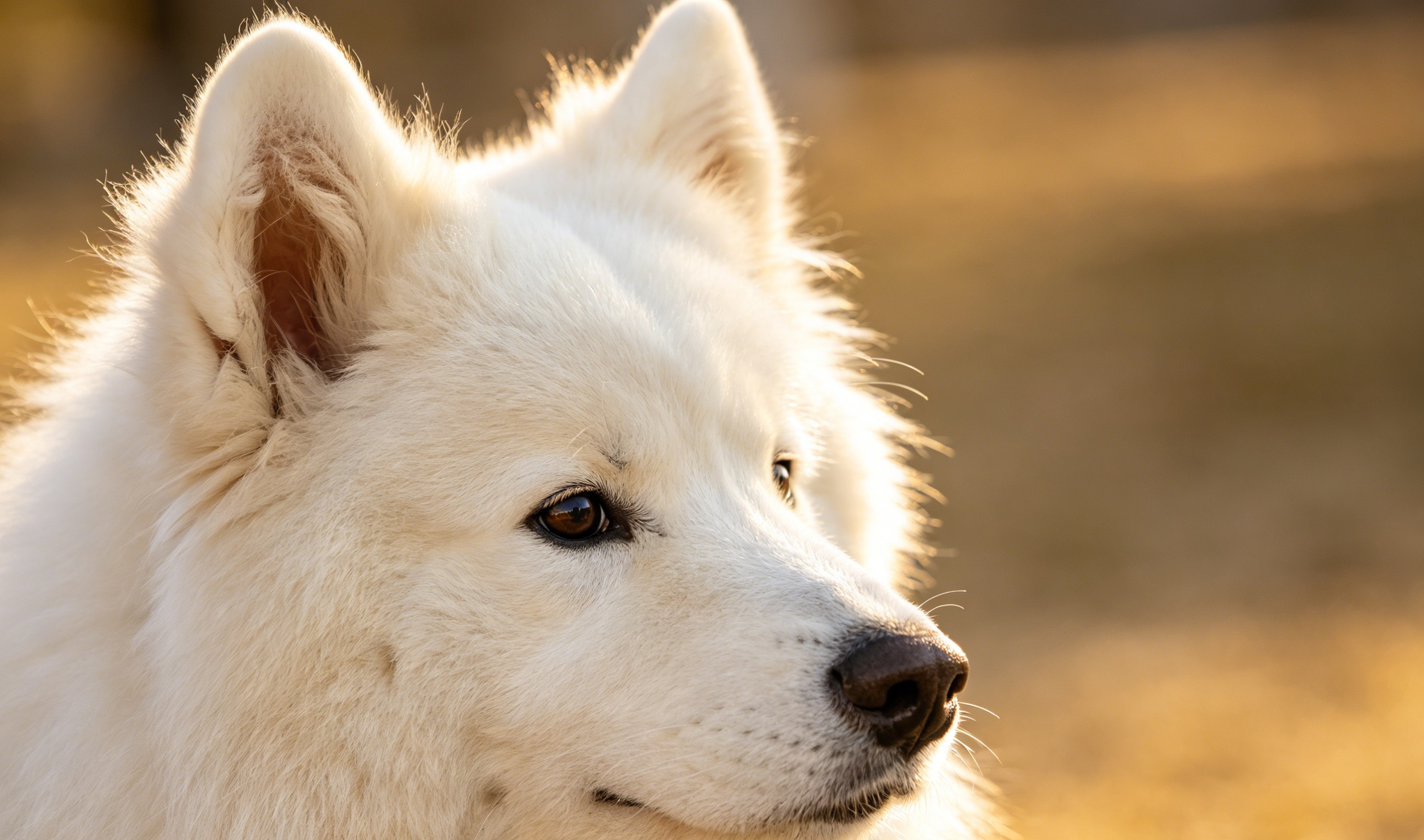
The Samoyed Test: Noise, Fur, and a Cool Place to Rest
| Daily constraint | Score | What it changes | |—|—|—| | Heat management | 5/5 | Cooling, timing walks, and avoiding hard summer exercise are core care, not extras. | | Coat work | 5/5 | Seasonal shedding fills the home quickly; brushing has to be scheduled, not improvised. | | Neighbor tolerance | 4/5 | Vocal frustration can become an apartment problem before the owner notices it. | | Daily purpose | 4/5 | Pulling games, scent work, hiking, or training give the breed a better outlet than endless fetch. | | First-dog margin | 2/5 | A beginner needs time, a training plan, and a realistic backup for coat and behavior support. |
Samoyed Quick Facts
| Trait | What to Expect |
|---|---|
| Size | Medium spitz, about 19-23.5 inches tall |
| Weight | Roughly 35-65 lbs (females smaller than males) |
| Temperament | Friendly, gentle, playful, vocal, and very social |
| Energy level | High; a working sled and herding dog |
| Exercise needs | Long daily walks, play, and cool-weather activity |
| Grooming needs | High; daily-to-frequent brushing, year-round heavy shedding |
| Lifespan | About 12-14 years |
| Apartment friendly | Challenging; needs space, activity, and cool conditions |
| Good with families | Excellent; affectionate and gentle with children |
| Common concerns | Heat intolerance, hip dysplasia, eye disease (PRA), a breed-specific kidney disorder |
| Best for | Active owners in cooler climates who enjoy grooming |
| Not ideal for | Hot regions, neat freaks, or people gone all day |
Samoyed Temperament
Samoyeds are famously sweet-natured and social, the legacy of a breed that lived inside the tent with its people rather than chained outside. They bond closely, crave companionship, and tend to be gentle and patient with children, which is why they make such warm family dogs. Aloofness and aggression are atypical; a Samoyed usually greets the world with that beaming, tail-wagging optimism.
They are also talkers. The breed is notably vocal, with a repertoire of barks, “woos,” and conversational sounds, and a bored or lonely Samoyed can become a serious nuisance barker. Their friendliness makes them poor guard dogs but lovely companions.
Two working-dog traits surprise newcomers: they can be enthusiastic diggers (a holdover from making cool dens in snow or earth), and many have a playful, mischievous streak. They are smart but independent-minded, so they aren’t pushovers to train.
How a Samoyed Uses Its Energy
This is an athletic breed built to run and pull for hours in the cold, so a couple of strolls won’t cut it. Samoyeds need substantial daily exercise and mental engagement, or that working energy turns into barking, digging, and destruction.
Aim for:
- A long walk or two each day, plus active play or jogging.
- Activities that suit their heritage: hiking, sledding, skijoring, or weight-pulling in cool weather.
- Training games, puzzle toys, and tasks to occupy their clever minds.
- Off-leash running only in secure areas, since the breed can roam and chase.
Temperature is the catch. That thick coat is built for the Arctic, and Samoyeds overheat easily. Exercise them in the cool of the morning or evening during warm months, watch closely for overheating, and never push hard activity in the heat. They are far happier, and safer, exercising in cold conditions than hot ones.
Coat Care in a Samoyed Home
Here is the reality every prospective owner must accept: the Samoyed coat is a major, ongoing commitment. That brilliant white “fur coat” is a dense double coat with a soft, woolly undercoat, and it sheds heavily all year, with two enormous seasonal “coat blows” where the undercoat comes out in handfuls. Without regular brushing, it mats badly down to the skin.
Plan for serious grooming:
- Brush thoroughly several times a week at minimum, daily during shedding season, working all the way down to the skin to prevent mats.
- Use a line-combing technique with a slicker brush and an undercoat rake.
- Bathe periodically and dry completely; a damp dense undercoat invites skin problems.
- Keep nails trimmed and check the feet, ears, and eyes.
- Never shave a Samoyed; the coat insulates against heat as well as cold and can be damaged by clipping.
A genuine perk: many people find Samoyed coat care meditative, and the shed undercoat can even be spun into yarn. But there is no version of this breed that is low-shedding or low-maintenance.
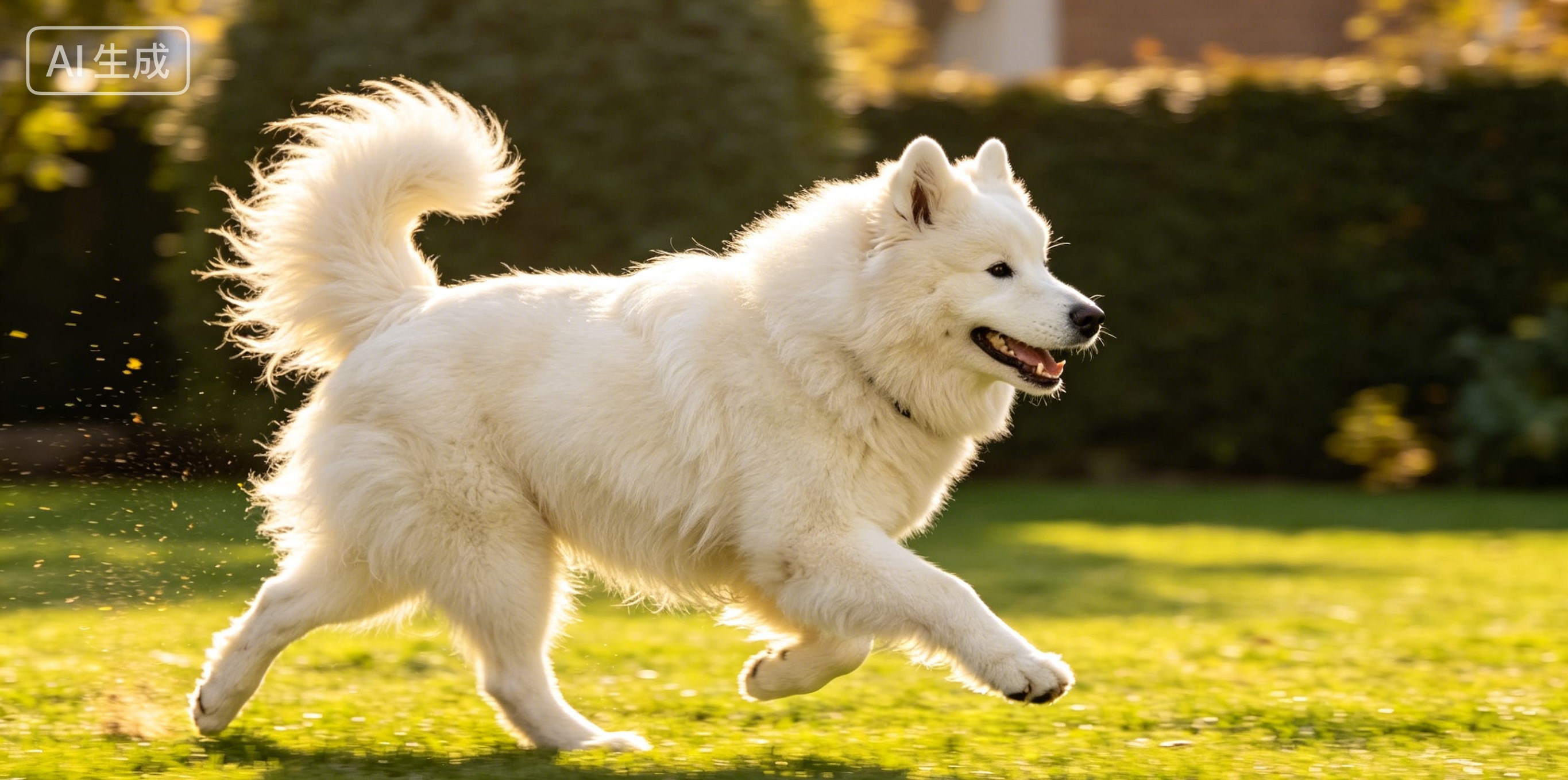
Common Samoyed Health Issues
Samoyeds are generally hardy, but the breed carries a few notable predispositions. Hip dysplasia occurs in the lines, as it does in many medium-to-large breeds, so hip screening matters. Their eyes are a particular watch-point: the breed can be affected by progressive retinal atrophy (PRA) and other inherited eye conditions, and reputable breeders perform eye exams. The most breed-specific concern is Samoyed Hereditary Glomerulopathy, an inherited kidney disorder; responsible breeders are aware of it and breed to avoid it.
On top of inherited disease, the everyday risk worth repeating is heat. Because of their Arctic coat and physiology, Samoyeds are genuinely vulnerable to heat exhaustion and heat stroke in warm climates, which is as much a husbandry issue as a genetic one. Ask breeders about hip, eye, and overall family health history before committing.
As always, this is general education rather than veterinary advice; your own veterinarian should guide any diagnosis or treatment. Seek prompt care if your Samoyed shows signs of overheating, changes in thirst or urination, vision trouble, or persistent lameness.
Meals and Body Condition for a Samoyed
Despite their athletic builds, Samoyeds are efficient eaters that can gain weight if overfed, and a fat dog under all that fluff is easy to miss. Keeping your Samoyed lean protects its hips and joints and keeps it agile for the activity it craves. Because the coat hides the body, you’ll need to assess condition by feel, ensuring you can detect ribs and a waist beneath the fur.
Sensible feeding practices:
- Measure portions to match an active dog’s needs without overdoing it.
- Feed a quality diet suited to life stage, and discuss ideal weight with your vet.
- Factor treats into the daily total, especially during heavy training.
- Provide steady access to fresh water, particularly important given heat sensitivity.
Adjust food up during cold-weather working seasons and down during sedentary stretches, and check body condition by hand regularly since your eyes alone won’t tell you the truth through that coat.
Teaching a Samoyed Useful Habits
Samoyeds are intelligent and capable but also independent and a bit stubborn, the classic spitz combination. They were bred to think for themselves, so they don’t have the eager-to-obey nature of a retriever. Positive, motivating, varied training works far better than repetition or force, which they simply tune out.
Helpful approaches:
- Keep sessions short, upbeat, and rewarding to hold their interest.
- Start socialization and basic manners early, while the puppy is most receptive.
- Teach a “quiet” cue and provide enrichment to head off nuisance barking.
- Give them jobs and games so their working brain has an outlet.
- Use secure fencing and reliable recall practice, since the breed likes to wander and dig.
The biggest training reality is independence, not unfriendliness. A Samoyed will cooperate happily when it sees a reason to, so make training fun and worth its while.
Pros and Cons of Samoyeds
| Pros | Cons |
|---|---|
| Stunning looks and a famously friendly nature | Extremely heavy shedding and demanding coat care |
| Gentle and affectionate, great with kids | Struggles in heat; needs cool conditions |
| Playful, energetic, and adventure-ready | High exercise needs; bores and barks if neglected |
| Sociable with people and often other dogs | Vocal and can be a problem barker |
| Hardy and long-lived for its size | Independent streak makes training a real effort |
The Samoyed Coat Is Only Half the Surprise
Samoyed owners expect hair and still get caught by drying time, vocal behavior, and the breed’s need for company. A damp undercoat can stay wet long after the surface looks dry. A bored dog may dig, pull, or hold a long conversation with the neighborhood. Hot weather compresses exercise into early morning and late evening, so the owner’s schedule must bend around the coat as much as the grooming tools do.
Samoyed Life by Climate, Space, and Skill
An apartment magnifies voice and heat
This setup demands strong noise training, reliable cooling, and several purposeful outings. Hallway walks are not enough for an Arctic worker. Plan where a wet dog will dry, where loose undercoat will be brushed, and how exercise happens before the pavement heats up.
A yard helps only when the fence is serious
Secure fencing makes play and cool-weather activity easier, but a Samoyed may dig under weak boundaries or bark from them. Shade and indoor air conditioning remain important. Do not leave the dog outside merely because the breed looks built for weather.
A beginner needs professional backup
Meet adult Samoyeds during coat blow, price grooming equipment or professional help, and find a reward-based trainer before bringing one home. Practice alone time gradually. A social puppy that is never left calmly can become a very loud adult when routines change.
Experienced working-dog owners must respect heat
Skill with active dogs helps with pulling and enrichment, but it does not make warm weather negotiable. Adjust intensity to temperature and humidity, learn the dog’s recovery pattern, and keep exercise lean rather than trying to exhaust the dog in unsafe conditions.
Samoyed Myths as Fluffy as the Coat
The white double coat keeps a Samoyed comfortable in any heat
The coat offers insulation, but it does not make an Arctic breed heat-proof. Provide cooling, water, shade, and conservative exercise. Heavy panting, weakness, confusion, or collapse needs urgent veterinary care.
Samoyeds are easy because they are friendly
Friendliness does not remove pulling, digging, barking, roaming, or coat work. The breed often loves people and still requires structured training, secure management, and a large time commitment.
For a practical planning check, use the dog cost calculator to include high-capacity grooming tools, professional coat care, cooling, training, dog walking or daycare, secure fencing, and large-dog veterinary costs. The dog fit score cards can help you check climate, shared-wall noise, time alone, exercise windows, grooming tolerance, and access to secure outdoor activity.
Is a Samoyed Right for You?
A Samoyed shines with an active owner in a cooler climate who genuinely enjoys grooming and outdoor adventure, and who will be home enough to keep this social dog company. People who hike, run, or do dog sports, and who don’t mind white fur woven into everything they own, tend to find the breed deeply rewarding.
It is a hard match for anyone in a hot region, anyone who wants a tidy, low-maintenance dog, or anyone away from home for long workdays. The combination of heavy grooming, high energy, vocal tendencies, and heat sensitivity makes the Samoyed a true commitment rather than a casual choice.
If you’re weighing fluffy or high-energy breeds, compare the Samoyed against the indoor, low-effort French Bulldog, the clever, smaller Pembroke Welsh Corgi, or the equally independent Shiba Inu. The contrasts in grooming and energy are striking.
The Samoyed Decision
The Samoyed is one of the most beautiful and good-natured dogs you can own: a smiling, affectionate, adventurous companion with a heart suited to family life. That beauty comes with a price measured in brushing hours, vacuum bags, and careful management of heat and energy. This is a high-commitment breed dressed up as a fluffy cloud.
If you live somewhere cool, love the outdoors, and find grooming a pleasure rather than a chore, a Samoyed will reward you with years of joyful, devoted company. If the relentless shedding and heat limits sound like more than you bargained for, it’s far kinder to both of you to admire this breed from a distance and choose one that fits your real life.
