
An Alaskan Malamute makes its needs obvious in physical ways: a strong dog on the end of a leash, a coat that fills the home during seasonal sheds, and a real limit in hot weather. The breed was developed to haul rather than to follow every cue instantly, so choosing one means planning for strength, secure containment, and productive exercise rather than relying on a large yard.
The key distinction from a typical family companion is management, not affection. A Malamute may be friendly with people while still being difficult around small animals, prone to escape when bored, and unable to exercise safely in midday heat. Those are daily logistics, especially for an apartment, a warm climate, or a home with other pets.
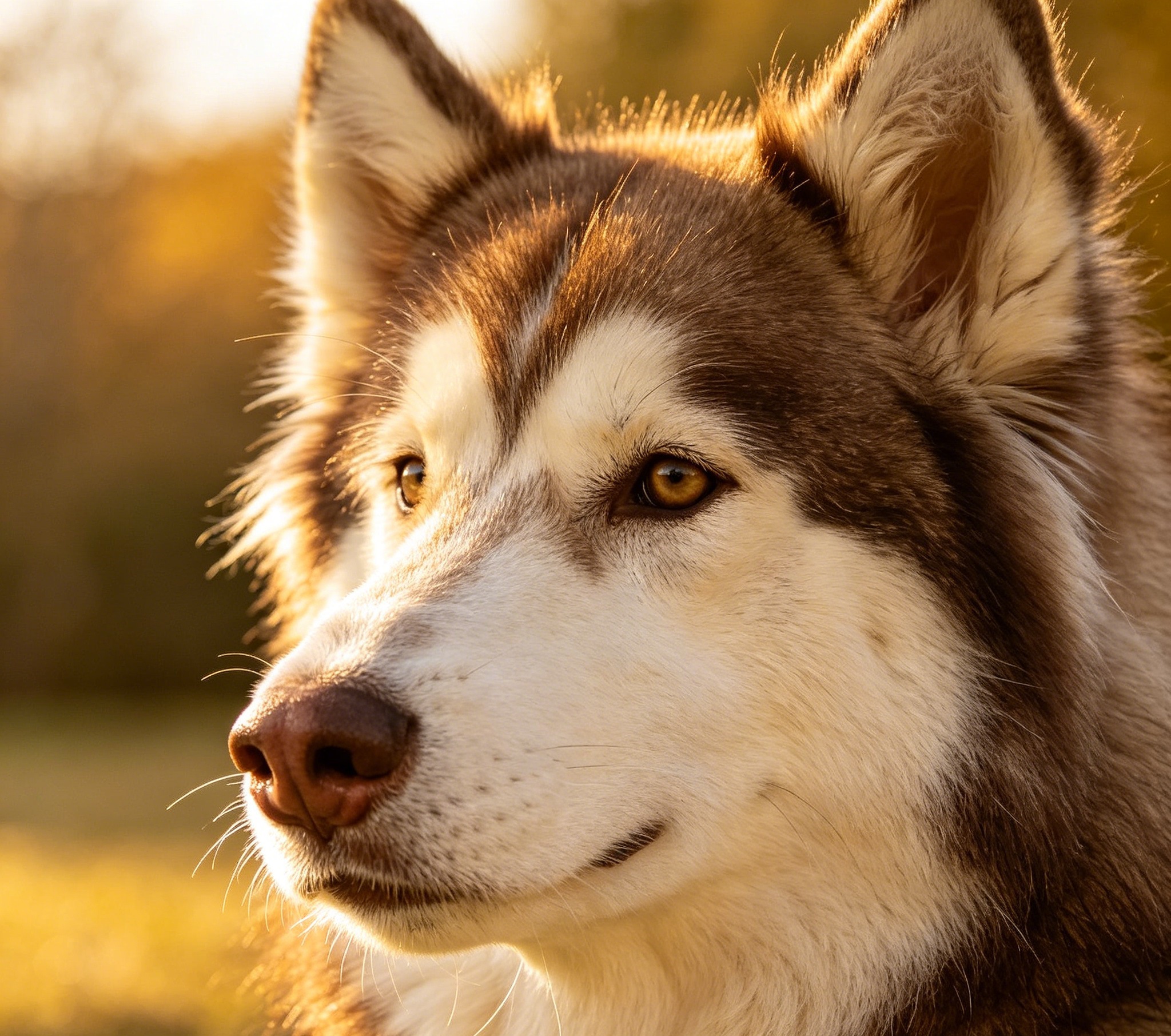
What an Alaskan Malamute Asks of a Household
| Daily constraint | Score | What it changes | |—|—|—| | Leash and pulling strength | 5/5 | A strong adult needs equipment, handling practice, and an owner who can manage unexpected movement safely. | | Climate margin | 5/5 | Hot or humid days require climate-controlled rest and adjusted exercise rather than pushing through the usual routine. | | Secure containment | 5/5 | Fences, gates, and digging opportunities need regular review because escape behaviour is costly and dangerous. | | Small-animal management | 5/5 | Prey drive can make cohabitation with small pets or loose outdoor animals a serious planning issue. | | Coat workload | 4/5 | Seasonal undercoat shedding changes cleaning, brushing, and travel routines for several weeks at a time. |
Alaskan Malamute Quick Facts
| Trait | What to Expect |
|---|---|
| Size | Large, 23 to 25 inches tall, 75 to 85 pounds or more |
| Temperament | Affectionate, dignified, friendly, and independent |
| Energy level | High; built for sustained hard work |
| Exercise needs | Long daily exercise, ideally with a pulling outlet |
| Grooming needs | High; very heavy shedder with twice-yearly coat blows |
| Apartment friendly | Generally a poor fit |
| Good with families | Good with people, but for experienced owners |
| Common concerns | Heat intolerance, hip dysplasia, bloat, cataracts, polyneuropathy |
| Best for | Active, experienced owners in cooler climates |
| Not ideal for | Hot regions, first-time owners, or low-activity homes |
Alaskan Malamute Temperament
Malamutes are deeply affectionate, people-loving dogs that bond strongly with their families and greet most humans, strangers included, with friendly enthusiasm. That sociability makes them poor guard dogs despite their imposing size; a Malamute is far more likely to welcome an intruder than repel one. Within the home they are playful, loyal, and often described as gentle giants, genuinely good with their families.
But the breed’s working heritage brings real challenges. Malamutes are independent, strong-willed pack animals with a stubborn streak, originally bred to make their own decisions on the trail. They have a powerful prey drive and a high prey instinct that makes them risky around cats, small dogs, and other small animals. Same-sex dog aggression is not unusual, and many Malamutes do best as the only dog or with carefully matched companions. They are also notorious diggers, accomplished escape artists, and famously vocal, communicating in an array of “woos,” howls, and dramatic talking rather than constant barking. None of this is bad behavior; it is the breed being itself, which is exactly why Malamutes need experienced, committed owners.
With children, well-raised Malamutes are typically affectionate and tolerant, but their sheer size and exuberance mean supervision is essential, particularly with small kids.
How an Alaskan Malamute Uses Its Energy
This is a working sled dog with enormous stamina, and it needs substantial daily exercise to stay balanced. A bored, under-exercised Malamute becomes destructive on a grand scale, digging craters in the yard, chewing through belongings, escaping fences, and howling its displeasure. A short walk will not satisfy a dog bred to pull freight across the tundra.
The breed thrives with outlets that tap its pulling drive:
- Long, vigorous walks, hikes, and backpacking, where the dog can carry a pack.
- Pulling activities such as carting, weight pull, sledding, scootering, or skijoring in suitable conditions.
- A securely fenced yard, with fencing sunk deep underground, since Malamutes dig and climb to escape.
- Mental enrichment through training and puzzle work to engage that independent mind.
A critical caveat: Malamutes are built for cold and overheat dangerously in warm weather. Exercise must shift to early mornings, evenings, and shade in summer, and you should watch closely for signs of heat stress. Recall is unreliable thanks to the prey drive, so off-leash freedom belongs only in fully enclosed spaces.
Coat Care in an Alaskan Malamute Home
There is no gentle way to put this: the Alaskan Malamute sheds enormously, and the grooming workload is one of the most underestimated parts of owning one. The breed wears a thick, coarse outer coat over a dense, woolly undercoat designed to insulate against arctic cold. That undercoat sheds heavily year-round and then “blows” completely twice a year, in spring and fall, releasing the entire undercoat over a few weeks in clumps that can fill bags.
Realistic grooming commitment:
- Brush thoroughly several times a week most of the year, and daily during the seasonal blows, using an undercoat rake and slicker brush to reach the dense undercoat.
- Never shave a Malamute; the double coat insulates against both cold and heat and protects the skin, and shaving can permanently damage its regrowth.
- Bathe occasionally and dry the coat thoroughly to prevent skin issues.
- Keep up with nails, ears, and dental care.
The coat is largely self-cleaning and odor-resistant, which is a small mercy, but the volume of shed hair is relentless. A serious vacuum and consistent brushing are non-negotiable for Malamute owners.
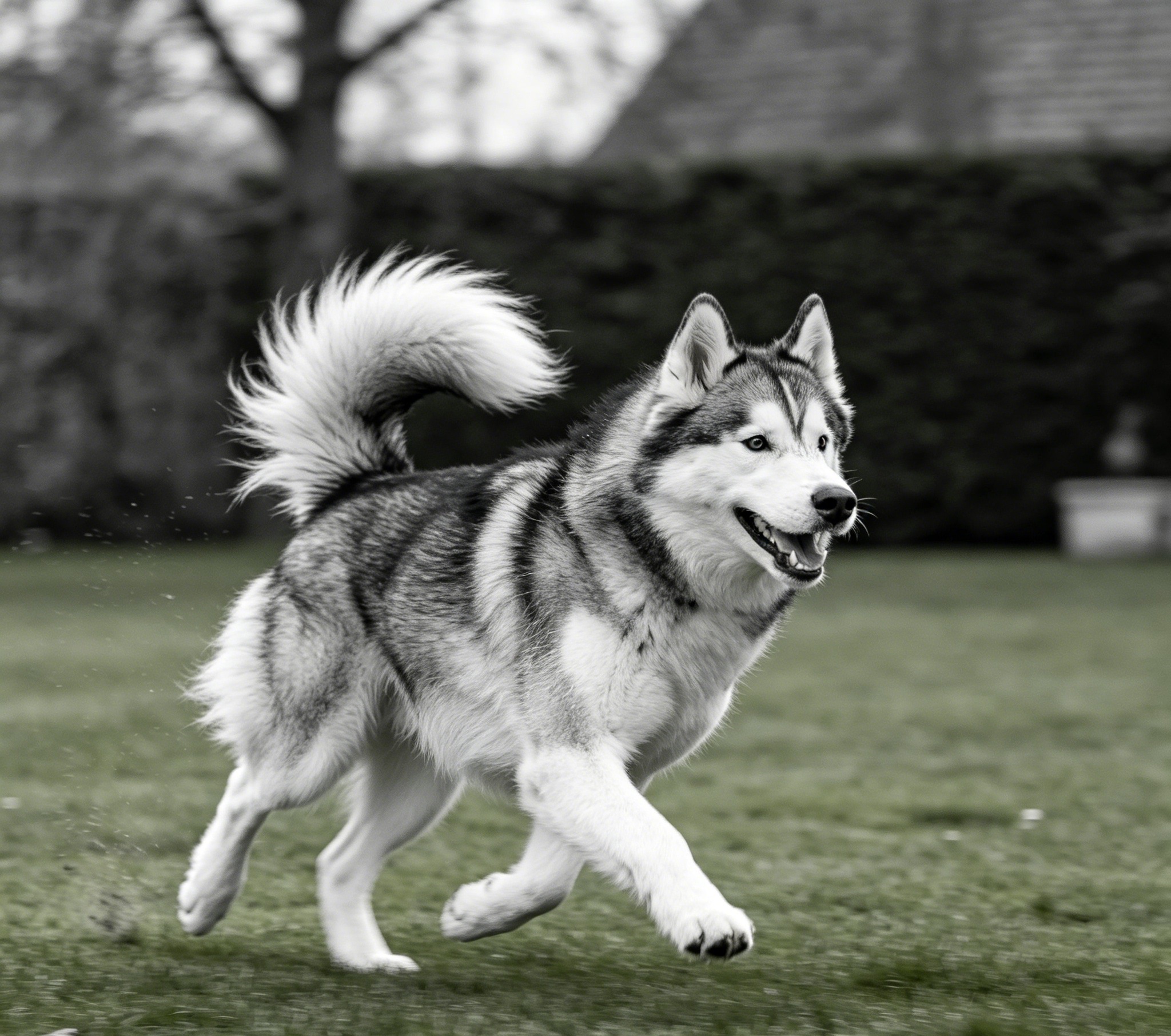
Common Alaskan Malamute Health Issues
Malamutes are a fairly hardy breed, but several conditions deserve attention. As a large, deep-chested dog, the Malamute is at risk of bloat (gastric dilatation-volvulus), a life-threatening emergency that owners should learn to recognize. Hip dysplasia occurs in the breed, so responsible breeders screen hips. The Malamute has some breed-specific genetic concerns as well: inherited polyneuropathy (a nerve disorder affecting coordination, with a DNA test available), chondrodysplasia (a dwarfism with a DNA test), cataracts and other eye disorders, and hypothyroidism. Beyond inherited disease, the breed’s heat intolerance is itself a serious health risk; Malamutes can suffer heatstroke far more readily than short-coated breeds.
When talking with a breeder, ask about hip clearances, eye exams, and DNA testing for polyneuropathy and chondrodysplasia in the parents. A knowledgeable breeder who tests for the Malamute’s specific issues is well worth seeking out.
Do not wait on serious symptoms. If your Malamute shows a distended or painful abdomen with unproductive retching, sudden weakness or wobbliness, signs of overheating, or cloudy eyes, contact a veterinarian right away.
Meals and Body Condition for an Alaskan Malamute
Despite their size, Malamutes are surprisingly efficient eaters and can do well on less food than their bulk suggests, a holdover from a breed developed to work hard on limited rations. Feed a quality large-breed diet appropriate to the dog’s age and activity level, and adjust the amount to the season, since a Malamute working in winter burns far more than one lounging through summer.
Helpful feeding practices:
- Measure meals and tune portions to actual activity rather than to the dog’s imposing frame.
- Feed two smaller meals rather than one large one, and avoid heavy exercise right around mealtimes, both of which help reduce bloat risk in this deep-chested breed.
- Account for treats used in training, and keep the dog lean to protect its hips and joints.
- Feel for the ribs and waistline regularly; a fit Malamute is solid and muscular, not heavy.
Because bloat is a genuine danger in large, deep-chested dogs, talk with your vet about feeding practices and warning signs.
Teaching an Alaskan Malamute Useful Habits
Training a Malamute is a test of patience and consistency, not a quick win. These are intelligent dogs, but they are independent thinkers bred to work without taking orders, and they will happily ignore a request that does not benefit them. They do not have the eager-to-please streak of a retriever; instead they respect fair, confident, consistent leadership and lose interest in repetitive drilling. Harsh methods backfire and damage the relationship.
Approaches that work with this breed:
- Begin socialization and training in puppyhood, before the dog grows into its considerable strength.
- Keep sessions short, varied, and motivating to hold the interest of an independent mind.
- Use positive reinforcement and earn cooperation rather than demanding obedience.
- Prioritize leash manners early; an adult Malamute can pull a person off their feet, and loose-leash walking is a real safety issue.
- Provide a job and an outlet for the pulling and digging instincts instead of trying to suppress them.
Realistic expectations matter. A well-trained Malamute is a polite, manageable companion, but it will never be a robotically obedient dog, and pretending otherwise leads to frustration.
Pros and Cons of Alaskan Malamutes
| Pros | Cons |
|---|---|
| Affectionate, friendly, devoted to family | Enormous shedding and high grooming load |
| Striking, powerful, dignified presence | Strong-willed and challenging to train |
| Athletic partner for cold-weather sports | Serious heat intolerance limits warm climates |
| Generally hardy working constitution | High prey drive; risky with cats and small pets |
| Quiet on barking, expressive and playful | Strong puller, digger, and escape artist |
Strength Matters More Than Distance With a Malamute
A Malamute walk feels straightforward until another dog appears, the gate sticks, or hot weather cancels the plan. Handling that power and independence matters as much as exercise volume. Owners also learn that social friendliness with people does not guarantee easy dog-park behavior. Coat blow is spectacular, but containment, pulling, prey interest, and dog selectivity are the problems that shape daily freedom.
Malamute Management by Property and Skill
An apartment leaves almost no margin
Some mature individuals can settle with an exceptional outdoor routine, but size, heat, vocal behavior, and dog encounters make this a difficult choice. Elevators require close control, and a missed exercise day cannot become chaos. Most beginners should choose a more forgiving fit.
A cold-climate house still needs a serious fence
Use tall, dig-resistant fencing and inspect gates. A yard supports cool-weather play and pulling foundations but does not replace shared work. Shade and indoor cooling matter in summer, and outdoor freedom should not include access to small pets or unsecured livestock.
A first owner should meet adult Malamutes
Handle an adult on leash, watch dog-to-dog behavior, and understand coat blow before deciding. Find a trainer familiar with northern breeds. A puppy’s friendliness and softness do not show the strength or independence that arrives later.
Experienced northern-dog homes plan around thresholds
Skilled owners can read arousal and avoid crowded situations before control is lost. They condition pulling work gradually and build rest. Experience should not become confidence that every Malamute belongs off leash or in mixed dog groups.
Malamute Myths That Underestimate the Dog
A Malamute is just a larger Siberian Husky
They have different histories, build, working style, and common social tendencies. Both need containment, but a Malamute’s power and potential dog selectivity change handling and household decisions.
A people-friendly Malamute will love every dog
Affection toward people does not predict universal dog sociability. Introductions, sex combinations, maturity, and individual temperament matter. Dog parks are a poor place to discover a conflict.
For a practical planning check, use the dog cost calculator to include reinforced fencing, pulling and walking equipment, cooling, training, coat tools, boarding that can handle the breed, and giant emergency expenses. The dog fit score cards can help you compare climate, dog household, small animals, leash strength, fencing, time for purposeful work, and tolerance for shedding and independence.
Is an Alaskan Malamute Right for You?
A Malamute suits an experienced, active owner who lives in a cooler climate, enjoys the outdoors, and is prepared for the grooming, training, and management this breed demands. If you want a powerful adventure partner for hiking, backpacking, or pulling sports, can secure a yard against a determined digger, and do not mind a house full of shed hair, the Malamute rewards you with affection, beauty, and a remarkable working spirit.
It is a poor choice for first-time owners, hot climates, apartment living, homes with small pets the dog cannot be trusted around, or anyone wanting an easily trained, low-shedding, low-exercise companion. Underestimating this breed is the most common reason Malamutes end up in rescue.
For comparison, read the Beagle guide, the Labrador Retriever guide, or the Bull Terrier guide. Put those breeds beside a Malamute and the arctic heritage becomes obvious in the coat, climate needs, and training style.
The Alaskan Malamute Decision
The Alaskan Malamute is a magnificent, affectionate, and powerful dog, a living link to the working sled teams of the far north. For the right owner, one who is experienced, active, lives somewhere cool, and embraces the grooming and training the breed requires, a Malamute is an extraordinary companion and adventure partner.
For everyone else, it is a great deal of dog: heavy-shedding, strong-pulling, heat-sensitive, prey-driven, and independent enough to ignore an owner who has not earned its cooperation. Be honest about your climate, your experience, and your tolerance for hair and effort. Meet the breed on its terms and the Malamute repays you with loyalty and presence few other dogs can match; misjudge it, and both you and the dog will struggle.