
A Papillon fits easily in a small home, but it does not thrive on being treated as a decorative small dog. The dog often learns fast, notices changes in routine, and needs regular training or activity that uses that speed of mind. Its light frame also requires handling rules that prevent falls, rough play, and careless introductions to much larger dogs.
The coat is simpler than its fringed ears suggest, while the daily engagement can be more demanding than a typical lap-dog expectation. This is a practical choice for someone who wants to train and interact with a compact dog, not for someone seeking a dog that is content to be carried through the day.
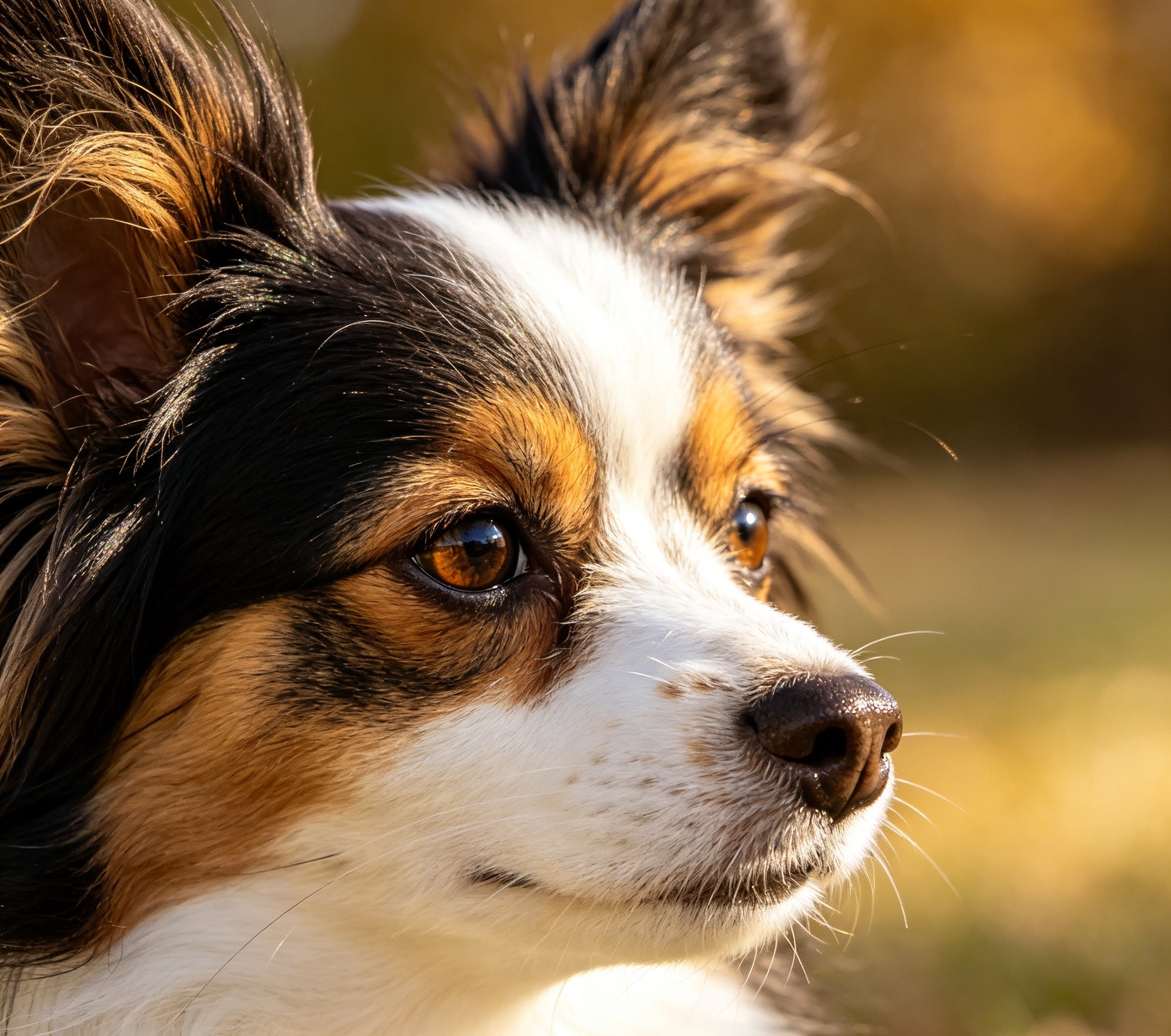
What a Papillon Asks of a Household
| Daily constraint | Score | What it changes | |—|—|—| | Daily learning | 5/5 | Tricks, scent work, or sport foundations give the dog useful mental work beyond a short walk. | | Safe movement | 4/5 | Furniture, stairs, and larger dogs need management because confidence does not make a light body durable. | | Noise plan | 4/5 | Alert barking can become a shared-wall problem unless quiet behaviour is deliberately reinforced. | | Grooming | 3/5 | The coat needs regular combing, but it is a lighter routine than many long-coated companion breeds. | | First-dog margin | 3/5 | A prepared beginner can do well when they enjoy training and keep small-dog safety rules consistent. |
Papillon Quick Facts
| Trait | What to Expect |
|---|---|
| Size | Toy, 5–10 lb, 8–11 in tall |
| Temperament | Bright, lively, friendly, alert, eager |
| Energy level | Moderate to high for a toy breed |
| Exercise needs | Daily walks plus training games and play |
| Grooming needs | Moderate; single coat, no undercoat, brush a few times weekly |
| Apartment friendly | Excellent, given enough activity |
| Good with families | Good with gentle, older children |
| Common concerns | Patellar luxation, fragile bones, dental disease, collapsing trachea |
| Best for | Owners wanting a tiny, trainable, active companion |
| Not ideal for | People expecting a calm, do-nothing lap dog |
Papillon Temperament
Papillons are vivacious, curious, and remarkably smart, often described as one of the most intelligent toy breeds. They are friendly and outgoing, generally happy to meet new people and dogs, and they crave being involved in everything their family does. Far from being timid or fragile in personality, a well-raised Papillon is confident and bold, sometimes forgetting just how small it actually is.
That brightness comes with a need for engagement. A Papillon left under-stimulated can become a busy, barky little nuisance, inventing its own entertainment. They are also alert watchdogs who will announce visitors enthusiastically. With gentle handling they make affectionate, devoted companions, and they tend to bond closely with their people while staying sociable with the wider world.
How a Papillon Uses Its Energy
Here is where the Papillon defies its toy-breed stereotype. This is an athletic dog that genuinely enjoys exercise and shines in dog sports; Papillons are perennial stars in competitive agility and obedience, where their speed and trainability leave many larger breeds behind. A short potty stroll is not enough to satisfy one.
A good daily routine includes:
- A couple of real walks, which most Papillons handle with ease.
- Training and trick sessions, which double as mental exercise they crave.
- Games of fetch or chase indoors or in a secure yard.
- Puzzle toys and learning new skills to keep the active brain busy.
Because they are small and athletic, Papillons adapt well to apartment life as long as that energy gets a daily outlet. Just protect them from rough play and big leaps that could injure their delicate frame.
Coat Care in a Papillon Home
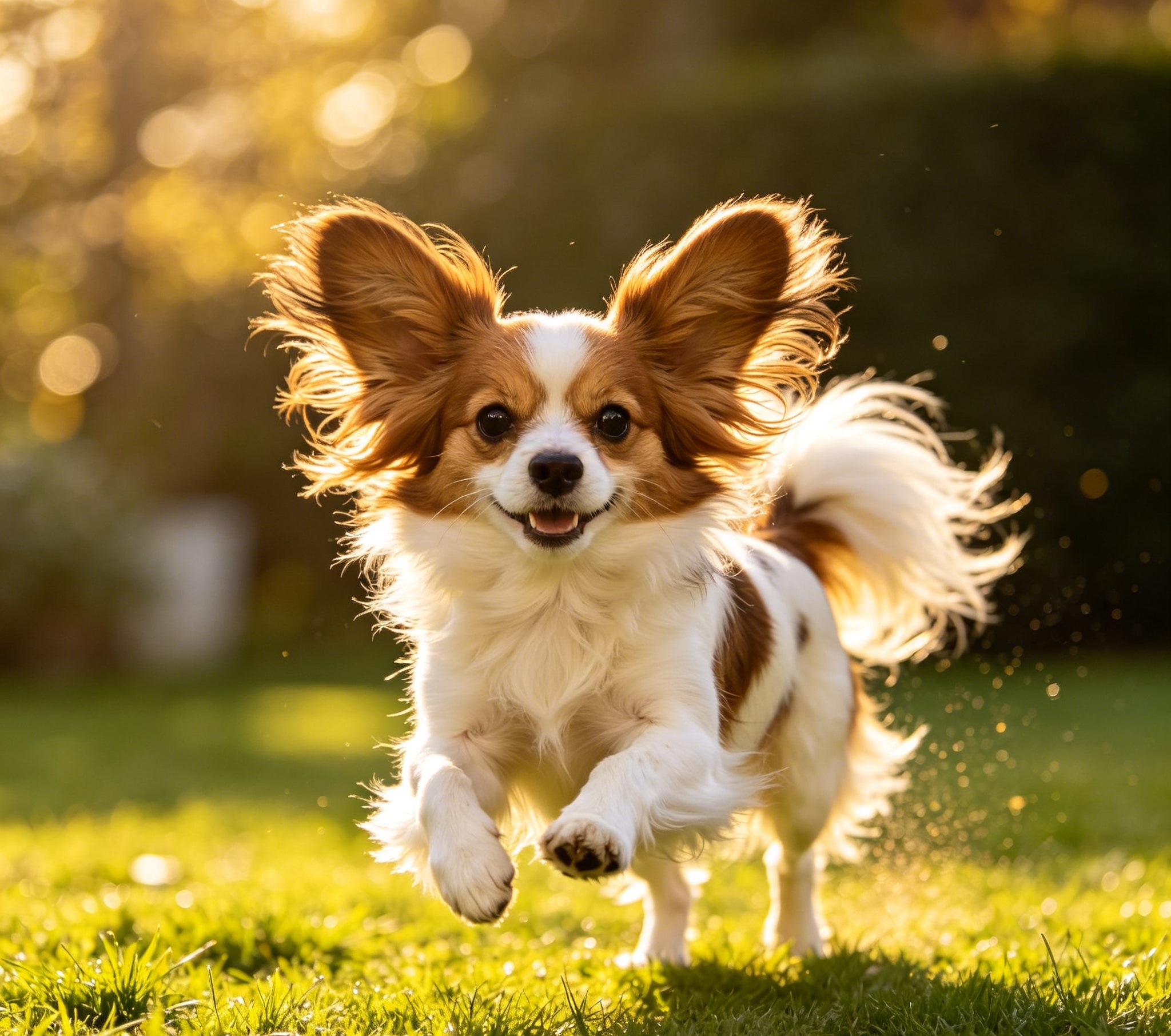
The Papillon’s elegant coat is more practical than it looks. It’s a single coat with no undercoat, long and silky with feathering on the ears, chest, legs, and a plumed tail, but with no woolly underlayer it doesn’t mat heavily or shed in big seasonal blowouts. Moderate shedding happens year-round, and routine brushing keeps it under control.
Care essentials:
- Brush a few times a week to keep the feathering tangle-free.
- Pay attention to the long ear fringes and the “trousers” behind the legs, where mats form.
- Bathe occasionally; the coat is fairly low-odor and easy to maintain.
- Keep nails trimmed on those small feet.
- Brush teeth diligently, because dental disease is a major toy-breed problem.
There’s no clipping or professional grooming strictly required, which makes the Papillon lower-maintenance than many similarly glamorous breeds.
Common Papillon Health Issues
Papillons are generally healthy and long-lived, frequently reaching 14 to 16 years, but their tiny size brings specific vulnerabilities. The most common orthopedic issue is patellar luxation, where the kneecap slips out of place; it ranges from mild to needing surgery. Their fine bones also mean fractures from falls, rough handling, or jumping from heights are a real risk, so this is not a dog to leave unsupervised on high furniture or with very young children.
Other concerns to watch:
- Dental disease, since small mouths crowd teeth and accumulate tartar.
- Collapsing trachea, signaled by a honking cough, which a harness rather than a neck collar helps avoid.
- Progressive retinal atrophy and other inherited eye conditions.
- Hypoglycemia in very young or very small puppies.
Because Papillons hide discomfort and are easily injured, take any sudden limping, persistent coughing, reluctance to eat, or signs of pain seriously and consult your veterinarian.
Meals and Body Condition for a Papillon
A tiny dog needs only a small amount of food, which makes overfeeding easy and obesity dangerous on such a light frame. Choose a quality small-breed diet and measure portions carefully, since even a little extra weight is significant on a 7-pound dog and adds strain to those slip-prone knees.
Helpful habits:
- Feed measured meals appropriate to a toy breed’s calorie needs.
- Watch the body condition; ribs should be easy to feel under the coat.
- Count training treats, which add up fast for a dog this size, and use tiny pieces.
- For very small puppies, feed frequent small meals to avoid blood-sugar dips.
Because the margin for error is small, a kitchen scale and your vet’s body-condition guidance are worth using here.
Teaching a Papillon Useful Habits
If you want a toy dog you can teach almost anything, the Papillon is it. They are quick, willing learners who light up at the chance to work for rewards, which is exactly why they dominate agility and obedience rings. Keep training positive and fun, and you’ll be amazed how much this little dog can master.
Practical pointers:
- Start trick and obedience training early; bored Paps make their own mischief.
- Address barking deliberately, rewarding quiet, since alert dogs can overdo the announcements.
- Socialize well so confidence doesn’t tip into “small dog syndrome” pushiness.
- House-training can take patience, as with many toy breeds, so stay consistent.
- Consider agility, rally, or trick titles to genuinely satisfy the working brain.
The biggest training mistake is underestimating the dog; treat a Papillon like a capable student, not a fragile ornament, and it will thrive.
Pros and Cons of Papillons
| Pros | Cons |
|---|---|
| Brilliant and exceptionally trainable | Needs far more activity than a typical lap dog |
| Athletic; excels at agility and obedience | Fragile bones; vulnerable to injury and falls |
| Coat sheds modestly and rarely mats | Can become barky if under-stimulated |
| Friendly, social, and affectionate | Prone to dental disease and luxating patellas |
| Long-lived and adaptable to apartments | Not ideal around very young children |
The Papillon Brain Outruns Its Toy-Dog Packaging
It is easy to prepare for Papillon fragility and overlook speed, alert barking, and the need for mental work. The dog can learn agility sequences and household loopholes with equal enthusiasm. Dental care and safe interactions with larger dogs remain important, but constant carrying can create a different problem: a capable dog that never practices moving confidently through the world.
Papillon Advice by Space and Handler
Small-space success depends on the ears
The physical fit is excellent, while hallway noise may trigger a fast alarm. Reward quiet orientation and provide walks, tricks, and sniffing. Use barriers around open stairs and balconies, but let the dog explore safely at ground level.
A house increases distance and hazards
Check fence gaps, deck rails, pools, and access to rough dogs. A yard offers play, yet neighborhood walks remain useful for confidence. Keep high furniture jumps and slippery floors under control, especially for a tiny puppy.
A new owner should train the athlete gently
Teach handling, teeth, recall, and quiet behavior in short sessions. Protect the dog from physical overwhelm without treating it as helpless. A first-time owner may enjoy quick learning but should avoid asking for repetitive jumps during growth.
Experienced trainers can use precision without pressure
Papillons often excel in dog sports, but enthusiasm can hide fatigue or stress. Build foundations, keep surfaces safe, and balance work with rest. The dog does not need to perform for every visitor.
Papillon Myths That Shrink the Dog Too Far
Papillons are delicate lap dogs that need little activity
They are physically small but often energetic and highly trainable. Daily walks, play, and mental work are appropriate when impact and weather are managed for size.
The fringed coat requires extreme grooming
Regular combing is needed, especially behind ears and on feathering, but the single coat is often more manageable than a dense double coat. Dental care may demand more long-term effort than brushing.
For a practical planning check, use the dog cost calculator to include dental work, grooming, sport or class fees, safe carriers, pet sitting for a small dog, and an emergency reserve. The dog fit score cards can help you compare barking, fragile-dog safety, mental activity, child handling, stairs, and whether the household will encourage confidence rather than dependence.
Is a Papillon Right for You?
A Papillon suits someone who wants a small dog with a large, lively mind, and who will actually engage it with walks, training, and games. If you’d enjoy teaching tricks, maybe dabbling in a dog sport, and you can handle a fine-boned dog gently, you’ll find the Papillon an endlessly fun and devoted companion that travels and adapts beautifully.
It’s a poor fit for anyone expecting a placid lap dog content to nap all day, or a household with rough toddlers. To compare it with very different temperaments, read about the working-line German Shepherd, the stubborn long-backed Dachshund, or the cheerful, low-key Boston Terrier.
The Papillon Decision
The Papillon is proof that a toy dog can have the heart and brain of a serious athlete. Bright, trainable, friendly, and surprisingly sporty, it rewards owners who treat it as the capable little partner it is rather than a delicate accessory.
The flip side is real: those fine bones need careful handling, the active mind needs daily engagement, and the small mouth needs diligent dental care. Meet those needs and the butterfly-eared Papillon will be one of the most delightful and devoted companions you could ask for.