
A German Shepherd brings a great deal of attention into a household, much of it welcome and some of it demanding. The dog notices visitors, loose routines, tension on the leash, and changes in the environment. Its intelligence and loyalty can be exceptional, but living well with one requires early socialization, public control, daily work, and a clear plan for a large dog that may be powerful before it is mature.
This guide is honest about both sides of the German Shepherd: the extraordinary loyalty and brainpower that make them legendary, and the demanding exercise, heavy shedding, and serious health predispositions that make them a poor impulse purchase.
Owners drawn to working ability should compare the breed with the Belgian Malinois guide and the broader high-energy working dog comparison. If protection is the main attraction, read Guardian Dog Breeds Compared before assuming that instinct can replace training, public control, or professional help.
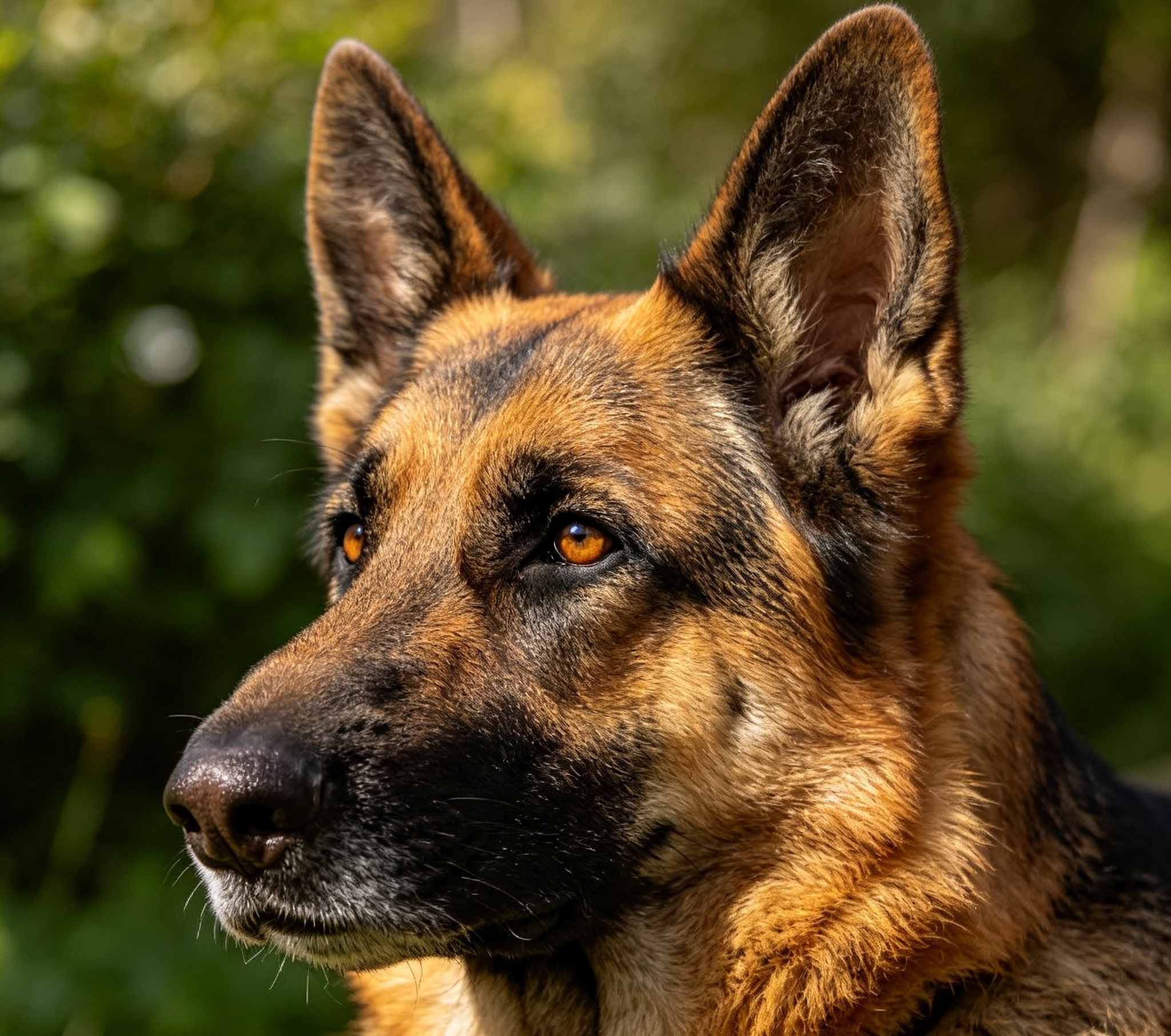
German Shepherd Fit Depends on Public Control
| Fit Factor | Score | What It Means |
|---|---|---|
| Apartment Fit | 2/5 | Possible only with committed exercise, training, and careful neighbor management. |
| First-Time Owner Fit | 1/5 | Not a sensible first dog for most owners; experience and structure matter. |
| Family Fit | 3/5 | Can suit the right family when children, space, and routines are managed. |
| Exercise Demand | 4/5 | Needs serious daily exercise, training games, and owner consistency. |
| Grooming Difficulty | 2/5 | Relatively simple coat care, though nails, ears, teeth, and shedding still matter. |
| Training Difficulty | 5/5 | Best for experienced handlers who can manage strength, drive, or guardian instincts. |
German Shepherd Quick Facts
| Trait | What to Expect |
|---|---|
| Size | Large, ~50–90 lb, 22–26 in tall |
| Temperament | Loyal, intelligent, confident, protective |
| Energy level | High; bred to work all day |
| Exercise needs | 1–2+ hours daily, plus mental jobs |
| Grooming needs | Heavy, constant shedder; brush several times weekly |
| Apartment friendly | Difficult without serious daily exercise |
| Good with families | Excellent with training and early socialization |
| Common concerns | Hip/elbow dysplasia, degenerative myelopathy, bloat |
| Best for | Active, experienced owners who want a working partner |
| Not ideal for | Busy or first-time owners with little training time |
German Shepherd Temperament
German Shepherds are deeply loyal, sometimes described as “Velcro dogs” for how closely they shadow their people. They form intense bonds with their family and have a natural protective instinct, which makes them outstanding guardians but also means early, thorough socialization is non-negotiable so that watchfulness doesn’t tip into suspicion or reactivity. With their own family, especially behind closed doors, many show a genuinely goofy, playful side that surprises people who only know the serious working image.
What truly sets the breed apart is its intelligence. German Shepherds are consistently ranked among the smartest of all dogs, learning new commands with very few repetitions. That brain is a gift and a burden: a Shepherd that isn’t given a job will invent one, usually involving destruction, barking, or anxious pacing. They are not happy as passive backyard or apartment ornaments.
Physical Work Is Only Half the Job
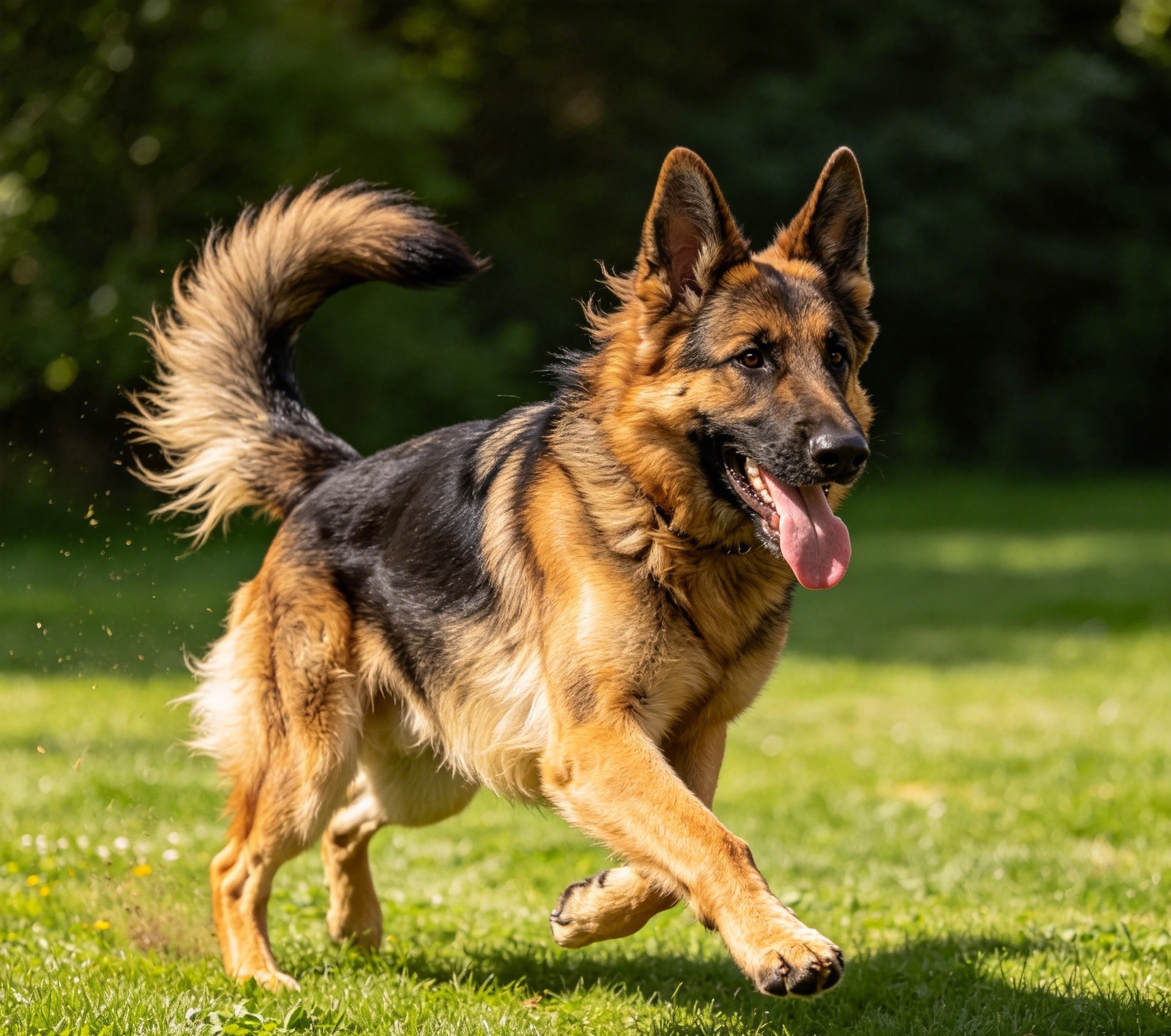
This is a true working breed, and the exercise requirement is substantial. Plan on at least one to two hours of activity a day, with work for the mind as well as the body. A long run will tire a Shepherd’s legs but leave its brain restless; obedience drills, fetch with rules, tracking, herding, agility, or scent work satisfy the dog far more completely.
A realistic week for a German Shepherd includes:
- Long daily walks or a jog, plus off-leash running in safe areas.
- Structured training sessions that ask the dog to think and problem-solve.
- A “job” such as fetch retrieves, advanced tricks, or nose work.
- Interactive toys and food puzzles for downtime and rainy days.
Give a young Shepherd time for its joints to mature before high-impact work, and never let it run hard right after eating, given the bloat risk. An under-exercised Shepherd is one of the most common reasons these dogs end up in rescue.
Managing the Year-Round Undercoat
If you take home a German Shepherd, you are taking home the hair too. The breed is nicknamed “the German Shedder” for good reason: it carries a dense double coat that sheds year-round and then blows out heavily twice a year in seasonal coat changes. Expect fur on your floors, furniture, and clothing as a permanent fact of life.
Managing it takes consistent work:
- Brush several times a week, and daily during the spring and fall blowouts.
- Use an undercoat rake or de-shedding tool to pull out the loose underlayer.
- Bathe only occasionally; over-bathing strips the protective coat oils.
- Never shave the double coat, which protects against both heat and cold.
- Check ears and trim nails as part of the routine.
The upside is that the coat is otherwise low-maintenance and doesn’t mat much. But anyone who can’t tolerate constant shedding should think hard before choosing this breed.
Common German Shepherd Health Issues
The German Shepherd carries several serious, breed-defining health risks, and this is the area where choosing a responsible breeder matters most. The breed is strongly associated with hip and elbow dysplasia, malformations of the joints that can lead to arthritis and pain; good breeders screen their breeding stock for both. Even more specific to the breed is degenerative myelopathy, a progressive disease of the spinal cord that causes gradual hind-end weakness and eventual paralysis, for which DNA testing of parents is available.
Other significant concerns:
- Bloat (gastric dilatation-volvulus), a life-threatening twisting of the stomach common in deep-chested breeds.
- Exocrine pancreatic insufficiency, a digestive enzyme deficiency the breed is prone to.
- Allergies and recurrent skin or ear issues.
Bloat in particular is an emergency. If your Shepherd has a swollen, hard abdomen, retches without producing anything, drools heavily, and seems distressed, get to an emergency vet immediately, as minutes count. Likewise, ask any breeder for hip, elbow, and degenerative myelopathy clearances before buying.
Growth Rate, Weight, and Digestive Routine
A large, athletic dog needs a quality diet matched to its life stage, and keeping a Shepherd lean protects those at-risk joints. Large-breed puppy food, fed to support slow, steady growth, helps reduce the strain on developing hips and elbows, so don’t overfeed a growing pup in hopes of a bigger dog.
Sensible feeding habits:
- Feed measured meals appropriate to age, size, and activity level.
- Split the daily food into two or more meals and avoid hard exercise around mealtimes to lower bloat risk.
- Keep the dog at a trim weight; you should feel ribs and see a waist.
- Many owners use a slow-feeder bowl to reduce gulping and gas.
Because this breed can have a sensitive digestive system, introduce any food changes gradually and watch for signs of intolerance.
Neutrality Before Protection
Training is where this breed truly shines. German Shepherds want to work with you and pick up commands fast, which means consistent, positive, structured training pays off enormously, while a lack of it produces a frustrated, pushy dog. Start early and keep the bar high; this is a dog that genuinely enjoys learning.
Practical priorities:
- Socialize intensively as a puppy, with people, dogs, sounds, and places, to build a stable, confident adult.
- Channel the protective instinct through obedience and impulse-control work rather than encouraging guarding.
- Give the brain daily jobs to prevent boredom-driven problem behaviors.
- Use reward-based methods; the breed is sensitive and responds best to fair, clear handling.
- Consider a sport like obedience, tracking, or agility to fulfill the working drive.
A German Shepherd will read its handler closely, so calm, consistent leadership matters more than force.
Pros and Cons of German Shepherds
| Pros | Cons |
|---|---|
| Exceptionally intelligent and trainable | Needs hours of daily physical and mental work |
| Fiercely loyal and protective of family | Sheds heavily all year round |
| Versatile working and sport dog | Serious risk of hip/elbow dysplasia and DM |
| Playful and affectionate at home | Requires committed socialization to avoid reactivity |
| Confident, capable guardian | Too much dog for many first-time owners |
German Shepherd Myths That Create Liability
A German Shepherd naturally knows whom to protect against
Dogs do not make reliable legal or moral judgments without careful control. Stable temperament, neutrality, and trained responses matter. Informal attempts to increase suspicion can create fear and unsafe behavior.
A large backyard meets the breed’s needs
Space does not teach leash manners, provide new scent information, or build cooperation. Shepherds need shared work, controlled exercise, social exposure, and rest in addition to safe outdoor access.
The dog cost calculator should include ongoing training, large-dog food, coat equipment, secure fencing, walking support, insurance research, and emergency savings. Then use the dog fit score cards to pressure-test housing rules, visitor traffic, dog encounters, handling skill in public, shedding, and the patience to guide a watchful adolescent toward neutral behavior.
Is a German Shepherd Right for You?
A German Shepherd is right for an active, committed owner who wants a true partner, not just a pet, and has the time to exercise, train, and socialize a powerful working dog. If you’ll provide a daily job, tolerate the relentless shedding, and choose a health-tested breeder, you’ll have one of the most loyal and capable companions a person can own.
It’s the wrong dog for someone short on time, energy, or training experience, or anyone unprepared for the coat and the health costs. To compare it with very different commitments, see the back-sensitive Dachshund, the tiny but athletic Papillon, or the grooming-intensive Miniature Schnauzer.
A Shepherd Notices Everything
During the first weeks, watch what the Shepherd watches. Visitors, delivery trucks, dogs, sudden noises, and changes in routine all create learning opportunities. Reward calm observation and recovery before repeated alerting turns into the dog’s default response.
Do not hand a young Shepherd responsibility for deciding who is safe or who may enter the house. Build rest, leash manners, obedience, and neutral social exposure before considering any guardian work. The long-term budget should also account for hips, elbows, digestion, skin, and mobility rather than training costs alone.
Space Matters Less Than Management
Can a German Shepherd live in an apartment?
Only with the right owner and routine. A German Shepherd can live without a yard if it gets daily exercise, training, enrichment, and calm exposure to people and noises. The harder part is not size; it is alertness. Hallway sounds, elevators, neighbors, and visitors can become a job the dog tries to manage. Apartment owners need strong structure and good socialization.
How expensive is a German Shepherd to own?
Expect a higher-than-average budget. Food, large-dog medication, durable gear, training, and health planning add up. Hips, elbows, digestive sensitivity, allergies, and degenerative myelopathy are worth discussing with breeders or veterinarians. A cheap purchase price can become expensive if the dog comes from untested lines or develops behavior issues that need professional help.
Are German Shepherds good family dogs?
They can be excellent family dogs in structured homes. A well-bred, well-socialized Shepherd is loyal, intelligent, and deeply attached. The caution is that protectiveness and sensitivity need guidance. Children should not be expected to control the dog, visitors should be introduced thoughtfully, and adults must handle training, boundaries, and public manners.
Managing a German Shepherd Beyond the Backyard
Neutral behavior is a useful goal
A German Shepherd does not need to greet every person or dog. Calm observation, the ability to pass another dog, and recovery after a surprise are more useful than forced friendliness. Owners should reward attention and controlled distance instead of pushing a worried adolescent into crowded greetings that may make suspicion worse.
Doors, gates, and vehicles need rules
The breed’s speed and protective instinct make household exits a real management point. Teach the dog to wait at doors, load into a vehicle on cue, and move away from the gate when visitors arrive. Secure fencing needs functioning latches and enough height for the individual dog. These routines protect delivery workers, guests, and the dog itself.
Professional help should match the dog
Look for a trainer who can explain arousal, reinforcement, leash handling, and safe social exposure without promising instant protection work. A family pet needs dependable control before any advanced sport. Owners who see escalating lunging, guarding, fear, or conflict should arrange qualified help early, while the behavior is still easier to change and the dog is easier to handle.
Who Is Ready for a German Shepherd
The German Shepherd is a magnificent, brilliant, deeply devoted dog that rewards the right owner like few other breeds can. But it is a serious undertaking: hours of daily exercise and mental work, constant shedding, intensive socialization, and real health risks that demand a careful breeder and budget.
Match that effort and you’ll gain a loyal, capable partner for work, sport, or simply life. Underestimate it, and both you and the dog will struggle. Choose this breed with your eyes open, and it will repay you many times over.