
The Miniature Schnauzer is small enough for city life but not naturally quiet or low-effort. The beard and eyebrows suggest a tidy little companion. The terrier habits are more revealing: a fast response to hallway noise, an opinion about strangers, and an alert mind that expects to be included in the day.
This can be a rewarding size for a household that wants a trainable watchdog and can keep up with grooming. It is less suitable for someone hoping a small dog will simply age out of barking. The useful question is whether the home can teach a reliable settle cue and budget for coat care before the puppy arrives.
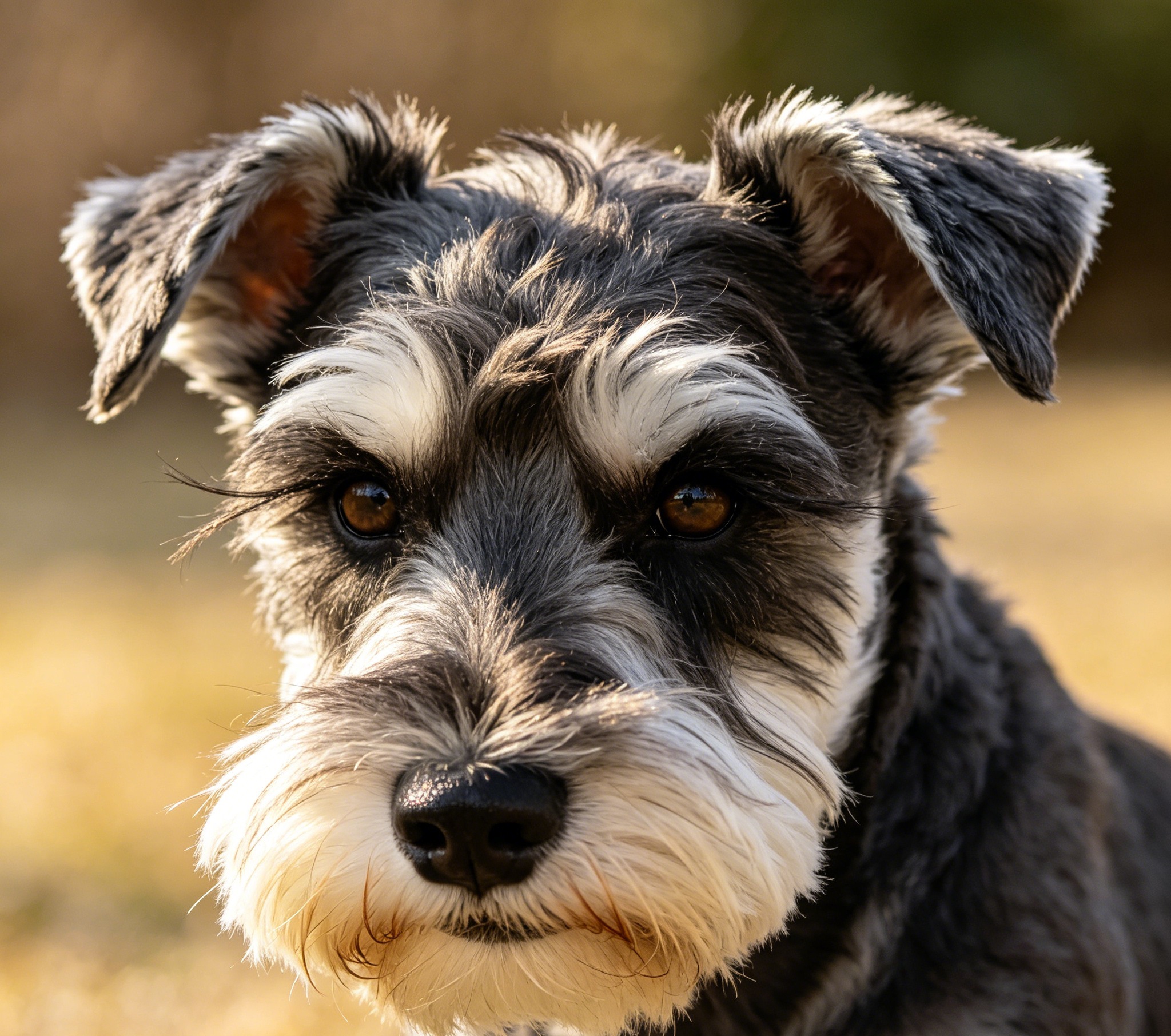
The Small-Dog Assumptions That Do Not Work Here
| Daily constraint | Score | What it changes | |—|—|—| | Bark management | 4/5 | Apartment success depends on teaching a response to sounds, not hoping the dog ignores them. | | Grooming calendar | 5/5 | Brushing and professional clipping are a recurring commitment, even though shedding is limited. | | Food discipline | 4/5 | Treat-heavy training needs a measured meal plan, especially when a veterinarian flags dietary concerns. | | Terrier outlets | 3/5 | Sniffing games and short training sessions often matter more than a very long walk. | | First-dog margin | 3/5 | A prepared beginner can manage one, but should line up grooming and positive training support early. |
Miniature Schnauzer Quick Facts
| Trait | What to Expect |
|---|---|
| Size | Small, 12–14 in tall, roughly 11–20 lb |
| Temperament | Bold, smart, alert, affectionate, a little bossy |
| Energy level | Moderate to fairly high |
| Exercise needs | Two solid walks plus mental games daily |
| Grooming needs | Hand-stripping or clipping every 6–8 weeks, near-daily beard care |
| Apartment friendly | Yes, if you train the alert barking |
| Good with families | Very good with kids who respect a small dog |
| Common concerns | Pancreatitis, high blood lipids, bladder stones, eye disease |
| Best for | Owners wanting a spirited, low-shed watchdog |
| Not ideal for | People who hate grooming bills or a vocal dog |
Miniature Schnauzer Temperament
Minis are bright, busy, and emotionally tuned in to their people. They tend to attach hard to the whole family rather than picking one person, and they like to be in the middle of whatever is happening. That sociability is paired with a strong watchdog streak: a Mini will announce the mail carrier, a knock, a squirrel, and an unfamiliar sound from two doors down. None of it comes from nervousness; it comes from a terrier’s conviction that guarding the territory is its job.
You’ll also meet a stubborn, clever side. Miniature Schnauzers learn commands quickly but will absolutely test whether you mean them, especially around food or the front door. They thrive on routine and clear expectations, and they sulk a little when bored. Most are friendly with respectful children and bond beautifully with adults who want a dog that follows them room to room.
How a Miniature Schnauzer Uses Its Energy
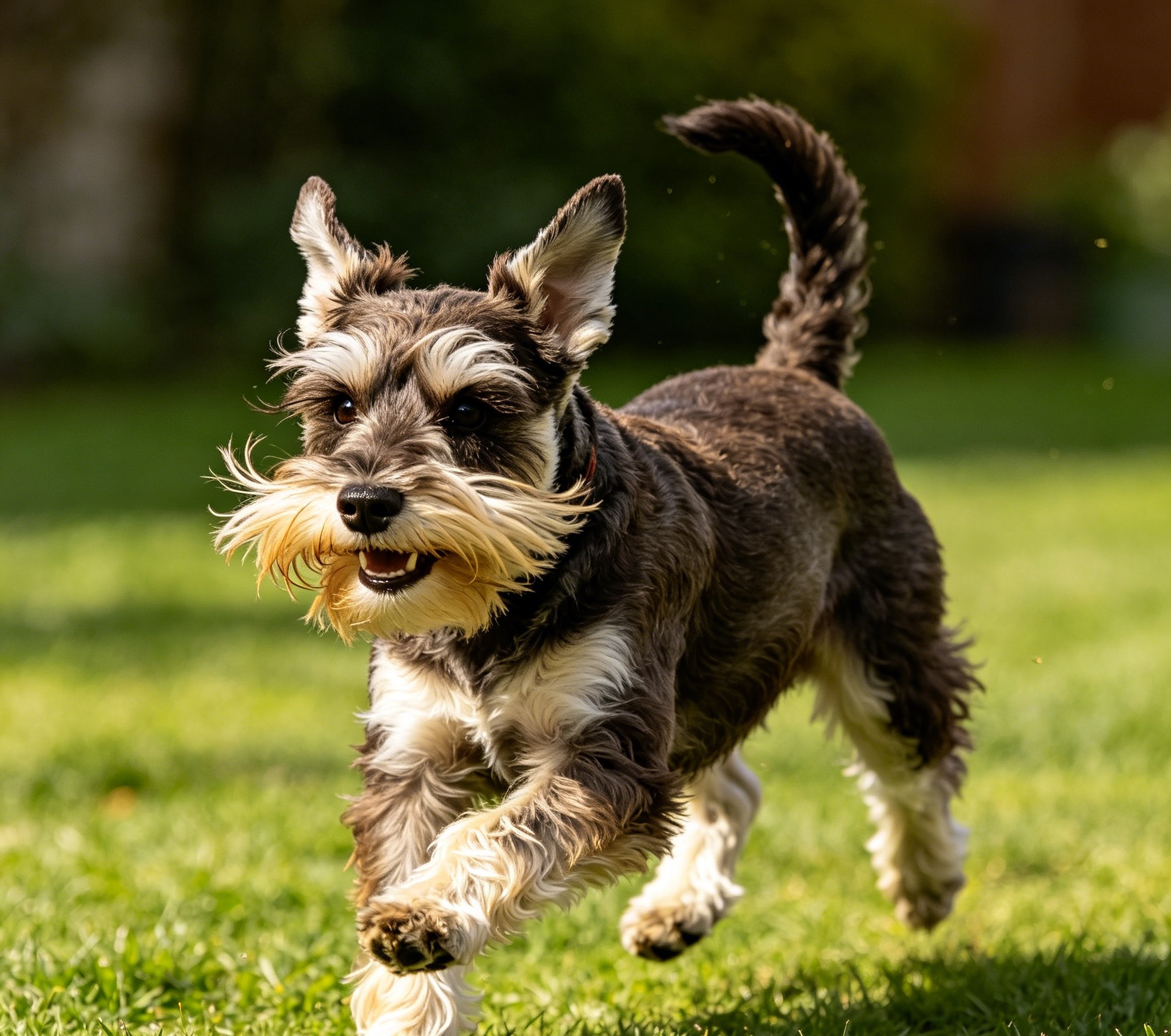
Don’t let the small frame fool you into thinking this is a sedentary lap dog. A Miniature Schnauzer wants a job and gets restless without one. Two brisk walks a day, plus a session of fetch, tug, or nose work, keeps most individuals satisfied. Because the breed was built to hunt vermin, scent games and food-puzzle toys hit a deep instinct and tire them out faster than another loop around the block.
A workable daily rhythm might look like:
- A purposeful morning walk where sniffing is allowed and encouraged.
- A short trick or obedience session, since this breed loves to learn.
- A burst of indoor fetch or tug when the weather is bad.
- Supervised digging or a snuffle mat to satisfy the terrier urge legally.
Watch the prey drive on walks. A Mini will lock onto a squirrel or rabbit in an instant, so a secure leash and reliable recall matter. Adjust intensity for puppies and senior dogs, and keep an eye on weight, because an under-exercised Schnauzer gains pounds quickly.
Coat Care in a Miniature Schnauzer Home
This is the part new owners underestimate. The Miniature Schnauzer wears a wiry double coat that sheds very little, which is part of its appeal, but that low-shed coat comes at the cost of real upkeep. Show coats are hand-stripped to keep the harsh texture and rich color; most pet owners instead have the coat clipped every six to eight weeks by a groomer. Clipping softens the coat over time and can fade the salt-and-pepper, but it’s far more practical for a family pet.
Between grooms, the famous beard and leg furnishings need constant attention. The beard catches water, food, and mud at every meal and walk, so wipe and comb it daily or it mats and starts to smell. A rundown of routine care:
- Comb the beard and leg furnishings most days to prevent matting.
- Brush the body coat a couple of times a week.
- Clean the ears and pluck stray hair if your groomer advises it.
- Trim nails roughly every few weeks.
- Brush teeth often, as small breeds are prone to dental tartar.
Common Miniature Schnauzer Health Issues
The Miniature Schnauzer is generally hardy and often lives 12 to 15 years, but the breed carries a few well-documented predispositions worth planning around. The big one is fat metabolism. Minis are notably prone to high blood triglycerides (hyperlipidemia), and that tendency is linked to a real risk of pancreatitis, a painful and sometimes serious inflammation of the pancreas. This is why a low-fat diet and strict avoidance of fatty table scraps matter more for this breed than for most.
Other concerns owners should know:
- Bladder and kidney stones, which the breed forms more readily than average.
- Eye conditions including cataracts and progressive retinal atrophy.
- Pancreatitis flare-ups, often triggered by a fatty meal or treat.
- Diabetes and Cushing’s disease, seen more often in middle-aged and older Minis.
Your vet should handle diagnosis and treatment. If your Schnauzer suddenly refuses food, vomits repeatedly, hunches with a tender belly, strains to urinate, or seems lethargic, call promptly, because those can signal pancreatitis or a urinary blockage.
Meals and Body Condition for a Miniature Schnauzer
Diet is genuinely a health intervention for this breed, not just a routine. Because of the lipid and pancreatitis link, most Minis do best on a measured, lower-fat diet, and many owners with a high-risk individual feed a prescription low-fat food on a vet’s advice. The cardinal rule: keep the bacon, sausage, butter, and greasy leftovers away from your Schnauzer entirely.
Practical feeding habits:
- Weigh portions and split them into two meals to steady the appetite.
- Choose treats that are low in fat; baby carrots and green beans work well.
- Skip the high-fat human snacks that so many Minis will beg for convincingly.
- Track your dog’s waistline; you should feel ribs without a fat pad over them.
Schnauzers are persuasive beggars with expressive eyebrows, but giving in here has direct medical consequences. Keep the diet boring and consistent and you sidestep a lot of expensive trouble.
Teaching a Miniature Schnauzer Useful Habits
This is a smart, motivated little dog that genuinely enjoys learning, which makes training rewarding when you stay consistent. Short, upbeat, reward-based sessions work best; the breed responds poorly to heavy-handed correction and may simply dig in. Their food drive makes them quick studies, just budget those treats into the daily calories.
Practical pointers for a Mini:
- Tackle the barking early by teaching a “quiet” cue and rewarding calm after one or two alerts.
- Build a rock-solid recall before trusting them off leash near wildlife.
- Channel the terrier energy into tricks, scent games, or even agility.
- Socialize widely as a puppy so the watchdog instinct stays sensible, not reactive.
- Reward four-on-the-floor to curb the small-dog habit of jumping on guests.
The single most common owner complaint is nuisance barking, so address it deliberately rather than hoping the dog grows out of it.
Pros and Cons of Miniature Schnauzers
| Pros | Cons |
|---|---|
| Low-shedding coat, friendly to many allergy sufferers | Coat needs professional grooming every 6–8 weeks |
| Bold, alert, and a genuinely useful watchdog | Can become a nuisance barker without training |
| Smart and eager to learn new things | Stubborn terrier streak tests new owners |
| Sturdy and good with respectful children | Real pancreatitis and lipid risk demands diet discipline |
| Compact size suits apartments or houses | Strong prey drive toward small animals |
The Miniature Schnauzer Beard Is Not the Loud Part
Many prospective Miniature Schnauzer owners expect grooming and underestimate alert barking. Windows, hallways, and guests can keep the dog on duty all day unless quiet behavior is taught. The beard carries water and food, while regular clipping continues even when the coat sheds little. Appetite and rich treats also deserve restraint. A compact body makes management easier, but the watchdog brain stays active.
Miniature Schnauzer Advice by Home Type
Shared walls require a quiet routine
The breed’s size and exercise needs can fit, but door and elevator sounds need early work. Move resting places away from the entry, use sniffing walks, and reward disengagement. Grooming space and frequent toilet trips should be planned rather than improvised.
A windowed house can create a full shift
Limit constant access to fence lines and street-facing windows if barking escalates. Use the yard for recall and games, then continue neighborhood walks. Keep table scraps and fatty foods out of the dog’s routine and discuss diet with a veterinarian.
A beginner needs consistency more than force
Book grooming, start beard and foot handling, and train quiet before complaints begin. Miniature Schnauzers often learn quickly but will repeat a behavior that works. Everyone in the home should respond to barking and begging the same way.
Experienced owners can use the busy mind
Scent work, rally, tricks, and controlled watchdog games suit the breed. Avoid filling every hour with stimulation. A mat cue and independent rest help prevent the dog from monitoring the household nonstop.
Miniature Schnauzer Claims That Need Context
Miniature Schnauzers are hypoallergenic
They often shed less loose hair, but allergens come from dander and saliva as well as coat. Individual reactions vary. Spend time with adult dogs and discuss allergies with a medical professional rather than relying on a label.
A small watchdog will stop barking with age
Repeated alert barking usually becomes more practiced, not less. Change the environment, teach an alternate response, and reward quiet recovery while the pattern is still young.
For a practical planning check, use the dog cost calculator to include clipping, dental work, training for barking, enrichment, diet planning, boarding, and a medical reserve. The dog fit score cards can help you compare shared walls, visitor traffic, grooming tolerance, food habits, daily interaction, and interest in living with an alert terrier.
Is a Miniature Schnauzer Right for You?
A Mini suits someone who wants a small dog with a big, busy personality and is prepared for the grooming and the voice. If you’ll commit to a low-fat diet, regular trips to the groomer, daily beard maintenance, and a bit of barking management, you’ll get a devoted, funny, low-shedding companion who acts like your personal security detail.
This breed is a poor match if you want a silent dog, dislike grooming costs, or tend to share fatty snacks from the table. For a sense of how the Mini stacks up against other popular companions, compare the bold, long-backed Dachshund, the working-minded German Shepherd, or the easygoing, snore-prone Pug. Small dogs can differ wildly in grooming, noise, and health needs.
The Miniature Schnauzer Decision
The Miniature Schnauzer is a lot of dog in a small, bearded package: alert, clever, affectionate, and entertainingly self-important. The trade-offs are honest and specific. You take on a real grooming commitment, a vocal watchdog, and a diet you can’t get lazy about thanks to the pancreatitis risk.
For an owner who enjoys grooming routines, wants a low-shedding companion, and likes a dog with opinions, the Mini delivers years of loyal, lively company. If the upkeep or the barking sounds like more than you want, a lower-maintenance breed may serve you better.