
The Old English Sheepdog asks a buyer to decide about grooming before falling in love with the silhouette. A full coat changes the schedule for brushing, bathing, drying, cleaning around the eyes and feet, and finding help when the job gets ahead of you. The dog behind the hair is a large, friendly herding breed, not a decorative object that happens to need a trim.
The coat is the honest starting point. An Old English Sheepdog is not a low-maintenance large dog. Grooming, mat prevention, bathing, drying, and trimming around eyes and feet can take serious time or money. If that commitment is realistic, the breed offers warmth, humor, and a big-hearted presence.
Old English Sheepdog Quick Facts
| Trait | What to Expect |
|---|---|
| Size | Large herding dog, often about 60 to 100 pounds |
| Temperament | Affectionate, playful, watchful, intelligent, sometimes stubborn |
| Energy level | Medium |
| Exercise needs | Daily walks, play, training, and moderate mental work |
| Grooming needs | Very high coat maintenance |
| Apartment friendly | Usually not ideal because of size and coat logistics |
| Good with families | Often yes, with supervision and training |
| Common concerns | Hip dysplasia, eye concerns, thyroid issues, deafness in some dogs, skin or coat problems |
| Best for | Families prepared for grooming and large-dog routines |
| Not ideal for | Owners wanting low grooming or a tidy house |
Old English Sheepdog Fit Is Mostly a Grooming Decision
| Fit Factor | Score | What It Means |
|---|---|---|
| Apartment Fit | 2/5 | Size, coat care, and movement needs make it harder. |
| First-Time Owner Fit | 3/5 | Possible for prepared owners with grooming help. |
| Family Fit | 4/5 | Often affectionate and playful in structured homes. |
| Exercise Demand | 3/5 | Needs steady activity without being extreme. |
| Grooming Difficulty | 5/5 | Coat care is the central ownership issue. |
| Training Difficulty | 3/5 | Smart, social, and sometimes comedic about rules. |
Old English Sheepdog Temperament
Old English Sheepdogs are often affectionate, silly, and deeply attached to their people. Many enjoy children, family routines, and being part of the action. They can be gentle, but they are also large and enthusiastic, so manners matter before the dog is fully grown.
As a herding breed, the Old English Sheepdog may be watchful and opinionated. Some dogs try to manage movement in the home, especially children running or pets playing. Early training should teach polite greetings, calm indoor behavior, and self-control around excitement.
This is not usually a hard-edged guardian, but it can have a big bark and a strong presence. Socialization helps the dog remain confident without becoming pushy or suspicious.
A Herding Dog With Moderate Adult Energy
The breed needs moderate daily exercise. Most adults do well with walks, play, training, and family activity. Puppies should avoid excessive high-impact exercise while joints develop, and adults still need conditioning to stay lean under the coat.
Good outlets include:
- Daily walks with leash manners.
- Play in a secure yard.
- Short obedience or trick sessions.
- Low-impact hiking or family adventures.
- Grooming practice as part of handling training.
The breed can be goofy, but it still needs boundaries. A large adolescent Old English Sheepdog with no manners can knock people over by accident.
Full Coat, Puppy Cut, and the Real Time Cost
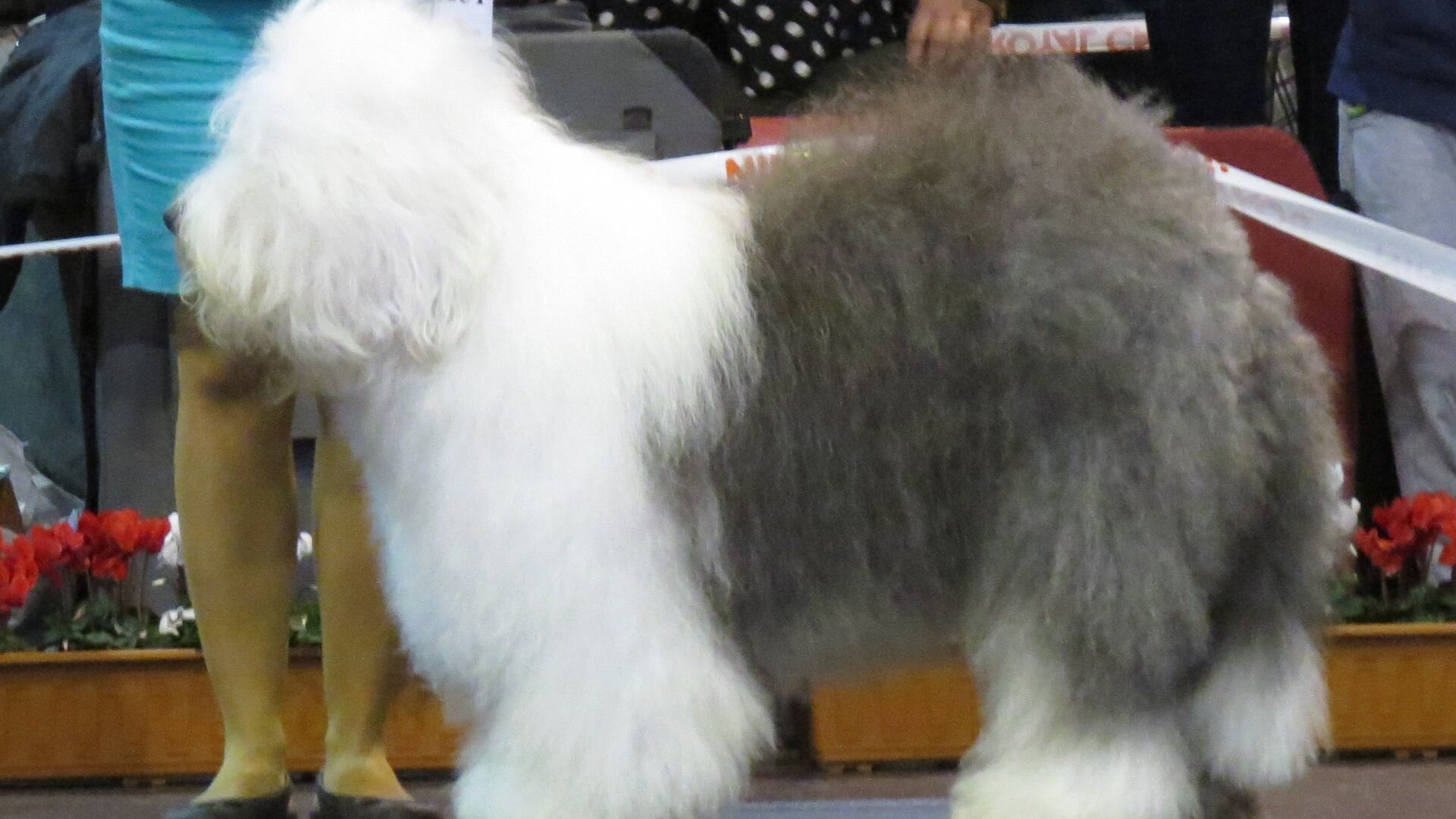
Grooming is the make-or-break issue. The long double coat mats easily if it is not brushed thoroughly. Some owners keep the coat shorter for practical home care, while show-style coats require major maintenance.
Plan for:
- Frequent line brushing down to the skin.
- Regular checks behind ears, under legs, around the collar, and near the tail.
- Bathing and complete drying when dirty.
- Trimming around feet and sanitary areas as needed.
- Professional grooming if the coat is beyond your skill or schedule.
Common Old English Sheepdog Health Issues
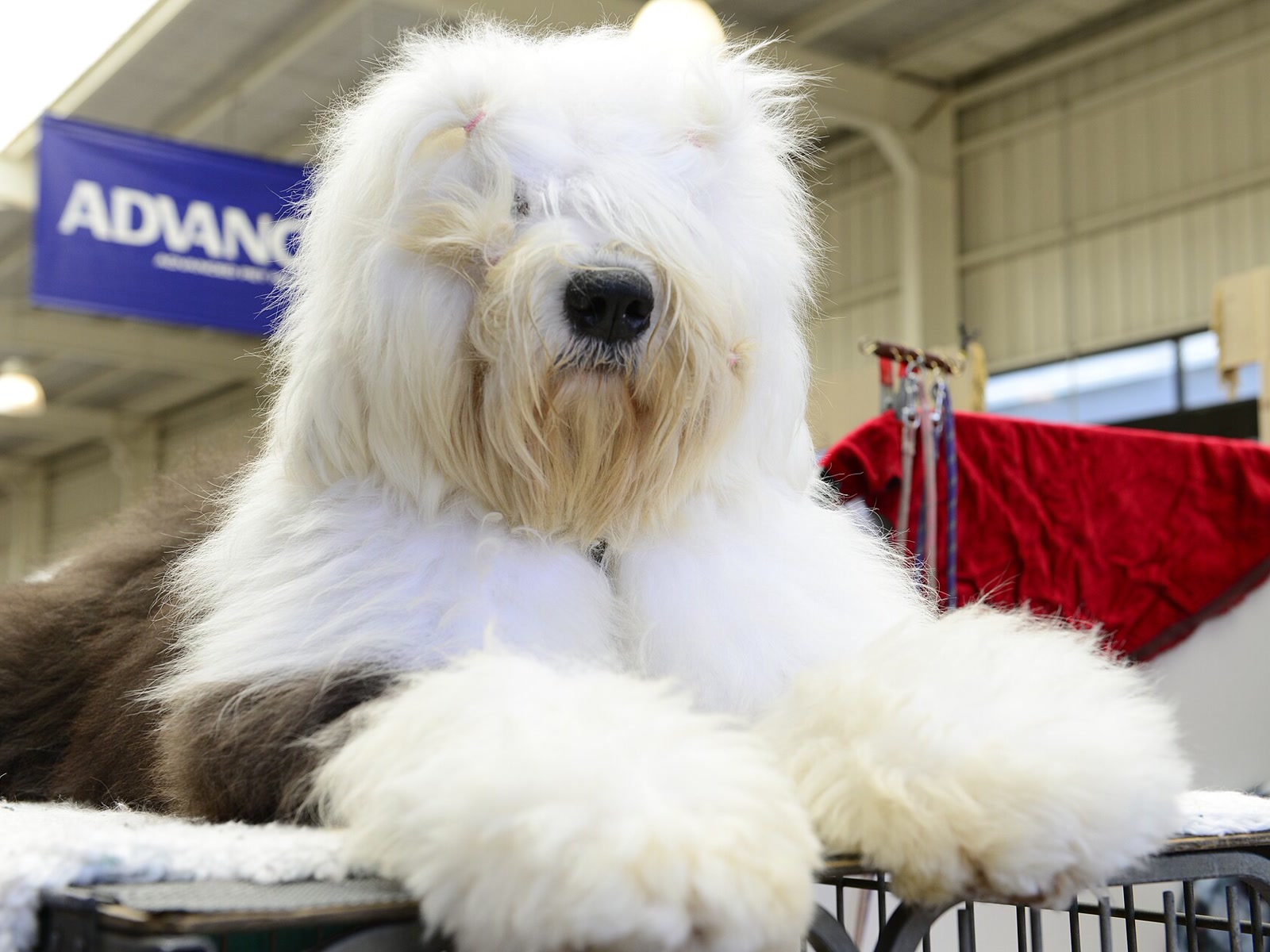
Old English Sheepdogs can face hip dysplasia, eye conditions, thyroid disease, deafness in some dogs, skin issues hidden under the coat, and weight gain. Responsible breeders should discuss health screening and temperament.
Because the coat hides the body, owners must use their hands. Feel for ribs, skin irritation, mats, lumps, soreness, and changes in movement. If your dog limps, scratches constantly, develops odor, seems painful, or has eye or ear symptoms, talk with a veterinarian.
Keep the Shaggy Frame Lean
A shaggy coat can hide extra weight. Keep meals measured, limit high-calorie treats, and check body condition regularly. You should be able to feel the ribs without digging through fat under the coat.
Large dogs benefit from steady growth as puppies and lean condition as adults. Ask a veterinarian about diet, joint health, and safe exercise if you are raising a puppy or managing an older dog.
Manners for a Large, Bouncy Dog
Old English Sheepdogs are intelligent and social, but some have a playful stubborn streak. Reward-based training, consistency, and humor work better than frustration. Teach calm greetings early because size makes jumping a real problem.
Priorities include:
- Cooperative grooming and handling.
- Loose-leash walking.
- Polite behavior around children and guests.
- Recall in safe spaces.
- Settling indoors after play.
Training should not be saved for adolescence. By then, the dog is large, strong, and much harder to guide.
Pros and Cons of Old English Sheepdogs
| Pros | Cons |
|---|---|
| Affectionate, playful family companion | Very high grooming commitment |
| Large, memorable personality | Coat mats quickly without real work |
| Moderate exercise needs for a big herder | Can be messy, hairy, and expensive to maintain |
| Often warm with people | Size and enthusiasm need training |
| Smart and responsive when engaged | Not ideal for tidy, low-maintenance homes |
Old English Sheepdog Myths Behind the Hair
The shaggy coat barely sheds and mostly looks after itself
Loose hair, mats, debris, washing, and drying create substantial work. Even a short trim needs professional maintenance and regular brushing.
A nanny-dog reputation makes child supervision unnecessary
Herding, size, excitement, pain, and child behavior still matter. Adults should supervise, teach respectful interaction, and give the dog a quiet escape area.
Run two versions in the dog cost calculator: one for a maintained full coat and one for a shorter pet trim. Add large-dog food, training, drying equipment, walking help, boarding, and medical savings. The dog fit score cards then bring the living arrangement into view: grooming time, wet-weather cleanup, child movement, elevator or car access, exercise, and confidence handling a large adolescent.
Is an Old English Sheepdog Right for You?
An Old English Sheepdog may be right for you if you want a big, shaggy, affectionate companion and are ready for serious grooming. It can suit families that enjoy training, brushing, and living with a large dog that wants to be close.
It is not a good fit if you dislike coat care, want a low-shedding home, or cannot afford grooming help. Compare it with the Standard Schnauzer guide, the Bernese Mountain Dog guide, and the Newfoundland guide if you are considering large, high-maintenance companions.
The Coat Is a Lifestyle
Begin cooperative grooming while sessions are short and the dog is still easy to position. Practice section-by-section brushing, foot handling, ear checks, nail care, and standing on a stable surface. The first serious mat is too late to introduce the entire routine.
Buying the silhouette without pricing the coat creates a predictable welfare problem. Decide whether the dog will stay in full coat or a shorter practical trim, then budget the tools, time, drying space, and professional support. Mats tighten against the skin and cannot be treated as a cosmetic inconvenience.
The Old English Sheepdog Workload at Home
Coat care needs a fixed appointment
Waiting until the dog looks tangled makes grooming longer and less comfortable. Set recurring sessions for line brushing, feet, ears, beard, and sanitary areas, and decide whether the coat will stay full or be kept in a shorter practical trim. Price professional grooming locally. A large matted dog can require far more time and cost than a routine appointment.
Size changes family play
An Old English Sheepdog may bump, lean, chase, or try to organize moving children. Teach calm greetings and provide an adult-controlled game instead of letting the dog rehearse body-slamming in the yard. Small children need supervision around any large playful dog. Families should also plan a quiet area where the dog can rest away from fast household traffic.
Transport gets harder with age
Measure the vehicle opening and think ahead to a senior dog that cannot jump. A ramp, non-slip surface, and cooperative handling practice make veterinary visits easier long before mobility changes. Large-dog medication, diagnostic imaging, boarding, and grooming usually cost more. Those later-life expenses belong in the decision made at puppy age.
The Family That Can Maintain the Coat
The Old English Sheepdog is a lovable, shaggy, funny family herder for owners who respect the coat commitment. It brings warmth and personality, but it also brings brushing, mess, and large-dog logistics.
Choose this breed if you want the whole package, not just the famous silhouette.


.jpg)