
The Bernese Mountain Dog is often chosen for a calm expression and family-friendly reputation. Those are real attractions, but the full picture includes a giant body, a heavy coat, warm-weather limits, and a health profile that deserves attention before anyone chooses a puppy.
This dog can be a lovely companion for a household that has room for a large, close-bonded dog and accepts the grooming and medical planning involved. A buyer should be ready to ask direct health questions, make a realistic emergency plan, and build a daily routine around cool-weather walks rather than a mountain-dog fantasy.
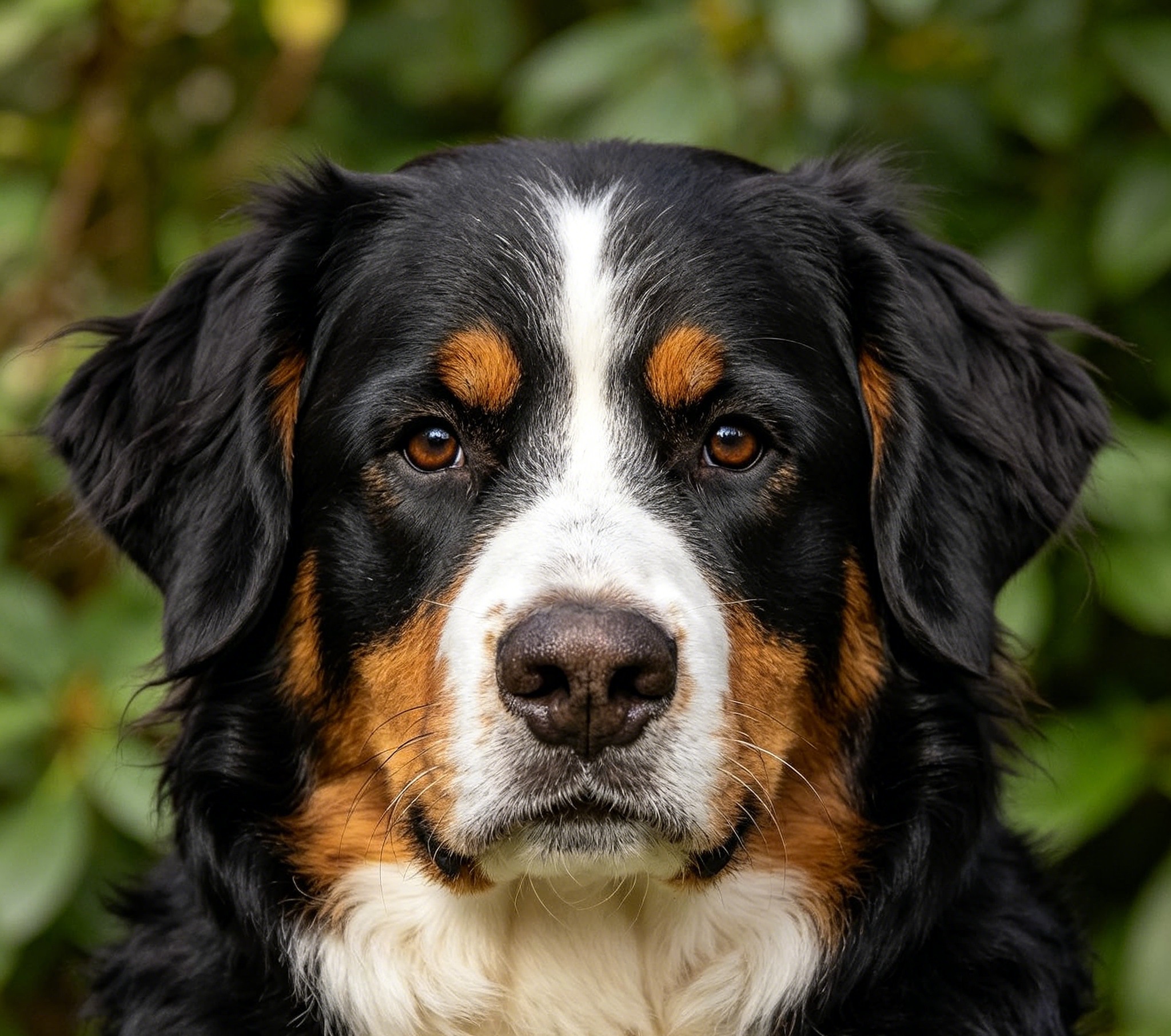
Bernese Fit: Room, Cool Weather, and a Health Budget
| Daily constraint | Score | What it changes | |—|—|—| | Heat planning | 5/5 | The dense coat changes when and how the dog can exercise in warm weather. | | Household space | 4/5 | A large resting area, good traction, and enough room to move matter more than a formal yard. | | Coat work | 5/5 | Seasonal shedding is substantial, and friction areas need regular brushing before mats form. | | Health reserve | 5/5 | The family should understand screening questions and have a plan for veterinary costs. | | Family handling | 3/5 | The breed can be gentle, but its size still calls for supervised interaction and basic manners. |
Bernese Mountain Dog Quick Facts
| Trait | What to Expect |
|---|---|
| Size | 23–27.5 inches tall; roughly 70–115 pounds |
| Temperament | Gentle, devoted, calm indoors, sometimes timid |
| Energy level | Moderate; bursts of play, long naps |
| Exercise needs | About 30–60 minutes daily, cool weather preferred |
| Grooming needs | Thick double coat; brush several times weekly, heavy seasonal shedding |
| Apartment friendly | Difficult due to size and shedding |
| Good with families | Excellent, especially with gentle children |
| Common concerns | High cancer rates, hip and elbow dysplasia, bloat, short lifespan |
| Best for | Families with space, time, and emotional readiness |
| Not ideal for | Hot climates, tidy homes, owners on a tight budget |
Bernese Mountain Dog Temperament
A well-raised Berner is a steady, sweet-natured giant that wants to be wherever the household is. They are not boisterous like some working breeds; instead they tend toward a quiet, watchful affection, often leaning their considerable weight against your leg or flopping across your feet. Many owners joke that they share their home with a 90-pound shadow.
That sensitivity cuts both ways. Berners read human moods keenly and can become anxious in chaotic or harsh environments. They generally take a while to warm up to strangers and may be reserved or even shy as youngsters, which makes early, gentle socialization important. Harsh handling tends to shut them down rather than motivate them.
With children they are usually patient and tolerant, though their sheer size means a wagging tail or an enthusiastic turn can knock over a toddler without any ill intent. They also mature slowly, staying clumsy and puppyish in body and mind well past their second birthday.
How a Bernese Mountain Dog Uses Its Energy
Despite their size, Bernese Mountain Dogs are not endurance athletes. A couple of moderate walks plus some free play in a yard usually satisfies an adult. They genuinely enjoy cold weather and snow, which traces back to their alpine roots, and many become noticeably more playful once temperatures drop.
Good ways to keep a Berner happy and fit include:
- A relaxed morning walk in cool air, lengthened in winter.
- Light cart-pulling or backpacking once fully grown, nodding to their drafting history.
- Gentle hikes on shaded trails rather than midday pavement.
- Puzzle feeders and scent games on hot days when outdoor time is limited.
Be cautious with growing puppies. Because Berners are prone to joint problems, avoid forced running, repetitive jumping, and long hikes until the growth plates close. Heat is a real hazard for this heavily coated breed, so plan vigorous activity for early morning or evening and watch closely for overheating.
Coat Care in a Bernese Mountain Dog Home
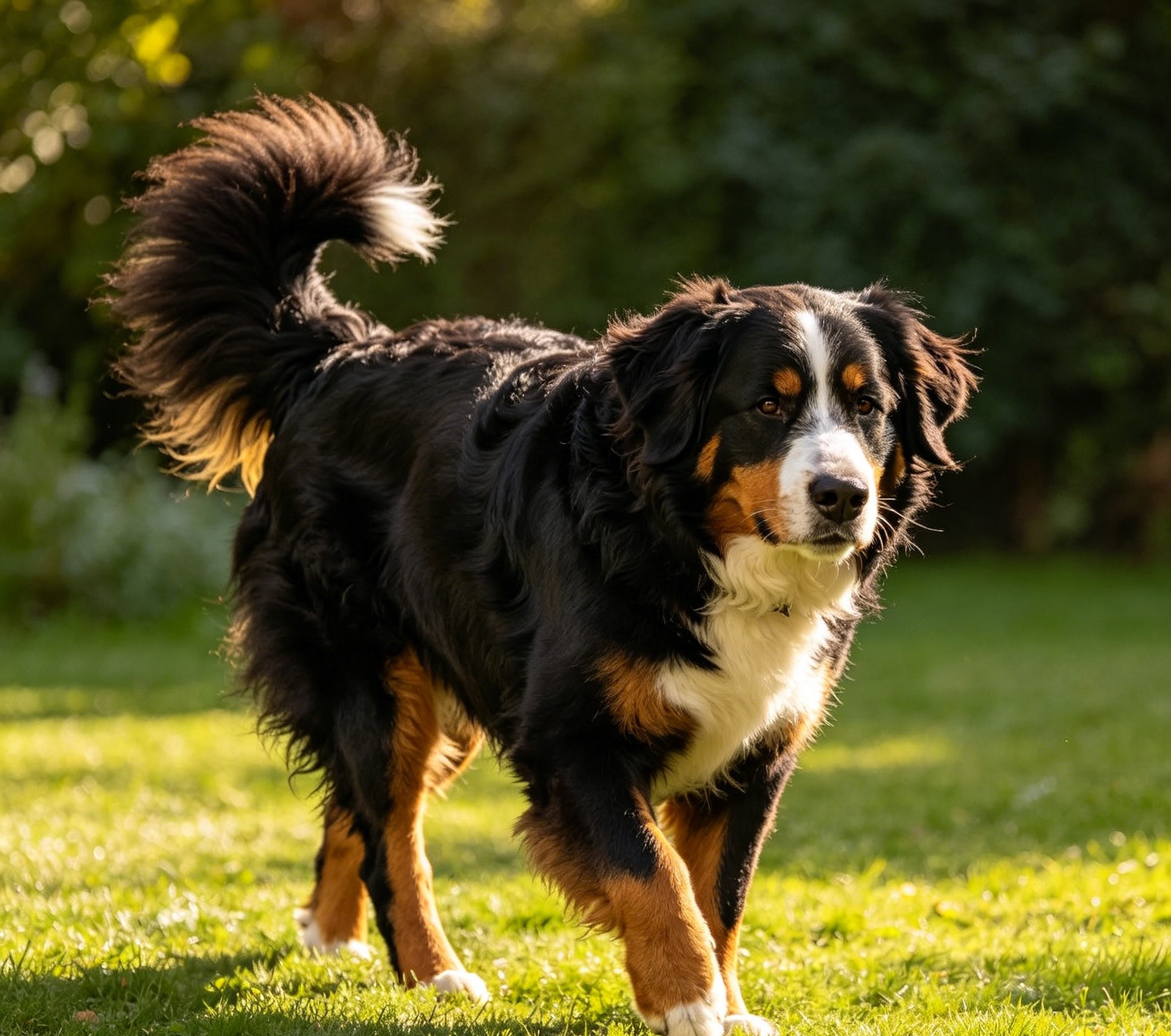
That beautiful tricolor coat is a thick, slightly wavy double coat, and it sheds. A lot. Expect steady year-round hair plus two dramatic “coat blow” seasons in spring and fall when the undercoat releases in clumps. There is no avoiding it; black-and-rust fur on your floors, clothes, and car is simply part of Berner life.
A practical grooming routine looks like this:
- Brush two to three times a week with a slicker brush and undercoat rake, daily during heavy sheds.
- Check the feathered ears and behind them, where mats form quickly.
- Trim the fur between the paw pads and keep nails short for healthy movement.
- Bathe every couple of months or when muddy, drying thoroughly down to the skin.
- Brush teeth several times a week to support long-term dental health.
Common Bernese Mountain Dog Health Issues
This is the hardest part of loving the breed. Bernese Mountain Dogs have one of the shortest average lifespans among purebred dogs, often only seven to ten years, and cancer is the leading reason. Histiocytic sarcoma in particular appears at unusually high rates in Berners, and many lines also face mast cell tumors and lymphoma.
Beyond cancer, the breed is predisposed to hip and elbow dysplasia, and as a deep-chested giant it carries a meaningful risk of gastric dilatation-volvulus, commonly known as bloat, which is a true emergency. Some lines also see degenerative myelopathy and von Willebrand’s clotting disorder.
A conscientious breeder should show hip and elbow clearances from OFA or PennHIP, eye exams, and ideally be candid about how long their dogs have lived and what they died from. Walk away from anyone who waves off these questions or markets “rare” coat patterns over health.
Anytime your dog shows a swollen or hard belly with retching, sudden lameness, an unexplained lump, or a drop in energy or appetite, call your veterinarian promptly.
Meals and Body Condition for a Bernese Mountain Dog
Keeping a Berner lean does more good than almost anything else you can control, because every extra pound presses on joints already at risk for dysplasia. You should be able to feel the ribs easily and see a waist from above.
Sensible feeding habits for the breed include:
- Feeding a large or giant-breed formula, especially during the long puppy growth phase, to support steady bone development.
- Splitting the daily ration into two meals rather than one large bowl, which may help reduce bloat risk.
- Discouraging hard exercise right before and after eating.
- Keeping treats modest and folding them into the daily calorie count.
Giant breeds eat a lot, and that food budget is worth factoring into your decision. Your veterinarian can recommend a target weight and growth pace tailored to your individual dog.
Teaching a Bernese Mountain Dog Useful Habits
Berners are intelligent and eager to please, but they are soft-hearted, so warmth gets you much further than correction. They thrive on praise, food rewards, and a calm, encouraging tone, and they tend to wilt under shouting or rough leash work.
Helpful approaches with this breed:
- Begin handling, grooming, and gentle socialization early, while the puppy is still liftable.
- Teach leash manners young, before a small puppy becomes an immovable adult.
- Keep training upbeat and short; bored or pressured Berners simply disengage.
- Introduce new people, surfaces, and sounds patiently to counter natural shyness.
Because they bond so closely, many Berners struggle with being left alone for long stretches. Building up to alone time gradually and giving them company during the day prevents a lot of stress and destructive behavior.
Pros and Cons of Bernese Mountain Dogs
| Pros | Cons |
|---|---|
| Deeply affectionate, family-oriented temperament | Heartbreakingly short average lifespan |
| Calm and gentle indoors | High cancer rates and joint disease risk |
| Striking, instantly recognizable tricolor coat | Constant and seasonally heavy shedding |
| Thrives in cold weather and snow | Struggles in heat and humidity |
| Great with respectful children | Large size and food bills add real cost |
Bernese Owners Carry Joy and Health Planning Together
With a Bernese Mountain Dog, size, coat, heat, and health planning meet sooner than many families expect. A friendly dog may still be difficult to transport after an injury, and summer can narrow exercise to cool hours. Owners also describe the emotional weight of planning for a breed that may face serious illness earlier than expected. That does not erase the appeal, but it makes ethical sourcing, insurance or savings, and ordinary weight control central rather than optional.
Bernese Advice by Space and Experience
An apartment needs cool, reliable access
A calm adult may settle, but elevators, stairs, warm upper floors, and giant wet-coat cleanup make this difficult. Plan moderate outdoor time and room for a large cool resting area. Long isolation conflicts with the breed’s social nature.
A cool house matters more than a huge yard
Shade, indoor cooling, non-slip floors, and secure fencing support the dog. Yard access is convenient, not sufficient exercise. Keep the dog involved with family rather than outside because the coat looks weatherproof.
A beginner should research health before puppies
Review testing, longevity in the line, temperament, and breeder support. Train leash and handling before adult strength. Confirm transport, grooming, and veterinary budgets, including a difficult medical year.
Experienced giant-dog homes should monitor subtle change
Track stamina, appetite, gait, lumps, and recovery without turning every variation into panic. Prompt veterinary evaluation matters when changes persist. Keep the dog lean and avoid using bulk as a sign of health.
Bernese Mountain Dog Myths Behind the Gentle Face
A calm Bernese needs little activity
Adults benefit from moderate walking, training, and shared outdoor time adjusted for heat and health. Calm temperament does not make inactivity or excess weight safe.
The mountain coat makes hot weather manageable
A thick coat does not make the dog heat-proof. Cooling, shade, water, and conservative exercise are required. Heavy panting, weakness, confusion, or collapse needs urgent care.
For a practical planning check, use the dog cost calculator to include large food and medication, grooming, cooling, training, vehicle access, insurance or medical savings, and capable boarding. The dog fit score cards can help you compare climate, stairs, car size, health-risk tolerance, time alone, shedding, and ability to manage a large dog through illness.
Is a Bernese Mountain Dog Right for You?
A Bernese Mountain Dog suits a patient, affectionate household that has room for a giant dog, time for daily grooming and companionship, and a cool-enough climate to keep that coat comfortable. People who want a gentle, deeply bonded family dog and can accept the fur on everything tend to adore the breed.
The harder truth is the health and lifespan reality. If you cannot face the strong odds of saying goodbye early, or you live somewhere hot, or a fur-free home matters to you, this may not be your breed. Going in with open eyes is the kindest thing you can do for both of you.
If you are weighing other large or fluffy companions, compare the Saint Bernard guide, the Australian Shepherd guide, or the merrier, lower-maintenance English Cocker Spaniel guide. Side-by-side reading helps you see how sharply grooming, energy, and lifespan can differ between breeds that all look appealing in photos.
The Bernese Mountain Dog Decision
The Bernese Mountain Dog rewards the right owner with extraordinary tenderness, loyalty, and one of the most beautiful coats in the dog world. They are gentle giants in the truest sense, happiest leaning against the people they love.
The trade-off is real: serious shedding, a heat-sensitive constitution, and a lifespan and cancer risk that ask a lot of your heart. If you can embrace those realities and give this dog the cool, companionable, loving home it craves, a Berner will repay you with some of the most devoted years you will ever spend with a dog.