
A Border Collie can suit an active home that enjoys daily training and can make room for exercise, supervision and rest. This medium-sized herding dog needs more planning than its reputation for quick learning might suggest. Before choosing one, consider how you would manage moving children, busy walking routes and quiet time during the working day. A yard or an intelligence ranking cannot answer those questions for an individual dog.
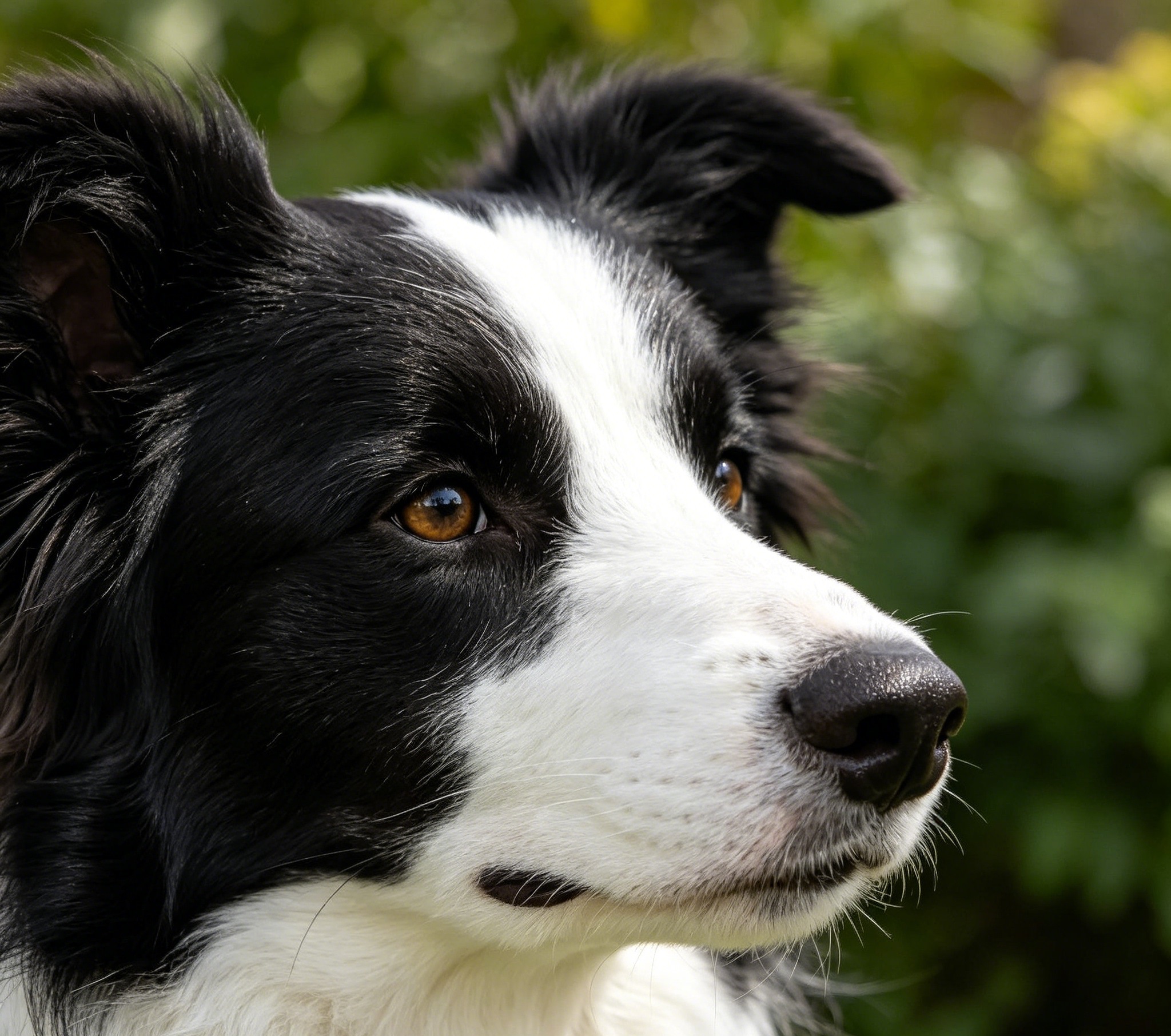
Border Collie Quick Facts
| Trait | What to Expect |
|---|---|
| Size | Medium; the AKC lists 30-55 lb |
| Typical lifespan | AKC range: 12-15 years, not a prediction for an individual |
| Temperament | Alert, responsive and strongly interested in activity |
| Exercise | Substantial daily activity, with the amount adapted to the dog |
| Grooming | Regular brushing and seasonal shedding |
| Household challenge | Managing movement, training and opportunities to rest |
| Health records to discuss | Hip and eye assessments, relevant DNA results and family history |
| Best starting question | Who will handle care when the usual walker or trainer is unavailable? |
The AKC breed profile provides the size and lifespan ranges. Use breed information to prepare questions; ask a breeder or rescue about the dog you are actually considering.
Border Collie Temperament
Many Border Collies respond readily to training and enjoy working with a handler. That can make shared activities rewarding, but it does not tell you how comfortably a dog will cope with visitors, another pet or a crowded pavement. Ask for examples from daily life, including what happens after an exciting activity ends.
Herding behavior can appear as staring, stalking or chasing. PDSA’s breed guidance specifically cautions about herding around children. Adults should manage interactions and provide separation when needed. Running children should not be responsible for teaching a dog to stop chasing them.
Repeated spinning, shadow chasing or pacing needs a different response from an ordinary training mistake. VCA explains that physical illness, anxiety and other factors can contribute to repetitive behavior. If it is persistent, hard to interrupt or interfering with eating, sleep or normal activity, contact your veterinarian. Record the context and, if safe, a short video. Adding more running is not a diagnosis or a treatment plan.
A Household Motion and Rest Plan
Use this editorial planning table before a breeder or rescue conversation. It is a discussion aid, not a validated suitability score or a test to provoke reactions in a dog.
| Situation to discuss | Practical preparation | Evidence to ask for or record |
|---|---|---|
| Children run through the room after school | Put a comfortable dog rest area behind a suitable barrier; assign an adult to supervise | Can the dog rest away from the activity? Has chasing or nipping occurred in a comparable home? |
| The nearest walk follows a busy cycle route | Identify a quieter route and a handler who can maintain safe distance | Where does the dog start watching wheels or pulling toward them? Can the handler leave safely? |
| A ball game has ended | Put equipment away and offer a predictable transition to a quiet activity | Does the dog move on, or continue searching, barking or demanding another throw? |
| An owner takes video calls at home | Schedule care breaks and arrange somewhere to rest away from foot traffic | What support is needed during calls? Working from home does not automatically provide supervision. |
| Another pet crosses the hallway | Plan separate routes and resting spaces with gates or doors | Ask about previous interactions; do not let pets chase each other to see whether they get along. |
| The usual walker is ill or late | Name a backup person and share the dog’s routes, cues and handling limits | Can that person safely manage this particular dog, including any chasing concerns? |
For example, a household might discover that its only weekday walking route is beside a school cycle entrance. The useful next step is to find a quieter route and discuss handling support before adoption. Buying more puzzle toys would leave that specific gap unresolved.
Review the plan with a qualified trainer if chasing creates a safety risk. The high-energy working dog collection helps compare other breeds by the daily work involved.
Structured Work Beats Endless Ball Throwing
PDSA gives a general guide of at least two hours of exercise per day for the breed. Treat that as an ownership planning signal, not a universal exercise prescription. Ask your veterinarian about age, fitness, weather and health restrictions, especially for a growing puppy or a dog returning from injury.
Divide opportunities across the day and include training, exploration and downtime. Avoid judging success only by distance covered or balls retrieved. For your own care record, note the activity, any difficulty during it and how the dog behaves afterward. That gives your veterinarian or trainer something more useful than “still has energy.”
If you want to try a sport, ask the instructor what foundation skills, physical readiness and equipment the dog needs before starting. Check the travel time and class schedule too. An activity that is only available during your working hours cannot be the main weekday plan.

Teach Rest as Deliberately as Motion
The American Veterinary Society of Animal Behavior recommends reward-based methods. Choose a qualified trainer who can explain how they will prevent unsafe chasing and teach an alternative without relying on intimidation or painful corrections.
Practice easy responses in a quiet setting before expecting them around traffic or children. Our leave-it guide introduces disengagement gradually. A trained cue remains an aid to management; use a leash and safe distance where chasing could cause injury.
For rest, Dogs Trust’s settle guidance starts with rewarding relaxed behavior and building duration gradually. Work where the dog can already cope, then add household distractions in small steps. Our settle-on-a-mat guide offers a practice sequence and ways to make a session easier. If a dog cannot relax despite changes to the setting, discuss the difficulty with your veterinarian or trainer.
Coat Type Changes the Brushing Routine
Expect shedding and plan to brush regularly; PDSA suggests a couple of times weekly, with more attention during seasonal shedding. Check the actual coat while grooming instead of assuming a calendar tells you enough. If a comb catches in a knot or handling seems painful, stop pulling and ask a groomer or veterinarian for help.
Include coat care in the handoff to another caregiver. Note the brush used, areas the dog dislikes having touched and any skin changes being monitored. For bathing decisions, see our dog bathing frequency guide.
Common Border Collie Health Issues
The Border Collie Society of America’s health overview distinguishes DNA-testable conditions from problems assessed by physical testing. It also identifies conditions, including epilepsy, for which a routine DNA screening result cannot provide an all-clear.
Before buying a puppy, ask for identifiable records for both parents, including hip and eye assessments and relevant genetic results such as Collie eye anomaly and trapped neutrophil syndrome. Have your veterinarian explain what those records cover and what remains unknown. A DNA panel does not replace physical screening or guarantee lifelong health. Share any MDR1 drug-sensitivity result with your veterinarian before medication decisions; do not change prescribed treatment yourself.
Exercise-related collapse is not ordinary tiredness
The University of Minnesota’s Border Collie collapse research describes episodes involving changes such as disorientation, staggering and an abnormal gait around exercise. Similar signs can have other causes. Stop activity and seek urgent veterinary advice for collapse or loss of coordination, even if the dog appears to recover. Do not deliberately repeat the activity to test a suspected diagnosis.
Fuel for Work Without Losing a Lean Waist
Discuss food portions and body condition with your veterinarian using the dog’s actual routine. Bring a record of meals, training rewards, chews and supplements, especially if weight or activity has changed.
WSAVA’s treat guidance recommends keeping treats below 10% of daily calories and maintaining a complete, balanced main diet. Ask the veterinary team how to account for training food without unbalancing that diet. A dog on a prescribed diet may need specific reward options. If several people train the dog, use one shared daily allowance so each person is not adding an unrecorded handful.
Pros and Cons of Border Collies
| Potential benefit | Commitment to consider |
|---|---|
| A responsive partner for an owner who enjoys teaching | Time for foundation skills and practice in different settings |
| Opportunities for shared outdoor activities and sports | Suitable routes, instruction and a plan for recovery or restricted activity |
| A daily routine built around working together | Care arrangements that survive late meetings, travel and illness |
| Medium size | Size does not remove the need to manage chasing or busy household movement |
Is a Border Collie Right for You?
Choose based on the life you can provide and the individual dog’s needs. The breed club’s buyer guidance encourages families to identify the main caregiver and consider their schedule, resources and interests. Ask a rescue about behavior observed in a home, or a breeder about the parents, health documentation and support after placement.
Compare the Australian Shepherd guide and Australian Cattle Dog guide if you are considering another herding breed. Include classes, suitable walking support and backup care in the dog cost calculator. The dog fit score cards can prompt further household questions, but cannot predict an individual dog’s behavior.
A workable decision has named caregivers, safe places for activity and rest, and room in the budget for help. If one of those is missing, resolve it before committing to a Border Collie.