
A Shetland Sheepdog is often a better fit for a person who enjoys teaching than for a person who simply wants a small, easy dog. The breed notices movement, patterns, visitors, and changes in tone quickly. That awareness can produce a responsive training partner, but without guidance it also produces alert barking and attempts to manage activity around the home.
The coat and noise level are the practical commitments. A Sheltie can live in an apartment or a house when exercise and quiet routines are planned, but a home with constant sudden noise, no daily training time, or no tolerance for brushing may find the breed harder than its modest size suggests.
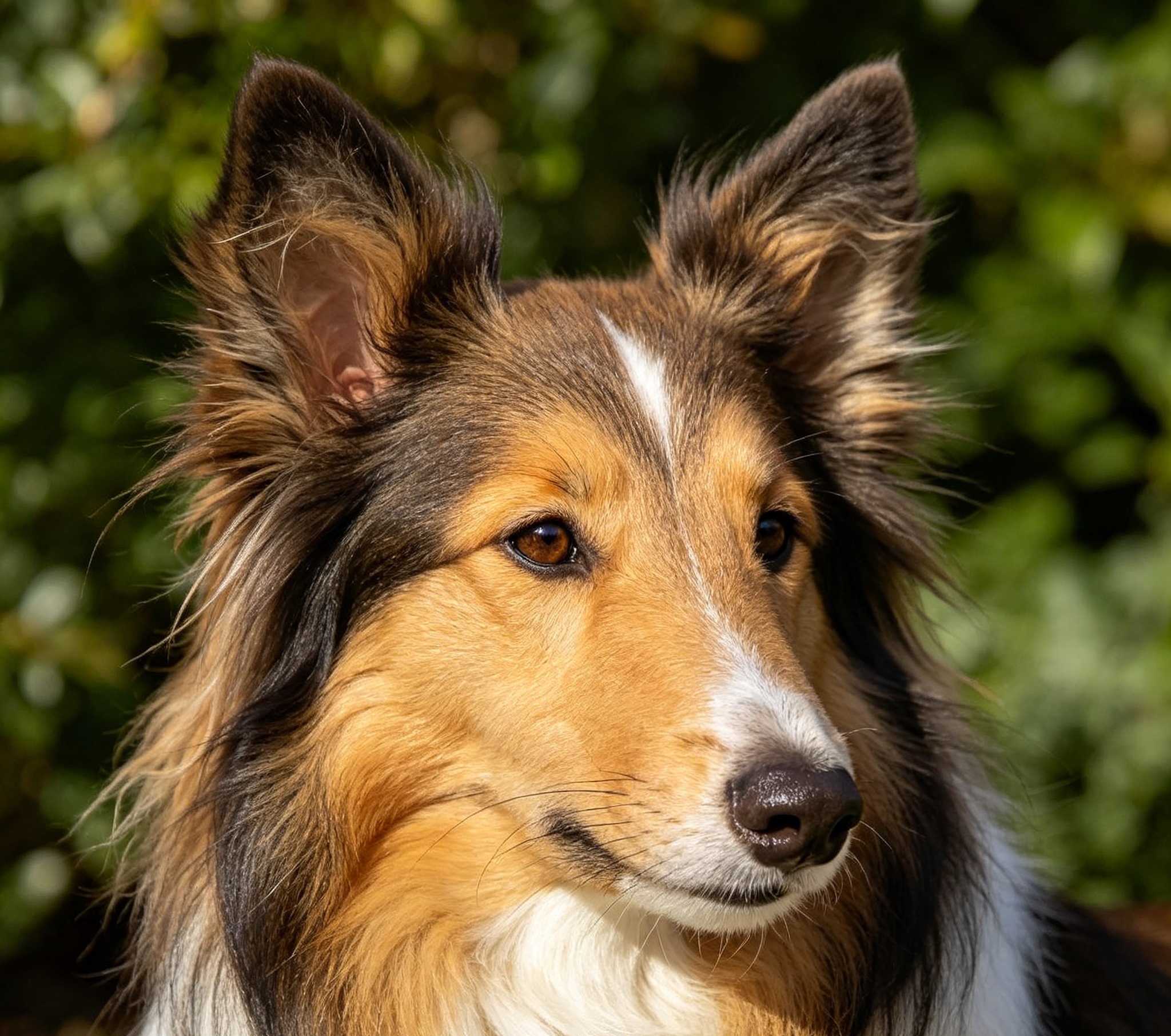
What a Shetland Sheepdog Asks of a Household
| Daily constraint | Score | What it changes | |—|—|—| | Noise management | 5/5 | Hallway sounds, windows, visitors, and running children can become repeated barking triggers. | | Daily training | 5/5 | Short skill sessions and enrichment give the dog a clear job instead of leaving it to patrol the home. | | Coat schedule | 4/5 | Regular line brushing and heavier seasonal shedding affect cleaning and the household routine. | | Sensitive handling | 4/5 | Calm, predictable teaching is more useful than sharp corrections for a dog that reacts to its environment. | | Child movement | 3/5 | Herding behaviours such as circling or heel-nipping need supervision and an alternative trained response. |
Shetland Sheepdog Quick Facts
| Trait | What to Expect |
|---|---|
| Size | Small; 13–16 inches at the shoulder, roughly 15–25 lb |
| Temperament | Brilliant, sensitive, devoted, alert, and vocal |
| Energy level | Moderate to high, with a busy, switched-on mind |
| Exercise needs | 45–60 minutes daily of walks, play, and brain games |
| Grooming needs | Heavy; brush 2–3 times a week, more during seasonal sheds |
| Apartment friendly | Possible, but barking must be actively managed |
| Good with families | Excellent with gentle, respectful households |
| Common concerns | Collie eye anomaly, PRA, MDR1 drug sensitivity, hip dysplasia |
| Best for | Owners who love training and don’t mind a chatty dog |
| Not ideal for | Noise-sensitive homes or people who dislike grooming |
Shetland Sheepdog Temperament
Shelties are intensely bonded, almost shadow-like with their people. They want to be in the room with you, and many follow their favorite person from kitchen to couch to bed. This devotion makes them wonderfully responsive but also means they do not cope well with long stretches of isolation; a Sheltie left alone too much can become anxious and even more vocal.
They are also famously soft. A sharp tone or a loud household can rattle a sensitive Sheltie, so they respond to gentle, encouraging handling far better than to corrections. With strangers, the breed is naturally reserved rather than friendly-to-everyone, a herding-dog trait that good socialization tempers into polite caution instead of shyness.
Then there is the herding brain at work. Shelties notice everything that moves, from squirrels to cars to running children, and their instinct is to alert and sometimes to circle or chase. Without an outlet and clear guidance, that instinct often expresses itself as barking at motion and gentle herding of the kids. Channel it well and you get a delightful, biddable partner; ignore it and you get a busy little noisemaker.
How a Shetland Sheepdog Uses Its Energy
Shelties are athletic for their size and need more than a stroll around the block. Aim for around an hour a day combining a walk or two with active play and mental work. This is a breed that excels at dog sports, and agility, rally, obedience, herding trials, and flyball all suit its quick feet and quicker mind.
Mental stimulation is not a nice extra here, it is half the job. A Sheltie that gets to solve puzzles, learn new tricks, or do a few short training drills each day is calmer and quieter than one that is only physically tired. Food puzzles, scent games, and “find it” hunts around the house are easy ways to tire out the brain on a rainy afternoon.
Because they are small and agile rather than powerful, Shelties are easy to exercise even without a huge yard, but they do need a safely enclosed space for off-leash running. Their chase instinct means a startled Sheltie may bolt after movement, so reliable recall and secure fencing matter.
Coat Care in a Shetland Sheepdog Home
That gorgeous coat is the price of admission, and it is not cheap in effort. Shelties have a dense double coat with a soft undercoat and a longer outer layer that forms a mane around the neck, feathering on the legs, and a full tail. Without regular brushing it mats, especially behind the ears, in the “armpits,” and around the rear.
A realistic coat routine looks like this:
- Brush thoroughly two to three times a week, working down to the skin, not just over the surface.
- Mist the coat lightly with water or a detangling spray before brushing to avoid breaking the hair.
- During spring and fall “coat blow,” expect to brush daily and to vacuum often.
- Never shave a Sheltie’s double coat; it protects against heat and cold and may regrow improperly.
- Trim the fur between paw pads and around the hocks for tidiness.
Beyond the coat, check and clean ears, keep nails short, and brush teeth, since small breeds are prone to dental disease. A full bath every month or two keeps the coat fresh between brushings.
Common Shetland Sheepdog Health Issues
Shelties are generally healthy and long-lived, but several breed-specific concerns are worth knowing. Eye conditions lead the list: Collie eye anomaly is present in the breed line and progressive retinal atrophy can cause vision loss, which is why responsible breeders have puppies’ eyes checked and screen their breeding dogs.
The breed can also carry the MDR1 gene mutation, which makes some Shelties dangerously sensitive to certain common medications, including particular dewormers and anesthetics. A simple cheek-swab test tells you your dog’s status, and it is information your veterinarian will be glad to have on file. Hip dysplasia, hypothyroidism, and a skin condition called dermatomyositis also appear in the breed.
If your Sheltie shows sudden vision trouble, an unusual reaction to a medication, persistent lethargy, or a major change in appetite or behavior, contact your veterinarian.
Meals and Body Condition for a Shetland Sheepdog
Shelties are small and do not need much food, which makes overfeeding surprisingly easy, especially since they are excellent beggars and you tend to reward those bright eyes. Even a couple of extra pounds is significant on a 20-pound frame, and excess weight strains joints and worsens any predisposition to disease.
Feeding habits that work well for the breed:
- Choose a quality small- or medium-breed formula and follow portion guidance for the dog’s ideal weight, not its current weight.
- Feed two measured meals a day rather than free-feeding.
- Count training treats, which this trainable breed earns plenty of, against the daily total.
- Use part of the regular kibble ration as training rewards to keep calories in check.
- Check the waistline and rib coverage every week or two by feel; the thick coat hides weight gain.
Because the coat disguises body condition so well, hands-on checks matter more with this breed than with smooth-coated dogs.
Teaching a Shetland Sheepdog Useful Habits
If you enjoy training, the Sheltie is a joy. These dogs are among the most trainable of all breeds, fast to learn, keen to work with you, and proud of getting it right. The catch is their sensitivity: they wilt under harsh handling and shine under patient, reward-based teaching with plenty of praise.
Priorities that pay off with a Sheltie:
- Start a “quiet” cue and reward calm early, because barking is the trait owners most regret ignoring.
- Socialize widely as a puppy to soften the breed’s natural wariness of strangers.
- Redirect the herding and chase instinct onto toys and games rather than people or cars.
- Keep sessions short, varied, and upbeat; bored Shelties tune out.
- Build independence gently so the dog can be left alone without distress.
Bark management deserves special mention. Because Shelties alert to motion and sound, teaching a reliable “enough” and not accidentally rewarding barking with attention is the single most useful piece of training for most owners.
Pros and Cons of Shetland Sheepdogs
| Pros | Cons |
|---|---|
| Exceptionally smart and easy to train | Tends to bark a lot without active management |
| Devoted, affectionate, and people-oriented | Heavy, mat-prone coat needs frequent brushing |
| Athletic and excellent at dog sports | Reserved with strangers; needs early socialization |
| Manageable size for many living situations | Sensitive temperament dislikes harsh handling or chaos |
| Generally healthy and long-lived | Herding instinct may lead to chasing and nipping |
Sheltie Owners Hear the Environment Before They See It
A Sheltie’s quick alarm and soft temperament arrive in the same small package. Owners may love the dog’s awareness until every vehicle, child, and door sound becomes an announcement. The coat needs line brushing, while the mind notices inconsistent training instantly. A Sheltie can be brilliant and still shut down under pressure, so confidence grows through distance, choice, and small successful repetitions rather than forced social enthusiasm.
Sheltie Advice by Noise Level and Handler Skill
The apartment question is mostly acoustic
The size and exercise needs can work, but shared walls make barking the deciding factor. Manage window views, place beds away from hall traffic, and use quiet rewards. Walks should include calm observation rather than constant close greetings.
A yard can create motion patrol
Running children, bicycles, and fence traffic may trigger barking or chasing. Supervise outdoor time, practice recall from movement, and give the dog planned herding or sport outlets. The yard does not replace social exposure beyond the property.
A beginner should protect confidence
Use gentle, clear training and avoid flooding the puppy with crowded events. Start grooming and sound work early. Smart does not mean emotionally simple, and correction-heavy methods may create avoidance instead of reliability.
Experienced sport homes should preserve ordinary life
Agility, rally, scent, and obedience can suit the breed, but the dog also needs to ignore movement and rest. Watch for stress hidden behind fast performance. A title does not compensate for a dog that cannot settle at home.
Sheltie Myths That Confuse Intelligence With Ease
A Sheltie is a miniature Rough Collie
The breeds have separate development and should not be selected as size versions of one another. Shelties bring their own vocal, quick, and sensitive herding temperament.
A very smart dog needs fewer training sessions
Fast learning includes unwanted patterns. Shelties benefit from short, consistent practice and thoughtful exposure. Intelligence can magnify confusion when household rules change.
For a practical planning check, use the dog cost calculator to add grooming tools or help, training for sound sensitivity, sport or enrichment, dental care, walkers, and a health reserve. The dog fit score cards can help you compare shared-wall noise, household motion, training style, grooming tolerance, time alone, and willingness to build confidence gradually.
Is a Shetland Sheepdog Right for You?
A Sheltie suits an owner who genuinely enjoys interacting with a dog: training, playing brain games, and having a clever shadow underfoot. If you appreciate a responsive, devoted companion and you are willing to commit to regular grooming and to managing the barking, the breed gives back enormous affection and partnership.
It is a harder fit if your home is noisy and chaotic, if you cannot stand a vocal dog, or if grooming feels like a chore you will skip. A neglected coat and an unmanaged voice are the two most common reasons Shelties end up rehomed, and both are entirely avoidable with realistic expectations.
For comparison, the slow-and-steady Basset Hound sits at the opposite end of the energy scale, the Rottweiler shows what a large guardian breed asks of you instead, and the velcro-soft Cavalier King Charles Spaniel offers companionship with far less drive. Comparing them clarifies how differently these dogs live.
The Shetland Sheepdog Decision
The Shetland Sheepdog is a small dog with a big, busy mind, and that is both its charm and its challenge. For an owner who wants a clever, affectionate companion to train, play with, and adventure alongside, few breeds are as rewarding. The breed’s intelligence and devotion are genuinely special.
The trade-offs, frequent grooming, a tendency to bark, and a sensitivity that needs gentle handling, are real and predictable. If you go in clear-eyed about them, a Sheltie will likely become one of the most engaged and loving dogs you ever share your life with. If those trade-offs sound like deal-breakers, an honest pass now saves frustration later.