
The Basset Hound looks slow, but its nose can make an ordinary walk feel like a negotiation. This is a solid, scent-led dog on short legs, not a small lap dog. The long ears, low body, food interest, and carrying voice each ask for a bit of household planning.
The breed can suit people who enjoy patient walks and a relaxed companion at home. It is not a good match for anyone expecting reliable off-leash obedience or a silent apartment neighbor. Ramps, a secure boundary, measured meals, and regular ear checks make more difference than a large garden alone.
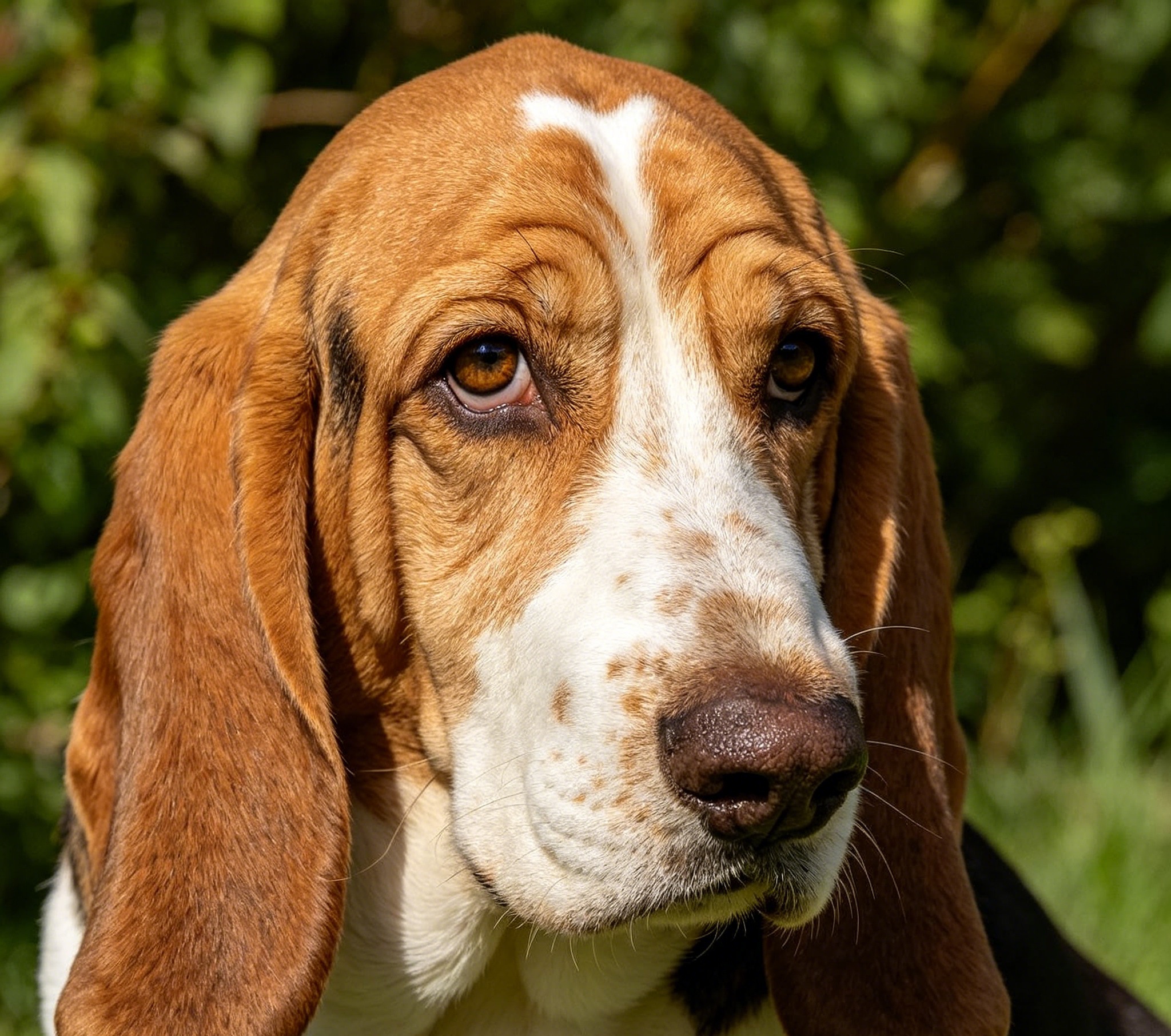
Basset Fit: A Nose Sets the Schedule
| Daily constraint | Score | What it changes | |—|—|—| | Secure access | 5/5 | A scent hound can follow a trail farther than a casual recall plan can reach. | | Ear and skin care | 4/5 | Low clearance and heavy ears make routine checks part of normal grooming. | | Weight control | 5/5 | Extra weight places more load on a long, low body and is easy to add through treats. | | Noise tolerance | 4/5 | A bay can travel through shared walls; neighbour fit should be considered honestly. | | Home layout | 4/5 | Ramps and fewer repeated jumps can make everyday movement easier to manage. |
Basset Hound Quick Facts
| Trait | What to Expect |
|---|---|
| Size | Medium-heavy, ~40–65 lb, ~13–15 in tall |
| Temperament | Gentle, patient, sociable, stubborn, scent-driven |
| Energy level | Low to moderate; loves to lounge |
| Exercise needs | Daily moderate sniff-walks for weight control |
| Grooming needs | Low coat care, but frequent ear cleaning |
| Apartment friendly | Workable if the loud baying is managed |
| Good with families | Excellent; famously patient with children |
| Common concerns | Ear infections, obesity, back/joint strain, bloat, glaucoma |
| Best for | Owners wanting a calm, affectionate, low-energy hound |
| Not ideal for | Those wanting fast obedience or a quiet, off-leash dog |
Basset Hound Temperament
The Basset Hound is one of the most laid-back and good-natured of all breeds. Gentle, patient, and affectionate, they’re famously tolerant with children and friendly with strangers and other animals, which makes them outstanding family companions. They have a calm, almost lazy demeanor around the house and are content to lounge for much of the day, happy simply to be near their people.
That mellow exterior hides a will of iron, though. Bassets are pack hounds bred to work independently, and they are genuinely stubborn, deciding for themselves whether your request is worth honoring. They are also ruled by their nose. Once a Basset catches an interesting scent, it can go selectively deaf and follow the trail with single-minded determination, which is exactly why they can’t be trusted off-leash in open areas. Add a deep, melodious bay they’re not shy about using, and you have a charming but characterful housemate.
How a Basset Hound Uses Its Energy
Bassets are low-to-moderate energy dogs that don’t need intense workouts, but they do need regular, moderate exercise, and this is more important than their lazy reputation suggests. The breed gains weight easily, and because their long backs and short legs already bear a heavy body, keeping them fit is a real health priority, not just a nice-to-have.
A good routine for a Basset includes:
- One or two moderate daily walks, ideally letting the nose lead and explore.
- Sniff-based games and scent work, which satisfy the hound brain deeply.
- A securely fenced area or a long line, since a loose Basset will follow a scent for miles.
- Gentle activity that protects the back; discourage jumping from heights.
Keep walks at the dog’s pace, watch for overheating, and don’t overdo high-impact play. A bored, under-walked Basset tends toward weight gain and the destructive or vocal habits that come with it.
Coat Care in a Basset Hound Home
The Basset’s short, dense coat is genuinely low-maintenance for brushing, needing only a weekly going-over, though they do shed steadily year-round. The real grooming work with this breed isn’t the coat at all; it’s the ears, the eyes, and the skin folds.
A breed-specific care list looks like:
- Clean and check those long ears regularly, as they trap moisture and are highly prone to infection.
- Wipe the facial wrinkles and the loose skin around the mouth to prevent irritation and odor.
- Tend to the droopy lower eyelids, which can collect debris and are prone to problems.
- Keep nails trimmed and check the low-hanging belly and chest after walks.
- Manage the natural “houndy” smell with occasional baths rather than over-bathing.
Those signature ears are charming but functional liabilities: dragging on the ground and blocking airflow, they need consistent attention to stay healthy.
Common Basset Hound Health Issues
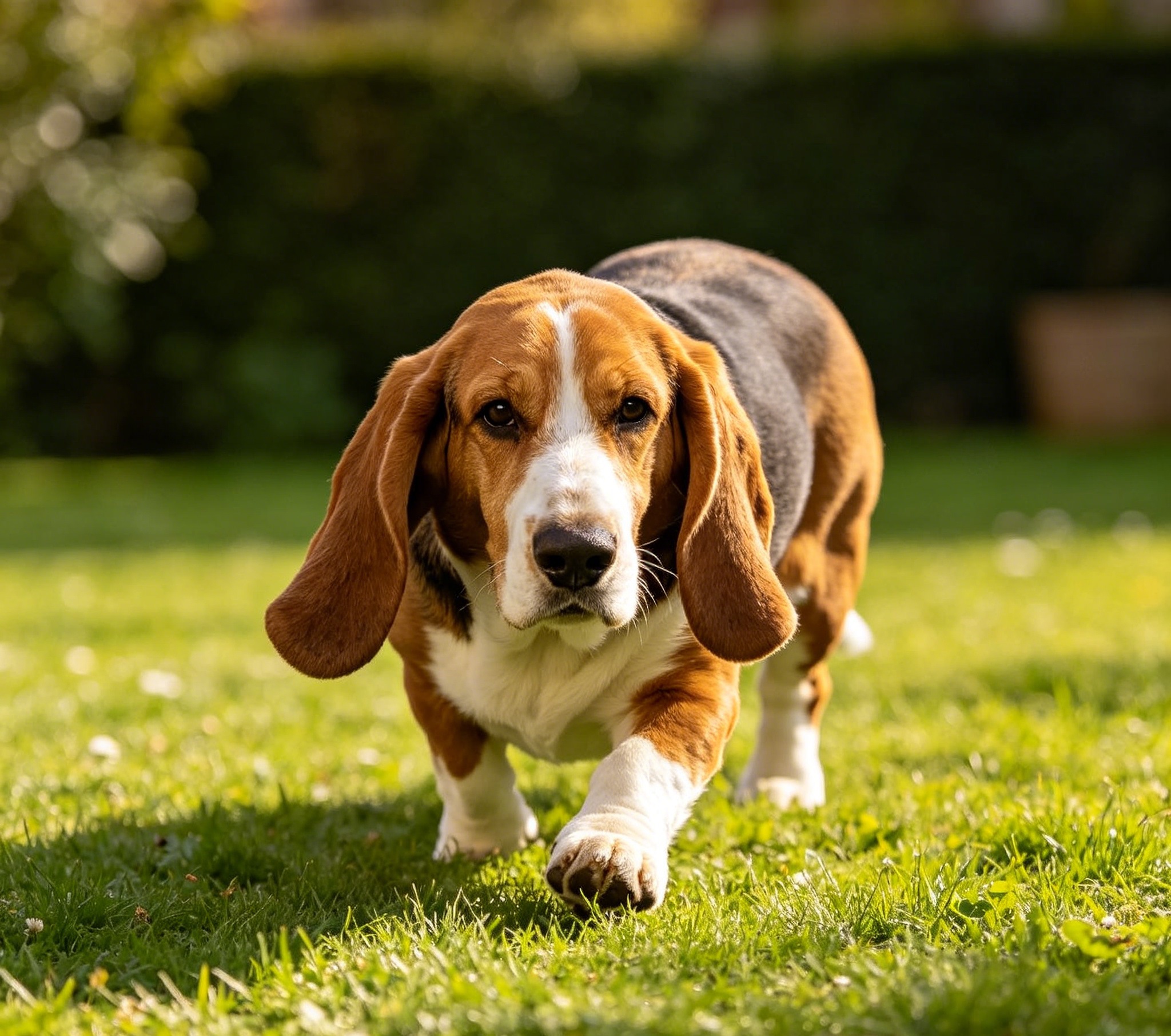
The Basset Hound’s distinctive build comes with distinctive health risks. Those long, heavy, low-hanging ears restrict airflow and trap moisture, making chronic ear infections one of the breed’s most common problems, hence the need for regular cleaning. The combination of a long spine, short legs, and a tendency to gain weight also puts real strain on the back and joints, raising the risk of disc problems and arthritis if the dog becomes overweight.
Other notable concerns include:
- Obesity, which worsens nearly every other Basset health issue.
- Bloat (gastric dilatation-volvulus), a life-threatening emergency in this deep-chested breed.
- Glaucoma and other eye conditions, partly linked to the loose lower lids.
- Elbow and joint issues tied to the breed’s heavy, low-slung conformation.
Bloat especially is an emergency: if your Basset has a swollen, tight belly, tries to vomit without success, and seems distressed, get to an emergency vet at once. Likewise, have recurring ear odor, head-shaking, squinting, or a cloudy eye checked promptly.
Meals and Body Condition for a Basset Hound
For a Basset Hound, weight management is arguably the most important daily health task an owner has. These dogs love food, beg persuasively, and pile on pounds quickly, and every extra pound multiplies the strain on their already vulnerable back and joints. Discipline at the food bowl directly protects the dog’s long-term health.
Helpful feeding habits:
- Feed measured meals based on a lean target weight, not the dog’s pleading eyes.
- Check the body condition by feel; you should be able to feel ribs under a thin layer.
- Limit treats and table scraps, which Bassets will happily exploit.
- Consider splitting meals and slowing fast eaters to reduce bloat risk.
Because their long bodies and loose skin disguise weight gain, rely on regular weigh-ins and your vet’s body-condition assessment rather than appearance alone.
Teaching a Basset Hound Useful Habits
Training a Basset takes patience and a sense of humor. They are intelligent but independent and stubborn, more inclined to do things on their own schedule than to snap to attention. Harsh methods get you nowhere; food-motivated, reward-based training works far better, since this is a deeply food-driven breed.
Practical pointers:
- Use high-value treats and keep sessions short and upbeat.
- Accept that recall will never fully override a strong scent, so manage off-leash situations rather than relying on obedience.
- Start house-training early and stay consistent, as Bassets can be slow to fully reliable.
- Teach a “quiet” cue to keep the loud baying manageable, especially in apartments.
- Socialize as a puppy to keep the friendly, easygoing nature on track.
Set realistic expectations: a Basset will never be a snappy competitive-obedience dog, but with patience it learns good house manners and the basics that matter day to day.
Pros and Cons of Basset Hounds
| Pros | Cons |
|---|---|
| Gentle, patient, and great with children | Very stubborn and slow to obey |
| Calm, low-energy, easygoing housemate | Loud, carrying bay and tendency to howl |
| Low-maintenance coat | Ears need frequent cleaning; prone to infection |
| Friendly with people and other pets | Gains weight easily, straining back and joints |
| Affectionate, devoted companion | Scent drive makes off-leash freedom risky |
The Slow Basset Hound Can Be a Fast Management Problem
It is easy to prepare for Basset drool and miss how scent, voice, and body structure shape the home. A dog moving slowly on a walk can pull with surprising commitment once a trail appears. Long ears need checking, weight is easy to hide on a heavy frame, and stairs become harder with age. The breed’s mournful expression also persuades families to overfeed or relax rules that the dog understands perfectly.
Basset Advice for Apartments, Houses, and New Owners
Low energy does not mean low volume
A Basset may settle indoors, but baying can travel through a building and stairs can be difficult. Elevator access and frequent scent-rich walks improve the fit. Plan cleanup for drool and wet ears in tight spaces.
A ground-level house suits the body
Fewer stairs and a secure yard help, but gates must resist a nose following scent. Do not leave food, trash, or compost accessible. Yard time should supplement walks rather than replace them.
A beginner should reward the nose
Train with food while counting those calories, and use a long line for recall. Clean and inspect ears, keep nails short, and establish a measured diet. Repeating a cue after the dog has locked onto scent rarely improves the lesson.
Experienced hound homes can separate pace from fitness
A slow walk with deep sniffing may be valuable, but the dog still needs enough movement to protect weight and mobility. Adjust to age and health. Watch for pain or sudden reluctance rather than calling every slow day stubbornness.
Basset Hound Myths That Encourage Bad Habits
Bassets are too lazy to need regular exercise
They need controlled daily walking for weight, muscle, and enrichment. Long-distance impact may be inappropriate, but inactivity and excess food create their own serious burden.
A calm Basset can be trusted off leash
Calm movement can change when scent appears. Secure areas and long lines protect the dog from roads and wandering while still allowing the nose to work.
For a practical planning check, use the dog cost calculator to include ear and skin care, weight-controlled food, ramps or gates, training, cleaning supplies, insurance or savings, and safe boarding. The dog fit score cards can help you compare stairs, shared-wall noise, scent freedom, drool tolerance, food security, and willingness to walk a dog that sets its own pace.
Is a Basset Hound Right for You?
A Basset Hound is a great fit for someone who wants a mellow, affectionate, low-energy companion and is charmed rather than frustrated by a stubborn, nose-driven hound. If you’ll commit to regular ear cleaning, strict weight control, leashed walks, and a bit of baying management, you’ll be rewarded with one of the gentlest and most lovable family dogs around, equally happy with kids, guests, and a long nap on the sofa.
This breed is a poor match if you want quick obedience, reliable off-leash recall, a quiet home, or a jogging partner. To compare it with very different temperaments, read about the easygoing Boston Terrier, the reality of living with a high-energy Bull Terrier, or the powerful, devoted Rottweiler.
The Basset Hound Decision
The Basset Hound is a gentle, comical, deeply affectionate companion wrapped in one of the most distinctive silhouettes in dogdom. For owners who want a calm, family-friendly dog and find its stubborn, scent-led nature endearing, it’s a hard breed not to love.
The responsibilities are specific and non-negotiable: routine ear care, firm weight control to protect that long back, leashed outings, and patience with the baying and the obstinacy. Take those on, and the low-slung, long-eared Basset will reward you with years of easygoing, loyal companionship.