
A Komondor is a guardian first and an unusual-looking dog second. Its cords need specialized maintenance, yet the larger issue is an adult that was developed to assess territory and strangers independently. A buyer has to solve for secure property, visitor protocols, drying space, and experienced support before the coat becomes a conversation piece.
A Komondor is not an easy large companion for ordinary suburban life. It needs secure space, careful socialization, visitor management, and owners who understand guardian instincts. The coat also requires a type of care that is completely different from ordinary brushing.
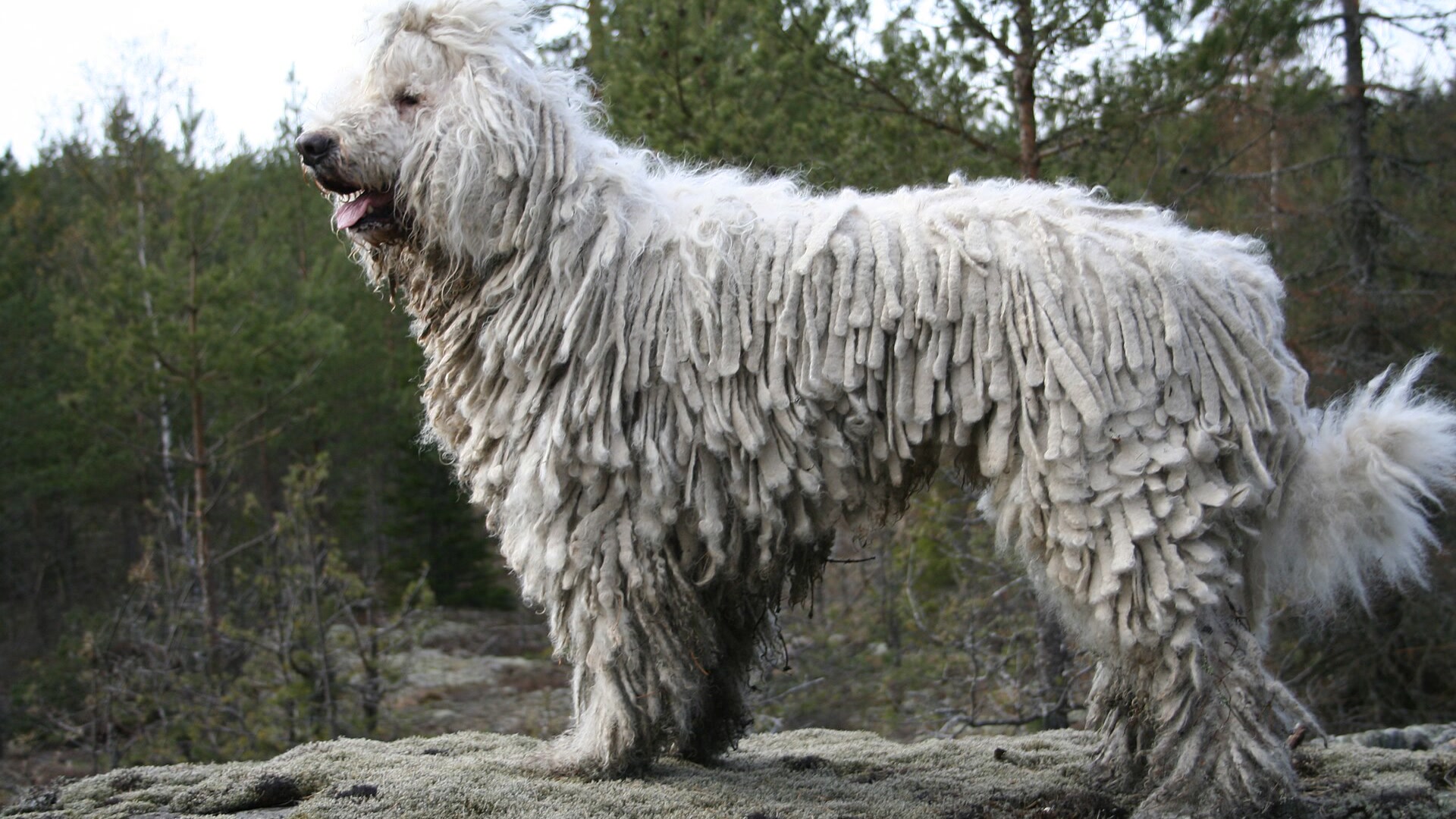
Komondor Quick Facts
| Trait | What to Expect |
|---|---|
| Size | Large to giant guardian, often about 80 to 100 pounds or more |
| Temperament | Calm, loyal, independent, territorial, protective, reserved |
| Energy level | Medium |
| Exercise needs | Daily movement, secure space, and calm structure |
| Grooming needs | Very high and unusual corded-coat care |
| Apartment friendly | No |
| Good with families | Possible only in experienced, well-managed homes |
| Common concerns | Hip dysplasia, bloat, skin issues under cords, ear problems, obesity |
| Best for | Experienced rural owners who understand livestock guardians |
| Not ideal for | First-time owners, dense neighborhoods, or people wanting easy grooming |
Komondor Fit Is a Property and Purpose Test
| Fit Factor | Score | What It Means |
|---|---|---|
| Apartment Fit | 1/5 | Space, territory, and coat care make apartment life unrealistic. |
| First-Time Owner Fit | 1/5 | Guardian instincts and coat demands are too specialized. |
| Family Fit | 2/5 | Can be loyal, but visitor and child management are serious. |
| Exercise Demand | 3/5 | Moderate movement, with secure space more important than speed. |
| Grooming Difficulty | 5/5 | Cord care, drying, and skin checks require commitment. |
| Training Difficulty | 5/5 | Independent guardian judgment needs experienced handling. |
Komondor Temperament
The Komondor is calm, watchful, and deeply serious about its territory. With its own people or livestock, it can be loyal and steady. With strangers, it may be reserved or suspicious, especially as it matures. This is not a breed designed to welcome every visitor.
Puppies need early, careful socialization so they learn what normal life looks like. The goal is not to make the dog love everyone. The goal is a controlled adult that can accept the owner’s judgment, tolerate handling, and remain manageable around routine situations.
As with other livestock guardians, independence is part of the job. A Komondor may decide for itself what needs attention. Owners must provide structure, fencing, and calm leadership before the dog becomes large and confident.
Secure Patrol Space, Not Dog-Park Time
The Komondor is not a frantic athlete, but it needs daily movement and secure space. A bored guardian may bark, patrol obsessively, dig, challenge boundaries, or become difficult around visitors.
Useful routines include:
- Controlled leash walks for exposure and exercise.
- Time in a secure fenced area.
- Calm training around gates, doors, grooming, and handling.
- Low-impact movement during puppy growth.
- Visitor routines that keep everyone safe and predictable.
Dog parks and loose public greetings are poor fits. The breed’s job is to assess and guard, not to enjoy chaotic social scenes.
Cord Formation, Washing, and All-Day Drying
The Komondor coat forms cords rather than being brushed like a normal long coat. This requires patient separation of cords, skin checks, debris removal, and very careful drying after bathing. Wet cords can take a long time to dry, and trapped moisture can lead to odor or skin problems.
Coat care includes:
- Separating cords as they form.
- Checking the skin under the coat.
- Keeping cords clean and dry.
- Managing debris picked up outdoors.
- Getting guidance from a breeder or groomer familiar with corded breeds.
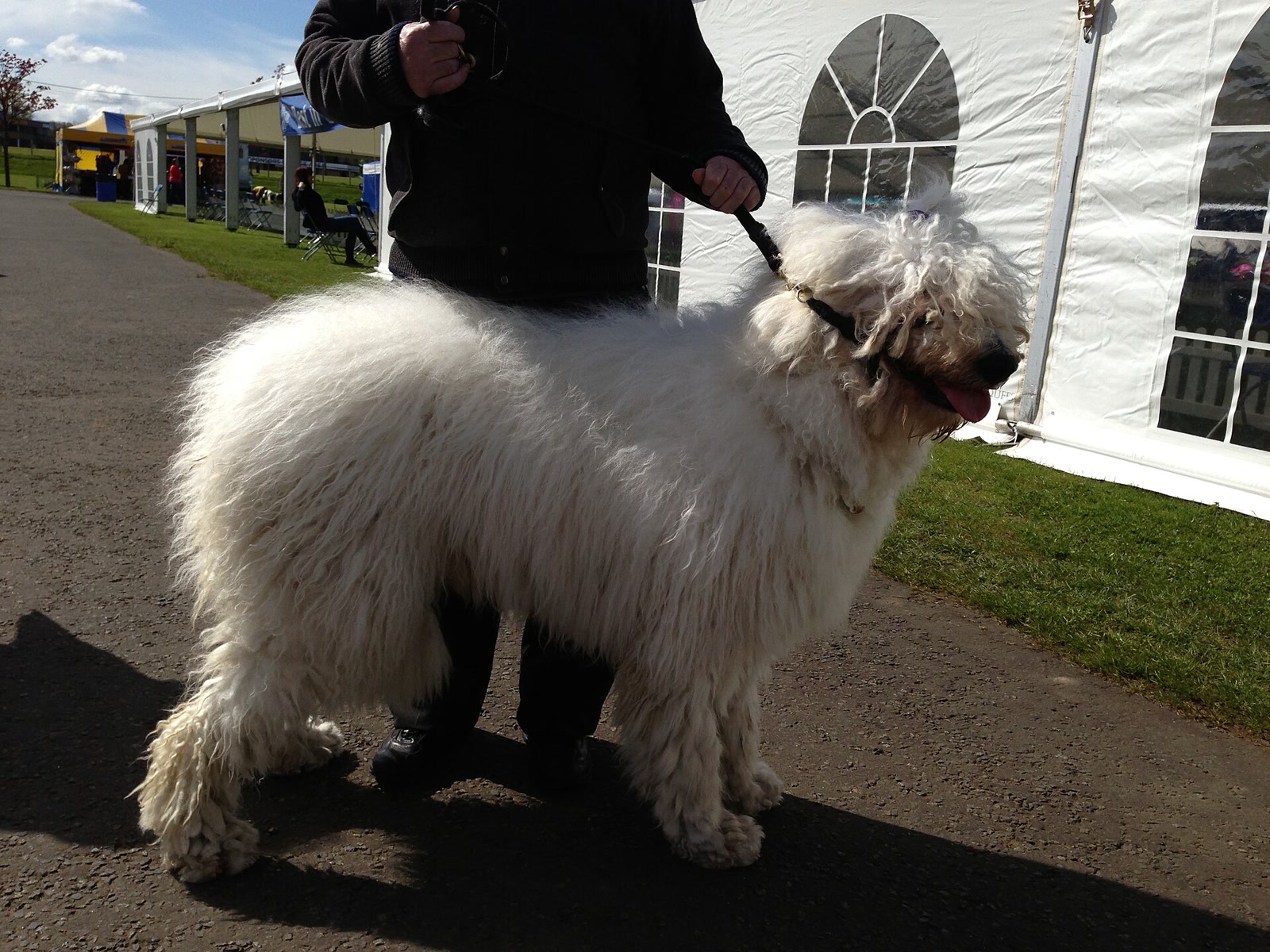
Common Komondor Health Issues
Komondors can face hip dysplasia, bloat, ear problems, skin irritation under cords, heat stress, and weight gain. Because the coat hides the body and skin, hands-on checks are essential.
Bloat is an emergency risk in large deep-chested breeds. Warning signs may include a swollen abdomen, unproductive retching, pacing, drooling, weakness, or collapse. Seek emergency veterinary care if these signs appear.
Ask a veterinarian about body condition, joint health, ear care, parasite prevention, and any odor, sores, lameness, appetite change, or sudden behavior shift.
Body Condition Hidden Under Cords
Keep a Komondor lean. Extra weight strains joints, makes heat harder to tolerate, and can hide under the coat. Use measured meals and adjust food based on body condition, age, workload, and veterinary advice.
Avoid pushing rapid puppy growth. Large guardians need steady development, not maximum size as quickly as possible.
Visitor Control and Cooperative Handling
Training a Komondor means building control, trust, and safe routines. It is not about flashy obedience. The dog should learn leash manners, gates, handling, grooming cooperation, calm visitor rules, and recall in secure areas.
Priorities include:
- Early socialization with calm exposure.
- Cooperative handling for coat and veterinary care.
- Door and gate manners.
- Visitor management before protective instincts mature.
- Professional guidance from someone who understands guardian breeds.
Harsh confrontation can damage trust and create conflict. Fair, consistent handling is safer.
Pros and Cons of Komondors
| Pros | Cons |
|---|---|
| Loyal, calm livestock guardian | Not suitable for casual ownership |
| Impressive deterrent presence | Strong territory and stranger management needs |
| Low loose shedding compared with many breeds | Corded coat is highly specialized |
| Moderate exercise needs | Bathing and drying are difficult |
| Deep bond with its own family or flock | Poor fit for apartments and dog parks |
Komondor Myths Created by the Corded Coat
No brushing means the coat is low maintenance
Cords need separation, debris removal, careful washing, and complete drying. The process can consume most of a day. Skin must be checked beneath the coat.
Early socialization turns a Komondor into an easy social pet
Socialization supports stable responses but does not erase livestock-guardian reserve and territory. Visitors, unfamiliar dogs, and boundaries still need lifelong management.
The dog cost calculator should cover fencing, gates, cord separation and drying, giant-breed food and medication, training, transport, specialist boarding, insurance, and medical savings. The dog fit score cards help confirm whether livestock purpose, guardian experience, drying space, visitors, neighbors, climate, fencing, and breed-experienced backup align with the reality of the dog.
Is a Komondor Right for You?
A Komondor may be right for you if you have secure rural property, livestock or a serious guardian purpose, and experience with independent protective breeds. You also need to accept unusual coat care as part of normal life.
It is not a good match if you want an easy family giant, a dog-park companion, or a low-maintenance white dog. Compare it with the Great Pyrenees guide, the Kangal Dog guide, and the Central Asian Shepherd Dog guide before deciding.
The Coat and the Territory Both Need Management
Before the Komondor begins treating the property as its own responsibility, establish locked gates, a visitor route, cooperative handling, and a separate secure area. Learn cord separation and drying from someone who has maintained the coat, because ordinary brushing advice does not apply.
The dramatic cords attract attention while the guardian temperament carries the real risk. Ownership requires time, secure property, experienced training help, safe visitor management, and veterinary care that can inspect skin and body condition beneath the coat.
The Two-Part Komondor Management Plan
Wet cords need space and time to dry
Bathing cannot be squeezed between errands. The coat needs thorough rinsing, water removal, airflow, and repeated checks until the cords are dry at the skin. Owners should decide where this will happen and whether a groomer with corded-coat experience is available. Damp cords can hide skin trouble and leave the dog uncomfortable long after the surface feels dry.
Visitor management needs more than one barrier
Use locked exterior gates, a secure indoor area, and a clear arrival routine. Contractors, delivery workers, and unfamiliar children should never be expected to negotiate directly with the dog. A Komondor may make rapid decisions about its territory. Physical management gives the owner time to assess the situation without depending on a last-second verbal cue.
A dramatic coat does not create a suitable purpose
The breed still carries livestock-guardian judgment even when purchased as a companion. Owners should examine local rules, insurance coverage, fencing, neighbor distance, and the amount of public handling the dog will face. A rural property with meaningful work can suit those traits. Dense social housing asks the dog and the owner to fight the breed’s normal instincts every day.
The Small Audience for a Komondor
The Komondor is a remarkable corded livestock guardian for a narrow type of owner: experienced, realistic, and prepared for both territory management and unusual coat care.
For the right rural home, it can be loyal and capable. For most ordinary homes, it is too specialized and too serious.
.jpg)

