
The Icelandic Sheepdog is Iceland’s only native breed, a compact spitz that spent centuries trotting across volcanic pastures to gather sheep and ponies. You will recognize one by the foxy face, pricked triangular ears, and a plumed tail that curls tightly over the back. Underneath that cheerful exterior is a working farm dog that thinks for itself, talks a lot, and wants to be wherever its people are.
If you are weighing this breed against other herders, the honest starting point is noise and companionship. Icelandic Sheepdogs were bred to bark at hawks circling overhead and to alert shepherds to anything unusual, so a quiet, indifferent dog is not what you get. What you get instead is a bright, affectionate partner that thrives on inclusion and struggles when left alone for long stretches.
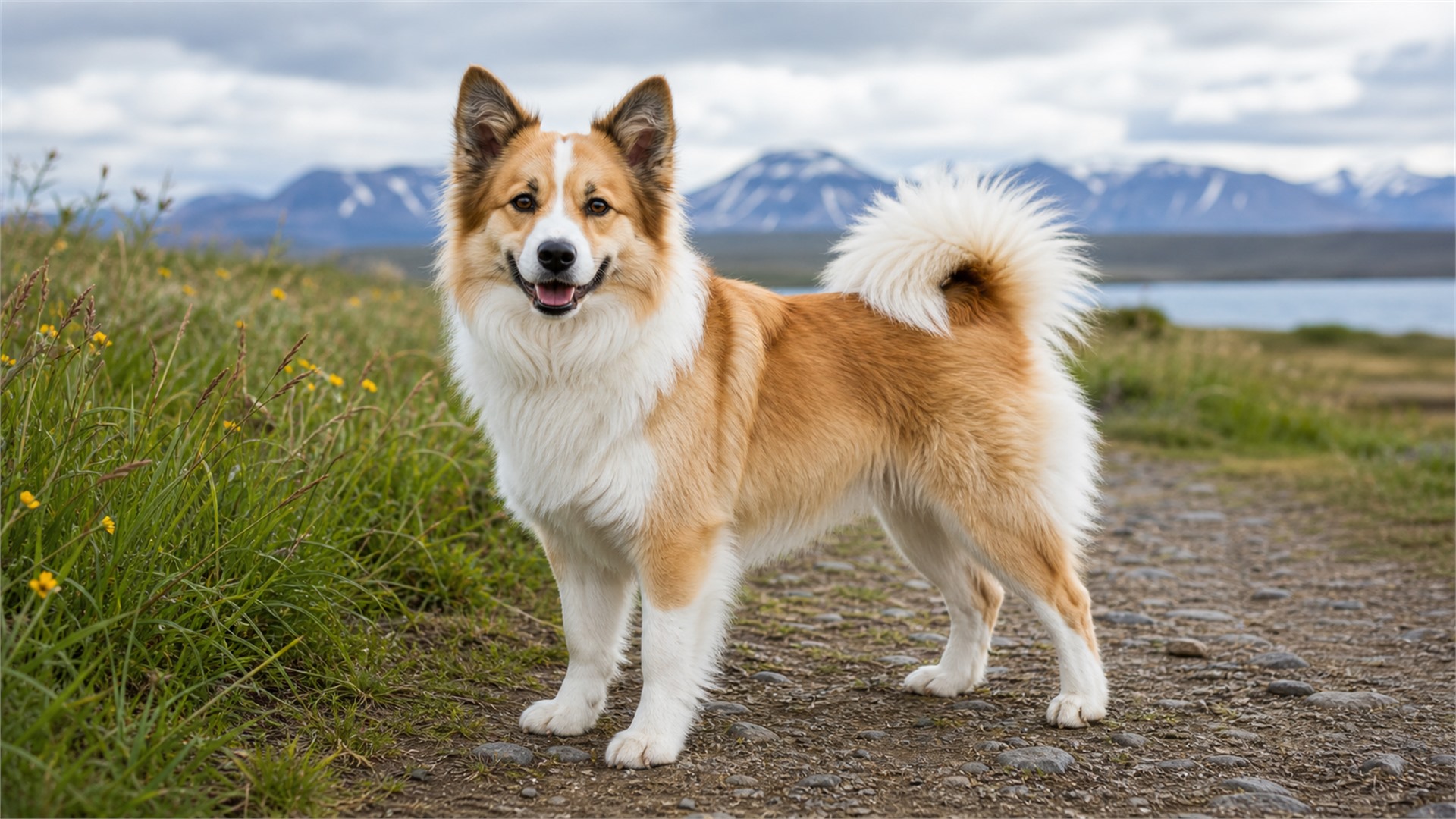
Barking, Company, and the Home Herd
| Fit Factor | Score | What It Means | |—|—|—| | Apartment Fit | 2/5 | Possible only with committed exercise, training, and careful neighbor management. | | First-Time Owner Fit | 2/5 | Challenging for new owners unless they have strong support and training plans. | | Family Fit | 3/5 | Can suit the right family when children, space, and routines are managed. | | Exercise Demand | 5/5 | High-drive breed; under-exercise can quickly create behavior problems. | | Grooming Difficulty | 3/5 | Moderate grooming or shedding; plan for regular brushing and basic upkeep. | | Training Difficulty | 4/5 | Can be stubborn, intense, or independent; structure matters. |
Icelandic Sheepdog Quick Facts
| Trait | What to Expect |
|---|---|
| Size | Small to medium; roughly 25 to 46 pounds, 16.5 to 18 inches tall |
| Temperament | cheerful, talkative, affectionate, alert, and quick to bond |
| Energy level | Moderate to high |
| Exercise needs | one to two hours daily of walks, play, and herding-style games |
| Grooming needs | weekly brushing of a thick double coat, with heavy seasonal sheds |
| Apartment friendly | Workable for dedicated owners, but the barking habit must be trained early |
| Good with families | Excellent; genuinely fond of children and other dogs |
| Common concerns | hip dysplasia, patellar luxation, cataracts, and a strong tendency to bark |
| Best for | active households wanting a small, friendly, biddable Nordic dog |
| Not ideal for | people who want silence or who are away from home most of the day |
Icelandic Sheepdog Temperament
This is one of the warmest, most outgoing spitz breeds you will meet. Where many Nordic dogs are aloof with strangers, the Icelandic Sheepdog tends to greet new faces with a wagging tail and an open, friendly attitude. That sociability makes them poor guard dogs but wonderful companions for households that enjoy a dog underfoot.
Their herding heritage shows up in subtle ways: a tendency to circle, to watch the family closely, and to “report” the doorbell, the mail carrier, and the squirrel on the fence with enthusiastic vocalizing. None of this is aggression. It is a busy mind doing the job it was bred for. Channel that drive into games and training and you have a delightful dog. Ignore it and the barking and pestering can wear on a household.
They form fast, deep attachments and dislike being shut away from the action. A Sheepdog that is part of daily life, riding along on errands and curling up at your feet, is a settled and happy dog.
How an Icelandic Sheepdog Uses Its Energy
Plan on a solid hour or more of varied activity each day. A brisk walk covers the basics, but this breed truly lights up with games that mimic herding and gathering: fetch with direction changes, recall games across a yard, flyball, agility, or rally obedience. Their agility and quick feet make them natural athletes for a small dog.
A workable daily rhythm might look like:
- A morning walk with plenty of sniffing time.
- A short training or trick session to engage the mind.
- An afternoon game of fetch or a romp with a canine friend.
- Free play in a securely fenced yard, since their interest in birds and small animals can pull them off course.
Adjust for weather, age, and fitness. These dogs handle cold beautifully thanks to their Icelandic origins, but they can overheat in summer humidity, so save vigorous play for cooler parts of the day. Puppies and seniors need gentler, shorter sessions to protect developing or aging joints.
Coat Care in an Icelandic Sheepdog Home
The Icelandic Sheepdog wears a thick, weatherproof double coat that comes in both a longer and a shorter variety. Day to day, grooming is refreshingly simple: a thorough brushing once or twice a week keeps the coat clean and tangle-free. The coat is naturally somewhat dirt-shedding, so they rarely need frequent baths.
Twice a year, usually spring and fall, that easy routine changes dramatically. The dense undercoat blows out in clumps, and you will want to brush several times a week to keep up with the loose hair. An undercoat rake makes this seasonal shed manageable.
Round out grooming with these checks:
- Inspect the ears for wax or odor, since the upright ears stay fairly clean but still deserve attention.
- Trim nails every few weeks; active dogs on soft ground wear them down slowly.
- Brush teeth regularly to prevent tartar.
- Check between the toes and pads after countryside walks.
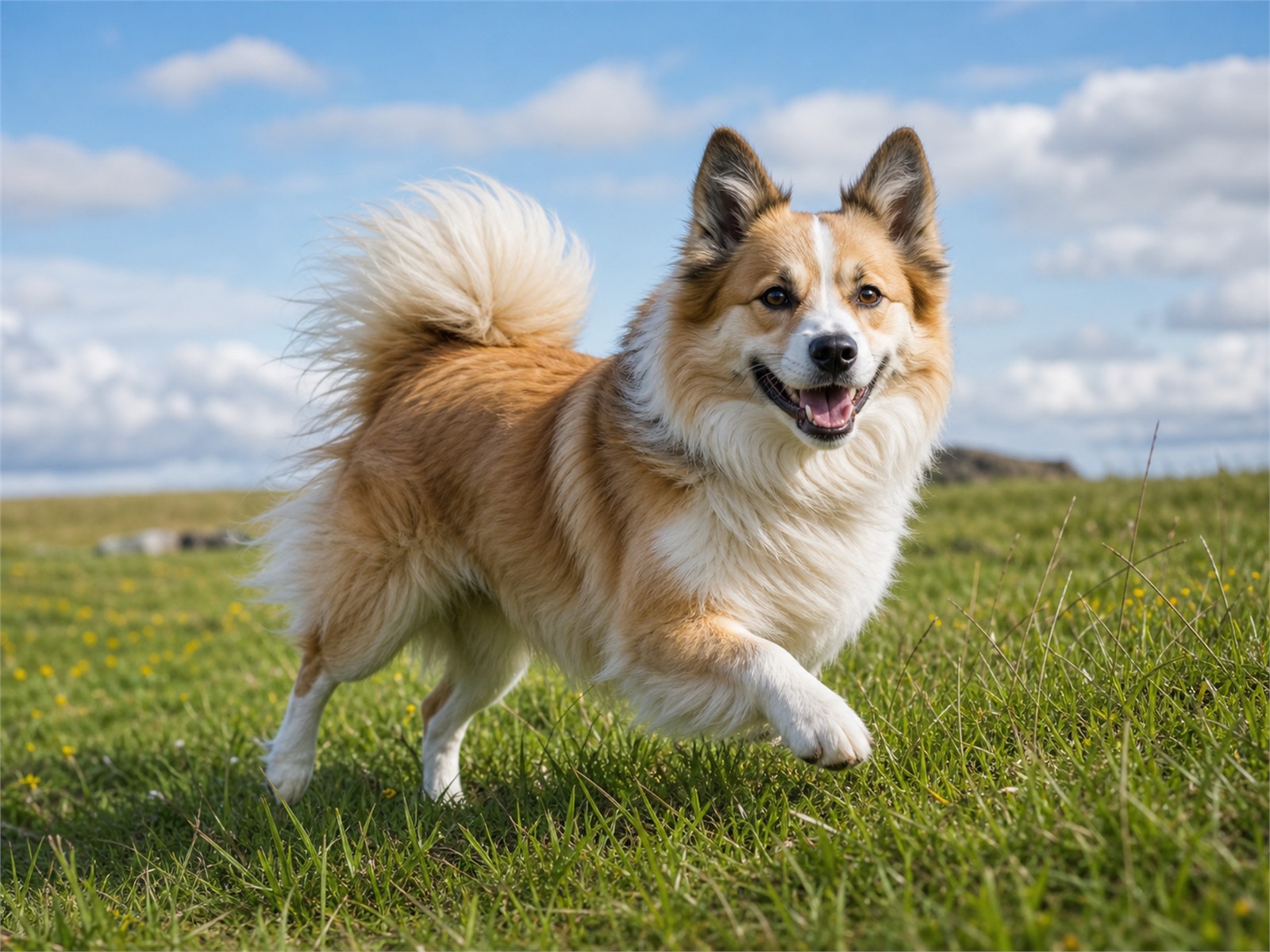
Common Icelandic Sheepdog Health Issues
The Icelandic Sheepdog is generally a hardy, long-lived breed, often reaching twelve to fourteen years, thanks in part to a small but carefully managed gene pool. Still, responsible buyers should ask about a handful of conditions that appear in the breed: hip dysplasia, patellar luxation (slipping kneecaps), and several eye concerns including cataracts and distichiasis, an eyelash abnormality that can irritate the eye.
Good breeders screen breeding stock for hips, knees, and eyes, and they can show you the results. Because the worldwide population is small, conscientious breeders also pay close attention to genetic diversity. When you visit, ask to meet the parents, discuss the line’s longevity, and review health clearances directly.
This section is meant to inform, not to replace a veterinarian’s judgment. If your dog shows persistent limping, cloudy eyes, repeated squinting, sudden lethargy, or any abrupt change in behavior, book a veterinary exam rather than waiting it out.
Meals and Body Condition for an Icelandic Sheepdog
A lean Icelandic Sheepdog moves better, ages better, and protects its hips and knees from extra strain. Because they are small and that profuse coat hides the waistline, it is easy to let weight creep up without noticing. Run your hands along the ribs regularly: you should feel them easily under a thin layer of cover.
Practical feeding pointers for this breed:
- Feed a quality diet portioned to a small, active dog rather than free-feeding from a full bowl.
- Split the daily amount into two meals to keep energy steady.
- Factor training treats into the day’s total, since a food-motivated dog will happily overeat.
- Use puzzle feeders or scatter-feeding to slow fast eaters and add mental work.
- Reassess portions seasonally, as appetite and activity shift between the warm and cold months.
Teaching a Icelandic Sheepdog Useful Habits
Icelandic Sheepdogs are intelligent, eager to please, and genuinely enjoy working with their handlers, which makes them a pleasure to train. They respond best to upbeat, reward-based methods. Harsh corrections tend to backfire with this sensitive, soft-hearted breed and can dampen the very enthusiasm that makes them fun.
Helpful approaches for this breed:
- Start a quiet cue early; teaching “enough” or “quiet” while rewarding silence is far easier than trying to undo years of habitual barking.
- Keep sessions short, varied, and playful to suit their busy minds.
- Build a rock-solid recall, since their interest in birds and movement can override good intentions.
- Socialize widely as a puppy so their natural friendliness extends to all sorts of people, dogs, and settings.
- Give them a job, whether that is a trick repertoire, a dog sport, or structured chores.
Some individuals are more independent than others, a leftover from generations of working at a distance from the shepherd. If progress stalls, raise the value of your rewards or shorten the session before frustration sets in.
Pros and Cons of Icelandic Sheepdogs
| Pros | Cons |
|---|---|
| Exceptionally friendly with people, kids, and other dogs | Vocal nature requires early, consistent management |
| Small, sturdy, and adaptable to many living situations | Heavy seasonal shedding from the double coat |
| Bright and trainable, eager partner for dog sports | Dislikes being left alone for long periods |
| Cheerful, sunny disposition that fits family life | Herding drive means chasing and circling without an outlet |
| Generally healthy with good longevity | Rare breed, so finding a reputable puppy can take patience |
Icelandic Sheepdog Owners Hear the Herding Job Indoors
An Icelandic Sheepdog may greet people warmly and announce every arrival before they reach the door. Owners also manage seasonal coat, herding interest, and a strong preference for being involved. The breed’s cheerful rarity can distract from ordinary work: training quiet, preventing chasing, and building comfort with short periods alone.
Icelandic Sheepdog Advice by Home and Experience
An apartment depends on sound and schedule
The size can fit, but frequent barking and long absence may not. Plan active walks, training, and a quiet station away from hall traffic. Coat blow also needs a brushing and cleanup area.
A yard can turn movement into a job
Birds, children, and fence traffic may trigger chasing and vocalizing. Supervise access, practice recall, and continue outings beyond the property. Secure fencing matters even for a dog that stays socially close.
A beginner should train quiet before complaints
Reward check-ins and calm recovery from the start. Introduce grooming, alone time, and controlled livestock or pet boundaries. Friendliness makes teaching pleasant but does not teach itself.
Experienced herding homes should preserve the social dog
Use rally, scent, agility foundations, or herding where appropriate, then build rest. Avoid turning alertness into constant patrol. The dog should work with the family and also ignore ordinary motion.
Icelandic Sheepdog Myths That Understate the Voice
A friendly Nordic dog is automatically quiet and easy
Sociability and vocal alerting can exist together. Training and environment decide whether the voice remains manageable, especially near shared walls.
A small yard meets a herding dog’s needs
Property access offers convenience, not varied work. The breed benefits from shared walking, problem-solving, training, and social contact beyond the fence.
For a practical planning check, use the dog cost calculator to include training, walkers or daycare, coat tools, secure fencing, activities, boarding, and health savings. The dog fit score cards can help you compare shared walls, time alone, household motion, grooming, exercise, and interest in teaching both activity and quiet.
Is an Icelandic Sheepdog Right for You?
This breed shines in an active home that wants a small, affectionate dog to fully include in daily life. If you enjoy training, walks, and a companion with opinions, and you are not put off by a chatty dog or a twice-yearly coat blow, an Icelandic Sheepdog can be a joyful addition. They suit families with children, fellow dogs, and owners who appreciate a herder’s watchful, helpful nature.
They are a tougher match if your household prizes quiet or if the dog would be home alone for long workdays. The barking and the need for companionship are core to the breed, not flaws to be trained entirely away.
For comparison, read the Finnish Spitz guide, the fluffier Samoyed guide, or the similarly bright Shetland Sheepdog guide. Lining up close breeds side by side reveals how much they differ in barking, grooming load, and independence.
The Icelandic Sheepdog Decision
The Icelandic Sheepdog is a rare gem: a small, hardy, genuinely cheerful herder that wants nothing more than to share your life. For an active owner who values a trainable, affectionate companion and can live with a vocal dog and a seasonal flurry of fur, few breeds offer this much personality in such a manageable package.
If long alone-time, a quiet household, or low tolerance for shedding describe your situation, keep looking until you find a dog whose natural temperament fits the life you can actually offer.