
A Keeshond can be an excellent companion for a home that wants a sociable, involved dog and does not expect a quiet, wash-and-go pet. This is a watchdog-shaped spitz with a dense coat and an interest in household activity. The affectionate reputation is deserved, but the owner still needs a plan for alert barking, brushing, warm weather, and time spent with people.
The honest trade-off is coat and noise. A Keeshond is not a silent decorative fluff ball. It sheds, alerts, watches windows, and needs regular brushing. For owners who enjoy a social, medium-sized companion and can manage the coat, the breed can be warm, funny, and deeply rewarding.
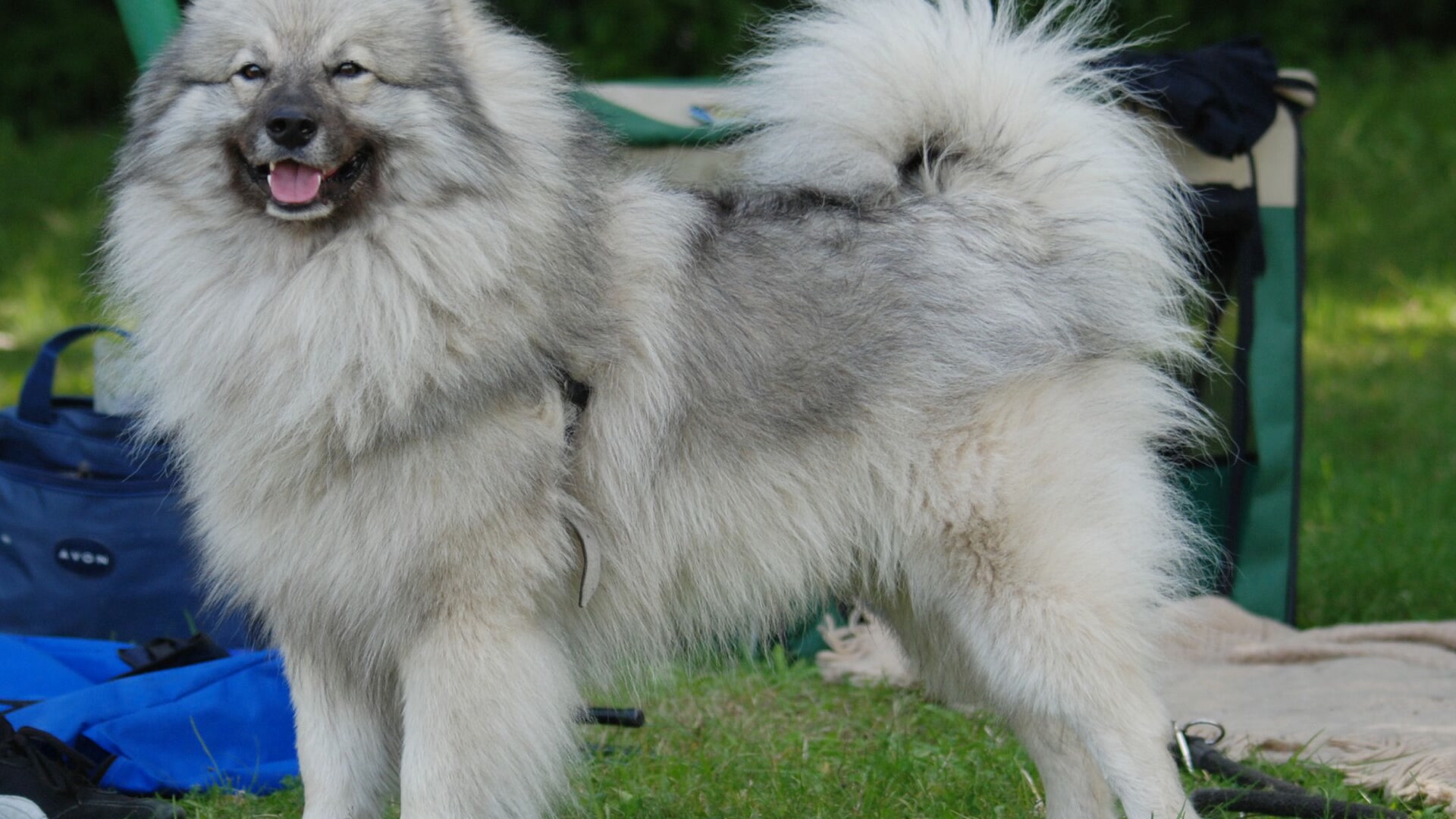
Keeshond Quick Facts
| Trait | What to Expect |
|---|---|
| Size | Medium spitz, often about 35 to 45 pounds |
| Temperament | Friendly, alert, affectionate, bright, social, vocal |
| Energy level | Medium |
| Exercise needs | Daily walks, play, training, and family interaction |
| Grooming needs | High brushing needs for a thick double coat |
| Apartment friendly | Possible if barking and exercise are managed |
| Good with families | Often yes, with respectful children and supervision |
| Common concerns | Hip dysplasia, patellar luxation, eye concerns, thyroid issues, weight gain |
| Best for | Owners wanting a social companion with spitz personality |
| Not ideal for | People wanting low shedding, low grooming, or a silent dog |
Keeshond Fit Depends on Company and Noise
| Fit Factor | Score | What It Means |
|---|---|---|
| Apartment Fit | 3/5 | Possible with bark control, walks, and brushing space. |
| First-Time Owner Fit | 4/5 | Often forgiving, but grooming and barking must be handled. |
| Family Fit | 4/5 | Usually warm and people-oriented in the right home. |
| Exercise Demand | 3/5 | Needs daily activity without being extreme. |
| Grooming Difficulty | 4/5 | The coat is beautiful but not low maintenance. |
| Training Difficulty | 2/5 | Smart and responsive, though alert barking needs consistency. |
Keeshond Temperament
Keeshonden are known for being people-focused and expressive. Many like to stay near their family, supervise household activity, and announce visitors. They are usually more socially open than many primitive spitz breeds, which makes them easier for some families than a more independent northern dog.
That friendliness should not be mistaken for dullness. The Keeshond is alert, quick to learn, and often quick to bark. It may notice delivery trucks, neighbors, animals outside, and changes in routine. Good owners teach a quiet cue, reward calm watching, and avoid letting window barking become the dog’s main job.
Most Keeshonden do best when included. They are not usually happy as ignored yard dogs. A bored or lonely Keeshond may bark, dig, gain weight, or become clingy.
Moderate Exercise With Plenty of Social Time
The Keeshond has moderate exercise needs. Most adults do well with daily walks, play, training games, and time with the family. They do not need the workload of a Malinois or Border Collie, but they still need more than a quick potty break.
Good outlets include:
- One or two brisk walks each day.
- Short reward-based training sessions.
- Puzzle feeding or scent games indoors.
- Play in a secure yard.
- Calm social outings where the dog can practice polite manners.
In hot weather, be careful. The thick coat insulates the dog but does not make heat harmless. Exercise during cooler hours and watch for panting, slowing, or distress.
Line-Brushing the Plush Double Coat
The Keeshond coat is the largest daily commitment. It has a dense undercoat and longer outer coat that need regular brushing to prevent tangles and control loose fur. Many owners brush several times a week, with heavier work during seasonal shedding.
Do not shave the coat as a casual shortcut. It can affect insulation and regrowth. Instead, use proper brushing tools, keep mats from forming, and ask a groomer familiar with double-coated spitz breeds if you need help.
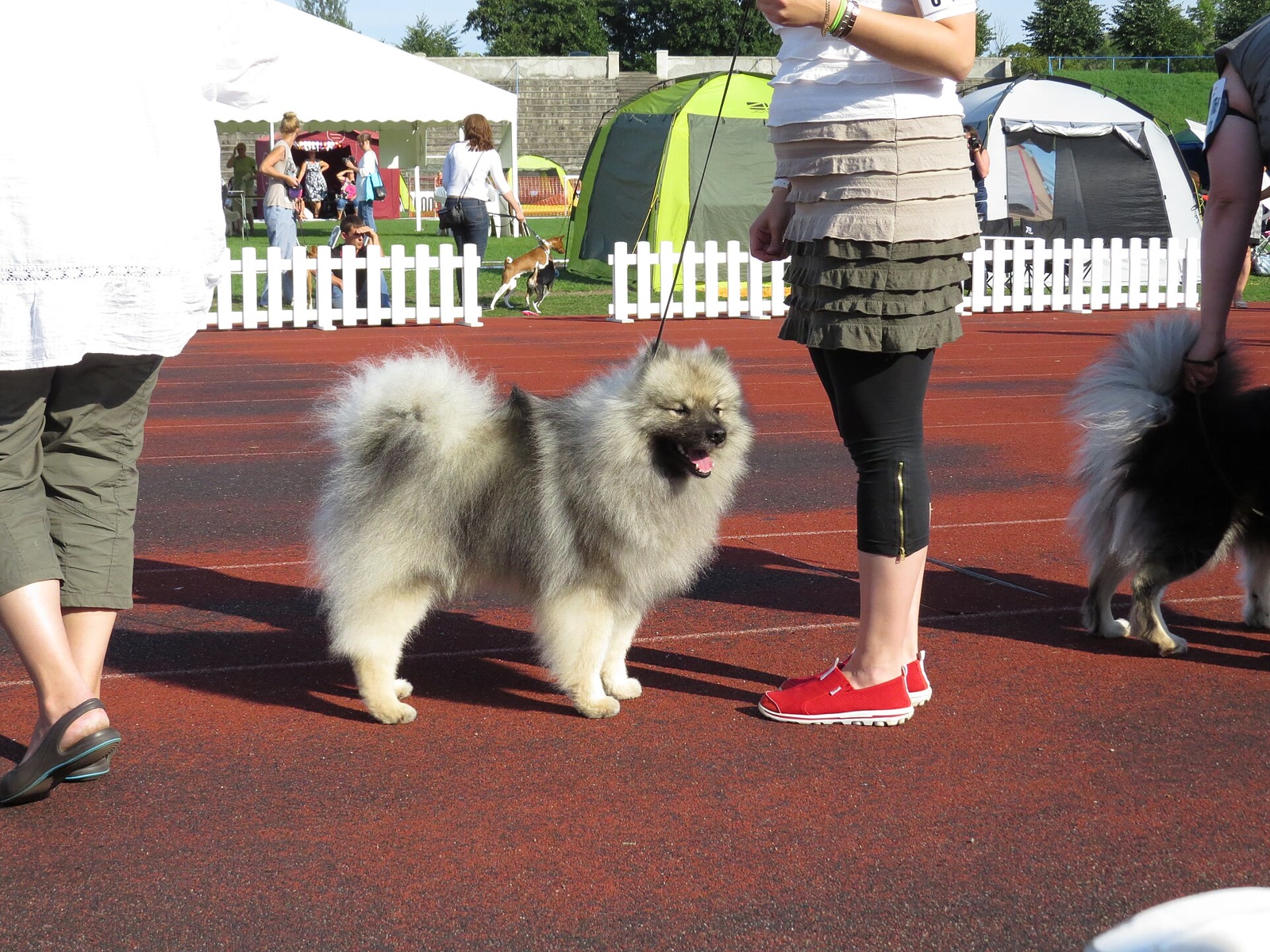
Common Keeshond Health Issues
Keeshonden can face hip dysplasia, patellar luxation, eye conditions, thyroid concerns, epilepsy in some lines, and weight gain. Responsible breeders should be willing to discuss health screening and family history.
Because the coat hides body shape, owners may not notice weight gain right away. Run your hands along the ribs regularly and ask a veterinarian to help assess body condition. If your dog limps, squints, has seizures, changes appetite, or seems unusually tired, seek veterinary advice.
Watching Weight Under a Dense Coat
A Keeshond can gain weight if food, treats, and exercise are not managed. Use measured meals and avoid free-feeding if the dog becomes soft. Training treats should be small and counted, especially because this breed often enjoys food rewards.
Keep the dog lean enough that you can feel the ribs under the coat. Healthy weight helps protect knees, hips, stamina, and comfort.
Reward Quiet Behavior Before Barking Becomes Habit
Keeshonden usually respond well to friendly, reward-based training. They like attention and often enjoy learning tricks, manners, and household routines. Harsh handling can make them worried or noisy, while inconsistent rules can turn barking into a habit.
Focus on:
- Calm greeting behavior.
- A practical quiet cue.
- Loose-leash walking.
- Cooperative grooming practice.
- Short daily training games to keep the brain busy.
The breed is smart enough to learn quickly, but the family must be consistent.
Pros and Cons of Keeshonden
| Pros | Cons |
|---|---|
| Friendly, affectionate family companion | Heavy coat care and seasonal shedding |
| Smart and usually responsive to training | Barking can become a problem |
| Medium size is manageable for many homes | Not ideal for people wanting low grooming |
| Often good with respectful children | Can become clingy or noisy if ignored |
| Cheerful spitz personality without extreme drive | Heat and weight need attention |
Keeshond Myths Hidden in the Plush Coat
Shaving a Keeshond solves heat and shedding
Shaving can alter coat regrowth and does not replace cooling or undercoat removal. Use brushing, shade, indoor cooling, and qualified grooming advice.
A companion spitz needs little exercise
Most need daily walks, play, and training even without extreme endurance. Underoccupied dogs may bark and monitor more, not simply become calmer.
Use the dog cost calculator to price the ordinary Keeshond workload: grooming tools or professional help, cooling, quiet-behavior training, walkers or sitting, dental care, boarding, and medical savings. The dog fit score cards are most revealing for shared walls, warm climate, time alone, coat tolerance, visitor noise, and a real desire for a social medium-sized dog.
Is a Keeshond Right for You?
A Keeshond may be right for you if you want a social, fluffy, medium-sized companion and can commit to brushing, barking rules, and daily interaction. It can suit many family homes that want a dog involved in ordinary life.
It is not the best match if you dislike fur, need a very quiet dog, or want a low-maintenance coat. Compare it with the Samoyed guide, the Finnish Spitz guide, and the Icelandic Sheepdog guide to see how spitz breeds differ in barking, grooming, and independence.
Friendly Does Not Mean Effortless
Use the first weeks to establish line-brushing, short periods behind a closed door, quiet responses to hallway noise, and four-paws-down greetings. Keeshonden often charm people into rewarding excitement before the household has agreed on its rules.
The plush coat and friendly face make the practical workload easy to underestimate. Price grooming tools and professional help before mats appear. When the dog alerts to a sound, cue a specific alternative such as moving away from the window or settling on a mat; repeated scolding supplies noise without a plan.
Where Keeshond Ownership Gets Difficult
Long absences can undo an otherwise easy fit
Keeshonden were developed as close companions and watchdogs around people. A dog that spends every workday alone may bark, pace, or become distressed even when its exercise needs look moderate on paper. Build departures gradually and arrange a midday break when needed. An adult with a known history may fit a busy household better than a young puppy.
Alert barking needs a household response
Reward the dog for checking in after a sound, move resting places away from the busiest window, and give neighbors a way to report a problem early. Shouting across the room often adds more noise. A predictable cue followed by a simple task, such as going to a mat, gives the dog something it can repeat when the hallway comes alive.
The coat affects summer and cleaning
The plush double coat traps loose undercoat, collects debris, and needs thorough brushing down to the skin. Owners should learn the correct tools before mats build behind the ears and legs. During hot weather, schedule walks in cooler hours and provide an air-conditioned rest area. Shaving the coat is not a substitute for heat management or skilled grooming advice.
A Good Keeshond Home
The Keeshond is a bright, affectionate Dutch spitz for owners who want a real companion and can handle fur, brushing, and alert barking. It is friendly, funny, and deeply people-oriented.
Choose this breed if you want a social dog with personality and are ready for the coat. Skip it if low shedding and silence are major priorities.


