
The Belgian Malinois is not difficult because it needs one spectacular workout. It is difficult because the household has to manage drive, movement, training, rest, visitors, and backup care with unusual consistency. A dog bred to learn fast can learn excellent habits or rehearse chaotic ones with equal speed, so a prospective owner needs a schedule before the dog arrives.
That same intensity is why the breed is a poor casual pet for most households. A Malinois that has no job, no structure, and no outlet can become loud, mouthy, reactive, destructive, or impossible to relax around. This guide looks at the breed honestly: brilliant, loyal, athletic, and rewarding for the right owner, but demanding every single day.
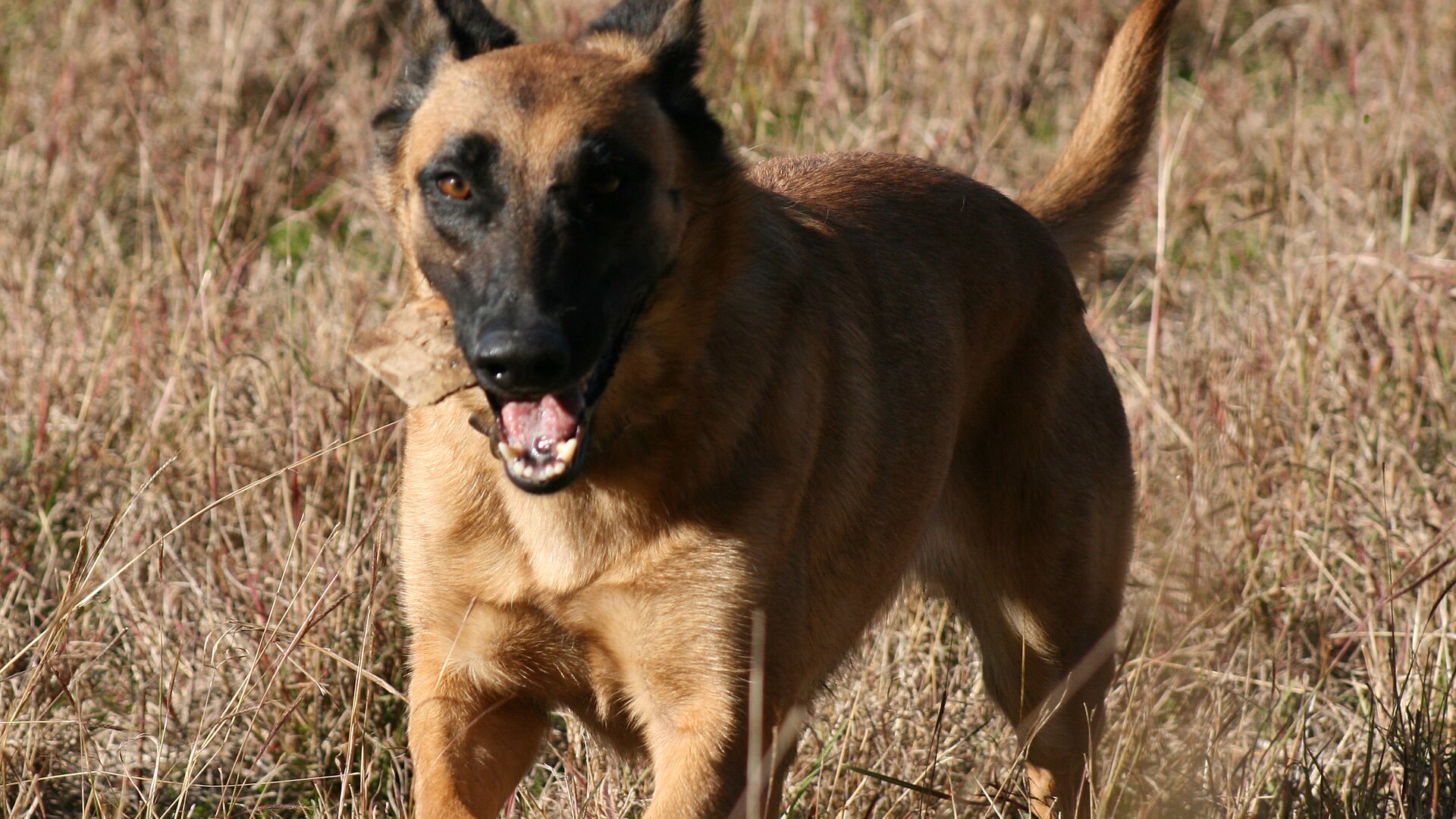
Belgian Malinois Quick Facts
| Trait | What to Expect |
|---|---|
| Size | Medium-large working shepherd, often about 40 to 80 pounds |
| Temperament | Intense, alert, loyal, driven, sensitive, highly trainable |
| Energy level | Very high |
| Exercise needs | Daily training, running, problem-solving, and structured work |
| Grooming needs | Low short-coat care with seasonal shedding |
| Apartment friendly | Rarely, unless the owner has expert routine and outlets |
| Good with families | Possible in skilled homes with rules and supervision |
| Common concerns | Hip and elbow dysplasia, eye concerns, anxiety, injuries, overarousal |
| Best for | Experienced handlers who want a real working dog |
| Not ideal for | Casual owners, low-activity homes, or people wanting easy obedience without work |
Malinois Fit Depends on the Handler’s Calendar
| Fit Factor | Score | What It Means |
|---|---|---|
| Apartment Fit | 1/5 | Usually too intense and movement-hungry for dense living. |
| First-Time Owner Fit | 1/5 | Drive, speed, and sensitivity make mistakes expensive. |
| Family Fit | 3/5 | Can work in structured active homes, but management matters. |
| Exercise Demand | 5/5 | Needs hard daily outlets for body and brain. |
| Grooming Difficulty | 1/5 | Short coat is simple compared with the training load. |
| Training Difficulty | 5/5 | Learns fast, including things the owner did not mean to teach. |
Belgian Malinois Temperament
The Malinois is not simply a German Shepherd with a shorter coat. It is often faster, sharper, lighter on its feet, and more relentless in work. Many are deeply bonded to one or two people and want to be involved in every movement, every door, every toy, and every task.
This can feel thrilling to an experienced handler. The dog notices everything, responds quickly, and has a powerful desire to engage. In an unprepared home, the same traits become constant pressure. The dog may chase movement, grab sleeves, bark at triggers, pace, jump, or create its own work if the owner does not provide any.
The best Malinois temperament is clear-headed and controllable, not frantic. Good breeding, early socialization, sleep routines, impulse-control training, and appropriate outlets all matter. A nervous, poorly bred, or under-managed Malinois can become a serious behavior project.
Training Volume Matters More Than Step Count
A Belgian Malinois needs more than a long walk. Most adults need vigorous daily activity combined with structured training. The exact routine depends on the dog, but a realistic home usually includes obedience work, tug rules, scent games, running, hiking, sport foundations, tracking, agility-style exercises, or another purposeful job.
Useful outlets include:
- Reward-based obedience with clear criteria and calm release cues.
- Tug, fetch, or flirt-pole work with rules around start, stop, and possession.
- Scent work, tracking, detection games, or search tasks.
- Running, hiking, or conditioning after growth plates are mature.
- Settle training so the dog learns to turn off after work.
Do not confuse exhaustion with training. A tired Malinois without impulse control may simply become a fitter problem. The goal is a dog that can work hard, recover, and relax.
Easy Coat, Demanding Daily Schedule
The Belgian Malinois has a short, practical double coat. Routine grooming is easy: weekly brushing, nail trimming, tooth brushing, and ear checks are enough for many dogs. Seasonal shedding can be heavier, especially when the undercoat loosens.
The coat is not the expensive part of Malinois ownership. The real cost is time, training, equipment, enrichment, secure management, and sometimes professional help from trainers who understand high-drive working dogs.
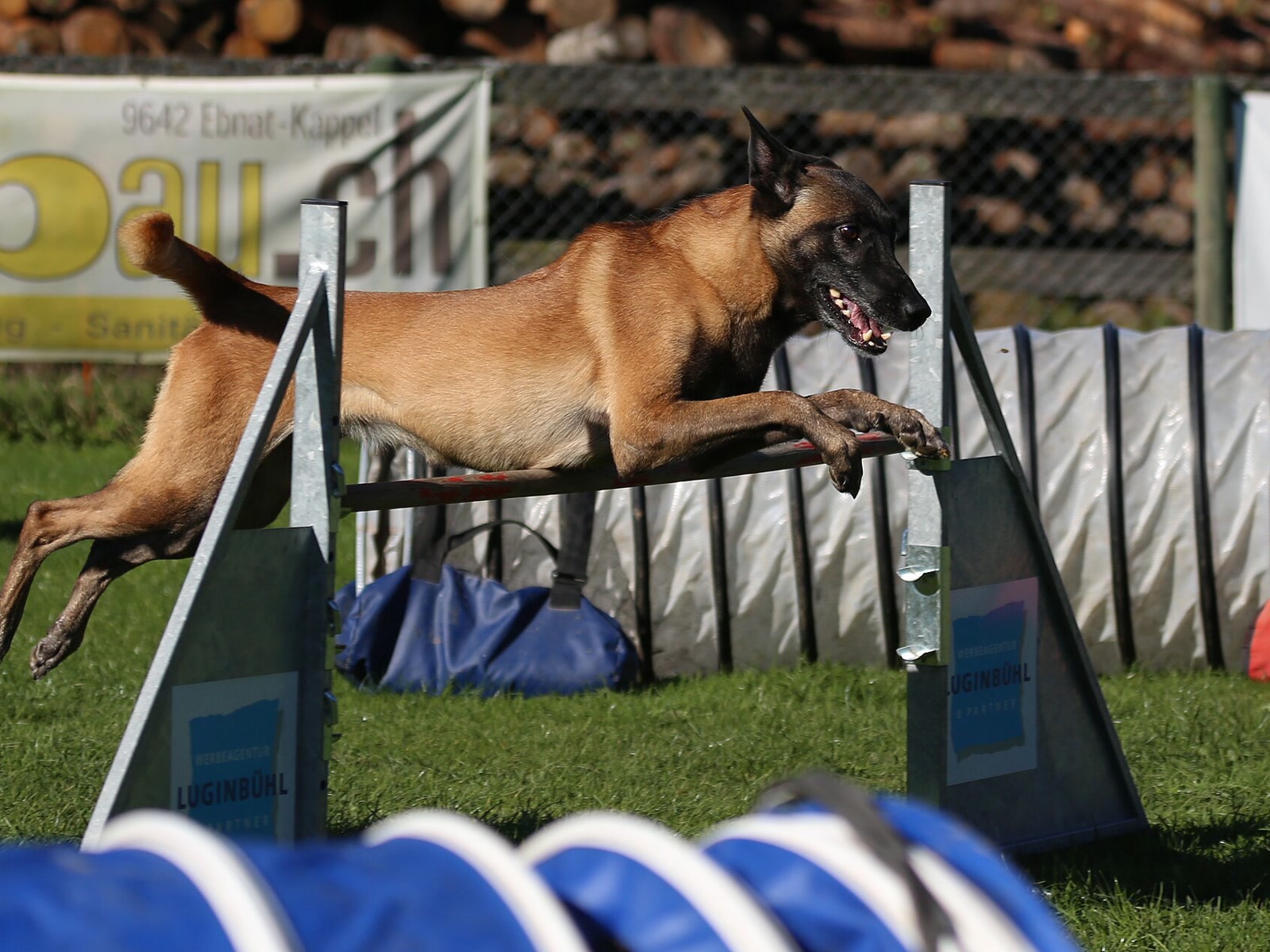
Common Belgian Malinois Health Issues
Belgian Malinois can face hip and elbow dysplasia, eye concerns, epilepsy in some lines, dental injuries, torn nails, paw injuries, and sports-related strains. Because many dogs work hard, owners should pay attention to conditioning, warmups, recovery, and subtle lameness.
Behavioral health matters too. Chronic under-stimulation, poor sleep, harsh handling, and chaotic routines can create anxiety, reactivity, or compulsive behaviors. If a Malinois suddenly changes behavior, seems painful, limps, loses appetite, or shows neurological signs, consult a veterinarian promptly.
Responsible breeders should be willing to discuss temperament, working ability, health screening, and whether their dogs fit ordinary homes. Not every Malinois line is bred for the same type of owner.
Fueling Work Without Masking Stress
A Malinois should look athletic and lean. Extra weight increases stress on joints and reduces efficient movement. Use measured meals, adjust calories to workload, and count training rewards as part of the daily intake.
High-drive dogs may burn more energy during heavy training seasons, but overfeeding still creates risk. Ask a veterinarian about ideal body condition, especially for puppies, sport dogs, or dogs doing intense work.
Precision, Recovery, and an Off Switch
Training a Malinois is not about proving control through force. This breed is fast, sensitive, and often intensely motivated by toys, food, movement, and handler engagement. Clear reward-based training with consistent rules usually produces better control than intimidation.
Priorities include:
- Teaching calm crate time and off-switch behavior from the start.
- Building loose-leash walking before strength and speed increase.
- Controlling tug, fetch, jumping, and mouthing.
- Socializing for neutrality, not chaotic greetings.
- Getting professional help early if reactivity, biting, or anxiety appears.
The breed rewards skill. It also exposes every inconsistency in the home.
Pros and Cons of Belgian Malinois
| Pros | Cons |
|---|---|
| Extremely trainable and responsive | Too intense for most casual homes |
| Athletic, loyal, and eager to work | Needs daily structure and skilled handling |
| Low coat maintenance | Can become destructive or reactive without outlets |
| Excellent for sport and working roles | Mouthiness and movement chasing must be managed |
| Deep bond with the handler | Poor fit for owners wanting a low-effort companion |
Malinois Myths That Produce Over-Aroused Pets
Enough exercise makes a Malinois easy at home
Exercise does not teach impulse control, emotional recovery, or safe handling. Endless intensity can create a fitter dog with the same conflict. Rest is a trained skill.
Police use proves the breed is naturally obedient and protective
Working dogs are selected, trained, handled, and managed extensively. A household puppy does not arrive with finished control, sound judgment, or a safe protection role.
For a Malinois, use the dog cost calculator to budget for advanced coaching, sport or work access, durable equipment, secure containment, specialized boarding, emergency backup care, and medical savings. The dog fit score cards make the calendar visible: handling experience, daily training hours, apartment encounters, other pets, visitors, and the willingness to teach recovery as deliberately as excitement.
Is a Belgian Malinois Right for You?
A Belgian Malinois may be right for you if you already enjoy training, want a serious working partner, and can provide daily structure for years. The best homes are active, consistent, and realistic about drive.
It is usually the wrong choice if you mainly like the look, want protection without professional guidance, or hope a smart dog will train itself. Compare this breed with the German Shepherd guide, the Border Collie guide, and the Doberman Pinscher guide before deciding.
The Dog Needs a Job Before It Finds One
Build the early Malinois routine around sleep, handling, leash skills, toy rules, and short training sessions. End activities deliberately and reward the transition back to rest. Constant stimulation creates a dog that expects every movement in the house to start another event.
An ordinary active-pet schedule often leaves a Malinois undertrained and over-aroused at the same time. The budget needs room for skilled coaching, safe equipment, purposeful work, and many hours of handler attention. Drive becomes manageable through structure and recovery, not by trying to exhaust the dog every day.
A Weekday Schedule for a Belgian Malinois
Morning exercise is only the opening task
A run can take the physical edge off, but it does not teach judgment. A workable morning also includes a few minutes of obedience, controlled play, and a calm transition back indoors. The dog then needs a secure place to rest rather than unlimited access to windows, fences, or household items that keep arousal high.
Mouthy adolescence needs skilled handling
Young Malinois often grab sleeves, leashes, hands, or moving objects when excited. Owners need clear toy rules, reinforcement for releasing, and safe outlets directed by someone who understands working-dog play. Children should not become the dog’s chase game. Escalating bites, guarding, or inability to disengage calls for qualified professional help.
Backup care is part of ownership
An ordinary pet sitter may not be comfortable handling a powerful, fast dog with intense routines. Identify trained backup care before travel, illness, or a family emergency. Boarding facilities should understand the dog’s handling cues and dog-to-dog limits. The owner also needs a lower-impact plan for days when weather or injury rules out hard exercise.
The Handler a Malinois Requires
The Belgian Malinois is one of the most impressive working dogs in the world, but it is not a shortcut to loyalty, protection, or obedience. It needs a skilled owner, a real routine, and a job for its body and mind.
Choose this breed only if you want the work that comes with it. For the right handler, the Malinois is extraordinary. For the wrong home, it is simply too much dog.

