
The Kintamani-Bali Dog is an Indonesian spitz whose rarity outside its home region changes the ownership decision. Before thinking about coat color or a striking outline, research the source of the dog, the breeder’s records, local import requirements, and what support exists if the placement does not work. The breed’s alertness and independence can make it engaging, but they also mean that early socialization, secure boundaries, and calm routines matter more than a fashionable “rare breed” label.
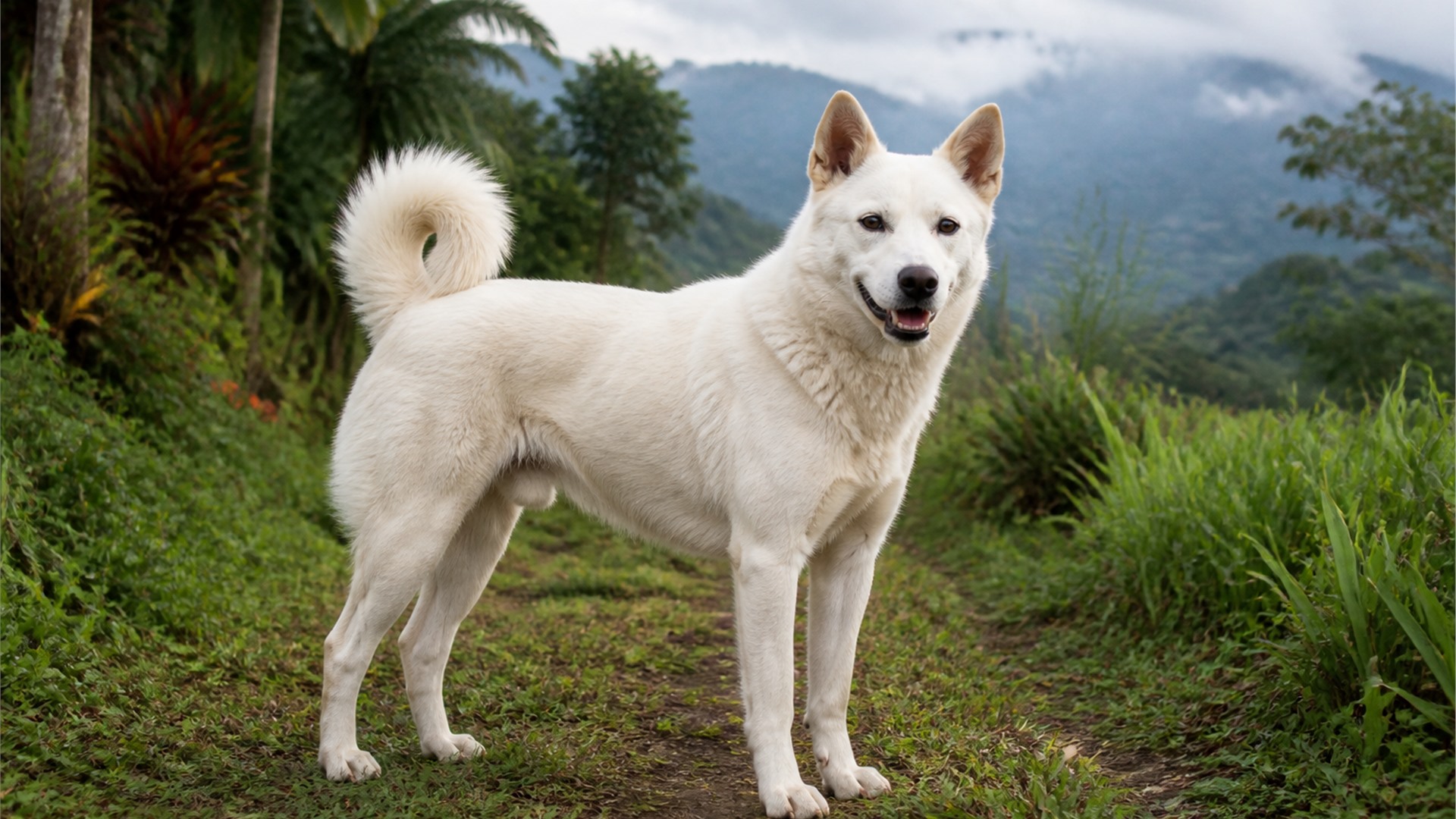
Rarity Raises the Standard for Research
When a breed is uncommon in your country, it is harder to rely on a local club, a nearby rescue, or a familiar trainer who has handled many examples. That does not make the dog impossible to own. It does mean a buyer should ask better questions. Request clear documentation, speak directly with the person raising the litter, understand transport and import conditions, and ask what happens if the dog needs to be returned or rehomed.
Avoid treating a long-distance puppy arrangement as a normal online purchase. Videos, a health document, and a pretty photograph do not prove how puppies were raised or how the adult dogs behave. A responsible decision leaves room to walk away when records, communication, or welfare standards are unclear.
Kintamani-Bali Dog Quick Facts
| Trait | What to Expect |
|---|---|
| Type | Medium Indonesian spitz with an alert, independent presentation |
| Daily routine | Walks, training, safe exploration, and a calm indoor routine |
| Social style | Early socialization and thoughtful visitor handling are important |
| Coat | Double coat that needs brushing and weather-aware care |
| Noise | Alert vocal behavior can become a habit without guidance |
| Main planning concerns | Breeder transparency, boundaries, heat, barking, and socialization |
Alertness Needs a Job and a Limit
An alert dog notices movement, visitors, and unfamiliar sounds quickly. The useful goal is not to erase that awareness; it is to teach what happens next. A gate, a bed cue, and a reward for returning attention to the owner can keep door activity from becoming a daily performance. Give the dog a place away from the entry during deliveries, and do not ask it to greet every person who comes inside.
This work starts with ordinary life. Brief, controlled exposure to calm people, surfaces, sounds, and friendly dogs is more valuable than crowded social events. If a dog freezes, barks intensely, or cannot recover after a trigger, create distance and seek qualified help rather than forcing a closer encounter.
Climate and Exercise Require Common Sense
The breed’s origin does not mean every individual tolerates every hot day or travel climate. Walk during cooler hours when conditions demand it, provide water and shade, and avoid forcing exercise when heat or humidity is high. A double coat also needs routine brushing so you can check the skin and notice changes in body condition.
Apartment living can work for an owner who has a quiet-entry routine, regular outdoor time, and a plan for alert barking. A house with a secure garden may make activity easier, but leaving a spitz alone to patrol a fence can reinforce noise and frustration. The dog needs supervised activity and a taught settle in either setting.
Family Life Depends on Consistency
The Kintamani-Bali Dog is not a suitable “kids will exercise it” plan. Adults need to supervise, decide the household rules, and protect resting and eating space. Children can learn safe ways to participate in training, but should not handle gates, strangers, or dog introductions on their own.
First-time owners can succeed when they arrange training support early and want to learn about management. An experienced owner should still avoid assuming every spitz behaves alike. Work from the dog in front of you and keep introductions, recall, and guest routines deliberate.
Misconceptions Worth Avoiding
One common mistake is assuming a rare breed is inherently easier because it is unfamiliar. Rarity makes research harder; it does not simplify day-to-day care.
Another is believing early socialization means a dog must greet everyone. The real aim is steady recovery and safe behavior, not constant access.
Finally, a fluffy spitz is not automatically designed for cold climates. Coat, individual tolerance, acclimation, and weather conditions all matter.
Use the dog cost calculator to include breeder due diligence, travel or import requirements, training, grooming tools, and a veterinary reserve. The dog fit score cards help compare visitor traffic, climate, small-pet management, outdoor access, and time for socialization. For a more familiar independent spitz comparison, read the Shiba Inu guide and the Icelandic Sheepdog guide.
Transport Is Part of Welfare Planning
For a dog obtained across regions or countries, the journey should be discussed as carefully as the puppy’s pedigree. Ask who is responsible during transport, what crate preparation has been done, how delays are handled, and which veterinarian has seen the dog before travel. Confirm the paperwork required where you live and calculate the cost of a safe arrival rather than treating it as an optional extra. The first days home should be quiet and predictable; a recently transported dog needs recovery, not an immediate stream of visitors.
Keep the first week’s walks short, familiar, and free of meet-and-greets so the dog can learn the new household without additional pressure.
The Kintamani-Bali Dog Decision
Choose this breed only after you have verified the dog’s origin and can commit to steady, unglamorous foundations: safe boundaries, calm handling, weather-aware activity, and a plan for barking. It can be a memorable companion for an owner who enjoys a thoughtful spitz. It is a poor choice for anyone who wants rarity to substitute for research.