
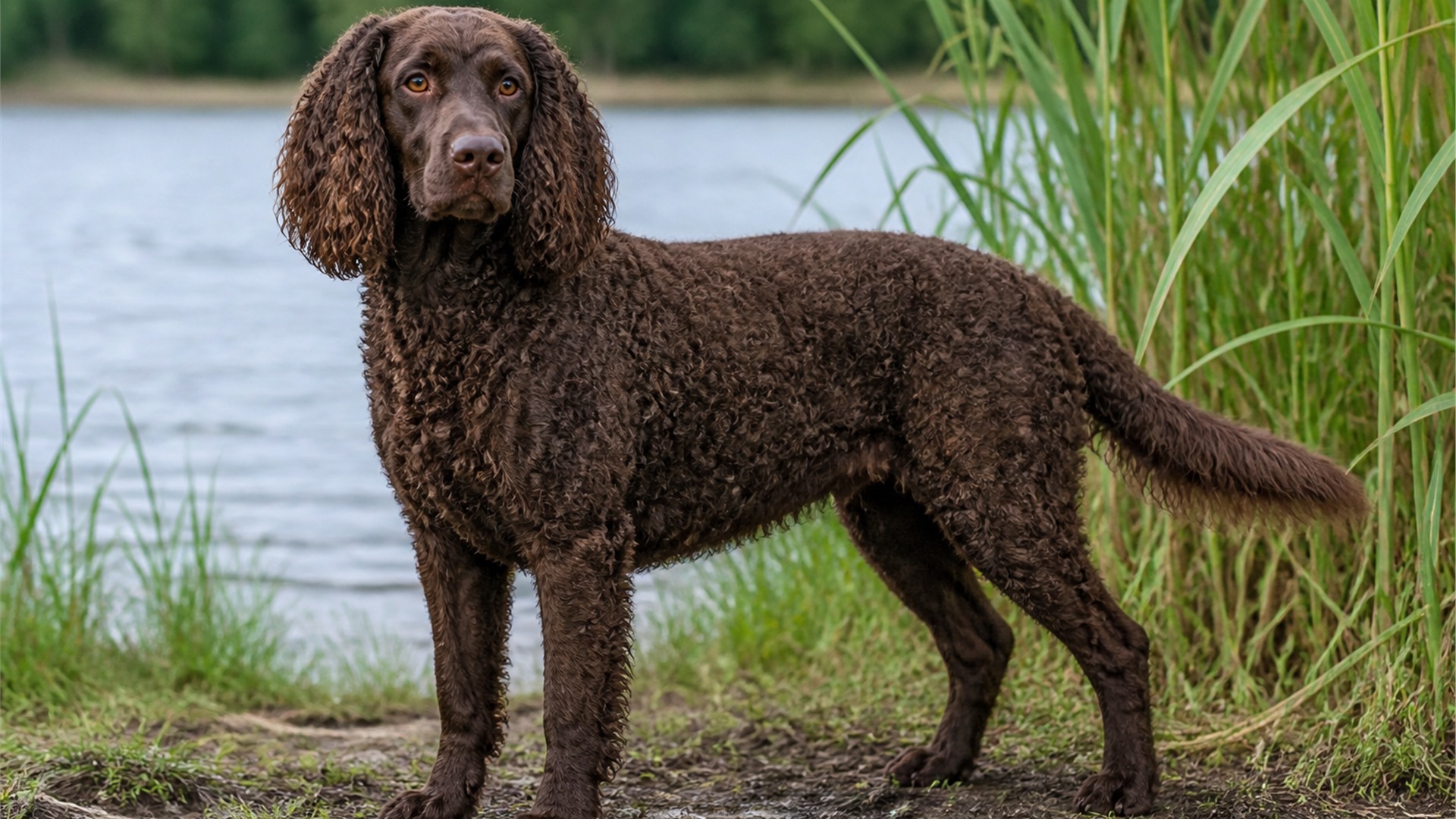
The American Water Spaniel is a compact sporting dog, not a small version of a low-maintenance lap dog. Its size can work for many homes, but the daily rhythm still needs training, movement, retrieval games, and enough recovery time for the dog to settle indoors. The best match is an owner who likes giving a dog a job and can handle a coat that gets wet, muddy, and tangled if it is treated as an afterthought.
The Small Sporting Dog Question
The appeal of the breed is understandable: it is more compact than many retrievers while retaining a working spaniel’s enthusiasm. That compact size should not be used to excuse an under-filled routine. A useful day includes a walk with opportunities to sniff, a short skill session, an appropriate retrieval or scent game, and a real period of calm afterward.
The goal is not to keep the dog busy every waking hour. It is to make activity purposeful. Repeating frantic ball throws can create a dog that is physically fitter but no better at relaxing. Build a mix of retrieves with rules, recall practice, place training, food puzzles, and quiet handling. Puppies need controlled, age-appropriate exercise; adults need conditioning that fits their health and lifestyle.
American Water Spaniel Quick Facts
| Trait | What to Expect |
|---|---|
| Type | Medium American sporting dog with a retriever and spaniel work style |
| Daily routine | Outdoor activity, training, retrieval or scent games, and an indoor settle |
| Coat | Curly or wavy coat that needs brushing and careful drying after wet outings |
| Trainability | Often responsive when sessions are clear, short, and rewarding |
| Family fit | Can suit active households that supervise play and share the daily routine |
| Main planning concerns | Exercise time, wet-coat care, recall, enrichment, and health screening |
Water Is a Commitment, Not a Weekend Theme
Dogs bred for water work may enjoy ponds, rain, mud, and every opportunity to bring part of the outdoors inside. That can be fun, but it changes the home routine. Keep towels near the entry, check ears and feet after wet outings, dry the coat thoroughly, and learn whether the dog mats in particular areas. A damp coat left unattended is a grooming problem waiting to happen.
You do not need waterfront property to meet the breed’s needs. Safe walks, field retrieves, scent trails, and training games can work well. Water activities should always consider temperature, current, safe entry and exit points, and the individual dog’s ability. Do not throw a dog into water or assume every sporting breed is a confident swimmer.
Apartment, House, and Working Schedules
Apartment life is possible for an owner who treats the outdoor routine as non-negotiable. The challenge is not simply square footage; it is fitting training, exercise, and muddy-coat care around elevators, shared entries, and a workday. A house with a yard makes access easier but does not replace walks or structured activity. An unsupervised yard can become a place to bark at squirrels instead of a place to learn useful skills.
For first-time owners, the breed may be manageable with early class support and a schedule that allows genuine activity. Experienced owners should avoid assuming a sporting dog will train itself because it is eager. Reliable recall, a calm greeting, a leave-it cue, and the ability to rest after excitement all need practice.
Grooming, Food, and Health Preparation
Brush the coat consistently enough to find tangles before they become painful. The exact routine depends on coat texture, season, and the dog’s activities. Ask a groomer for a practical maintenance plan rather than following a generic clip chart. Keep nails short, check the skin after field walks, and budget for products or professional help if the coat is difficult to manage.
Ask about documented health testing and history before choosing a puppy. Keep the dog lean, particularly when activity drops because of weather or an injury. Persistent lameness, ear discomfort, skin changes, reduced appetite, or a change in behavior are reasons to consult a veterinarian. They are not issues to diagnose from a breed guide.
Family Life Works Best With Shared Rules
An active spaniel can be a good family companion when adults manage the excitement level. Children can take part in safe games, but they should not be responsible for a dog near water, food, stairs, or another animal. Teach the dog that play ends on a cue and that a bed or mat predicts quiet time. This protects the household from turning every arrival into a game of chase.
The breed’s enthusiasm also needs a plan around birds, cats, and other small animals. Individual dogs vary. Use gradual introductions and supervision, then keep management in place as needed rather than trusting a single good encounter.
Common Misconceptions
The first myth is that a smaller sporting dog needs only moderate activity. Size changes logistics, not the need for a working outlet.
The second is that a water-loving dog should swim in every available lake or pool. Safety, temperature, entry points, and supervision still matter.
The third is that a curly coat is automatically easy because it may not leave much visible hair on the floor. Brushing, drying, and periodic grooming remain part of the budget.
Use the dog cost calculator to budget for training, grooming, wet-weather gear, enrichment, insurance, and a veterinary reserve. The dog fit score cards help compare outdoor time, tolerance for a wet dog, household routines, children, and your interest in ongoing training. For a different water-oriented working style, read the Portuguese Water Dog guide and the English Springer Spaniel guide.
The American Water Spaniel Decision
Choose this breed when you want a trainable sporting companion and your routine can support regular outdoor work plus calm recovery indoors. Look elsewhere if you want a dog that needs little exercise, stays clean without effort, or can be left to invent its own yard activity. The American Water Spaniel is rewarding when its drive has a job and its coat has a real maintenance plan.