
The American Akita is a substantial, independent spitz whose appeal can hide the amount of adult decision-making it needs. A calm expression does not mean a dog will enjoy crowded greetings, loose boundaries, or spontaneous interactions with every person and dog it meets. The strongest homes for the breed are predictable: people control doors, visitors, food, gates, and walks before the dog has to make any of those decisions for itself.
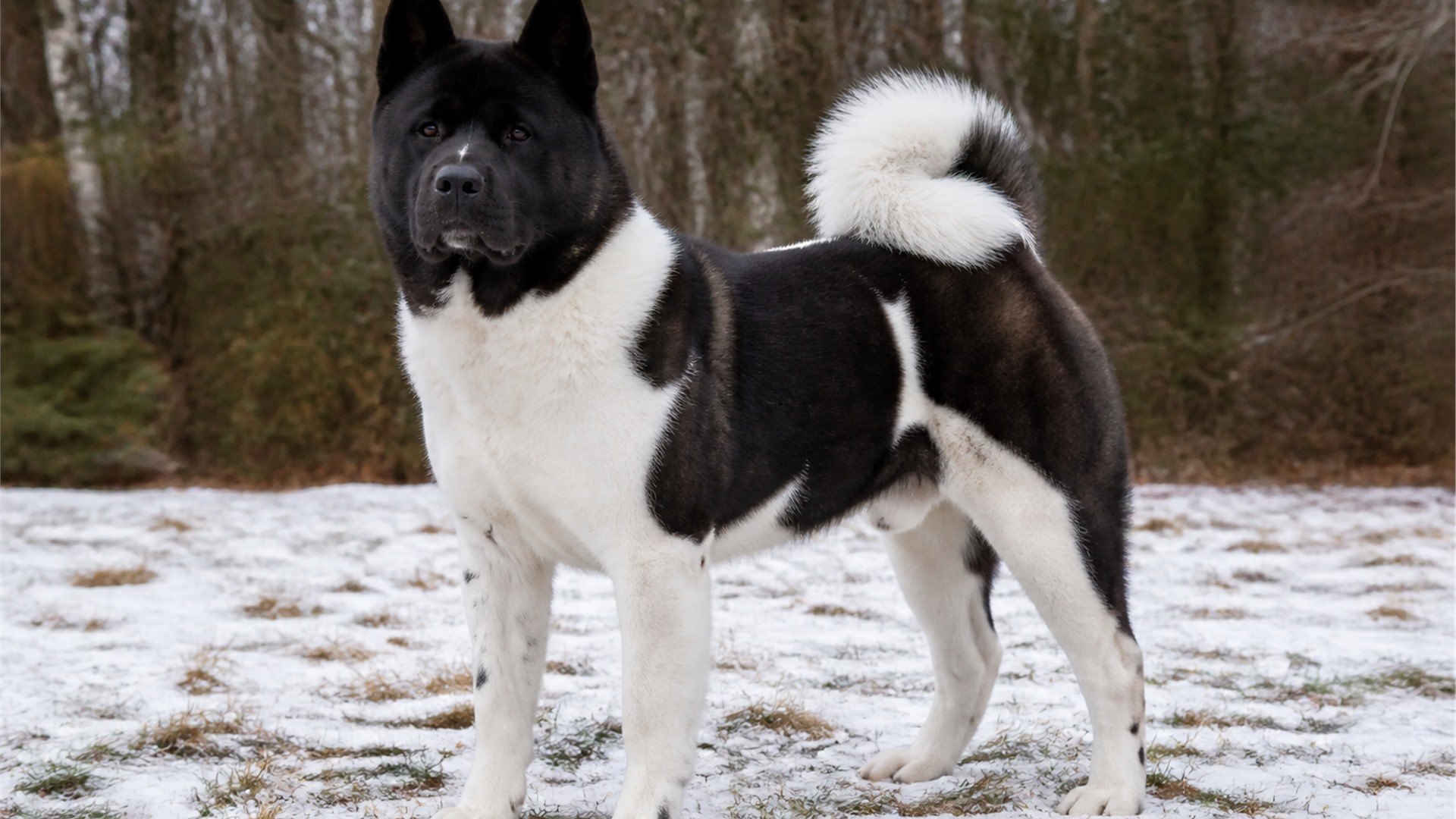
Reserve Is Not a Problem to Train Away
The American Akita may be deeply affectionate with familiar people while remaining reserved with strangers. That distinction deserves respect. Socialization should teach the dog that ordinary sights, people, and sounds are safe; it should not pressure the dog to greet everyone or accept every dog at close range.
Build everyday skills early: wait behind a barrier when the door opens, move to a bed on cue, walk on a loose lead, and trade an object without conflict. These are useful because the breed is powerful and observant. A polite adult dog that can remain neutral is a better outcome than a dog repeatedly placed into uncomfortable social tests.
American Akita Quick Facts
| Trait | What to Expect |
|---|---|
| Type | Large, heavy-boned spitz with an independent temperament |
| Daily routine | Steady walks, training, calm time with family, and controlled activity |
| Social style | Often reserved; dog compatibility is individual and may change with maturity |
| Coat | Dense double coat with significant seasonal shedding |
| Family fit | Best with adults who can supervise and keep household rules consistent |
| Main planning concerns | Visitors, other dogs, housing rules, fencing, coat care, and health screening |
Doors, Guests, and Shared Space Need an Adult Plan
Visitor management begins before the doorbell rings. Use a gate, a separate room, or a trained bed cue so deliveries and guests do not become an uncontrolled event. Family members should agree on the procedure. One person allowing a free rush to the door can undo a routine another person has been training for weeks.
Public space deserves the same preparation. In an apartment, elevators and narrow corridors reduce the distance available when another dog appears. In a house, a gate and yard do not remove the need for calm lead work. Choose walks where you can cross the street or turn away without drama, and do not treat dog parks as a necessary test of a dog’s success.
A House Is Easier, Not Automatic
A house can make access and visitor management simpler, especially when it has secure gates and an indoor place for the dog to settle. It does not make an unsupervised backyard a good solution. Rehearsing fence running, barking at passersby, or confrontations through a boundary can create habits that are difficult to unwind.
Apartment living is possible only for a committed owner with a quiet routine, secure entrances, suitable walking routes, and confidence handling a large dog on lead. First-time owners should be candid about the learning curve. This is not a breed to choose because its calm moments look easy. Experienced owners also need humility; success with a gregarious family dog does not automatically transfer to a more independent spitz.
Coat, Climate, and Health Preparation
The dense coat requires regular brushing and a major increase in cleaning during seasonal shedding. Shaving a double-coated dog is not a casual shortcut for heat or hair. Ask a veterinarian or a groomer who understands the individual dog’s coat before making a drastic change, and provide shade, water, and sensible activity in warm conditions.
Ask a breeder or rescue about health history and documented screening. Keep the dog lean so changes in body condition are not hidden under coat. New limping, unusual fatigue, breathing difficulty, or a sudden behavior change deserves veterinary advice rather than an online explanation. The practical budget includes strong equipment, training, grooming tools, boarding that can handle a large reserved dog, and a medical reserve.
Family Life Is About Supervision, Not Labels
An American Akita can be close to its household, but children should never be expected to control the dog or referee interactions. Teach children not to approach the dog while it is eating, resting, or behind a barrier. Prevent high-energy games that encourage jumping or rough collisions. A dog’s tolerance is individual, and a large dog gives adults less room to ignore an early warning sign.
Other pets need an honest assessment based on the particular dog, their history, and the home setup. Use slow introductions and permanent management where appropriate. Do not rely on a puppy’s early friendliness as a guarantee for adult preferences.
Misconceptions That Need Correcting
One myth says a reserved dog is an unfriendly or badly socialized dog. A dog can be stable without wanting access to every stranger. Neutral behavior is a valid goal.
Another says heavy shedding is the only hard part of ownership. Coat work is visible; visitor protocols and dog-management choices are often the real daily responsibility.
The last is that physical strength calls for harsh handling. Clear boundaries and reward-based training are safer than confrontation. Seek a qualified trainer early if you are uncertain about behavior, visitors, or introductions.
Use the dog cost calculator to plan for equipment, training, grooming tools, boarding, possible housing requirements, and emergency savings. The dog fit score cards help assess visitor traffic, common-area encounters, other dogs, child ages, and your tolerance for a high-shed large breed. Compare this guide with the Shiba Inu guide and the Cane Corso guide for management questions, not for simplistic labels.
The American Akita Decision
Choose an American Akita only when you can give it steady boundaries, calm handling, and a home that does not require it to be socially available all day. It is not a match for a household built around frequent uncontrolled visitors, casual off-leash activity, or conflicting rules. With a realistic plan and an owner who values stability over spectacle, the breed can be a deeply loyal companion.