
An Akita can be a devoted, calm companion in the right household, but it is not a large plush dog that will happily adapt to every social situation. The breed is powerful, reserved with strangers, often selective with other dogs, and capable of making decisions without waiting for approval. A good Akita home is organized around predictable boundaries: doors, visitors, walks, food, resting space, and introductions all need an adult plan.
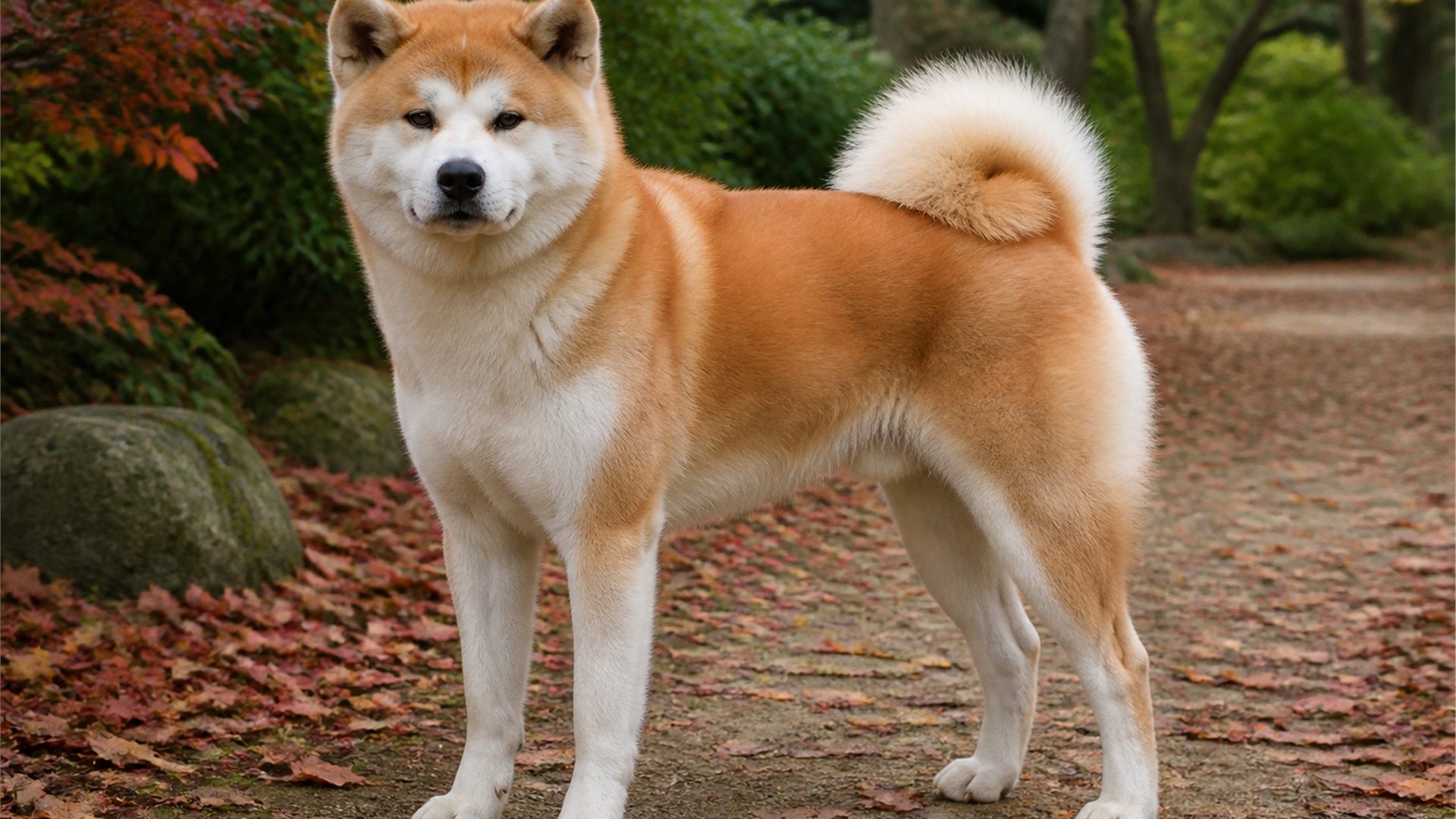
The Akita Is a Boundary Dog
Many owners are drawn to the breed’s quiet dignity and thick spitz coat. Those are real traits, but they sit beside a serious management requirement. An Akita may be affectionate with familiar people while remaining aloof with strangers. It may coexist peacefully with one household dog while reacting poorly to unfamiliar dogs. Those differences are not a training failure; they are reasons to choose the breed only when you are willing to manage the dog you have.
The first question is not “Will this Akita protect me?” It is whether you can prevent the dog from practicing unwanted protective decisions. A stable dog needs calm exposure, a well-managed home, and an owner who can say no to chaotic greetings, off-leash experiments, and social pressure from other dog owners.
Akita Quick Facts
| Trait | What to Expect |
|---|---|
| Size | Large, substantial spitz with a powerful build |
| Temperament | Loyal, composed, independent, and commonly reserved with strangers |
| Daily routine | Purposeful walks, training, quiet family time, and controlled activity |
| Dog social life | Often selective; same-sex conflict can be a real consideration |
| Coat | Dense double coat with heavy seasonal shedding |
| Family fit | Best with adults who supervise children and maintain consistent rules |
| Main planning concerns | Visitor management, leash skills, other dogs, fencing, grooming, and health screening |
Visitors Need a Protocol Before the Doorbell Rings
For an Akita, an open front door is not a casual moment. Set up a physical barrier, a bed or room away from the entry, and a reliable routine for deliveries and guests. Teach the dog that visitors predict distance, calm handling, and an adult decision, not a free-for-all introduction.
This is especially important in homes with frequent contractors, teenagers who bring friends over, or family members who are inconsistent about doors and gates. An Akita does not need to greet every person. A neutral, controlled response is a success. Ask a qualified trainer for help before a problem develops, especially if the dog freezes, stares, blocks movement, or escalates around access to people or space.
Exercise Is Less Important Than Controlled Choices
Akitas need daily activity, but endless mileage is not the best way to evaluate the breed. A steady walk, scent work, loose-leash practice, recalls in safe enclosed spaces, and calm settling can be more useful than trying to exhaust the dog physically. Young dogs need carefully managed exercise while joints mature, and adults benefit from training that builds cooperation.
Off-leash freedom requires a secure setting. A fenced yard supports outdoor time but must be maintained; the dog should not be left to rehearse fence running, barking, or confrontations with passing dogs. On walks, choose distance over forced greetings. A strong, neutral dog that can move past distractions is more valuable than one that has been repeatedly pushed into uncomfortable interactions.
Apartment Life, Houses, and Owner Experience
Apartment life is possible but demanding
An apartment owner needs excellent doorway control, elevator manners, a realistic plan for other dogs in common areas, and enough daily structure for a large dog to settle indoors. The biggest risk is not lack of square footage by itself. It is an unavoidable series of narrow, close-range encounters with strangers and dogs.
A house needs more than a fenced yard
A secure yard is useful, but it does not remove the need for leashed walks, training, and visitor management. Check gates, locks, sightlines, and who can enter when no experienced adult is home. Avoid treating outdoor isolation as a cure for an Akita that dislikes social pressure.
First-time owners should be cautious
A committed first-time owner can learn with professional support, but this is not the easy route. Meet adult Akitas, speak honestly with a responsible breeder or rescue, and arrange training early. Experienced owners still need to avoid overconfidence; prior success with a sociable retriever does not automatically transfer to a powerful, independent spitz.
Coat Blow, Food, and Health Preparation
The dense coat needs regular brushing throughout the year and considerably more work during seasonal shedding. Do not shave a double coat to solve shedding or summer heat without veterinary advice; coat care and climate management need to suit the individual dog. Prepare for vacuuming, brush sessions, nail care, and clean drying space after wet weather.
Ask breeders about documented health testing and family history. Discuss hips, eyes, thyroid concerns, and breed-relevant screening with a veterinarian rather than treating online lists as a diagnosis. Keep an Akita lean. Extra weight increases the strain on a large dog’s joints and makes the heavy coat hide body condition changes. A measured diet, calm mealtimes, and regular hands-on condition checks are more useful than guessing from appearance alone.
Akita Misconceptions That Cause Bad Matches
One myth says an Akita is naturally aggressive. That label is too broad and does not help an owner. The more practical truth is that the breed can be reserved, protective of space, and selective with dogs. Responsible ownership means managing those tendencies rather than denying or dramatizing them.
Another myth says a well-socialized Akita should love dog parks. Socialization teaches a dog how to process normal life. It does not require every adult dog to enjoy crowding or unfamiliar dogs. Parallel walks, distance, and calm neutrality are often better goals.
The third myth says an Akita’s quiet demeanor makes it easy. A quiet dog can still be very strong, observant, and independent. The owner must notice early signals rather than waiting for loud behavior.
Use the dog cost calculator to plan training, secure fencing, grooming tools, strong equipment, boarding that can handle a large reserved dog, and an emergency reserve. The dog fit score cards help compare visitor traffic, other dogs, common-area encounters, daily time, climate, and handling experience. For a smaller Japanese spitz with a very different scale, read the Shiba Inu guide; for another powerful guardian-type decision, compare the Cane Corso guide.
Is an Akita Right for You?
Choose an Akita if you want a loyal, composed dog and can build a calm household around clear rules. You should be comfortable choosing neutral behavior over forced friendliness, investing in training before there is a crisis, and managing a powerful dog with honesty.
Choose another breed if frequent guests, spontaneous dog socializing, or off-leash convenience are central to your life. The Akita is rewarding for an owner who respects its limits. It is a poor match for anyone who expects its striking appearance to come with effortless sociability.
The Akita Decision
Akita ownership is mostly about judgment. Keep the dog safe around doors, other dogs, visitors, and food; give it exercise without turning every outing into a social test; and value steady manners over a public performance. In a well-run home, the breed can be quietly affectionate and deeply loyal. In a loosely managed home, its size and independence leave little room for mistakes.