
Most people say “Corgi” as if it were one dog, but it is actually two separate breeds: the Pembroke Welsh Corgi and the Cardigan Welsh Corgi. If you want the shortest answer, look at the tail first. Cardigans have a long fox-like tail, while Pembrokes have little to no tail. From there, the two breeds also differ in ears, size, color range, temperament, and day-to-day owner fit.
The quickest way to remember the difference is the tail: a Cardigan has a long, fox-like tail, while a Pembroke has almost none. From there the two breeds diverge in subtle but meaningful ways that change how they look and how they live with you.
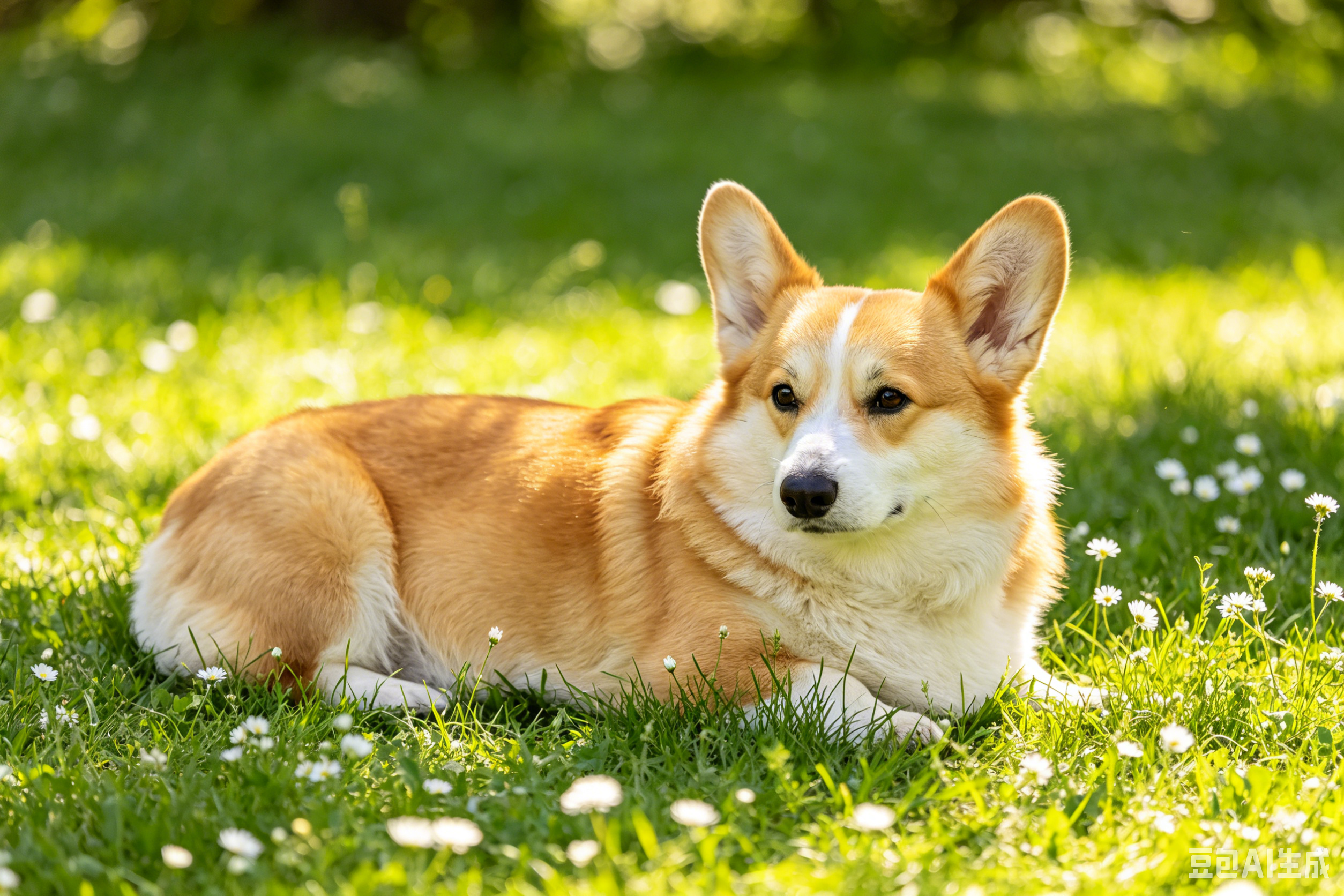
Pembroke and Cardigan Welsh Corgis Fit in an Ordinary Week
| Fit Factor | Score | What It Means | |—|—|—| | Apartment Fit | 3/5 | Workable for prepared owners who manage exercise, barking, and routine. | | First-Time Owner Fit | 3/5 | Possible for prepared first-time owners who research the breed honestly. | | Family Fit | 3/5 | Can suit the right family when children, space, and routines are managed. | | Exercise Demand | 3/5 | Moderate daily activity and mental work keep this dog easier to live with. | | Grooming Difficulty | 3/5 | Moderate grooming or shedding; plan for regular brushing and basic upkeep. | | Training Difficulty | 3/5 | Needs steady training, socialization, and realistic expectations. |
Pembroke vs Cardigan at a Glance
| Trait | Pembroke Welsh Corgi | Cardigan Welsh Corgi |
|---|---|---|
| Tail | Naturally bobbed or docked - very short | Long, full, fox-like brush |
| Ears | Smaller, pointed, erect | Larger, more rounded, erect |
| Size | About 24-30 lb, lighter build | About 25-38 lb, longer and heavier |
| Body shape | Shorter back, straighter legs | Longer body, more curved front legs |
| Coat colors | Red, sable, fawn, black & tan, with white | Wider range incl. brindle, blue merle, plus red and sable |
| Temperament | Outgoing, friendly, bold | Devoted but more reserved with strangers |
| Popularity | Very popular (the “royal” Corgi) | Rarer, older breed |
| Lifespan | Around 12-13 years | Around 12-15 years |
Two Breeds, One Nickname
Both Corgis come from Wales and were bred to herd cattle by nipping at their heels and ducking the kicks, but they have separate histories. The Cardigan is the older of the two, with roots in the Welsh county of Cardiganshire going back many centuries. The Pembroke developed later in Pembrokeshire and became the more fashionable dog, especially after the British royal family adopted it. Queen Elizabeth II kept Pembrokes throughout her life, cementing its image worldwide.
For years the two were shown and bred together as a single type. It was only in 1934 that the UK Kennel Club officially recognized them as two distinct breeds. Despite the split, they were never really the same dog, and the differences are easy to spot once you know what to look for.
Telling Them Apart: Tail, Ears, and Build
The tail is the headline difference. Cardigans carry a long, low, brushy tail like a fox. Pembrokes are born with a natural bobtail or have historically been docked, so the back end looks rounded and tailless. If the dog has a flowing tail, it is a Cardigan.
The ears are the second giveaway. Both stand erect, but the Cardigan’s are noticeably larger and more rounded at the tip, while the Pembroke’s are smaller and more pointed. Look at the overall build, too: the Cardigan is the heavier, longer-bodied dog with slightly more bowed front legs and a bit more bone, whereas the Pembroke looks a touch lighter and more compact.
Coat color seals it. Cardigans come in a far wider palette, including brindle and the striking blue merle (mottled gray and black), alongside red, sable, and black. Pembrokes stick to red, sable, fawn, and black-and-tan, usually with white markings, and never come in merle.

Temperament Differences
In personality the two overlap heavily - both are clever, alert, vocal herding dogs with serious working drive - but there is a real difference in social style. The Pembroke tends to be the extrovert: outgoing, eager to greet, and quick to make friends, which is part of why it became the more popular pet. The Cardigan is usually a little more reserved and watchful, taking its time to warm up to strangers while being just as devoted to its own family.
That makes the Cardigan an excellent, slightly more discerning watchdog, and the Pembroke a more openly social companion. Neither is shy or aggressive when properly socialized; the difference is more like outgoing versus thoughtful. Both will herd children and pets, both will alarm-bark, and both want to be involved in everything you do.
What the Two Corgis Share
Whichever Corgi you choose, the day-to-day care is broadly the same, because the traits that define the type apply to both:
- Heavy shedding from a weatherproof double coat, with two big seasonal “coat blows” a year.
- A vocal, alert nature - they bark to herd and to announce visitors.
- Real exercise needs of roughly an hour a day, plus mental work; these are not low-energy lap dogs.
- Back (IVDD) risk from the long spine and short legs, so keeping them lean and limiting hard jumping matters for both.
- A strong herding instinct that shows up as heel-nipping and household “management.”
For a full breakdown of exercise, grooming, feeding, training, and health that applies especially well to the more common pet corgi, see the in-depth Pembroke Welsh Corgi guide.
Which Corgi Is Right for You?
Choose a Pembroke if you want the classic, instantly recognizable Corgi look (tailless, foxy face), a more outgoing and social temperament, and a breed that is easy to find from reputable breeders and rescues. It is the better fit for an owner who wants a confident, friendly dog and does not mind that everyone will recognize it on sight.
Choose a Cardigan if you are drawn to the long tail, the broader color range (especially blue merle and brindle), and a slightly calmer, more reserved personality with a strong watchdog streak. Because the breed is rarer, expect a longer search and possibly a waitlist.
Honestly, for most homes either Corgi will be a wonderful, hilarious, high-personality companion, and lifestyle fit matters far more than the breed label. Both demand the same commitment: daily exercise, constant fur, bark management, and lifelong attention to weight and back health.
If you are still weighing your options, compare the Corgi’s herding drive against the vocal, primitive Finnish Spitz or the pocket-sized, lap-loving Chihuahua guide. Both lead to very different daily life than a corgi.
Pembroke vs Cardigan FAQ
Are Pembroke and Cardigan Welsh Corgis the same breed?
No. They are two separate breeds, officially recognized as distinct in 1934. They share a similar shape and Welsh herding heritage but differ in tail, ears, size, color, and temperament.
What is the easiest way to tell them apart?
Look at the tail. A long, fox-like tail means Cardigan; a very short or absent tail means Pembroke. The Cardigan also has larger, rounder ears and a heavier, longer body.
Which Corgi is bigger?
The Cardigan is the larger of the two, typically heavier and longer-bodied, while the Pembroke is a bit lighter and more compact.
Which Corgi makes a better family dog?
Both are great with active families. Pembrokes are generally more outgoing and social, while Cardigans are a little more reserved and watchful. Both need supervision around small children because of the heel-nipping herding instinct.
Which is more popular, and why?
The Pembroke is far more popular, largely thanks to its association with Queen Elizabeth II and its outgoing temperament. The Cardigan is the older breed but remains comparatively rare.
Do both Corgis shed and bark a lot?
Yes. Both carry a heavy-shedding double coat and both are vocal alarm-barkers by nature. Expect year-round fur and to train a reliable “quiet” cue regardless of which one you pick.
What Corgi Owners Notice After the Comparison Chart
The recurring surprise in Corgi homes is how little the short legs predict the workload. Hair collects along baseboards, doors set off sharp alert barking, and the cattle-dog habit of controlling movement can continue long after puppyhood. The choice between Pembroke and Cardigan matters, but the daily friction often comes from stairs, weight control, and teaching a busy herding brain to settle. Those details are easy to miss when the decision begins with ears, colors, or tail shape.
Choosing Between Two Corgis in Real Homes
Shared walls and elevator trips
Either Corgi can live in an apartment when barking is trained early and outdoor time includes brisk walking plus sniffing or obedience work. Elevator access is useful because repeated stairs become awkward during puppy growth, injury, or old age. A Pembroke may feel busier in a noisy building, while an individual Cardigan may be more reserved around close strangers.
A yard changes convenience, not the job
A fenced yard makes toilet breaks and low-impact play easier, but it does not replace training. Both breeds can patrol windows, rehearse fence barking, and dig their own entertainment. Use the extra space for recall games, calm greetings, and controlled herding-style activities rather than leaving the dog outside to invent a routine.
The first Corgi for a new owner
Choose the breeder or rescue dog by temperament, handling tolerance, and health records rather than by the Pembroke or Cardigan label alone. A first-time owner should be ready to manage nipping, food motivation, shedding, and a dog that learns bad patterns as quickly as good ones. Puppy classes and a stair plan belong in the budget before pickup day.
Where experienced owners can be more precise
An experienced owner can look beyond broad breed stereotypes and ask about recovery after excitement, dog-to-dog neutrality, and how relatives behave around visitors. That information predicts household fit better than coat color. Experienced homes should still resist over-exercising a young Corgi simply because the dog keeps asking for more.
Two Corgi Claims That Cause Bad Decisions
Pembrokes are just Cardigans without tails
They are separate breeds with different histories, body details, accepted colors, and broad temperament tendencies. Tail appearance is the easiest difference to photograph, not the most useful difference for choosing a household companion.
Short legs make both breeds easy lap dogs
Both descend from working cattle dogs. They may enjoy the sofa after their needs are met, but many bark, chase movement, and need daily training. Small height reduces neither the herding brain nor the amount of loose undercoat.
For a practical planning check, use the dog cost calculator to include food, routine dental care, training, shedding tools, ramps or gates, and a medical reserve for back or joint problems. The dog fit score cards can help you compare noise tolerance, child supervision, stair access, exercise time, and first-owner experience before choosing Pembroke or Cardigan.
The Bottom Line
The Pembroke and Cardigan are two distinct takes on the same brilliant idea: a full-size herding brain on short legs. The Pembroke gives you the tailless, royal-famous, extroverted Corgi; the Cardigan gives you the long-tailed, colorful, slightly more reserved original. Tell them apart by the tail, the ears, and the colors, then choose on temperament and availability rather than looks alone.
Either way you are signing up for a clever, funny, devoted dog with real exercise needs, heavy shedding, and a vocal streak. If that trade appeals to you, start with the detailed Pembroke Welsh Corgi guide to see exactly what daily life with a Corgi involves.